Farm-to-Table Eateries: Chef Insights & Reviews
The farm-to-table movement has fundamentally transformed how we experience dining, shifting focus from distant supply chains to the vibrant relationships between chefs, farmers, and the land itself. These establishments celebrate seasonality, sustainability, and the profound flavors that emerge when ingredients travel minimal distances from soil to plate. Walking into a true farm-to-table restaurant means entering a space where every dish tells a story—of specific soil conditions, harvest timing, and the skilled hands that nurture growth from seed to harvest.
Modern diners increasingly seek transparency in their food sources, and farm-to-table eateries deliver exactly that promise. Chefs working within this philosophy understand that exceptional flavor begins not in the kitchen, but in the fields, orchards, and pastures where ingredients develop their character. This comprehensive guide explores the nuances of farm-to-table dining, examines what makes these establishments extraordinary, and shares insights from culinary professionals who’ve dedicated their careers to this transformative approach.
Understanding Farm-to-Table Philosophy
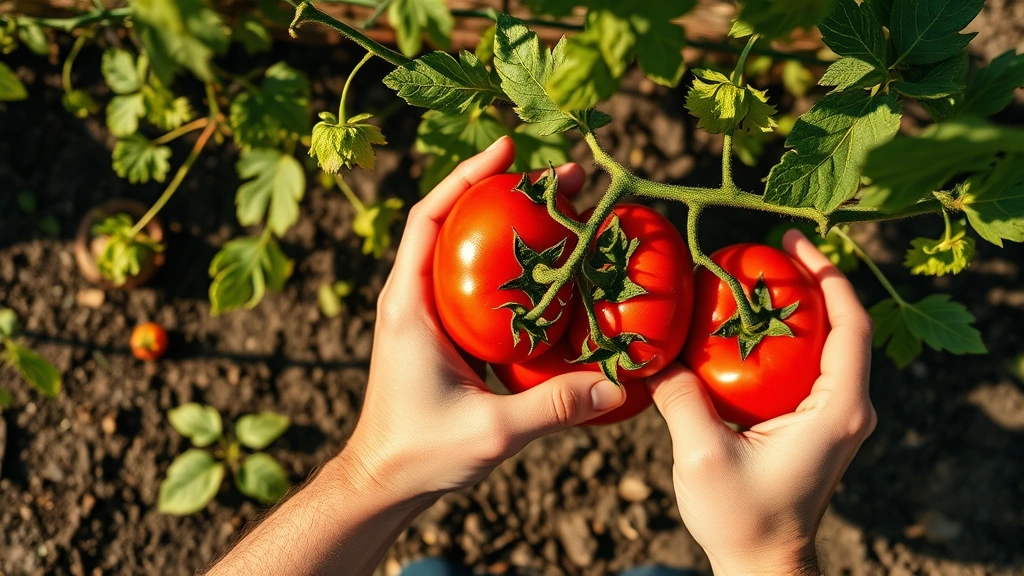
Farm-to-table represents far more than a trendy marketing label—it embodies a fundamental commitment to culinary integrity and community engagement. At its core, this philosophy recognizes that ingredient quality directly determines dish excellence. When a chef sources tomatoes harvested yesterday from a nearby farm, those tomatoes possess vibrant acidity, concentrated sweetness, and textural complexity impossible to replicate with supermarket alternatives that traveled for weeks.
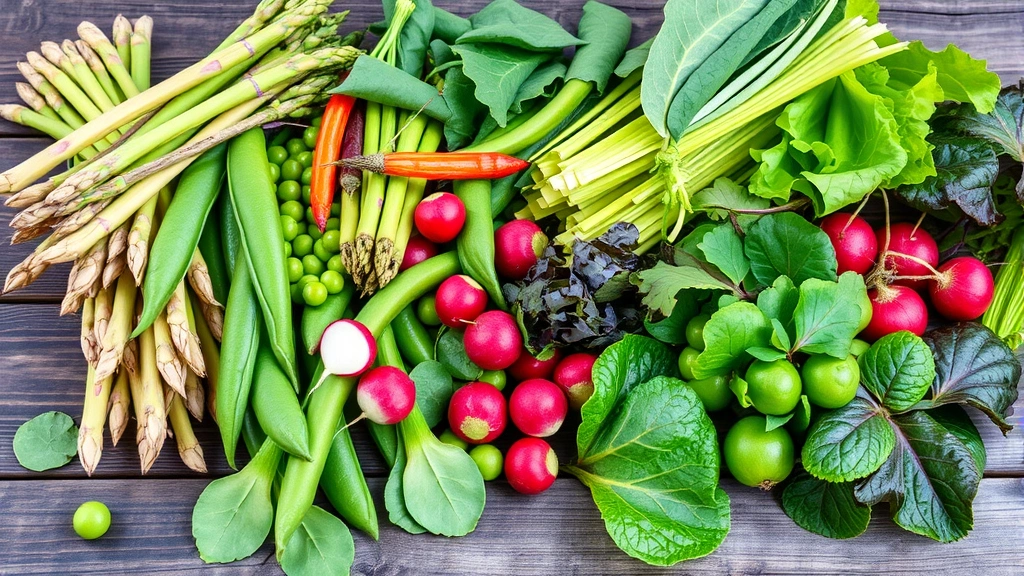
The farm-to-table approach challenges conventional restaurant operations that rely on massive distributors and frozen ingredients. Instead, chefs embrace seasonal constraints as creative opportunities, designing menus that shift with natural growing cycles. This responsiveness to seasons means spring menus burst with tender asparagus, fresh peas, and delicate greens, while autumn preparations highlight root vegetables, squashes, and preserved fruits from summer abundance.
External validation for this movement comes from Slow Food International, an organization promoting food traditions and sustainable agriculture. Their work demonstrates that farm-to-table dining connects directly to cultural preservation, environmental stewardship, and community resilience.
Beyond ingredient sourcing, farm-to-table establishments often practice nose-to-tail cooking, utilizing every component of animals and whole plant preservation techniques. This comprehensive approach reduces waste while creating complex flavor layers through stocks, broths, and fermented preparations that develop over time.
The Chef’s Perspective: Building Relationships with Producers
Successful farm-to-table chefs invest enormous energy cultivating genuine relationships with local farmers, ranchers, and foragers. These partnerships transcend simple transactions, evolving into collaborations where chefs communicate their vision while farmers share their expertise about what grows exceptionally well in their specific terroir.
Chef insights reveal that these relationships often begin with farm visits. Walking through fields at different seasons, understanding soil conditions, and observing growing practices informs menu development in profound ways. A chef who’s watched heirloom tomato varieties ripen over summer develops deeper appreciation for their subtle flavor variations than one who simply receives boxes of produce.
Many farm-to-table chefs maintain formal relationships with multiple producers, often guaranteeing purchase volumes in advance. This security allows farmers to plant diverse crops and experiment with unusual varieties, knowing demand exists. Simultaneously, chefs gain influence over what gets cultivated, occasionally commissioning specific ingredients for signature dishes.
The Chefs for Cooking association provides networking opportunities where culinary professionals share sourcing strategies and producer connections. This community support strengthens the entire ecosystem.
Personal relationships also create accountability and quality assurance that industrial supply chains cannot match. When a chef knows the farmer personally, there’s inherent motivation to deliver exceptional products. Conversely, chefs become invested in farmer success, occasionally adjusting menu pricing to ensure fair compensation that sustains agricultural operations.
Documentation of these relationships often appears on menus, with producers’ names and farm locations listed alongside dishes. This transparency educates diners while celebrating the human effort behind each plate. Some establishments display photographs of farmers, publish seasonal newsletters describing producer operations, or host special dinners featuring specific farm collaborations.
Seasonal Menu Design and Ingredient Selection
Creating menus for farm-to-table restaurants requires fundamentally different thinking than conventional establishments. Rather than determining a fixed menu and sourcing ingredients to match, farm-to-table chefs assess what’s available at peak ripeness, then design dishes showcasing those ingredients’ optimal flavors.
This approach demands culinary flexibility and deep technical knowledge. A chef might plan a spring menu around early peas, ramps, and fresh herbs, but unexpected late frost could eliminate peas from availability. Experienced farm-to-table chefs maintain mental libraries of preparation techniques applicable to multiple ingredients, allowing rapid menu adjustments without compromising quality.
Seasonal transitions present both challenges and opportunities. The gap between spring and early summer, or the shift from summer abundance to autumn scarcity, requires thoughtful planning. Many chefs preserve summer’s excess through canning, fermenting, and drying techniques, creating pantry staples that bridge seasons while developing complex, concentrated flavors.
Ingredient selection within seasons also reflects terroir understanding. Rather than purchasing the first available asparagus, knowledgeable chefs wait for specific varieties from specific farms, understanding that thin, delicate spears from one producer taste distinctly different from thicker stalks from another grower. This discrimination elevates dishes from merely seasonal to genuinely exceptional.
The practice of creating homemade preparations extends beyond simple cooking. Farm-to-table kitchens often produce their own stocks, vinegars, and condiments, transforming ingredient excess into flavor foundations for other dishes. When spring brings overwhelming pea abundance, chefs might produce pea stock that enhances soups and sauces throughout the season.
Flavor Profiles and Culinary Techniques
Farm-to-table cooking emphasizes ingredient quality over elaborate technique, yet exceptional technical skill remains essential. When working with premium ingredients at peak ripeness, the chef’s role shifts toward enhancement rather than transformation. A perfectly ripe peach requires minimal intervention—perhaps simply beautiful plating, a whisper of cream, and complementary herbs.
This minimalist approach actually demands greater precision than heavily sauced cuisine. Every element on the plate becomes visible; there’s nowhere to hide imperfect execution. The sweetness of a carrot, the earthiness of beets, the subtle mineral notes in fresh greens—all these delicate flavors demand respectful handling.
Cooking techniques in farm-to-table kitchens often emphasize preservation of ingredient character. Rather than heavy reductions, chefs create bright, acidic preparations using vinegars, citrus, and fermented elements. Grilling, roasting, and quick sautéing predominate over braising, allowing vegetables to maintain textural integrity and flavor clarity.
Temperature control becomes critical when working with delicate, flavorful ingredients. A perfectly roasted beet retains sweetness while developing caramelized complexity; overcooking renders it mushy and bland. Similarly, fish from local waters cooks quickly, requiring precise timing to achieve that ideal moment between translucent and opaque where flavor reaches maximum intensity.
Many farm-to-table chefs employ stir-fry and quick-cooking methods that preserve vegetable character while building flavor through high heat and careful seasoning. These techniques honor ingredient integrity while creating dynamic, layered taste experiences.
Fermentation represents another crucial technique in farm-to-table kitchens. Kimchi, sauerkraut, miso, and other fermented preparations develop umami depth while preserving seasonal vegetables for off-season use. These condiments add complexity to simple preparations, elevating a plate of roasted vegetables into a sophisticated dish through acidic, funky, umami-rich accompaniments.
Sustainability and Environmental Impact
Beyond flavor considerations, farm-to-table dining delivers measurable environmental benefits. By sourcing locally, restaurants dramatically reduce transportation emissions associated with ingredient distribution. Produce arriving by truck from nearby farms generates a fraction of the carbon footprint compared to imported fruits and vegetables traveling thousands of miles by air or ship.
Supporting local agricultural systems strengthens regional food security and preserves farmland from development pressure. When restaurants guarantee purchases from local producers, they make farming economically viable, ensuring that agricultural land continues productive use rather than being converted to housing developments or commercial spaces.
Farm-to-table practices also encourage regenerative agriculture techniques. Farmers supplying restaurants often employ crop rotation, cover cropping, and minimal tilling methods that build soil health while sequestering carbon. These practices enhance long-term productivity while reducing chemical inputs and environmental degradation.
Waste reduction represents another sustainability advantage. Farm-to-table kitchens minimize packaging waste by purchasing directly from producers, often using reusable containers. Comprehensive utilization of ingredients—using vegetable scraps for stock, preserving fruit processing byproducts, composting unavoidable waste—reduces landfill contributions significantly.
The Sustainable Foods Institute documents these environmental impacts, providing research demonstrating that farm-to-table systems deliver measurable reductions in agricultural carbon emissions, water usage, and chemical pollution compared to conventional food systems.
Water conservation benefits emerge from supporting local farms adapted to regional climates and rainfall patterns. Rather than importing water-intensive crops to arid regions, farm-to-table establishments celebrate locally-adapted ingredients requiring minimal irrigation.
Notable Farm-to-Table Establishments
Exceptional farm-to-table restaurants demonstrate how commitment to sourcing philosophy translates into extraordinary dining experiences. These establishments vary in style and cuisine, yet all share dedication to ingredient excellence and producer relationships.
Certain restaurants have pioneered farm-to-table approaches, influencing culinary culture across entire regions. These establishments often maintain years-long relationships with specific farms, sometimes owning agricultural land themselves to ensure complete control over ingredient quality and growing practices.
Recognition from culinary organizations validates these efforts. The Gourmet Magazine and similar publications regularly feature farm-to-table establishments, highlighting how sourcing philosophy elevates culinary outcomes.
Many notable establishments practice transparency about their supply chain, publishing detailed information about producer partnerships. Some host farm dinners where diners visit production sites, experience harvests firsthand, and meet the farmers whose work enables exceptional cuisine. These events deepen diner appreciation while supporting agricultural education and community connection.
Price points at respected farm-to-table establishments often reflect true ingredient costs and fair producer compensation. Rather than operating on thin margins through bulk purchasing and waste, these restaurants invest in quality, sustainability, and direct relationships—costs that show in menu pricing but deliver proportional value through flavor excellence and ethical sourcing.
The Diner’s Experience
Dining at authentic farm-to-table establishments offers sensory and intellectual satisfaction beyond typical restaurant visits. The experience engages multiple senses simultaneously—visual beauty of seasonal ingredients, aromatic complexity of thoughtfully prepared dishes, and textural variety on each plate.
Menu descriptions in these restaurants often reference specific farms and producers, educating diners about ingredient sources. A dish might read: “Spring Peas and Asparagus from Riverside Farm, with fresh ricotta and herb oil.” This transparency transforms dining into a learning experience, helping guests understand how ingredient sourcing influences flavor and quality.
Seasonal menu changes mean regular visitors experience continuous novelty. Returning diners discover new dishes reflecting current harvests, creating anticipation and encouraging frequent visits. This contrasts with conventional restaurants where menus remain static, potentially becoming predictable over time.
The relationship between kitchen and dining room differs at farm-to-table establishments. Servers often possess detailed knowledge about specific ingredients, growing practices, and preparation methods. This expertise allows meaningful conversations about flavor profiles, sourcing decisions, and culinary philosophy—transforming service from transactional to educational.
For those interested in exploring similar culinary values, vegan restaurants near me often embrace farm-to-table principles, celebrating plant-based ingredients at peak ripeness. Similarly, healthy food restaurants near me frequently prioritize fresh, locally-sourced ingredients. Family-friendly restaurants near me increasingly incorporate farm-to-table elements, making fresh, flavorful food accessible to diverse diners.
Desserts at farm-to-table establishments showcase seasonal fruits and preserved preparations from previous seasons. Spring brings rhubarb preparations; summer celebrates berries in their pure form or as components of complex desserts; autumn highlights apples and stone fruits; winter features preserved fruit compotes and fermented preparations alongside chocolate and nuts.
Wine and beverage programs at these restaurants typically emphasize local producers, creating complete agricultural storytelling through food and drink. Local wines, craft sodas, and fermented beverages complement seasonal menus while supporting regional producers beyond agriculture.
The American Culinary Federation recognizes farm-to-table excellence through competitions and certifications, validating the technical skill and dedication required to execute this demanding culinary philosophy successfully.
Creating desserts at farm-to-table restaurants requires particular creativity, as many sweet items traditionally rely on imported ingredients unavailable seasonally. Innovative chefs develop chocolate-based preparations using local nuts and preserved fruits, or feature seasonal fruit tarts showcasing the season’s best offerings. These creative solutions demonstrate how constraints inspire innovation rather than limiting possibilities.
” alt=”Farm-fresh seasonal vegetables arranged on wooden cutting board, including ripe heirloom tomatoes, fresh herbs, and colorful root vegetables in natural daylight”>
FAQ
What exactly defines a farm-to-table restaurant?
Farm-to-table restaurants source ingredients directly from local farms, ranches, and producers, typically within a defined geographic radius. These establishments prioritize seasonal availability, maintain direct relationships with producers, and emphasize ingredient quality over menu consistency. True farm-to-table restaurants change menus seasonally or even more frequently, reflecting what’s available at peak ripeness rather than maintaining static menus year-round.
Are farm-to-table restaurants always more expensive?
Farm-to-table establishments often cost more than conventional restaurants due to several factors: premium ingredient quality, direct producer relationships ensuring fair compensation, waste reduction practices, and smaller-scale operations with higher labor costs. However, price varies significantly based on location, cuisine style, and operational scale. Some farm-to-table restaurants offer excellent value by maximizing ingredient utilization and minimizing waste, while others position themselves as fine dining experiences commanding premium pricing.
How can I find farm-to-table restaurants in my area?
Research local restaurants’ websites and social media, looking for mentions of local sourcing, producer relationships, and seasonal menus. Local food guides, farm-to-table directories, and restaurant review sites often feature filters for sourcing philosophy. Visiting farmers markets and speaking with vendors about restaurant partnerships provides direct leads. Local culinary schools and agricultural organizations maintain lists of farm-to-table establishments.
What should I expect differently at a farm-to-table restaurant?
Expect menus to change frequently, sometimes weekly or daily, reflecting current ingredient availability. Certain seasonal items may be unavailable; a dish featured last month might not appear for several months. Portion sizes may vary based on harvest yields. Prices might fluctuate seasonally. However, you’ll experience exceptional ingredient quality, thoughtful flavor development, and often educational service describing sourcing details and preparation philosophies.
Can home cooks embrace farm-to-table principles?
Absolutely. Home cooks can shop at farmers markets, establish relationships with local farmers, and plan menus around seasonal ingredient availability. Preserving seasonal abundance through canning, fermenting, and freezing extends farm-to-table principles throughout the year. Growing even a small home garden deepens appreciation for ingredient quality and seasonal rhythms. These practices deliver superior flavor while supporting local agriculture and reducing environmental impact.
How do farm-to-table restaurants handle dietary restrictions?
Reputable farm-to-table establishments typically accommodate dietary needs by modifying seasonal preparations or offering alternative dishes. However, limited menus and ingredient availability sometimes restrict options compared to conventional restaurants. Communication with servers about dietary needs allows chefs to create appropriate modifications using available ingredients. Some farm-to-table restaurants maintain standing relationships with producers who grow specific vegetables for particular dietary communities.

” alt=”Chef’s hands plating a dish with microgreens and seasonal herbs, showing careful attention to presentation and ingredient arrangement in professional kitchen setting”>