Top Florence Restaurants: Local Expert’s Picks
Florence, the Renaissance capital nestled in the heart of Tuscany, is not merely a feast for the eyes—it’s an extraordinary culinary destination that deserves recognition among Europe’s most gastronomically sophisticated cities. Walking through the cobblestone streets and crossing the iconic Ponte Vecchio, you’ll discover a dining landscape where centuries-old traditions meet contemporary innovation, where every meal becomes a sensory journey through Italian heritage and modern creativity.
As a devoted food tasting enthusiast who has spent considerable time exploring Florence’s restaurant scene, I’ve come to understand that authentic Florentine dining extends far beyond the tourist-laden trattorias near major attractions. The city’s true culinary soul resides in intimate family-run establishments, Michelin-starred temples of gastronomy, and hidden neighborhood gems where locals gather to celebrate life over carefully prepared dishes. This guide represents my personal discoveries and expert recommendations for Florence restaurants that genuinely merit your attention and reservation.
Michelin-Starred Excellence and Fine Dining
Florence’s fine dining establishments represent the pinnacle of Italian culinary artistry, where chefs approach each plate as a canvas for innovation while maintaining deep respect for regional traditions. The city boasts several Michelin-starred venues that have earned international acclaim through their unwavering commitment to quality, precision, and creative vision.
Enoteca Pinchiorri stands as Florence’s most celebrated restaurant, a three-Michelin-star institution where chef Riccardo Monco orchestrates symphonies of flavor with remarkable sophistication. The experience here transcends simple dining—it becomes a meditation on taste, texture, and the philosophy of food itself. The wine list, curated with obsessive attention to detail, features over 3,500 selections from Italy and beyond. Each course arrives as a carefully constructed narrative, building emotional resonance through unexpected flavor combinations and impeccable technical execution. The palate experiences progression from delicate, subtle preparations to more robust, assertive dishes, each one demanding your complete sensory attention.
Borgo San Jacopo, perched along the Arno River with views that rival the cuisine itself, presents another dimension of fine dining excellence. Here, chef Massimo Bottura’s philosophy influences a kitchen dedicated to honoring Tuscan ingredients through refined techniques. The risotto preparations showcase an almost obsessive attention to the rice’s texture—achieving that perfect balance between structure and flow that separates masterful risotto from merely competent versions. The seafood selections, while not Florentine in origin, arrive fresh from coastal suppliers and receive treatment that respects their delicate nature while elevating them through unexpected preparations.
For those seeking date night restaurants near me with exceptional ambiance, Ora d’Aria offers intimate dining with chef Marco Civerchia’s precise, ingredient-focused approach. The tasting menu here emphasizes seasonal availability, meaning each visit offers entirely new discoveries. The palate cleansers demonstrate remarkable creativity—one moment you’re experiencing a delicate herb-infused sorbet, the next a savory preparation that resets your taste receptors for the course ahead.
Traditional Osterie and Authentic Florentine Cuisine
Beyond the rarefied world of Michelin stars lies the beating heart of Florentine food culture: the osterie where generations have gathered to share meals that nourish both body and soul. These establishments preserve recipes and techniques passed down through family lines, each dish carrying the weight of tradition and the warmth of genuine hospitality.
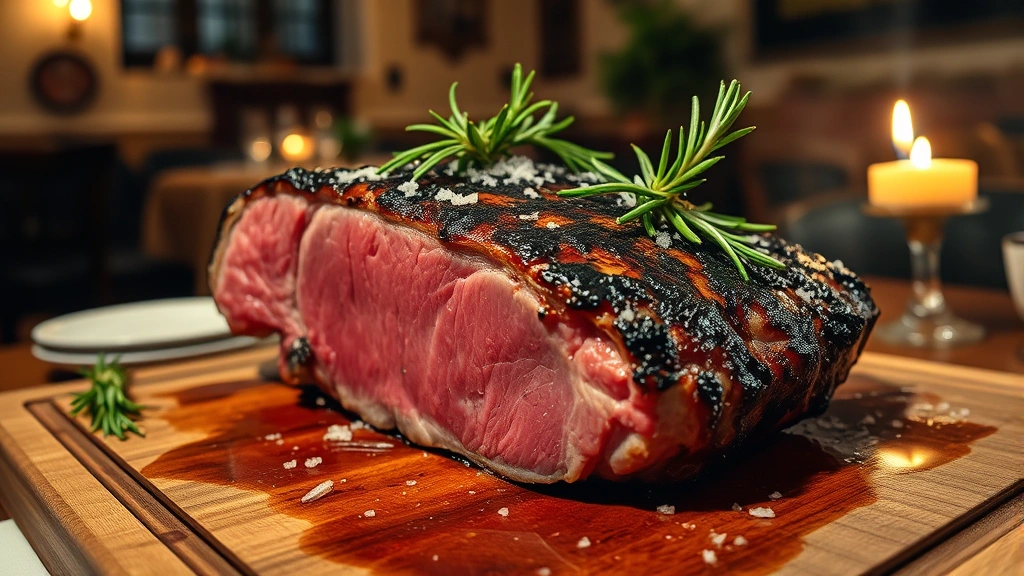
Trattoria da Sergio represents the quintessential Florentine experience—a small, unpretentious space where the owner greets you like family and the kitchen produces bistecca alla fiorentina that achieves near-mythical status among locals. The meat, sourced from Chianina cattle raised in Tuscany, arrives at your table as a substantial slab, charred on the outside while maintaining a perfectly cool, barely blushing interior. When you slice through that crust, the texture provides satisfying resistance before yielding to the knife. The flavor profile—rich, beefy, with mineral undertones from the high-quality salt and subtle smoke from the wood fire—represents beef in its most honest, unadorned form.
Trattoria Cibréo, despite its modest appearance in a busy market area, has achieved legendary status through uncompromising dedication to quality. The ribollita here reaches levels of comfort that seem impossible in a simple peasant soup—the bread has softened to the perfect consistency, the cannellini beans have surrendered completely to the broth, and the olive oil finish provides richness and a peppery bite that awakens the palate. The pappa al pomodoro, another Florentine staple, demonstrates how five simple ingredients (bread, tomatoes, garlic, basil, olive oil) can create something transcendent when each component receives proper attention and respect.
Visiting these traditional establishments provides insight into why Tuscan cuisine maintains such prominence in the global culinary consciousness. The food philosophy emphasizes simplicity, seasonality, and ingredient quality—principles that seem revolutionary in our age of complexity yet remain profoundly satisfying to the palate and soul.
Modern Interpretations of Tuscan Flavors
Florence’s newer generation of chefs honors tradition while pushing boundaries, creating restaurants that occupy the fascinating space between reverence and innovation. These establishments respect Tuscan fundamentals while exploring how modern techniques and global influences can expand the palate’s possibilities.
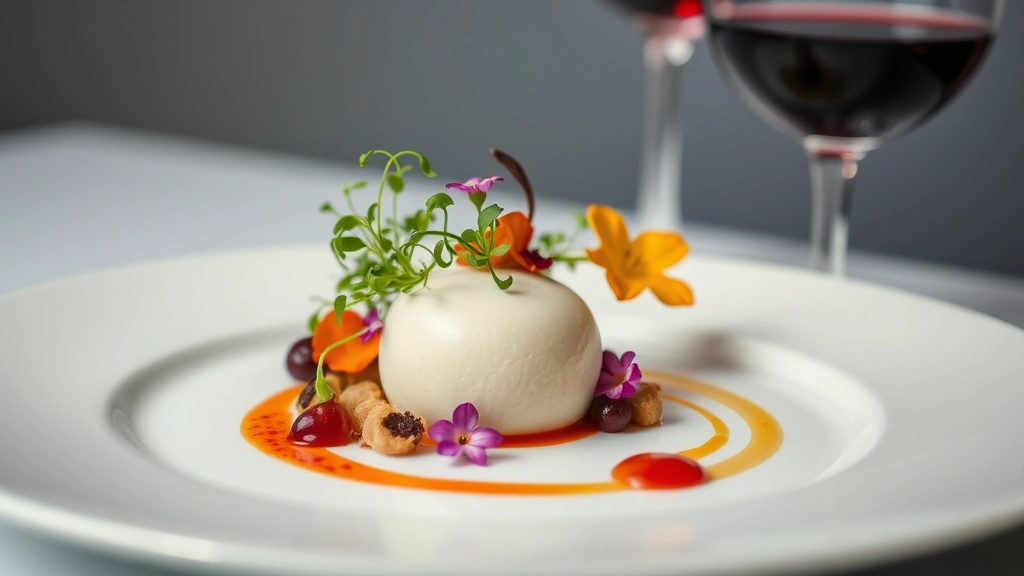
Gusta Osteria represents this philosophy beautifully, where chef Simone Cipriani takes familiar Florentine ingredients and preparations, then deconstructs and reimagines them through contemporary lenses. A dish of burrata arrives with Tuscan olive oil, but accompanied by unexpected elements—perhaps a reduction of local grapes or a garnish of herbs you wouldn’t traditionally encounter. The result challenges your expectations while remaining fundamentally true to the cuisine’s essence. The flavor combinations sometimes surprise, occasionally startle, but always provoke thought and discussion.
Kome, despite its Japanese name and aesthetic, demonstrates how cross-cultural culinary dialogue can enhance rather than diminish regional traditions. The chef sources Tuscan ingredients with obsessive care, then applies Japanese precision and philosophy to their preparation. The result is neither strictly Italian nor strictly Japanese, but rather a fascinating hybrid that reveals new dimensions in familiar flavors. A pasta course might incorporate umami-rich elements drawn from Japanese technique while maintaining the textural and flavor integrity of traditional preparations.
These modern interpretations attract diners seeking Golden Dragon Restaurant levels of precision and creativity, but applied to the cuisine they know and love. The palate experiences both comfort and challenge, tradition and innovation dancing together on the plate.
Specialty and Niche Dining Experiences
Florence accommodates diverse palates and dietary preferences without sacrificing quality or authenticity. Whether you seek vegetarian restaurants or specialized culinary experiences, the city offers surprising depth.
Ruth’s, Florence’s most celebrated vegetarian establishment, proves that plant-based cuisine can achieve the same complexity, satisfaction, and palate engagement as meat-focused preparations. The chef works with seasonal vegetables, grains, and legumes with the same precision and creativity that meat-focused chefs apply to their proteins. A simple preparation of roasted vegetables becomes extraordinary through perfect timing, intelligent seasoning, and the addition of thoughtfully chosen supporting elements. The umami-rich mushroom preparations satisfy on the same profound level as traditional meat dishes, providing the sense of nourishment and completeness that elevates dining from mere consumption to genuine sustenance.
For seafood enthusiasts, exploring simple seafood recipes for every home cook provides inspiration, but experiencing Florence’s seafood restaurants offers something different entirely. Acqua al 2 specializes in fresh fish preparations that honor the ingredient’s delicate nature. The branzino arrives simply prepared, perhaps with nothing more than lemon, olive oil, and herbs, yet the flesh maintains perfect moisture and the flavor carries subtle sweetness that speaks to the fish’s quality and freshness. Cooking seafood requires restraint—the chef’s role becomes protecting the ingredient rather than transforming it.
Hidden Neighborhood Treasures
Some of Florence’s most memorable dining experiences occur in unpretentious neighborhood restaurants where you’ll encounter few other tourists and considerably more locals. These establishments maintain lower profiles while delivering exceptional value and genuine hospitality.
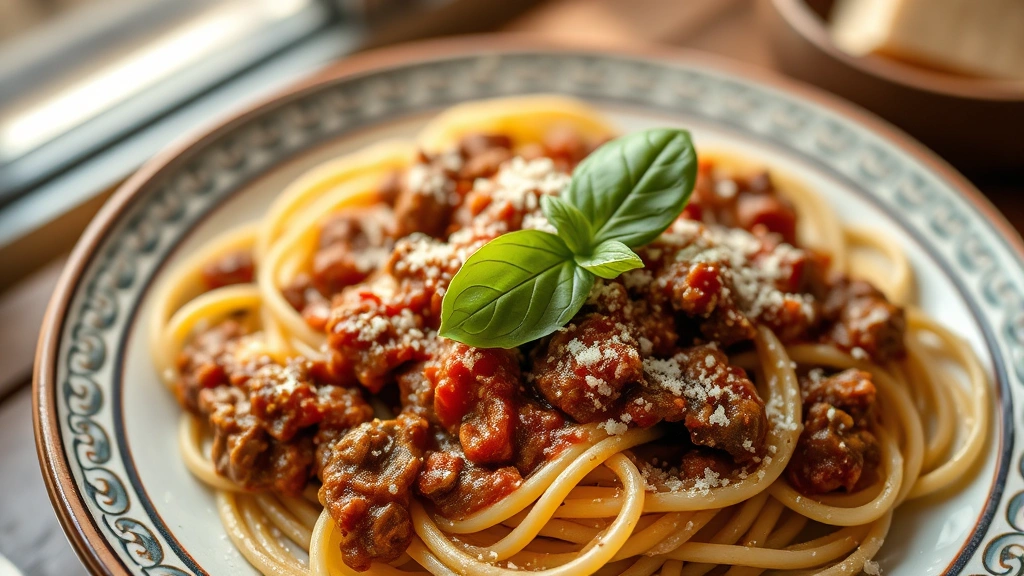
In the Oltrarno district, Trattoria Sabatino serves as a gathering place for neighborhood residents, families celebrating occasions, and increasingly, food enthusiasts who’ve discovered its reliable excellence. The kitchen produces consistent, unpretentious food that satisfies completely. The pasta preparations arrive with sauces that have simmered for hours, developing deep, concentrated flavors. The slow-braised meats achieve a texture so tender they practically dissolve on your tongue, the connective tissues having converted to gelatin that provides richness and body to the surrounding sauce.
Cantinetta dei Verrazzano, located near the Duomo but somehow remaining relatively undiscovered by mass tourism, offers casual dining with remarkable quality. The Verrazzano family’s wine estate supplies wines that pair perfectly with the prepared foods. The bread selection—made fresh daily—demonstrates how seriously this kitchen takes even the simplest elements. Each variety possesses distinct character: some crusty and open-crumbed, others denser and more substantial, each suited to different dishes and preparations.
These neighborhood establishments remind you why Florentines maintain such passionate relationships with their local restaurants. Consistency, reliability, genuine care for the customer’s experience, and commitment to quality regardless of whether diners are tourists or regulars—these values permeate the best neighborhood dining.
Seasonal Dining and Market-Driven Menus
The finest Peking Chinese Restaurant style establishments understand the principle that Florence’s best restaurants embrace: seasonal dining delivers superior flavor and supports sustainable agricultural practices. Rather than fighting against seasons, the best chefs celebrate them, building menus around what the market offers at its peak.
Spring in Florence brings asparagus, artichokes, and fresh herbs that transform simple preparations into celebrations of the season’s arrival. The palate experiences brightness and delicacy that winter’s heavier, stored-vegetable preparations cannot match. Summer introduces tomatoes that actually taste like tomatoes, peaches with genuine flavor complexity, and zucchini that hasn’t been watered into blandness. Autumn brings mushrooms, game, and grapes that demand richer preparations and fuller-bodied wines. Winter offers the opportunity for slow braises, preserved preparations, and comfort foods that warm from the inside.
Restaurants that build their menus seasonally typically offer greater value than their year-round counterparts, as they purchase ingredients at peak season when prices are lower and quality is highest. Your palate also benefits from this approach—the flavors taste more intense, the textures more appropriate, and the overall eating experience more satisfying because everything aligns with natural cycles.
When planning a Florence visit, consider dining at the same restaurant during different seasons to experience how the menu evolves and how the kitchen adapts its approach to seasonal availability. This practice deepens your understanding of both the cuisine and the philosophy underlying it.
FAQ
What makes Florentine cuisine distinct from other Italian regional cuisines?
Florentine cuisine emphasizes simplicity, quality ingredients, and traditional preparation methods. The region’s access to excellent Tuscan olive oil, beef from Chianina cattle, fresh produce, and wines creates a distinct flavor profile. Dishes often feature minimal ingredients, allowing each element to shine—this philosophy differs from regions that layer more flavors and techniques.
Should I make reservations at Florence restaurants in advance?
Yes, absolutely. The best restaurants fill weeks or months ahead, particularly during tourist season (April-October). Even neighborhood trattorias benefit from advance notice, as they can prepare properly and ensure table availability. Booking services like TheFork offer convenient reservation options with sometimes significant discounts.
What is the typical dining schedule in Florence?
Lunch typically runs from 12:30 to 2:30 PM, while dinner service begins around 7:30 PM and extends until 10:30 or 11:00 PM. Many restaurants close between services. Arriving too early or too late outside these windows may result in limited service or closure.
How should I approach wine selection at Florentine restaurants?
Tuscan wines, particularly Brunello di Montalcino, Vino Nobile di Montepulciano, and Chianti Classico, pair beautifully with regional cuisine. Don’t hesitate to ask servers for recommendations—knowledgeable staff at quality restaurants genuinely want to enhance your meal. House wines often represent excellent value and pair well with traditional preparations.
Are there dress codes at Florence restaurants?
Michelin-starred establishments and fine dining venues typically expect smart casual or formal attire. Neighborhood trattorias maintain more relaxed standards. When in doubt, err toward dressing up slightly—Florentines generally maintain higher grooming standards than many other cities.
What should I expect regarding portion sizes?
Italian meals typically feature smaller portions than American or northern European standards, but multiple courses mean the total meal remains substantial. The progression from lighter to heavier courses aids digestion and extends the dining experience. Pace yourself and enjoy the rhythm of the meal rather than rushing.
How do I find restaurants beyond the major guidebooks?
Walking through neighborhoods, observing where locals dine, and asking hotel staff or local friends for recommendations often yields better results than guidebooks. The best restaurants often maintain lower profiles and rely on word-of-mouth rather than marketing. Don’t hesitate to venture into less touristy areas—that’s where genuine food culture thrives.