Top French Quarter Eateries: Local Foodie’s Picks
The French Quarter of New Orleans stands as America’s most enchanting culinary destination, where centuries-old Creole traditions collide with contemporary gastronomic innovation. Walking through these historic streets, you’ll encounter aromas of saffron, cayenne, and smoldering char that transport your palate directly into the soul of Louisiana’s most iconic neighborhood. Whether you’re seeking refined Creole cuisine at a candlelit table or casual po’boy sandwiches dripping with remoulade, the French Quarter delivers unforgettable sensory experiences that define Southern hospitality and bold flavor profiles.
As a dedicated food explorer who has spent countless hours sampling the neighborhood’s most celebrated establishments, I’ve curated this comprehensive guide to help you navigate the culinary landscape with confidence. These aren’t just restaurants—they’re institutions where master chefs honor ancestral recipes while pushing boundaries with modern techniques. From intimate neighborhood joints beloved by locals to prestigious establishments that have earned international acclaim, each venue offers a distinct window into the gastronomic heritage that makes this quarter legendary among food enthusiasts worldwide.
Heritage Classics: Preserving Culinary Tradition
The French Quarter’s most venerable establishments represent living museums of Creole gastronomy, where recipes have been perfected across generations. These restaurants aren’t merely serving food—they’re preserving cultural narratives through carefully balanced flavor compounds, time-honored cooking methods, and an unwavering commitment to ingredient integrity. The complexity you’ll experience in these kitchens reflects decades of accumulated knowledge, passed down through family lines and professional apprenticeships.
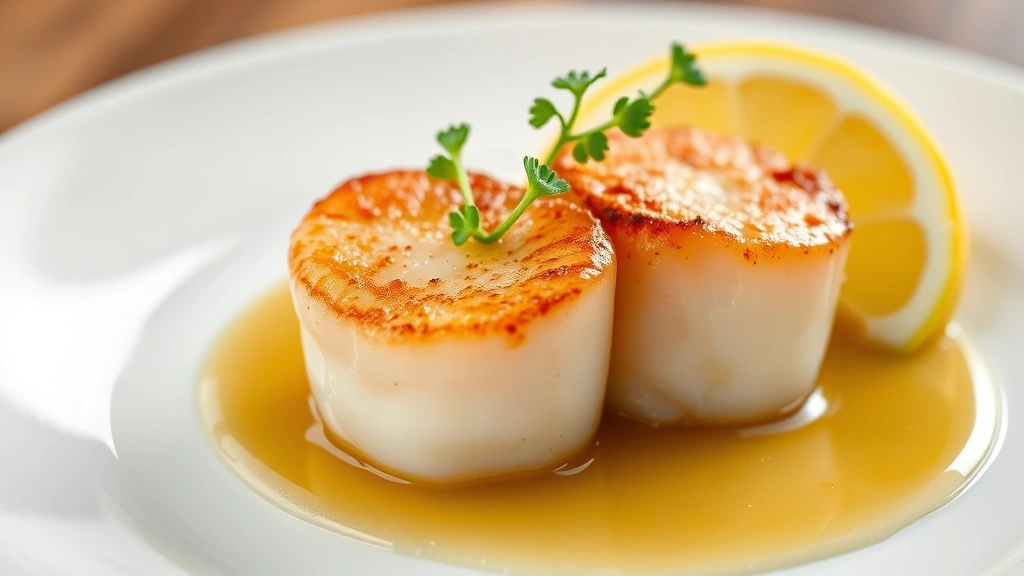
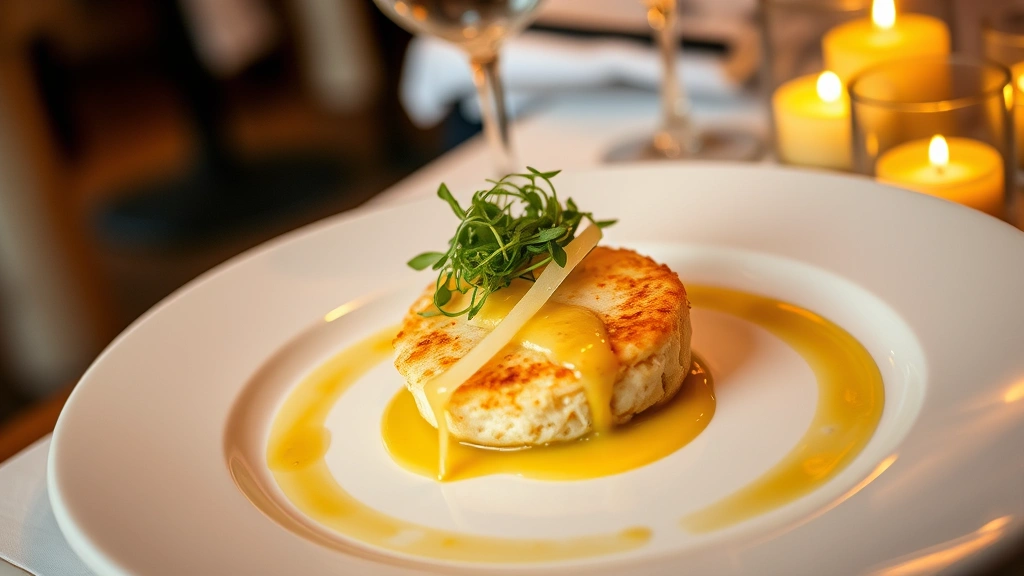
Galatoire’s stands as perhaps the most iconic French Quarter restaurant, a bastion of refined Creole elegance that has occupied the same location since 1905. The moment you enter, you’re enveloped in old-world sophistication—soft candlelight dancing across white tablecloths, the gentle clink of silver against fine china, and the aromatic embrace of classical Creole preparations. Their crabmeat Maison features succulent Louisiana blue crab folded into a delicate sauce that balances richness with bright acidity. The Coquilles St. Jacques showcases impeccably sourced scallops kissed with brown butter and topped with a golden breadcrumb crust that shatters between your teeth. Every dish here demonstrates masterful sauce work—whether the silky béarnaise accompanying their signature filet or the complex pan sauce clinging to perfectly seared fish.
Commander’s Palace, located just beyond the Quarter’s boundaries but spiritually central to its culinary identity, deserves mention for its role in elevating Creole cuisine to fine dining heights. Their Turtle Soup represents the pinnacle of labor-intensive gastronomy, with a rich, deeply savory broth that builds complexity with each spoonful. The Crawfish Étouffée arrives in a cast-iron skillet, the shellfish tender and sweet, swimming in a sauce that achieves perfect balance between the holy trinity of onions, celery, and bell peppers, enriched with shellfish stock and finished with fresh herbs that brighten the palate.
Brennan’s, another legendary establishment, specializes in theatrical dining experiences where dishes are prepared tableside with showmanship and precision. Their Bananas Foster remains the gold standard for flambéed desserts—butter and brown sugar caramelizing in a copper pan, rum igniting into blue flames, while vanilla ice cream melts into the warm sauce creating a contrast of temperatures and textures that delights all senses. The breakfast menu here is exceptional, featuring Eggs Hussarde—poached eggs atop Canadian bacon and English muffins, crowned with rich Hollandaise sauce that coats your mouth with velvety richness.
Contemporary Innovators: Modern Creole Evolution
While heritage is paramount in the French Quarter, several restaurants brilliantly synthesize traditional flavor foundations with contemporary techniques, creating exciting new expressions of Louisiana cuisine. These establishments respect ancestral recipes while embracing modern approaches to ingredient sourcing, preparation methods, and plating aesthetics.
Chez Michou represents a new generation of French Quarter fine dining, where Chef Michou Aucoin presents inventive Creole cuisine in an intimate setting that encourages culinary exploration. Dishes here showcase unexpected flavor combinations—perhaps traditional ingredients prepared with sous-vide precision, or classical sauces reimagined with modern emulsification techniques. The sensory experience emphasizes balance and refinement, with each component of a dish earning its place through contribution to the overall flavor narrative.
Restaurant August, though technically in the Warehouse District, has become essential for understanding contemporary New Orleans cuisine. Chef John Besh’s approach respects the region’s culinary heritage while incorporating global influences and seasonal flexibility. The menu changes frequently based on ingredient availability, ensuring maximum freshness and optimal flavor development. When Gulf fish appears on the menu, it’s prepared with minimal intervention—perhaps simply grilled with citrus and herbs to let the protein’s delicate sweetness shine. Vegetables receive equal attention, with preparations that highlight their intrinsic flavors rather than masking them beneath heavy sauces.
Brennan’s sister restaurant, Mr. B’s Bistro, sits within the Quarter itself and offers a more relaxed interpretation of upscale Creole cuisine. Their Barbecued Shrimp—a misnomer suggesting the shrimp are actually sautéed in a peppery butter sauce—demonstrates how traditional dishes evolve through execution. The shrimp arrive butter-poached, tender and succulent, surrounded by a sauce that combines garlic, Worcestershire, hot sauce, and fresh herbs into a complex, addictive reduction. The accompanying bread is essential for soaking up every precious drop.
Casual Treasures: Authentic Street Food
The French Quarter’s casual dining scene offers some of its most memorable culinary moments. These establishments, many operating from modest storefronts or hole-in-the-wall locations, serve food that prioritizes flavor intensity and authentic preparation over pretense.
Po’boy sandwiches represent the soul of New Orleans street food, and several French Quarter locations perfect this Louisiana staple. The sandwich’s success depends entirely on execution—the bread must be fresh enough to support fillings without disintegrating, yet sturdy enough to contain the inevitable juices and sauces. Fried oyster po’boys feature Gulf oysters that have been breaded and fried until the exterior achieves a golden-brown crispness that shatters when you bite through to the tender, briny interior. The remoulade sauce—a Creole variation on French mayonnaise enhanced with pickle relish, mustard, and spices—adds tangy richness that complements the oysters’ mineral sweetness. Roast beef po’boys showcase thinly sliced beef that’s been slow-cooked until tender, piled high and dressed with gravy that soaks into the bread’s interior while the exterior maintains structural integrity.
Beignets from Café Du Monde represent the Quarter’s most iconic casual food experience. These fried dough pillows arrive in orders of three, dusted so heavily with powdered sugar that consuming them becomes a joyfully messy endeavor. The dough itself is light and airy, fried until the exterior achieves a delicate crispness that contrasts beautifully with the tender interior. Paired with chicory coffee—a local tradition that combines dark roast coffee with roasted chicory root for subtle earthiness and reduced caffeine content—beignets create a sensory experience that captures the Quarter’s casual elegance perfectly.
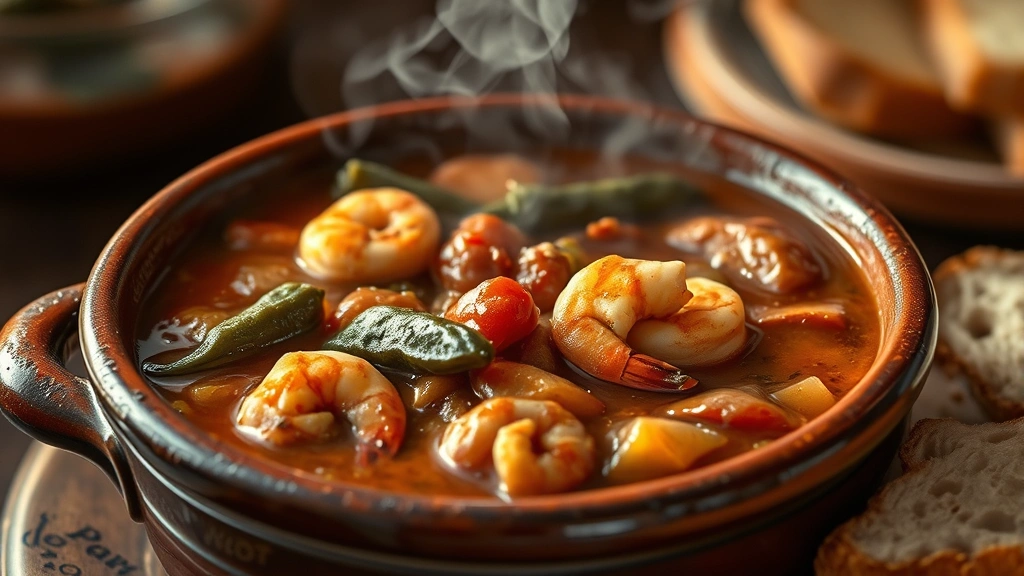
Gumbo represents another French Quarter essential, a dish that showcases the region’s multicultural heritage through layered flavors and complex technique. The roux base—flour cooked in fat until it reaches deep brown color—requires constant attention and precise timing to achieve the desired flavor development without burning. Once the holy trinity is added, the aromatics release their compounds, creating a fragrant base. Stock infuses the mixture with body and depth, while proteins (whether seafood, sausage, or game) contribute their own flavor dimensions. File powder, ground from sassafras leaves, adds herbaceous notes and helps thicken the final product. Each spoonful of properly executed gumbo is a lesson in how patience and technique create complexity.
Immersive Dining Experiences
The French Quarter offers dining venues that transcend mere food consumption, instead creating multisensory experiences that engage your entire being. These establishments combine exceptional cuisine with atmosphere, service, and ambiance that transport you through time and culture.
Muriel’s Jackson Square provides the Quarter’s most romantically atmospheric dining setting, with tables positioned to overlook the iconic square while candlelight flickers across historic walls. The menu features contemporary Creole cuisine executed with precision, but the true magic emerges from the combination of food, setting, and service. Dining here during twilight hours, watching the cathedral’s spires darken against a purple sky while savoring perfectly prepared Gulf fish, creates memories that transcend the individual components.
Preservation Hall Foundation’s associated dining venues celebrate New Orleans’ musical heritage alongside its culinary traditions. Some restaurants feature live jazz performances while you dine—the spontaneous improvisations of talented musicians creating a dynamic soundscape that enhances the sensory experience of eating. The combination of bold Creole flavors, cultural history, and live music creates an immersive experience that captures the Quarter’s essence.
If you’re interested in exploring dining options beyond the French Quarter, you might enjoy discovering best restaurants in palm springs or exploring family friendly restaurants near me for different culinary experiences. For those traveling with pets, dog friendly restaurants near me options provide inclusive dining experiences.
Many French Quarter establishments offer gluten free restaurants options, with chefs accommodating dietary restrictions while maintaining flavor integrity. Additionally, if you’re interested in exploring different cuisines, the city offers excellent Indian restaurants that provide contrasting flavor profiles to traditional Creole preparations.
Practical Guide for Visitors
Navigating the French Quarter’s restaurant scene requires understanding local customs, seasonal considerations, and reservation protocols. The neighborhood operates on its own temporal rhythm, with many establishments maintaining traditional hours that may differ from standard restaurant schedules.
Reservations prove essential for heritage classics and fine dining establishments, particularly during peak seasons (March through May, October through November). Many prestigious venues maintain dress codes—business casual at minimum, with jacket requirements for the most formal establishments. Call ahead to confirm specific expectations, as New Orleans maintains certain traditions regarding dining formality.
Timing your visits strategically enhances your experience. Breakfast and brunch in the French Quarter offer exceptional value and access to signature preparations you won’t find at dinner. The morning light filtering through historic windows creates an entirely different atmosphere than evening’s candlelit romance. Lunch provides an excellent opportunity to sample restaurant cuisine at lower price points, with many establishments offering prix fixe menus or casual lunch service.
Seasonal ingredients dramatically influence menu offerings. Spring brings soft-shell crabs and fresh vegetables that brighten traditional preparations. Summer emphasizes seafood at peak freshness, with Gulf fish and shrimp reaching optimal flavor development. Fall introduces game preparations and richer sauces as temperatures cool. Winter showcases oysters in their prime season, with briny mineral character at its most pronounced.
For more restaurant recommendations and dining guides, explore the Flavor Adventurer Blog for comprehensive coverage of culinary destinations and dining experiences.
FAQ
What’s the dress code for French Quarter fine dining restaurants?
Most heritage establishments like Galatoire’s and Commander’s Palace require business casual at minimum, with many preferring jacket and tie. Contemporary restaurants offer more flexibility, though neat appearance remains essential. Always call ahead to confirm specific requirements.
Should I make reservations in advance?
Absolutely. Prestigious French Quarter restaurants book weeks in advance during peak seasons. Even casual establishments benefit from reservations during busy periods. Walk-ins may experience significant waits, particularly at lunch and dinner service.
What’s the best time to visit for optimal ingredient quality?
Fall and winter offer peak oyster season and game preparations, while spring and early summer feature fresh vegetables and soft-shell crabs. However, year-round dining in the French Quarter provides exceptional experiences regardless of season.
Are there vegetarian-friendly options at French Quarter restaurants?
While Creole cuisine traditionally emphasizes seafood and meat, most establishments accommodate vegetarian preferences with advance notice. Request vegetable-focused preparations that highlight the chef’s skill with seasonal produce.
What external resources can deepen my understanding of French Quarter cuisine?
The Culinary Institute of America offers extensive resources on classical French and Creole cooking techniques. The International Association of Culinary Professionals provides chef directories and culinary research. Serious Eats offers detailed food science explanations of traditional New Orleans preparations. The City of New Orleans tourism board maintains updated restaurant listings and seasonal event information. Additionally, The American Culinary Federation recognizes and certifies professional chefs operating throughout the region.
How do I navigate the French Quarter’s restaurant scene as a first-time visitor?
Start with heritage classics to understand foundational Creole flavors, then explore contemporary venues to see how chefs evolve traditions. Sample casual street food to experience authentic neighborhood dining. Allow flexibility in your itinerary to follow recommendations from locals, who often know hidden gems not featured in guidebooks.