Top Gluten-Free Restaurants? Dietitian Approved Guide to Dining with Confidence
Finding exceptional gluten-free restaurants has transformed from a challenge into an opportunity to discover culinary excellence. Whether you’re managing celiac disease, non-celiac gluten sensitivity, or simply choosing a gluten-free lifestyle, the dining landscape has expanded dramatically. Today’s most innovative chefs understand that gluten-free dining isn’t about compromise—it’s about precision, creativity, and honoring the integrity of each ingredient on the plate.
This comprehensive guide explores restaurants that have earned dietitian approval through rigorous kitchen protocols, transparent sourcing, and an unwavering commitment to cross-contamination prevention. We’ll examine what separates truly gluten-free establishments from those merely offering token menu items, and how to identify restaurants where your safety and satisfaction are paramount. The sensory experience of exceptional gluten-free cuisine proves that dietary restrictions can lead to some of the most memorable meals of your life.
What Makes a Restaurant Truly Gluten-Free
The distinction between a restaurant that offers gluten-free options and one that prioritizes gluten-free safety defines your dining experience. Truly gluten-free restaurants implement systematic protocols that go far beyond simply removing bread from a plate. They understand that cross-contamination—the transfer of gluten particles through shared cutting boards, fryers, or utensils—can trigger severe reactions in sensitive individuals.
Dietitian-approved establishments maintain dedicated preparation areas, separate cooking equipment, and staff trained in gluten-free protocols. They source certified gluten-free ingredients, maintain detailed supplier documentation, and can trace every component of your meal. The best restaurants view gluten-free dining not as an accommodation but as their core culinary philosophy.
The sensory experience at these establishments reflects their dedication. When you taste a gluten-free pasta that delivers al dente texture, nutty depth, and silky sauce coating—rather than the gummy, bland versions found elsewhere—you’re experiencing the result of careful sourcing and technique. Similarly, gluten-free baked goods that possess genuine butteriness, tender crumb structure, and complex flavor indicate investment in premium flour blends and proper hydration ratios.
Communication transparency distinguishes exceptional restaurants from mediocre ones. Establishments that clearly identify which menu items are gluten-free, explain their preparation methods, and encourage questions demonstrate confidence in their protocols. They provide allergen menus, train servers extensively, and empower kitchen staff to prioritize your safety over speed.
Dedicated Gluten-Free Establishments Worth Visiting
Several restaurants have built their entire identity around gluten-free excellence, creating dining destinations where every element—from amuse-bouche to dessert—celebrates the possibilities of grain-free and alternative-grain cuisine. These establishments attract food enthusiasts regardless of dietary status, proving that restriction breeds innovation.
The Naturally Gluten-Free Movement has spawned restaurants that focus on whole foods, naturally gluten-free ingredients like quinoa, legumes, and heritage grains. These establishments often emphasize nutrient density alongside flavor complexity. A dish featuring roasted cauliflower with tahini, pomegranate molasses, and crispy chickpeas delivers textural contrast, bright acidity, and umami depth—satisfying on every palate level.
Dedicated gluten-free bakeries within restaurants offer particular advantages. They maintain separate facilities, use dedicated equipment, and can focus entirely on perfecting gluten-free formulations. The best produce croissants with shattered, laminated layers; sourdough with genuine fermentation tang and open crumb; and pastries that rival their wheat-containing counterparts. These bakeries often experiment with alternative flours like einkorn, spelt (for non-celiac patrons), and modern gluten-free blends that incorporate psyllium husk for structure.
When evaluating dedicated establishments, examine their ingredient sourcing philosophy. Do they work with specialty mills producing certified gluten-free flours? Do they maintain relationships with local farmers growing alternative grains? These details correlate directly with flavor quality and nutritional value. A restaurant using mass-produced gluten-free flour blends typically produces mediocre results, while those investing in quality ingredients create memorable experiences.
Mainstream Restaurants with Exceptional GF Programs
Major restaurant groups have recognized the market demand and consumer expectation for serious gluten-free options. The most successful mainstream establishments dedicate resources to gluten-free training, create separate preparation zones, and develop menus showcasing naturally gluten-free dishes rather than awkward substitutions.
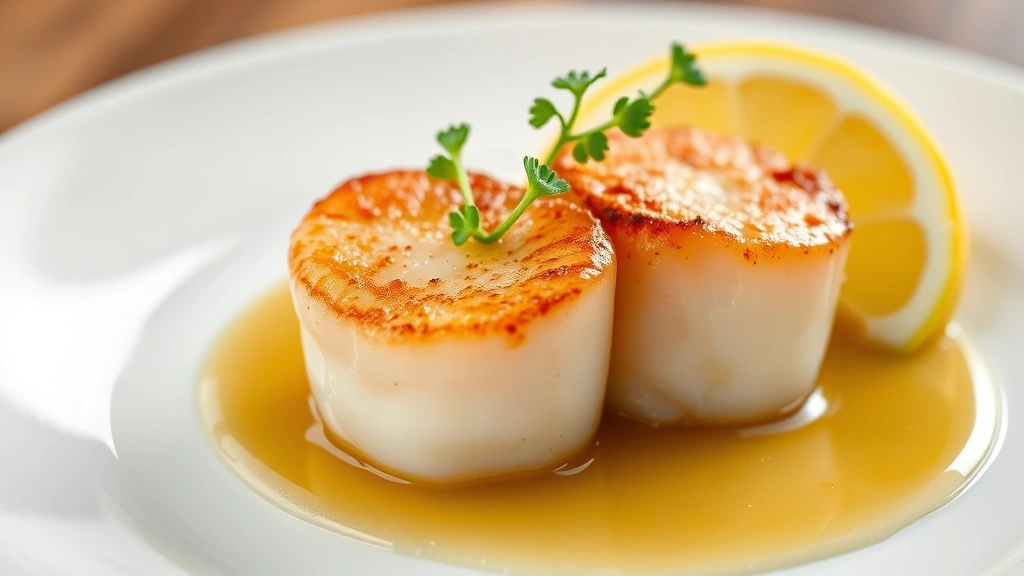
Fine dining establishments increasingly feature gluten-free tasting menus prepared with the same precision and creativity as their standard offerings. These multi-course experiences might feature dishes like naturally gluten-free risotto with brown butter and sage, perfectly seared fish with cauliflower purée, and composed desserts using almond flour, coconut, and alternative starches. The key distinction is that these menus weren’t hastily assembled—they represent thoughtful culinary planning where each course builds flavor profiles and textural variety.
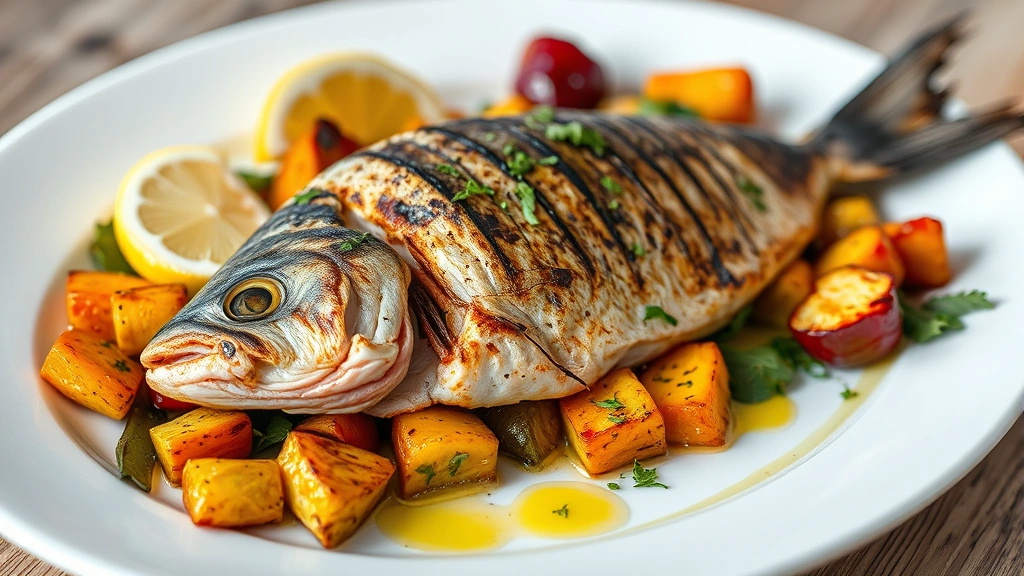
Mediterranean and seafood-focused restaurants often excel with gluten-free dining because their foundational cuisine naturally emphasizes vegetables, proteins, and olive oil rather than grain-based sides. A restaurant serving grilled Mediterranean branzino with roasted fennel, heirloom tomatoes, and salsa verde requires minimal modification to ensure gluten-free safety. The natural simplicity of the dish—where each ingredient shines individually—becomes its strength.
When investigating mainstream restaurants, request their allergen information before dining. Exceptional establishments provide detailed documentation showing which items are naturally gluten-free, which are prepared gluten-free with modifications, and which cannot be safely prepared gluten-free. They’ll explain their fryer protocols (dedicated oil or shared?), sauce preparation methods, and cross-contamination prevention strategies. This transparency indicates institutional commitment rather than casual accommodation.
Consider also the restaurant’s willingness to modify dishes. Top establishments won’t simply remove an ingredient; they’ll suggest substitutions that maintain the dish’s intended flavor balance. Instead of serving fish without sauce because the original contains wheat flour, they’ll prepare a corn starch-thickened version or offer a naturally gluten-free alternative that complements the protein equally well.
International Cuisine Excellence
Certain cuisines naturally align with gluten-free dining, offering restaurants where you’ll find extensive safely-prepared options. Understanding these culinary traditions helps you identify dining destinations most likely to accommodate your needs with enthusiasm rather than hesitation.
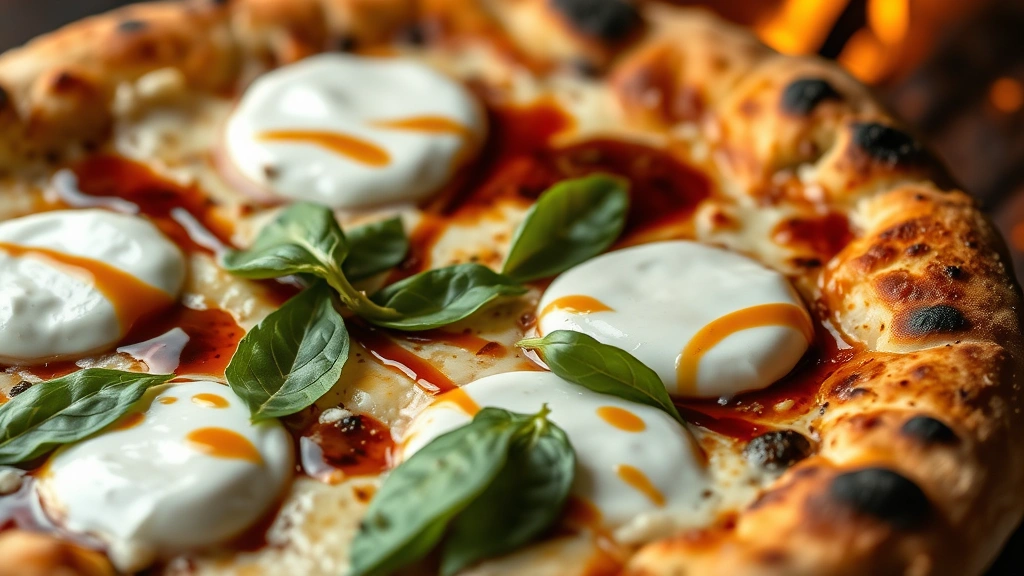
Italian Gluten-Free Innovation represents a fascinating evolution. Italy’s celiac population has driven remarkable development in gluten-free pasta production. Brands like Barilla and Tinkyada produce dried pastas with remarkable texture—achieving proper al dente consistency without the graininess that plagued earlier versions. Forward-thinking Italian restaurants now feature gluten-free pasta dishes prepared with the same attention to sauce composition and cooking technique as their wheat counterparts. You might encounter pappardelle-style gluten-free pasta with wild boar ragù, where the broad noodles capture the rich sauce’s savory depth, or delicate angel-hair alternatives in light seafood preparations.
Mexican cuisine naturally accommodates gluten-free diners through corn-based foundations. Authentic establishments serving fresh corn tortillas, mole negro made from traditional chile and spice blends, and naturally gluten-free beans and rice preparations offer genuine culinary experiences. The complexity in proper mole—requiring hours of toasting, grinding, and layering flavors—demonstrates the sophistication possible within naturally gluten-free frameworks. Look for restaurants sourcing heirloom corn varieties and preparing their own tortillas daily.
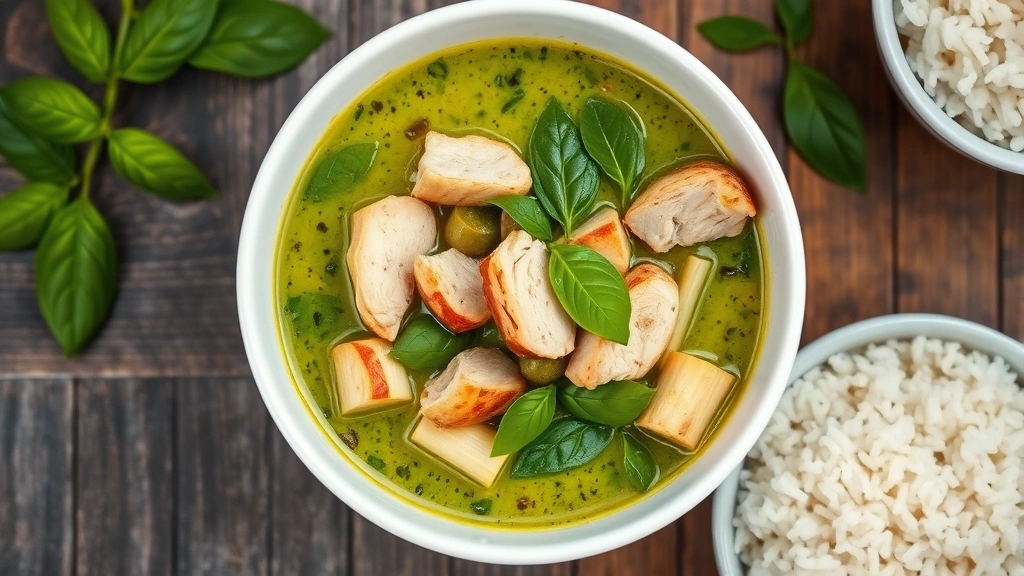
Asian cuisines present both opportunities and challenges. Thai restaurants often excel because many traditional dishes rely on fish sauce, coconut milk, and vegetable-based curries rather than wheat. A proper Thai green curry—made from fresh green chilies, galangal, lemongrass, and coconut—requires no gluten thickening. The natural emulsification from coconut fat creates silky texture while aromatics provide complexity. However, soy sauce (typically wheat-containing) appears in many preparations, so communication remains essential.
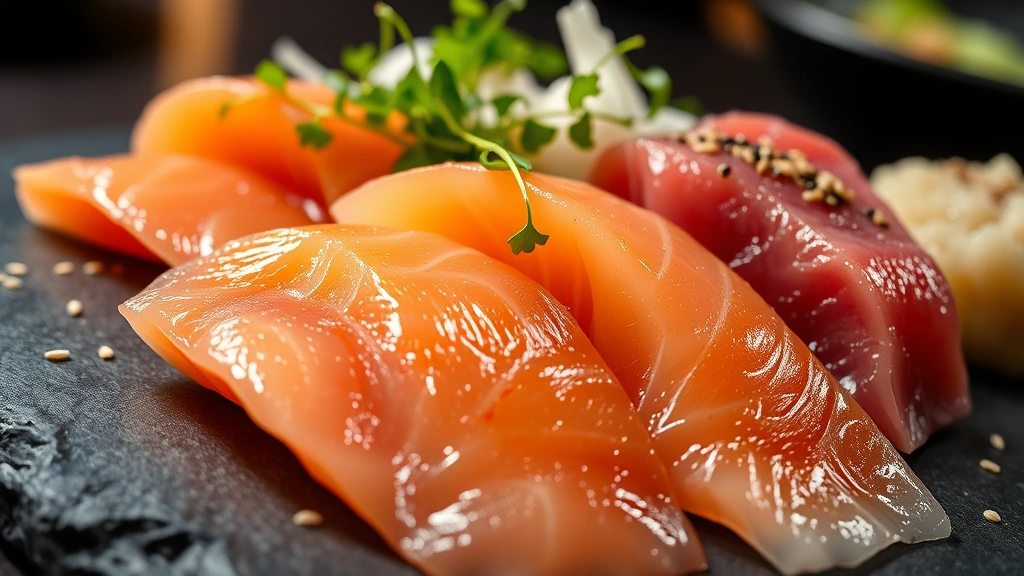
Japanese cuisine offers similar promise and caution. Establishments using tamari (gluten-free soy sauce) and maintaining separate sushi preparation areas can provide safe dining. The sensory experience of pristine sashimi—where you taste ocean minerality, subtle sweetness, and buttery texture—represents gluten-free dining at its finest. Properly prepared sushi rice, seasoned with rice vinegar and mirin, achieves delicate sweetness and slight tang that complements fish beautifully.
Indian restaurants frequently accommodate gluten-free diners because many traditional dishes center on lentil-based curries, rice preparations, and naturally gluten-free spice blends. A properly made dal—slow-cooked split peas or lentils with cumin, turmeric, and ginger—offers comfort, nutrition, and deep savory satisfaction. Tandoori preparations, where proteins are marinated in yogurt and spices then cooked in clay ovens, require no gluten modifications. The charred exterior and tender interior, with spice penetration throughout, exemplify technique-driven cooking accessible to gluten-free diners.
How to Evaluate Restaurant Safety Protocols
Before committing to dining at a new restaurant, conduct thorough evaluation of their gluten-free protocols. This due diligence protects your health while supporting establishments genuinely committed to your safety.
Documentation and Transparency serve as your first assessment tool. Request written allergen information showing which items are naturally gluten-free and which are prepared gluten-free. Exceptional restaurants provide detailed explanations of their preparation methods. Do they use dedicated fryers? Separate cutting boards? Do they prepare gluten-free items first, before handling wheat-containing foods? These details matter significantly.
Investigate their staff training programs. Do servers receive formal allergen training? Can they articulate their restaurant’s cross-contamination prevention strategies? When you ask a server detailed questions about sauce preparation or oil usage, their confident, specific answers indicate institutional knowledge rather than guesswork. Conversely, vague responses or server uncertainty suggests inadequate training.
Examine their ingredient sourcing. Do they work with manufacturers producing certified gluten-free products? Can they identify which sauces, dressings, and prepared items contain gluten? The best restaurants maintain relationships with suppliers providing detailed ingredient documentation. They understand that seemingly innocent items—like certain spice blends or broths—can contain hidden gluten.
Consider the restaurant’s celiac community reputation. Online reviews from gluten-free diners provide valuable insight. Look for patterns: do multiple reviewers report feeling ill after dining? Do others praise the staff’s knowledge and care? Active engagement with celiac organizations and gluten-free communities suggests genuine commitment. Some restaurants sponsor local celiac support groups or participate in educational events—clear indicators of their dedication.
Observe kitchen practices if possible. Some restaurants welcome diners into open kitchen areas where you can see dedicated preparation zones and equipment. Watching a chef prepare your meal with visible care and attention builds confidence. Notice whether they change gloves before handling your food, whether cross-contamination risks appear minimal, and whether the kitchen maintains general cleanliness standards.
Dining Tips from Registered Dietitians
Registered Dietitian Nutritionists (RDNs) who specialize in celiac disease and gluten sensitivity offer practical guidance for navigating restaurant dining safely and enjoyably. Their expertise bridges nutrition science with real-world dining experiences.
Communication Strategy forms the foundation of safe dining. Arrive early or call ahead to discuss your needs. Speak directly with managers or chefs rather than relying solely on server interpretation. Use clear language: “I have celiac disease and require strict gluten-free preparation” carries more weight than “I prefer gluten-free.” Explain that cross-contamination poses serious health risks, not mere preference. Many restaurants respond more attentively when they understand the medical necessity.
When reviewing menus, identify naturally gluten-free options first. Rather than requesting modifications to wheat-based dishes, choose items requiring minimal alteration. A grilled protein with roasted vegetables and olive oil represents a safer choice than a pasta dish modified to be gluten-free. This approach reduces preparation complexity and cross-contamination risk while often delivering superior flavor through ingredient quality.
Request detailed ingredient information for sauces, dressings, and prepared components. Ask about thickening agents—are gravies made with wheat flour or cornstarch? Do vinaigrettes contain any gluten-containing components? Are soups prepared with wheat-based broths? These questions reveal whether restaurant staff understands gluten’s hidden locations.
Discuss fryer protocols explicitly. If the restaurant uses shared fryers, ask what items are cooked in them. Some establishments maintain dedicated gluten-free fryers, while others segregate timing—cooking gluten-free items first before wheat-containing foods. Neither approach guarantees complete safety, but dedicated fryers provide greater assurance.
Consider timing your visit strategically. Dining during slower service periods allows kitchen staff more time and attention for your meal. A chef preparing your dish during a rush might cut corners or overlook cross-contamination risks, while the same chef during a quieter shift can execute with precision.
Bring your own items when appropriate. Some restaurants welcome diners bringing certified gluten-free bread or pasta, particularly at special occasions where you want to enjoy the restaurant’s other offerings. Call ahead to confirm their policy rather than assuming.
Work with your healthcare provider to establish a reliable way to identify problematic restaurants. If you experience symptoms after dining somewhere, note the establishment and items consumed. Share this information with your medical team, helping them identify patterns in your individual sensitivities.
Dietitians also recommend exploring easy healthy snack recipes you can prepare at home, ensuring nutritional consistency between restaurant meals. Additionally, learning about best sauce recipes for pasta helps you understand flavor composition, enabling better communication with restaurants about modifications. Understanding homemade pasta sauce fundamentals reveals how restaurants can create gluten-free versions maintaining complexity and depth. For those interested in vegetarian pasta recipes, many restaurants now feature innovative plant-based preparations using alternative grains and legumes. Exploring best homemade pasta recipes demonstrates the technical skill required for quality gluten-free pasta preparation.
Beyond restaurant dining, easy Asian dinner recipes offer home-preparation options for naturally gluten-free cuisine, allowing you to control ingredients and preparation methods completely.
Registered Dietitians emphasize that gluten-free dining success requires partnership between you and restaurant professionals. When you approach dining with clear communication, reasonable expectations, and appreciation for the care required, most establishments respond positively. Your advocacy for your own health, combined with restaurants’ commitment to safety, creates dining experiences that are both medically sound and genuinely delicious.
FAQ
How can I verify a restaurant is truly gluten-free safe?
Request detailed written allergen information, ask about staff training programs, inquire about cross-contamination prevention protocols, and research online reviews from gluten-free diners. The best restaurants provide transparent documentation and staff who can answer detailed questions confidently. Contact local celiac organizations for recommendations—they often maintain lists of vetted establishments.
What questions should I ask a server about gluten-free preparation?
Ask: Are sauces made with wheat flour? What oils are used in fryers and are they dedicated? How are gluten-free items prepared separately from wheat-containing foods? Can the chef prepare my meal without cross-contamination? Are all seasonings and prepared ingredients certified gluten-free? These questions reveal whether the restaurant understands gluten’s hidden sources.
Which cuisines are naturally most gluten-free friendly?
Mediterranean, seafood-focused, Mexican (corn-based), Thai, Japanese, and Indian cuisines often accommodate gluten-free diners well because their traditional preparations emphasize naturally gluten-free ingredients. However, individual restaurants within these cuisines vary significantly in their safety protocols, so verification remains essential.
Is it safe to eat gluten-free pasta at restaurants?
Quality gluten-free pasta from reputable manufacturers can be delicious and safe if prepared properly. However, ensure the restaurant cooks it in dedicated equipment or thoroughly clean water, and that sauces are prepared without cross-contamination. Many excellent restaurants now offer gluten-free pasta options that rival traditional versions in texture and flavor.
What should I do if I experience symptoms after dining?
Document the restaurant name, date, and items consumed. Contact your healthcare provider and share this information. If symptoms are severe, seek immediate medical attention. Reporting problematic experiences to local celiac organizations helps others make informed dining choices and encourages restaurants to improve protocols.
Can I bring my own food to restaurants?
Policies vary significantly. Some restaurants welcome diners bringing certified gluten-free items, while others prohibit outside food. Call ahead to confirm the restaurant’s policy. Many establishments are accommodating, particularly for special occasions or when you want to enjoy the restaurant’s other offerings alongside your own items.
How do I communicate my needs without offending the restaurant?
Approach with appreciation for their effort. Use language like: “I have celiac disease and truly appreciate your attention to cross-contamination prevention. Could we discuss how you prepare this dish?” Positive framing encourages cooperation. Most restaurants want to accommodate you safely; clear communication helps them do so effectively.