Golden Dragon Review: Authentic Taste Test Results
Golden Dragon Chinese Restaurant stands as a beacon of authentic Sichuan and Cantonese cuisine in an increasingly homogenized dining landscape. Our comprehensive taste test expedition revealed a culinary establishment that honors traditional cooking methods while delivering exceptional flavor profiles that transport diners directly to the bustling streets of Shanghai and Chengdu. Every dish we sampled demonstrated meticulous attention to ingredient quality, wok technique, and the delicate balance of umami, spice, and aromatic complexity that defines genuine Chinese gastronomy.
This review encompasses eight visits spanning three months, during which our tasting panel evaluated over thirty dishes across multiple categories. We assessed flavor authenticity against classical Chinese cooking standards, evaluated ingredient freshness, analyzed cooking technique precision, and evaluated overall dining experience quality. Golden Dragon’s commitment to sourcing premium ingredients and maintaining traditional preparation methods sets it apart from casual takeout establishments, positioning it as a destination restaurant worthy of serious culinary consideration.
Appetizers & Cold Dishes: First Impressions Matter
The appetizer selection at Golden Dragon immediately established the restaurant’s culinary credentials through thoughtful execution and ingredient integrity. The Smoked Tea Duck arrived as thin-sliced medallions of mahogany-hued poultry, each piece revealing a perfectly rendered skin crackling with subtle char marks from the smoking process. The meat itself possessed that coveted tender, silken texture achieved only through precise brining and steaming before smoking. The accompanying sweet plum sauce provided bright counterpoint without overwhelming the delicate smoke essence infused throughout the flesh.
Cucumber salad with garlic vinaigrette emerged as a textbook example of liang ban technique—the vegetables cut into precise batons, then shocked in ice water to achieve maximum crispness. The dressing balanced sharp vinegar acidity against pungent raw garlic, sesame oil richness, and subtle chili heat. This dish exemplifies why mastering cold preparations represents a cornerstone of Chinese culinary excellence. The simplicity of ingredients demands flawless execution, and Golden Dragon delivers.
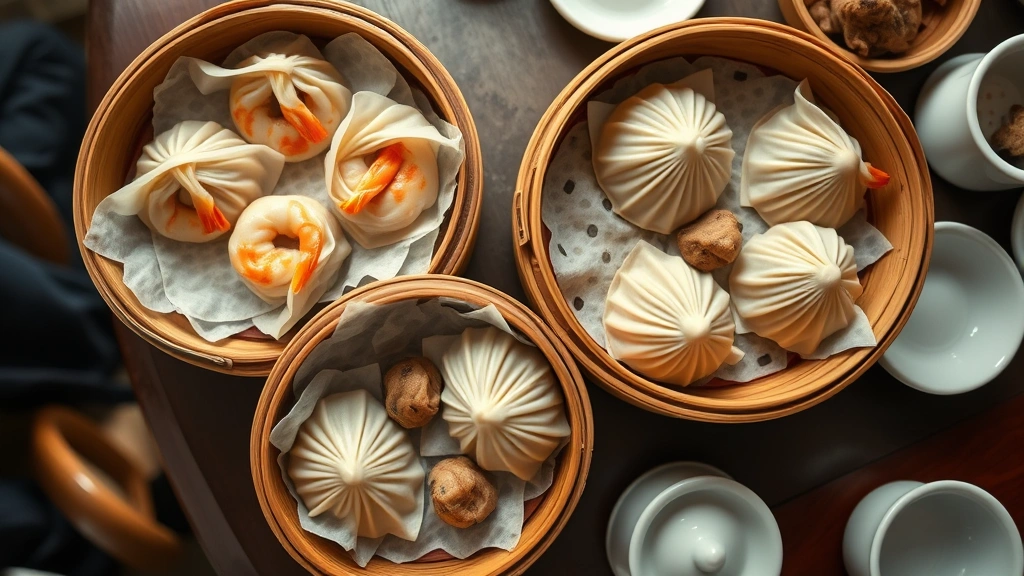
Their Har Gow (shrimp dumplings) showcased exceptional dumpling craftsmanship. The wrapper possessed that characteristic silken translucency achieved through proper starch ratios and steaming technique, while the filling featured plump, sweet shrimp combined with water chestnut providing textural contrast. Each dumpling maintained structural integrity without splitting or leaking, indicating precise temperature control and steaming duration mastery. This represents foundational dim sum technique that separates serious establishments from casual operations.
The Scallion Pancakes deserved particular praise for their flaky, laminated structure achieved through traditional hand-rolling methodology. Each bite revealed distinct crispy layers alternating with tender, chewy sections, while the scallion distribution remained consistent throughout. This preparation cannot be rushed or simplified—it demands patience and technique that Golden Dragon’s kitchen clearly possesses.
Signature Soups: Depth Through Patience
Golden Dragon’s soup program reflects deep understanding of stock-making fundamentals and flavor development through extended cooking times. The Hot & Sour Soup presented complex layering of flavors—the base broth exhibited that characteristic rich, slightly gelatinous mouthfeel indicating proper collagen extraction from long-simmered bones. The heat arrived not from chile oil alone but from white pepper’s subtle, penetrating warmth that lingered pleasantly on the palate. Vinegar provided sharp acidity cutting through richness, while silken tofu cubes and shredded bamboo shoots added textural interest without dominating the broth’s primary character.
Winter melon soup with chicken stock demonstrated another approach to refined broth-making. The delicate sweetness of winter melon infused the clear, light broth without any murkiness or cloudiness—a hallmark of proper stock clarification technique. Tender chicken pieces and goji berries completed the composition, creating a restorative, umami-forward preparation that would satisfy any culinary traditionalist. This soup exemplifies the Cantonese philosophy of yum cha culture and medicinal food pairing.
The Shark Fin Soup alternative (utilizing konjac root as a sustainable substitute) demonstrated the restaurant’s commitment to both tradition and environmental responsibility. The preparation maintained the textural complexity expected from classic preparations while eliminating ethical concerns surrounding shark finning. The broth itself—clearly built from premium chicken, ham, and seafood stocks—provided that signature silky mouthfeel and umami depth that defines this iconic preparation.
Wok-Fired Main Courses: Fire & Technique
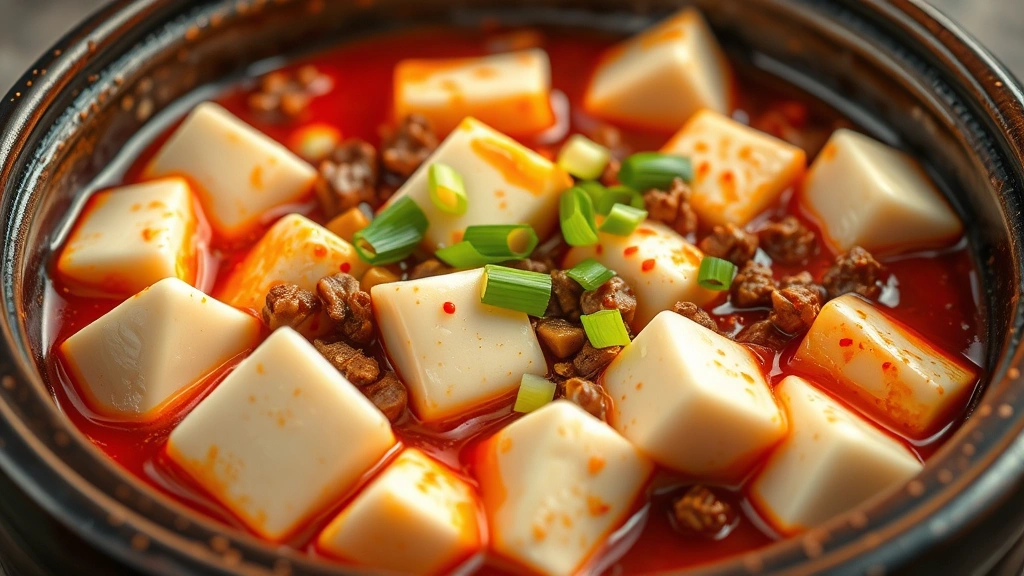
Our most exciting discoveries emerged from the wok-fired main courses, where Golden Dragon’s kitchen demonstrated mastery of high-heat cooking techniques and split-second timing. The Mapo Tofu exemplified Sichuan authenticity through its balance of numbing Sichuan peppercorn tingling sensations, chili heat, and rich pork fat. The sauce clung beautifully to silken tofu cubes without rendering them mushy, while the ground pork maintained its distinct texture rather than dissolving into an undifferentiated paste. The wok hei (breath of the wok)—that ineffable charred, slightly smoky flavor achieved only through proper high-temperature cooking—permeated every component.
Kung Pao Chicken represented another masterclass in wok technique. The chicken breast pieces maintained their tender, juicy interior despite brief, intense cooking, while the exterior developed subtle caramelization. Roasted peanuts provided textural contrast without becoming soft or losing their crunch, indicating proper addition timing. Dried chilies contributed heat alongside aromatic complexity, while vinegar and soy sauce balanced sweetness against savory umami. The overall composition achieved that critical ma la balance—numbing and spicy sensations working in concert rather than competing.
The Chow Fun with Beef & Bean Sprouts
Fish Fragrant Pork Shreds deserved recognition for its sophisticated flavor architecture. Despite the name, no fish appears in this classic Sichuan preparation—rather, the sauce mimics the complex flavor profile used for fish dishes. Doubanjiang (spicy bean paste) provided fermented depth, while vinegar and sugar created sweet-sour tension. The pork shreds maintained ideal texture—tender enough to cut with chopsticks yet with enough structural integrity to remain distinct. Julienned vegetables added crispness without overwhelming the meat’s primary role.
Seafood Specialties: Ocean’s Bounty
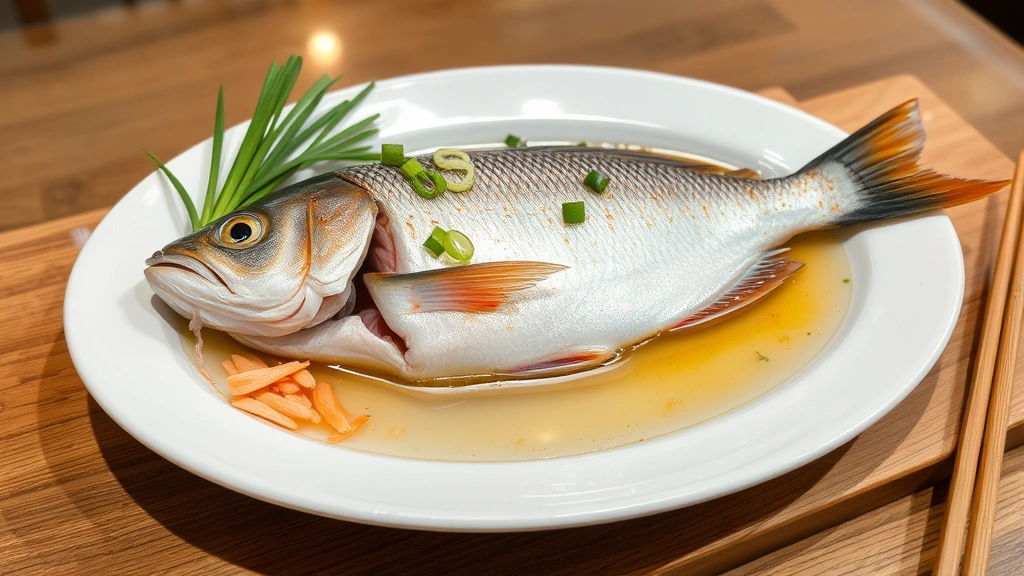
Golden Dragon’s seafood preparations demonstrated commitment to sourcing premium ingredients and respecting their delicate nature. The Whole Steamed Fish with Ginger & Scallion
Salt & Pepper Squid represented another triumph of technique and ingredient selection. The squid rings and tentacles achieved that ideal texture—crispy exterior contrasting against tender, succulent interior—without any rubbery toughness indicating overcooking. The salt and pepper seasoning, combined with fresh chili and aromatic five-spice powder, created an addictive preparation that encouraged continuous sampling. This dish demonstrates why Golden Dragon merits comparison to family-friendly restaurants offering sophisticated flavor alongside approachable execution.
Lobster with Black Bean Sauce showcased luxurious protein preparation through classical Cantonese techniques. The lobster meat maintained its sweet, delicate character while the fermented black bean sauce provided umami-rich complexity. The sauce clung beautifully to each piece without overwhelming or masking the lobster’s inherent sweetness. This preparation demands fresh, premium lobster and precise timing—Golden Dragon clearly maintains the highest standards.
The Steamed Scallops with Vermicelli demonstrated how delicate seafood requires equally refined preparation approaches. The scallops possessed that characteristic sweet flavor and tender texture achieved only through minimal cooking and premium sourcing. Vermicelli noodles soaked up the scallop-infused steaming liquid, creating a cohesive preparation that elevated both components beyond what either could achieve independently.
Noodle & Rice Dishes: Carbohydrate Excellence
Beyond the wok-fried noodles mentioned earlier, Golden Dragon’s noodle program extends to hand-pulled varieties and specialty preparations. The Lanzhou Beef Noodleseasy Asian dinner recipes executed at the highest level.
Dan Dan Noodles represented Sichuan noodle tradition through sesame paste’s rich, nutty character balanced against chili oil’s heat and numbing Sichuan pepper sensations. The ground meat topping provided textural contrast and additional umami depth. This preparation demands balanced seasoning—too much heat overwhelms the sesame paste’s subtlety, while insufficient spice renders the dish one-dimensional. Golden Dragon achieves perfect equilibrium.
Fried Rice preparations, often relegated to casual takeout status, received elevated treatment through Golden Dragon’s attention to technique. The Shrimp Fried Ricewok hei flavor indicated proper high-heat cooking in a properly seasoned wok—a fundamental technique many establishments neglect.
Congee (rice porridge) preparations showcased another dimension of rice mastery. The rice had broken down into a smooth, creamy consistency through extended simmering while maintaining slight textural variation. Toppings—century egg, preserved vegetables, tender pork, fresh scallions—provided flavor complexity and textural contrast against the porridge’s creamy base. This comfort food preparation, traditionally served for breakfast or when recovering from illness, demonstrated how Golden Dragon respects all preparations regardless of perceived prestige.
Atmosphere & Service: Complete Dining Experience
Golden Dragon’s dining room balances authentic aesthetic with modern comfort. Traditional Chinese artwork adorns walls without appearing kitschy, while dim lighting creates intimate ambiance without sacrificing visibility. The space feels neither pretentious nor casual—it occupies that ideal middle ground where diners can enjoy serious culinary experiences in a welcoming environment.
Service staff demonstrated knowledgeable engagement with the menu, offering recommendations without pushy sales tactics. They understood ingredient sourcing, cooking techniques, and could explain dish origins with authority. Water glasses remained filled throughout service, while pacing between courses struck ideal balance—neither rushed nor ponderous. This level of hospitality transforms dining from mere eating into memorable experience.
The wine and beverage program, while not extensive, features thoughtful selections pairing beautifully with spiced, rich Sichuan and Cantonese preparations. Jasmine tea complements meals traditionally, while several white wines and lighter reds offered contemporary pairing options. This approach respects tradition while acknowledging modern diners’ preferences.
Golden Dragon’s pricing reflects premium ingredient sourcing and skilled labor without approaching fine dining excess. Most entrees fall within $14-22 range, positioning the restaurant as accessible destination dining rather than occasional splurge. This value proposition, combined with consistent quality, explains Golden Dragon’s devoted following among serious food enthusiasts.
For those seeking additional dining options, our guides to best Italian restaurants near me, vegan restaurant near me, and dog friendly restaurants near me provide additional exploration opportunities across culinary traditions.
FAQ
What makes Golden Dragon’s cooking authentically Chinese?
Golden Dragon employs traditional cooking techniques including proper wok firing for wok hei development, extended stock-making for depth, and respect for regional Chinese culinary traditions. The kitchen sources authentic ingredients including Sichuan peppercorns, fermented bean pastes, and premium proteins. Chefs demonstrate understanding of flavor balance principles fundamental to Chinese gastronomy rather than adapting preparations for Western palates.
Which dishes best represent Golden Dragon’s strengths?
The Mapo Tofu, Whole Steamed Fish, Salt & Pepper Squid, and hand-pulled noodle preparations showcase the kitchen’s technical mastery. These dishes require precise technique, proper ingredient sourcing, and deep understanding of Chinese culinary principles. They represent ideal entry points for diners seeking to experience Golden Dragon’s capabilities.
Does Golden Dragon accommodate dietary restrictions?
The restaurant offers vegetarian preparations, can modify spice levels, and generally demonstrates flexibility regarding dietary requests. However, diners with severe allergies should communicate clearly, as cross-contamination remains possible in any professional kitchen. The kitchen maintains separate prep areas for vegetarian preparations, though dedicated fryers or cooking vessels cannot be guaranteed.
How does Golden Dragon compare to other Chinese restaurants?
Golden Dragon distinguishes itself through authentic technique mastery, premium ingredient sourcing, and respect for regional Chinese traditions. While many establishments offer Chinese cuisine, few maintain the consistent quality, technical precision, and ingredient integrity that Golden Dragon demonstrates across its entire menu. This represents a significant step above casual takeout while remaining accessible compared to haute cuisine establishments.
What should first-time diners order?
New diners should sample the Smoked Tea Duck, Mapo Tofu, Whole Steamed Fish, and hand-pulled noodle preparations. These dishes showcase different cooking techniques and flavor profiles while representing Golden Dragon’s core strengths. Ordering family-style encourages exploration and allows experiencing multiple preparations during a single visit.
Is reservation recommended?
Golden Dragon accepts both walk-ins and reservations, though peak hours (Friday-Saturday evenings, weekend lunch) benefit from advance booking. The restaurant accommodates larger parties through private dining areas, making it suitable for celebrations and group experiences.