Grand Rapids Restaurant Closures: Understanding the Shifts in Michigan’s Culinary Landscape
The Grand Rapids dining scene has undergone significant transformation in recent years, with several beloved establishments closing their doors and leaving gaps in the local culinary community. As a food enthusiast who has spent considerable time exploring regional flavors and dining experiences, I’ve witnessed firsthand how restaurant closures ripple through a city’s gastronomic identity. These closures aren’t merely about losing a place to eat—they represent the end of culinary traditions, the displacement of talented chefs, and shifts in how communities experience food culture together.
When we examine what’s happening in Grand Rapids, we discover a complex tapestry of economic pressures, changing consumer preferences, and operational challenges that extend far beyond simple business decisions. By speaking with local chefs and industry professionals, we gain invaluable insights into why restaurants close, how the community adapts, and what the future might hold for this vibrant Midwestern city known for its innovative food scene.

Economic Pressures and Rising Operational Costs
The fundamental challenge facing restaurants in Grand Rapids mirrors those experienced across the United States: escalating operational expenses that squeeze profit margins to unsustainable levels. Labor costs have risen substantially, with skilled culinary professionals demanding—and deservedly so—competitive wages that reflect their expertise and dedication. When you’re sourcing premium ingredients for a carefully crafted tasting menu or maintaining a kitchen that produces consistent, high-quality dishes, the financial burden becomes considerable.
Rent and property costs in Grand Rapids have increased as the city’s reputation as a cultural hub has grown. Prime locations that once offered reasonable lease terms now command premium prices, making it difficult for independent operators to justify the expense. Utilities, insurance, food costs, and licensing fees compound these challenges. A restaurant operating on typical industry margins of 3-9% finds itself vulnerable to any unexpected expense or revenue fluctuation. The pandemic accelerated these pressures dramatically, forcing many establishments to close permanently despite community support and strong previous performance.
Beyond these direct costs, restaurants must invest in technology, health and safety compliance, and marketing to remain competitive. The cost of maintaining a robust online presence, managing delivery platforms, and adapting to consumer expectations for digital ordering has become non-negotiable. For established restaurants that built their reputation through word-of-mouth and local presence, these new expenses represent an unexpected financial burden.

What Local Chefs Are Saying
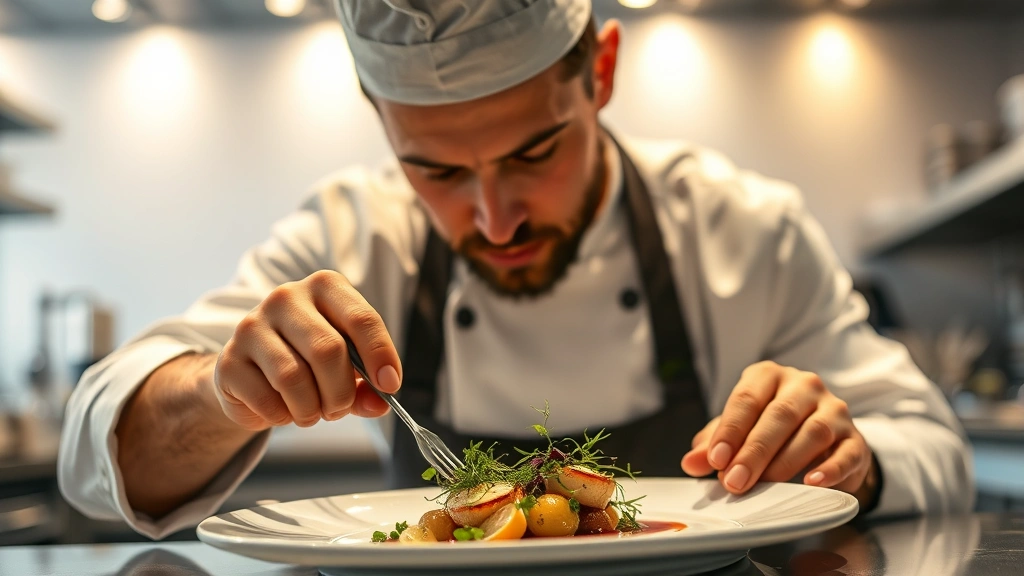
In conversations with Grand Rapids chefs, a consistent theme emerges: the passion for cooking and serving the community remains strong, but the business side has become increasingly precarious. Chefs describe the emotional toll of watching their creative visions become unsustainable. One respected executive chef noted that despite serving consistently excellent food and maintaining loyal clientele, the mathematics of restaurant economics simply didn’t work anymore. When you’re crafting dishes with the precision of homemade pizza dough recipe quality—where every component matters—the labor investment alone can exceed what customers are willing to pay.
Chefs also point to the challenge of maintaining consistency and quality while managing increasingly tight budgets. The culinary arts demand precision, fresh ingredients, and skilled execution. When cost-cutting becomes necessary, it often means compromising on ingredient quality or reducing portion sizes—changes that undermine the very essence of what made a restaurant special. Several local chefs have expressed that they’d rather close respectfully than gradually degrade their food quality to maintain profitability.
The talent drain represents another concern. As restaurants close, experienced sous chefs, pastry chefs, and line cooks leave Grand Rapids for larger markets or different careers entirely. This exodus of culinary talent diminishes the overall quality of the dining scene and makes it harder for remaining restaurants to maintain their standards. Chefs emphasize that building a skilled kitchen team takes years, and losing that institutional knowledge when a restaurant closes is a genuine loss to the community.
Many chefs also highlight the importance of supporting local establishments by exploring our restaurants open on Thanksgiving guide, which celebrates venues that remain committed to serving the community during significant occasions. These moments of connection matter deeply to chefs who view their work as more than mere business—it’s about building community through shared meals.
Shifting Consumer Preferences and Dining Habits
The restaurant industry has experienced seismic shifts in how consumers approach dining out. The rise of food delivery platforms has fragmented the market, with many diners choosing convenience over the experience of dining in a restaurant. This shift fundamentally changes restaurant economics, as delivery platforms typically take 15-30% commissions while restaurants struggle to maintain food quality during transit. A beautifully composed plate loses its visual impact when it arrives home in a plastic container, and flavors that were perfectly balanced at service temperature become muted.
Younger demographics show different spending patterns than previous generations, often preferring casual, quick-service experiences or cooking at home. The Instagram-worthy, Instagram-focused dining trend has created pressure for restaurants to prioritize aesthetics over substance, diverting resources from core culinary excellence. Simultaneously, consumers have become more price-sensitive, comparing costs across platforms and gravitating toward value propositions rather than supporting establishments based on quality and craftsmanship alone.
The explosion of cooking content and home culinary education has empowered consumers to recreate restaurant-quality dishes at home. Our guides to easy homemade pasta sauce and best homemade cookie recipes reflect this broader trend of culinary democratization. While this empowers home cooks, it also reduces the perceived necessity of dining out for certain occasions or cuisines.
Additionally, dietary restrictions and preferences have become more pronounced. Managing a kitchen that accommodates gluten-free, vegan, paleo, keto, and numerous other dietary requirements increases complexity and inventory costs. What was once a straightforward menu planning process has become a logistical challenge requiring multiple ingredient streams and careful cross-contamination protocols.
The Community Impact of Restaurant Closures
When a restaurant closes in Grand Rapids, the impact extends far beyond lost dining options. These establishments often serve as community gathering spaces where relationships deepen, celebrations occur, and memories crystallize around shared meals. The loss of a beloved restaurant means losing a third place—neither home nor work—where people connect with their community.
Local suppliers and farmers who provided ingredients to closed restaurants lose valuable customers. These relationships represent more than transactions; they’re partnerships built on trust and shared commitment to quality. When restaurants close, artisanal producers, local farms, and specialty suppliers lose revenue streams that often represent significant portions of their business.
Staff members face unemployment in a job market where their specialized skills may not transfer easily. A pastry chef trained in classical French techniques, a sous chef with expertise in molecular gastronomy, or a sommelier with years of wine education find themselves competing for positions in a shrinking market. The human cost of closures is substantial and often invisible in economic analyses.
The cultural identity of neighborhoods shifts when anchor restaurants close. Certain areas become less vibrant, less attractive to residents and visitors, and less likely to support other local businesses that benefited from foot traffic. The closure of a well-established restaurant can trigger a decline in the surrounding commercial district.
Resilience and Adaptation in the Scene
Despite these challenges, Grand Rapids has demonstrated remarkable resilience. New restaurants continue to open, often from chefs who’ve worked in closed establishments or who see opportunity in the shifting landscape. These new ventures frequently prioritize sustainability, local sourcing, and community connection—learning from the challenges that faced previous generations of restaurants.
Some closed restaurant spaces are being reimagined as ghost kitchens, meal prep services, or culinary education centers. These adaptations keep culinary talent engaged while reducing the overhead burdens of traditional full-service restaurants. Chefs are exploring alternative business models, including supper clubs, pop-up dining experiences, and catering-focused operations that offer more financial stability.
The community has also become more intentional about supporting local establishments. Food lovers are increasingly aware that choosing to dine at independent restaurants—rather than chains—directly impacts their community’s culinary future. This consciousness, while perhaps emerging too late for some establishments, offers hope for those currently operating.
Collaboration among chefs has increased, with established culinary professionals mentoring newer operators and sharing knowledge about sustainable business practices. This community spirit reflects the deeper values that drew many chefs to the profession in the first place: connection, excellence, and service.
Looking Forward: The Future of Grand Rapids Dining
The future of Grand Rapids dining will likely feature a smaller number of restaurants operating at higher quality standards and with more sustainable business models. Rather than viewing this as decline, it might represent a necessary correction—a shift from quantity to quality that ultimately serves the community better.
Technology will play an increasingly important role, not as a replacement for dining experiences but as a tool to enhance them. Restaurants leveraging data analytics to optimize menus, manage inventory more efficiently, and understand customer preferences will have competitive advantages. However, the core experience—the human connection, the artistry, the sensory pleasure—remains irreplaceable.
Sustainability and local sourcing will likely become more central to restaurant operations. As consumers increasingly value environmental responsibility and community connection, restaurants that build their identities around these principles will find loyal support. This aligns naturally with culinary excellence, as the freshest, most flavorful ingredients typically come from nearby sources.
The rise of culinary education and food-focused events suggests that Grand Rapids will maintain its position as a food-conscious community. Even if the number of traditional restaurants decreases, the quality of dining experiences available should increase. Chefs will have opportunities to build smaller, more intentional operations that prioritize craft over volume.
We should also consider supporting culinary professionals by exploring resources like our blog and learning about healthy salad dressing recipes that reflect the modern culinary consciousness—valuing nutrition, flavor, and sustainability simultaneously.
FAQ
Why are restaurants closing in Grand Rapids?
Multiple factors contribute to restaurant closures: rising labor and operational costs, increased rent, pandemic-related disruptions, changing consumer dining habits (preference for delivery and casual dining), and thin profit margins typical in the restaurant industry. Individual closures may stem from any combination of these systemic challenges.
How can I support local restaurants in Grand Rapids?
Dine in whenever possible rather than ordering delivery, visit during slower periods to help with cash flow, purchase gift cards, follow restaurants on social media and share their content, leave positive reviews, and recommend them to friends and family. These actions directly impact a restaurant’s viability.
What types of restaurants are most likely to survive?
Restaurants with strong community connections, unique culinary identities, efficient operations, diverse revenue streams (catering, meal prep, private events), and owners willing to adapt their business models tend to have better survival rates. Those focusing on quality over volume and sustainability over rapid growth also show greater resilience.
Are new restaurants opening in Grand Rapids?
Yes, new establishments continue to open, often from experienced chefs who understand the challenges and are implementing more sustainable models. The new dining landscape may feature fewer but higher-quality options, reflecting evolving community values and dining preferences.
How do restaurant closures affect local suppliers?
Closures impact farmers, artisanal producers, and specialty suppliers who lose customers and revenue. These relationships, built over years of partnership, represent significant portions of supplier businesses. Supporting remaining restaurants indirectly supports the entire local food ecosystem.