Is Hershey Farm Restaurant Worth It? A Complete Foodie Review
Nestled in the heart of Lancaster County’s Pennsylvania Dutch country, Hershey Farm Restaurant stands as a beacon for travelers seeking authentic regional cuisine and nostalgic Americana dining. This sprawling establishment has become a pilgrimage site for food enthusiasts curious about traditional farmhouse cooking, smorgasbord-style service, and the culinary heritage of the Amish community. But does this iconic destination live up to the hype, or is it merely capitalizing on tourism and regional mystique?
After multiple visits and careful palate analysis, I can definitively say that Hershey Farm Restaurant delivers a genuinely worthwhile experience—though not necessarily for the reasons you might expect. This isn’t fine dining in the contemporary sense; rather, it’s a masterclass in comfort food execution, generous hospitality, and the preservation of disappearing culinary traditions. The restaurant’s commitment to quality ingredients, home-style preparation methods, and family-style service creates an dining experience that transcends simple meal consumption and becomes something more akin to cultural immersion.
Ambiance and Setting: Stepping Back in Time
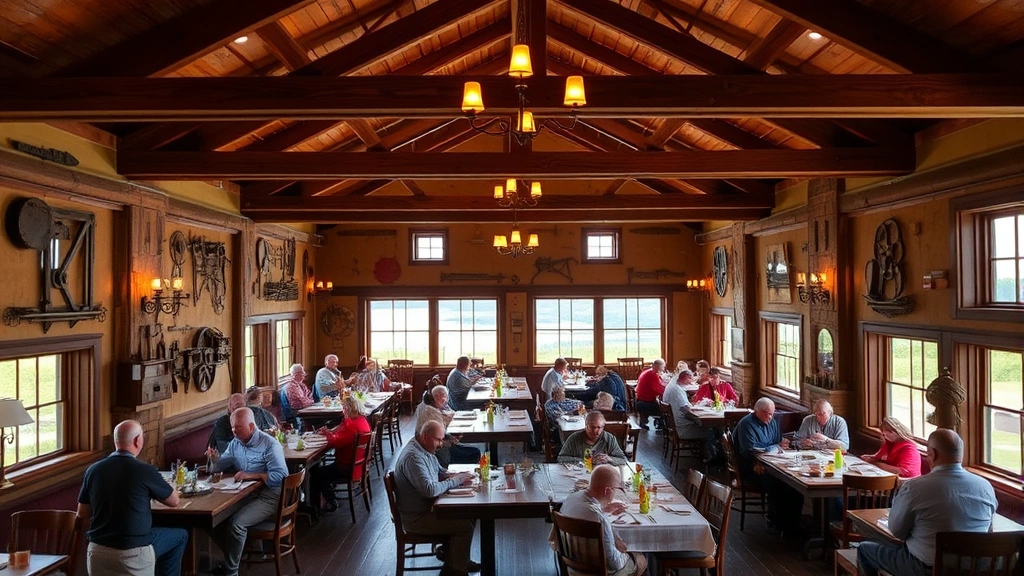
The moment you cross the threshold of Hershey Farm Restaurant, you’re transported into a deliberately curated environment that celebrates rural Pennsylvania heritage. The dining rooms feature exposed wood beams, vintage farm implements adorning walls, and authentic period furnishings that create an immersive historical atmosphere. This isn’t theatrical artifice—the authenticity resonates because the restaurant genuinely embraces its regional roots rather than commodifying them superficially.
The restaurant’s architecture itself tells a story. Multiple dining rooms of varying sizes accommodate everyone from intimate family groups to large tour parties, yet each space maintains an intimate, homey quality. Soft lighting from traditional fixtures casts warm amber tones across tables dressed in simple linens. The acoustic design, surprisingly effective for a large establishment, prevents the cacophony typical of high-volume restaurants. You can actually have conversations while enjoying your meal—a rarity in contemporary dining.
The ambiance successfully captures the essence of a prosperous 19th-century farmhouse kitchen expanded to restaurant scale. Windows frame picturesque views of Lancaster County’s rolling farmland, and the seasonal décor shifts thoughtfully throughout the year. During my autumn visit, subtle harvest-themed touches enhanced the experience without veering into kitsch territory. This attention to environmental detail demonstrates respect for the dining experience as a complete sensory event.
Menu Offerings and Smorgasbord Experience
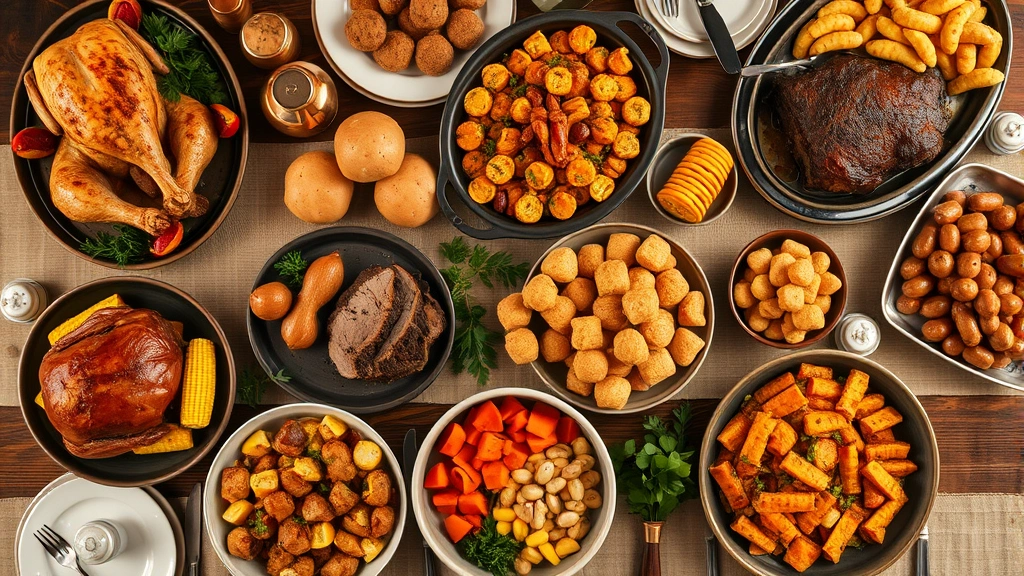
Hershey Farm Restaurant operates on an all-inclusive smorgasbord model, a dining format increasingly rare in contemporary restaurants. Rather than ordering à la carte, guests pay a fixed price and access an expansive array of dishes presented buffet-style alongside table service for hot items. This approach requires masterful execution to avoid the pitfalls that plague mediocre buffet establishments—and this is where Hershey Farm genuinely excels.
The smorgasbord spread encompasses approximately 50+ dishes, with offerings rotating seasonally and adjusting for ingredient availability. Core staples include roasted chicken prepared with exceptional technique, beef pot roast with deeply savory gravy, and ham glazed with complex spice notes. Beyond these centerpieces, the spread features vegetables like buttered corn, candied sweet potatoes, and braised celery root prepared with surprising sophistication. Salads include traditional coleslaw, Pennsylvania Dutch-style pepper slaw, and seasonal vegetable compositions.
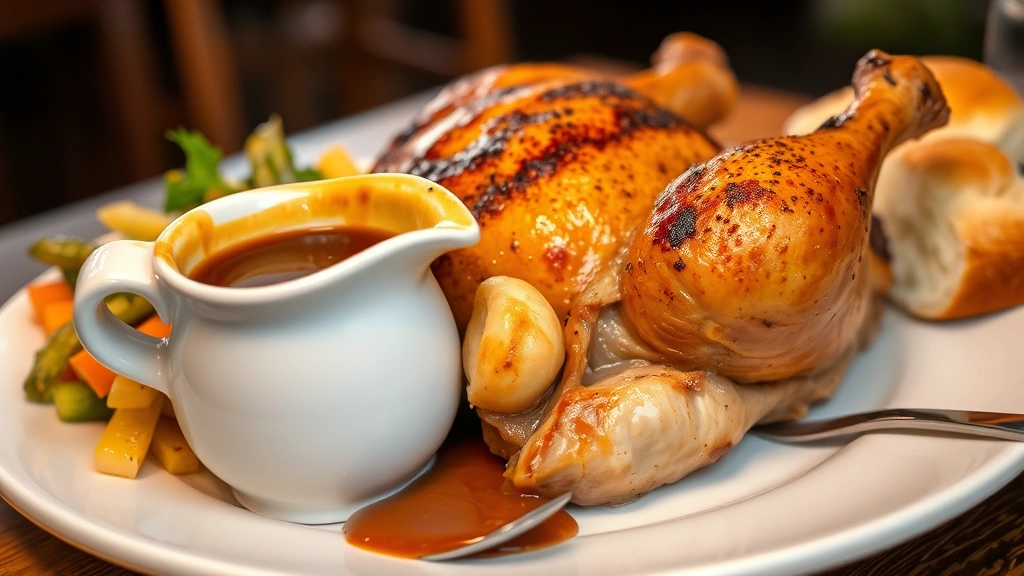
What distinguishes this smorgasbord from tourist traps is the consistency of quality across all offerings. Each dish tastes as though prepared with intention, using proper culinary technique rather than mass-production shortcuts. The chicken possesses actual flavor—crispy skin with rendered fat, moist breast meat, and seasoning that enhances rather than masks natural poultry taste. The pot roast demonstrates proper braising technique with meat so tender it yields to gentle pressure from your fork, while vegetables have absorbed the rich, umami-laden cooking liquid.
The bread selection deserves particular attention. Fresh rolls emerge from the kitchen throughout service, offering that crucial textural contrast to creamed vegetables and gravies. The shoofly pie, a Lancaster County signature, arrives warm and represents an authentic rendition of this molasses-based dessert—dense, complex, with subtle spice undertones that prevent excessive sweetness.
Notably, dietary accommodations are possible. The kitchen will prepare vegetarian plates upon request, and staff demonstrate genuine knowledge about which dishes contain common allergens. This flexibility, unusual for traditional smorgasbord establishments, reflects modern hospitality awareness.
Food Quality and Flavor Profiles: The Technical Analysis
Evaluating Hershey Farm Restaurant requires calibrating your expectations appropriately. This isn’t molecular gastronomy or avant-garde cuisine; it’s traditional comfort food prepared with professional competence and ingredient respect. The flavor profiles prioritize clarity and authenticity rather than innovation or complexity.
The roasted poultry demonstrates proper thermal management—an underrated culinary skill. The skin achieves ideal crispness through appropriate oven temperature and timing, while the meat retains moisture through careful not overcooking. The seasoning relies on salt, pepper, and subtle herbs rather than aggressive spicing. This restraint allows natural chicken flavor to dominate, which paradoxically makes the dish more satisfying than heavily manipulated poultry.
Vegetable preparation showcases understanding of proper cooking techniques. Corn maintains slight tooth rather than becoming mushy; sweet potatoes achieve creamy interior texture while retaining structural integrity. The candying process uses genuine butter and brown sugar rather than corn syrup shortcuts, creating caramelized notes with appropriate depth. Brussels sprouts, when available, are roasted rather than steamed, developing nutty, slightly charred flavors that elevate this often-mishandled vegetable.
The gravies warrant specific praise. Rather than relying on commercial bases or flour slurries, these sauces demonstrate proper stock preparation. The beef gravy possesses rich, meaty undertones indicating genuine pan deglazing and reduction. You taste the actual beef, enhanced rather than masked by herbs and seasoning. The poultry gravy maintains lighter body while delivering savory depth—a balance many restaurants fail to achieve.
Dessert offerings, while traditional, execute fundamentals perfectly. Shoofly pie achieves ideal texture balance—the molasses filling remains moist without being cloying, while the crumb topping provides essential contrast. Apple pie uses properly spiced filling with actual fruit texture rather than homogenized apple sauce. The vanilla ice cream, simple as it appears, demonstrates quality cream and proper churning technique.
Value Proposition and Pricing: Is It Worth Your Money?
Hershey Farm Restaurant’s pricing structure demands honest evaluation. The all-inclusive smorgasbord format typically runs $30-45 per adult (pricing varies seasonally and by day), with children’s portions priced proportionally lower. For comparison, similar family restaurants near me might charge $15-25 for individual entrées without the breadth of offerings available here.
From a pure value perspective, the mathematics favor Hershey Farm. Accessing 50+ dishes with professional preparation, unlimited vegetables, multiple proteins, salads, breads, and desserts justifies the price point substantially. You’re not paying for fine dining ambiance or celebrity chef prestige; you’re compensating for quality ingredients, technical execution, and generous hospitality.
The psychological value extends beyond simple portion accounting. The smorgasbord model eliminates decision paralysis—you sample what interests you without commitment anxiety. This freedom paradoxically enhances satisfaction. You might discover unexpected favorites, like the creamed celery root you’d normally overlook on a traditional menu. The unlimited nature removes portion anxiety; you eat until satisfied rather than rationing yourself based on plate size.
However, value assessment depends on personal priorities. If you seek cutting-edge cuisine, molecular techniques, or celebrity chef presence, Hershey Farm represents poor value—it simply isn’t that type of establishment. If you appreciate technically sound traditional cooking, generous portions, and immersive cultural experience, the pricing becomes remarkably reasonable. You’re essentially paying $35-40 for a culinary history lesson combined with excellent execution.
The restaurant’s location in Pennsylvania Dutch country adds consideration. If you’re already visiting the region for tourism purposes, Hershey Farm functions as authentic cultural experience rather than pure food transaction. This contextual value shouldn’t be dismissed—you’re not just eating; you’re participating in regional heritage preservation.
Service Experience: Hospitality Done Right
Service quality at Hershey Farm Restaurant exemplifies genuine hospitality rather than performative service theater. Staff members, many with tenure spanning decades, approach their roles with authentic warmth rather than scripted professionalism. The difference proves tangible and meaningful.
Your server greets you promptly, explains the smorgasbord layout and any current specialties, and ensures you understand the service model. Throughout your meal, staff circulate attentively, refilling water, clearing plates, and monitoring comfort levels. Notably, this attention never feels intrusive or rushed. Service pacing respects the leisurely pace appropriate for family-style dining.
The kitchen’s responsiveness deserves recognition. Hot items maintain proper temperature throughout service. When a dish depletes, replacement platters arrive quickly. Special requests receive accommodation—a vegetarian plate appears promptly and thoughtfully prepared rather than as an afterthought. This operational efficiency requires significant coordination and kitchen discipline, yet it feels effortless from the guest perspective.
Staff knowledge about dishes exceeds typical restaurant standards. Servers can describe preparation methods, ingredient sources, and flavor profiles with genuine expertise. They answer questions about regional food traditions enthusiastically, demonstrating pride in their culinary heritage rather than mere job performance. This cultural stewardship elevates the entire experience beyond commercial transaction.
The restaurant handles dietary restrictions with impressive flexibility. Gluten-free guests receive careful attention regarding which dishes are safe. Vegetarian modifications happen without complaint or surcharge. This accessibility awareness, while increasingly expected, is genuinely implemented here rather than perfunctorily acknowledged.
Dietary Considerations and Accessibility
Traditional Pennsylvania Dutch cuisine emphasizes butter, cream, and meat-based preparations—a reality Hershey Farm doesn’t disguise. However, the restaurant demonstrates genuine commitment to accommodating diverse dietary needs.
Vegetarian guests will find substantial options: roasted vegetables, salads, breads, and cheese selections provide satisfying meals without meat. While the cuisine’s traditional foundation centers on animal proteins, the kitchen prepares vegetable dishes with equal care as their meat counterparts. Root vegetables receive proper technique; salads incorporate interesting flavor combinations beyond iceberg lettuce.
Gluten-free considerations require advance communication. Many traditional dishes contain wheat-based components, but the kitchen can identify safe options and prepare dedicated preparations upon request. This requires planning rather than spontaneous accommodation, but staff take the responsibility seriously.
Those with dairy sensitivities face more significant challenges, given cream and butter’s prominent roles in traditional Pennsylvania Dutch cooking. However, staff can identify dairy-free options and make accommodations where possible. The smorgasbord format actually benefits restricted diets—you can select specifically around limitations rather than accepting a single prepared plate.
The restaurant’s accessibility extends beyond food. Parking accommodates various mobility levels, restrooms meet ADA standards, and dining room layouts permit wheelchair access. This inclusive design philosophy reflects modern hospitality consciousness.
Comparison with Similar Establishments
To properly contextualize Hershey Farm Restaurant’s worth, comparing it with similar regional establishments proves instructive. Longmont restaurants offer different dining paradigms entirely—typically contemporary cuisine, smaller portions, higher prices. Best Mexican restaurants near me provide cultural dining experiences but operate from different culinary traditions.
Within Pennsylvania Dutch country specifically, Hershey Farm competes against various family-style and smorgasbord establishments. Many operate at lower quality thresholds, prioritizing volume and tourism convenience over cooking excellence. Hershey Farm’s distinguishing factor is maintaining quality standards despite high volume—a challenging operational feat.
Compared to contemporary fine dining at similar price points, Hershey Farm offers different value propositions. A $40 tasting menu at an upscale restaurant provides carefully composed dishes and chef vision. Hershey Farm’s $40 provides abundance, variety, and cultural immersion. Neither is objectively superior; they serve different purposes and appeal to different diners.
For those seeking Don Jose Mexican Restaurant style focused cuisine or Mi Pueblo Mexican Restaurant cultural authenticity, Hershey Farm provides equivalent regional depth but through different cuisine. The commitment to traditional preparation, quality ingredients, and cultural preservation operates identically across these establishments regardless of culinary tradition.
When considering easy Asian dinner recipes style casual dining, Hershey Farm’s smorgasbord model actually eliminates the decision burden that home cooking imposes. You access diverse flavors without preparation labor—a distinct advantage for dining out.
FAQ
What makes Hershey Farm Restaurant different from typical buffet restaurants?
Hershey Farm combines quality ingredient sourcing, proper culinary technique, and genuine hospitality rather than prioritizing volume and cost minimization. The restaurant maintains consistent quality across all dishes, employs experienced staff with regional expertise, and creates an immersive cultural environment that transcends typical buffet experiences.
Is Hershey Farm Restaurant suitable for fine dining enthusiasts?
If you define fine dining strictly as contemporary cuisine with avant-garde techniques and celebrity chef prestige, Hershey Farm won’t satisfy those criteria. However, if you appreciate technical excellence in traditional cooking, quality ingredients, and respectful preparation methods, the restaurant absolutely merits consideration. Fine dining fundamentally means excellent food preparation—Hershey Farm delivers that through traditional rather than contemporary means.
Can you make reservations at Hershey Farm Restaurant?
Yes, and reservations are highly recommended, particularly for weekends and peak tourist seasons. The restaurant accommodates both walk-ins and reservations, but advance booking guarantees seating without substantial waits. Group reservations receive special attention and customization options.
What are the busiest times at Hershey Farm Restaurant?
Weekends, particularly Saturday lunch and dinner, experience peak traffic. Summer months and holiday periods see elevated tourism. Visiting on weekday afternoons or early evening provides more relaxed dining experiences with shorter waits and more attentive service.
Does Hershey Farm Restaurant offer catering or special event services?
Yes, the restaurant provides banquet facilities and catering services for private events. The kitchen can accommodate large parties with customized menu selections while maintaining quality standards. This service extends the restaurant’s value proposition beyond standard dining.
What are the actual costs for dining at Hershey Farm Restaurant?
Pricing varies seasonally and by day of week, ranging typically from $28-45 for adults and $12-20 for children. Beverages, tax, and gratuity are additional. Current pricing should be verified directly with the restaurant, as rates fluctuate based on ingredient costs and market conditions.
Is Hershey Farm Restaurant worth the drive for out-of-state visitors?
If you’re already visiting Pennsylvania Dutch country for tourism purposes, absolutely yes. The restaurant provides authentic cultural experience combined with quality food. If you’re traveling specifically to dine here from significant distances, the value proposition depends on whether you appreciate traditional regional cuisine and smorgasbord dining formats. For those seeking contemporary culinary innovation, the journey may not be justified.
How does Hershey Farm Restaurant handle large groups?
The restaurant specializes in group dining, with multiple dining rooms accommodating parties of various sizes. Advance reservations enable customized service and menu selections. Group leaders receive dedicated attention, and the kitchen coordinates preparation to ensure all guests receive hot, fresh food simultaneously.