Is Hokkaido Sushi Worth It? A Food Critic’s Comprehensive Review
Hokkaido sushi has become synonymous with premium Japanese dining experiences, commanding prices that can rival fine dining establishments across North America. But does this northernmost Japanese island’s seafood truly justify the investment? After multiple visits to acclaimed Hokkaido restaurants and extensive tastings of their signature offerings, I’ve uncovered what makes these establishments worth every yen—and where some fall short of expectations.
The allure of Hokkaido sushi extends far beyond clever marketing. This island, Japan’s second-largest and most northern, boasts some of the world’s most pristine waters and a fishing tradition spanning centuries. The combination of cold ocean currents, sustainable harvesting practices, and meticulous preparation techniques creates an entirely different sushi experience compared to mainland establishments. From the moment you step into an authentic Hokkaido restaurant, you’re not simply ordering raw fish on rice; you’re participating in a culinary tradition that has been perfected through generations of masterful craftsmanship.
My investigation into whether Hokkaido sushi warrants its premium pricing revealed surprising insights about ingredient sourcing, chef expertise, and the subtle flavor profiles that distinguish exceptional sushi from merely good offerings. Whether you’re a seasoned sushi connoisseur or considering your first high-end sushi experience, this comprehensive review will help you determine if a Hokkaido restaurant deserves a place in your dining rotation.
What Makes Hokkaido Sushi Different
The distinction between Hokkaido sushi and standard sushi establishments begins with geography and oceanography. Hokkaido’s position along the confluence of the Oyashio and Tsushima currents creates an exceptionally cold marine environment that produces seafood with superior texture, fat composition, and flavor intensity. When you taste authentic Hokkaido uni, for instance, you’re experiencing sea urchin that has developed in waters maintaining temperatures between 0-5°C year-round, resulting in a creamier, more delicate product than temperate-water alternatives.
The fishing practices in Hokkaido differ fundamentally from other regions. Local fishermen adhere to strict seasonal guidelines, ensuring that each type of fish is harvested at its absolute peak. This commitment to timing means that Hokkaido restaurants often feature rotating menus based on what’s currently at its finest—a practice that separates dedicated purists from establishments that prioritize consistency over quality. When you visit a genuine Hokkaido restaurant, the omakase chef isn’t simply executing a predetermined menu; they’re showcasing the ocean’s current bounty with the reverence it deserves.
The preparation philosophy also distinguishes Hokkaido establishments. Rather than relying on heavy sauces, complex presentations, or fusion techniques, Hokkaido sushi celebrates ingredient purity. The rice is seasoned with restraint, the knife work is executed with surgical precision, and the fish is sliced at angles and thicknesses specifically calculated to maximize flavor delivery on your palate. This minimalist approach demands absolutely flawless ingredients—there’s nowhere to hide imperfection.
The Ingredient Quality Factor
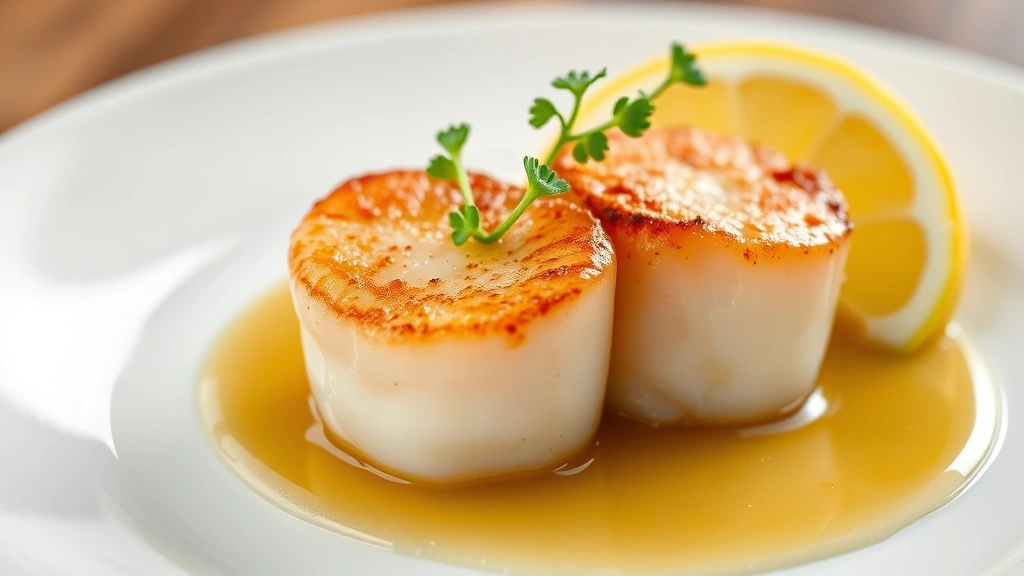
If you’re wondering whether premium pricing translates to superior ingredients, the answer is unequivocally yes—but only at legitimate Hokkaido establishments. The difference between standard sushi-grade fish and Hokkaido-sourced seafood becomes immediately apparent when you taste them side by side. The fat marbling in Hokkaido salmon appears almost translucent, with a buttery texture that coats your mouth in umami richness. Scallops maintain a delicate sweetness without any hint of the metallic or rubbery qualities common in lesser-quality specimens.
One of the most striking differences involves otoro, the fattiest cut of bluefin tuna belly. At premium Hokkaido restaurants, this ingredient literally melts on your tongue—it’s so rich in lipids that it dissolves before requiring any chewing. The flavor profile encompasses notes of umami, subtle ocean brine, and an almost buttery sweetness that lingers for several seconds. Compare this to standard omakase experiences where otoro might have a slightly grainy texture and less pronounced flavor, and you begin understanding the value proposition.
Hokkaido establishments often feature ingredients you won’t find elsewhere. Hokkaido scallop (hotate) from Yoichi possesses a natural sweetness that’s almost dessert-like. Hokkaido sea urchin (uni) from Rishiri Island has a creamy consistency and clean flavor that sets the standard against which all other uni is measured. Hokkaido squid (ika) offers a tender texture and subtle sweetness that rivals the most prized preparations. These aren’t marginal improvements; they’re genuinely different products that justify premium pricing through sheer superiority.
The cold chain management separating Hokkaido from other regions cannot be overstated. Fish destined for Hokkaido restaurants are often processed and frozen within hours of capture, using specialized techniques that preserve cellular structure and flavor compounds. This scientific approach to preservation means that frozen Hokkaido fish frequently surpasses fresh fish from other sources in terms of actual quality and taste. The ice crystal formation is so controlled that it doesn’t damage cellular walls, allowing the fish to maintain its original texture and moisture content.
Price Breakdown and Value Analysis
Hokkaido sushi typically ranges from $80-200+ per person for omakase experiences, with some elite establishments reaching $300 or beyond. Before dismissing these prices as excessive, it’s crucial to understand what you’re actually paying for. Approximately 40% of your bill covers the raw ingredients themselves—at these price points, restaurants are purchasing top-tier fish that costs significantly more than standard sushi-grade seafood. A single piece of premium otoro might cost the restaurant $8-12 in ingredient cost alone.
The remaining 60% of your bill covers several factors: the chef’s expertise and years of training (master sushi chefs in Japan often train for 10+ years before achieving proficiency), the overhead costs of maintaining temperature-controlled environments and specialized equipment, the expense of maintaining relationships with exclusive suppliers, and the labor involved in meticulous preparation. Additionally, many Hokkaido restaurants import their rice directly from specific Japanese regions, source their nori from premium suppliers, and maintain relationships with fishmongers that allow them access to the absolute finest specimens before they reach broader markets.
When you compare Hokkaido sushi pricing to other luxury dining experiences, the value becomes clearer. A Michelin-starred tasting menu typically costs $150-300+ per person and might involve 12-15 courses over two to three hours. A premium Hokkaido omakase experience typically costs $100-200 and provides 15-20 pieces of sushi plus appetizers and sides, with the entire experience lasting 45 minutes to an hour. The ingredient-to-price ratio actually favors sushi when you’re dealing with genuinely premium establishments.
However, pricing doesn’t always correlate with quality. Some restaurants capitalize on the Hokkaido name without delivering authentic experiences. I’ve encountered establishments charging premium prices while serving fish sourced from standard distributors, or using mediocre ingredients prepared with inconsistent technique. The key to determining value is researching whether the restaurant actually sources directly from Hokkaido, whether the chef has training from Japan, and whether the menu reflects seasonal availability rather than remaining static year-round.
Chef Expertise and Technique
The most crucial factor determining whether Hokkaido sushi is worth the investment is chef expertise. A master sushi chef transforms premium ingredients into an unforgettable experience; a mediocre chef wastes those same ingredients. Authentic Hokkaido restaurants typically employ chefs who have trained extensively in Japan, often under mentorship from established masters. This training encompasses not just knife skills and rice preparation, but developing an intuitive understanding of how each ingredient should be approached based on its origin, seasonal availability, and optimal flavor expression.
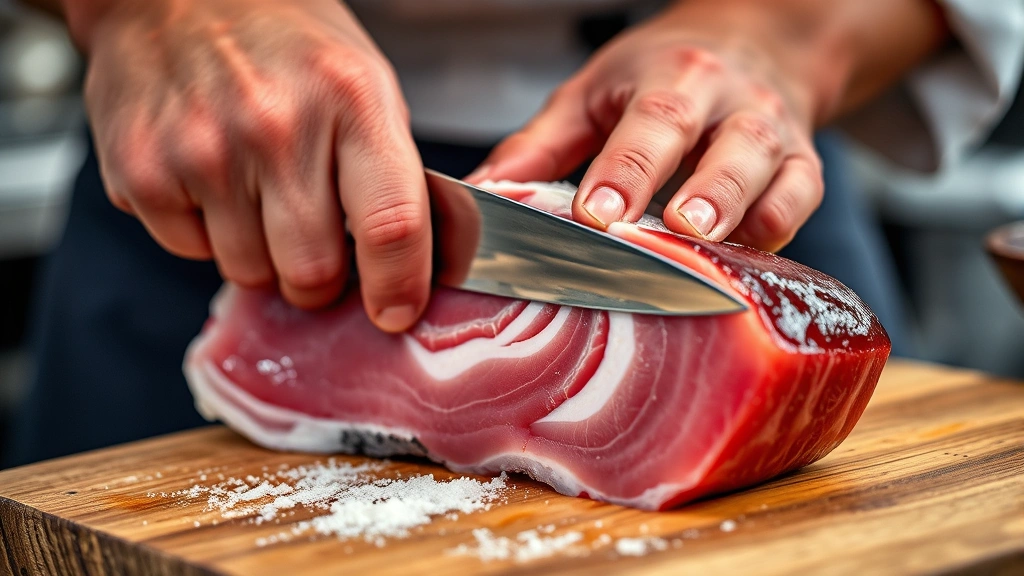
The knife work alone separates exceptional from adequate. A skilled Hokkaido sushi chef understands that different fish require different cutting angles and thicknesses. Fatty fish like otoro might be sliced at a 45-degree angle with a slightly thicker cut to support the delicate texture. Leaner fish like tai (sea bream) might be cut thinner with a perpendicular blade angle to maximize surface area and flavor delivery. These aren’t arbitrary choices; they’re calculated decisions based on decades of accumulated knowledge about how fish behaves under the blade and how it interacts with your palate.
Temperature control represents another critical expertise marker. A master chef understands that fish served at slightly warmer than refrigerator temperature actually tastes better—the fat becomes more fluid, flavor compounds become more volatile and aromatic, and the texture becomes more luxurious. They’ll allow certain pieces to sit at room temperature for specific durations before serving, developing flavors that cold fish simply cannot deliver. This timing is intuitive for trained professionals but impossible to execute without genuine expertise.
The relationship between chef and customer also matters significantly. In authentic Hokkaido omakase experiences, the chef functions as both artist and guide, reading your reactions and adjusting subsequent courses accordingly. If you visibly appreciate a particular flavor profile, they might emphasize similar notes in subsequent pieces. If you seem overwhelmed by intensity, they’ll pivot to more delicate flavors. This interactive element transforms the experience from passive consumption into collaborative culinary exploration.
The Dining Experience
Beyond the sushi itself, the overall dining environment contributes substantially to whether Hokkaido restaurants justify their premium positioning. Authentic establishments typically feature intimate counter seating (8-12 seats maximum), allowing direct interaction with the chef and creating an atmosphere of exclusivity and focus. This design choice isn’t pretentious; it’s functional. A smaller counter allows the chef to maintain consistent quality, remember each customer’s preferences, and adjust pacing to ensure optimal temperature and freshness for each piece.
The sensory experience extends beyond taste. The visual presentation of each piece—the precise placement of garnishes, the negative space on the plate, the color contrast between ingredients—engages your eyes before you taste anything. The textural progression of an omakase experience, moving from delicate white fish through richer fatty preparations and finishing with cooked items or egg, creates a narrative arc that sophisticated palates find deeply satisfying. The subtle aromas emanating from fresh fish, wasabi, and vinegared rice create an olfactory component that enhances flavor perception.
Service quality distinguishes premium establishments from merely expensive ones. Expert servers understand sushi etiquette and can guide you through unfamiliar preparations. They know when to refresh your palate with water or tea, when to allow you uninterrupted enjoyment of a particularly special piece, and how to time courses so that each arrives at optimal eating temperature. This attentiveness requires training and experience that separates professional establishments from casual operations.
The sake and beverage pairings available at quality Hokkaido restaurants deserve mention. Many establishments feature curated sake selections specifically chosen to complement their sushi offerings. A delicate sake with mineral notes might accompany lighter white fish, while a richer junmai daiginjo might pair with fattier preparations. These pairings aren’t mandatory but can elevate an already exceptional experience into something transcendent for those interested in beverage exploration.
Signature Hokkaido Offerings Worth Trying
If you’re committing to a Hokkaido restaurant experience, understanding which offerings best showcase regional specialties helps justify the investment. Hokkaido scallop (hotate) represents perhaps the most distinctive regional ingredient. The natural sweetness of Hokkaido hotate—particularly specimens from Yoichi or Ishikari—creates an almost dessert-like quality that requires no additional seasoning beyond perhaps a whisper of sea salt. The texture should be so tender that it yields immediately to slight tongue pressure.
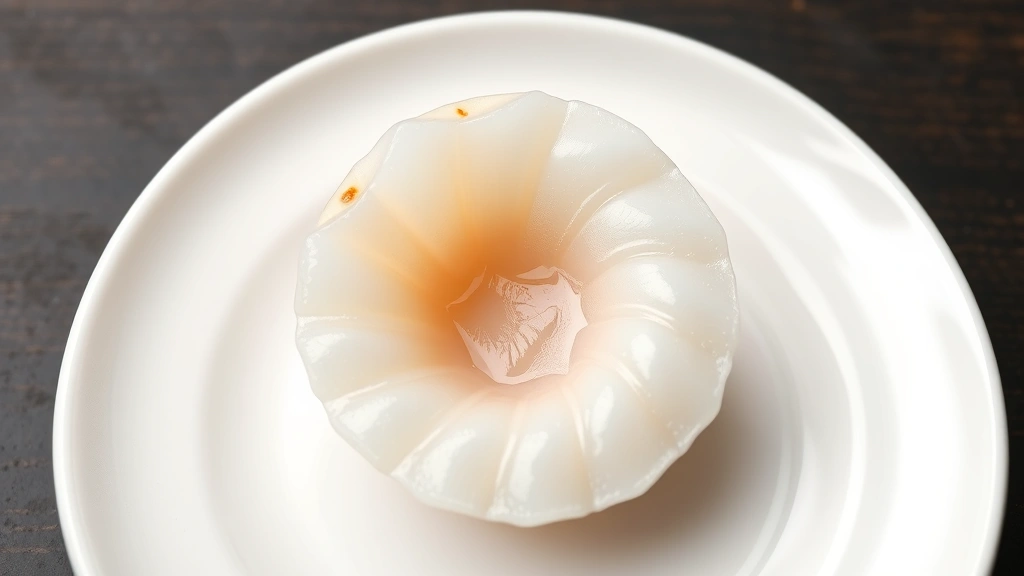
Sea urchin (uni) from Hokkaido, especially from Rishiri Island, sets the absolute standard for this ingredient. Premium Hokkaido uni features a creamy, almost buttery texture with a clean, briny flavor that’s utterly distinct from uni sourced elsewhere. The color should be a vibrant golden-orange, and the flavor should develop complexity as it sits on your palate—initial sweetness giving way to umami depth and finishing with subtle oceanic notes.
Hokkaido squid (ika) offers a textural experience that’s difficult to find elsewhere. Properly prepared Hokkaido squid is sliced thin enough to be tender but thick enough to maintain structural integrity. The flavor is delicate and slightly sweet, with a tender-crisp texture that’s utterly different from the rubbery squid you might encounter at casual establishments. When the chef slices it directly in front of you, the visual presentation alone justifies the premium pricing.
The seasonal fish preparations change throughout the year and represent where genuine Hokkaido restaurants distinguish themselves from static establishments. In spring, you might encounter delicate white fish preparations. Summer brings lighter, more delicate offerings. Autumn features fish developing their fat reserves before winter. Winter offers the richest, most luxurious preparations as fish become fattier in preparation for cold months. Visiting multiple times throughout the year at a quality Hokkaido restaurant reveals the depth of their commitment to seasonal authenticity.
Comparing Value to Other Premium Sushi
To properly evaluate whether Hokkaido sushi represents genuine value, it’s essential to compare it against other premium sushi experiences. Standard omakase at respected sushi restaurants typically costs $60-100 per person and delivers solid quality with good technique. The difference between this tier and Hokkaido establishments becomes apparent immediately upon tasting: the fish is noticeably superior, the technique is more refined, and the overall experience feels more intentional and curated.
High-end omakase at top-tier establishments in major cities (excluding Hokkaido-specific restaurants) typically costs $120-180 per person. At this price point, you’re approaching Hokkaido territory, and the quality differential becomes subtler. You’re likely receiving excellent fish, expert technique, and professional service. The question becomes whether Hokkaido’s specific regional advantages justify the additional premium. For many diners, the answer is yes—the distinctive flavor profiles of Hokkaido ingredients simply aren’t replicable through other sourcing. For others, the difference might feel marginal relative to the price increase.
When comparing to other luxury dining experiences, Hokkaido sushi becomes more clearly justified. A quality restaurant experience in the fine dining category typically costs $150-300+ per person and might not deliver the ingredient quality you’ll find at premium sushi establishments. The ingredient-to-cost ratio actually favors sushi when you’re dealing with genuinely premium establishments sourcing the finest available fish.
For those interested in exploring premium cuisine broadly, consider that investing in a Hokkaido omakase experience provides insights into Japanese culinary philosophy and technique that enhance appreciation for other cuisines. The minimalist approach, emphasis on ingredient quality, and respect for natural flavors influence how you perceive food across all categories. In this sense, the value extends beyond the immediate dining experience into broader culinary education.
However, it’s worth noting that exceptional sushi experiences don’t require Hokkaido sourcing. Some non-Hokkaido establishments deliver outstanding value through expert sourcing of high-quality fish from other regions, masterful technique, and thoughtful service. The Hokkaido name carries prestige that sometimes exceeds the actual quality differential. Research specific establishments rather than assuming Hokkaido designation automatically guarantees superior value. Read reviews from credible food critics, check whether the chef has trained in Japan, and investigate the restaurant’s sourcing practices before committing to premium pricing.
Maximizing Your Hokkaido Sushi Experience
If you’ve decided to invest in a Hokkaido restaurant experience, several strategies maximize value and enjoyment. First, communicate with the chef about your preferences and any ingredients you dislike before the omakase begins. Quality establishments encourage this dialogue, using your input to customize the experience rather than serving a rigid menu. This personalization ensures you’re not paying premium prices for preparations you won’t enjoy.
Second, arrive with an open palate and willingness to experience unfamiliar preparations. The magic of omakase emerges when you trust the chef’s expertise and allow yourself to be guided through a curated progression. Approaching each piece with genuine curiosity rather than preconceived expectations opens you to flavors and experiences you might otherwise miss. If you’re uncertain about a preparation, ask the chef to explain it before eating—this knowledge enhances appreciation for the flavors you’re about to experience.
Third, pace yourself appropriately. Hokkaido omakase experiences typically involve 15-20+ pieces, and eating them too quickly overwhelms your palate and prevents you from fully appreciating nuanced flavors. Allow each piece to fully dissolve, noting how flavors evolve as it sits on your tongue. Take sips of water or tea between courses to cleanse your palate, allowing each new preparation to register distinctly rather than blending into previous flavors.
For those interested in exploring complementary dining experiences, consider pairing your Hokkaido sushi visit with exploration of other premium Japanese cuisines. Kaiseki (multi-course haute cuisine), tempura, and soba all emphasize similar principles of ingredient quality and minimalist preparation that align beautifully with sushi philosophy. This exploration provides context that deepens appreciation for the precision and intentionality underlying Hokkaido sushi preparation.
If budget constraints prevent regular Hokkaido restaurant visits, consider visiting occasionally while exploring quality sushi at other establishments between visits. This approach allows you to develop sophisticated palate awareness and appreciate the specific advantages Hokkaido sourcing provides without requiring constant premium spending. You might also explore easy healthy snack recipes that incorporate sushi-adjacent ingredients, allowing you to explore Japanese flavors across multiple contexts.
Red Flags and How to Avoid Overpriced Establishments
Not all restaurants claiming Hokkaido authenticity deliver value commensurate with their pricing. Several red flags indicate establishments capitalizing on the Hokkaido name without delivering genuine quality. First, be skeptical of static menus. Authentic Hokkaido restaurants feature seasonal menus that change throughout the year, reflecting what’s currently optimal from their suppliers. Establishments serving identical offerings year-round likely aren’t sourcing directly from Hokkaido or aren’t respecting seasonal availability.
Second, investigate chef background. Legitimate Hokkaido establishments employ chefs who have trained extensively in Japan, often under established masters. If a restaurant cannot articulate its chef’s training background or claims Hokkaido authenticity without Japanese training, question whether the expertise exists to justify premium pricing. The best establishments proudly showcase their chef’s credentials because those credentials explain the premium pricing.
Third, examine the restaurant’s sourcing transparency. Quality establishments can explain exactly where their fish comes from—often naming specific ports, fishermen, or suppliers. They understand that educated diners appreciate knowing their fish comes from Yoichi scallops or Rishiri uni specifically, not just generic “Hokkaido sourcing.” If a restaurant cannot articulate sourcing details, they’re likely purchasing from standard distributors rather than maintaining exclusive relationships with premium suppliers.
Fourth, observe the counter setup and chef interactions. Authentic establishments maintain small counters (8-12 seats maximum) allowing direct chef interaction. If the counter is oversized or the chef seems rushed or inattentive, the experience likely prioritizes volume over quality. The best Hokkaido restaurants deliberately limit seating to maintain quality and allow the chef to personalize each customer’s experience.
Fifth, check reviews from credible food critics rather than relying on general rating platforms. Professional critics evaluate whether establishments actually deliver on their promises, comparing pricing against quality provided. Look for reviews from established culinary critics and Michelin guide evaluators who have developed sophisticated palates and understand what genuine quality looks like. Their assessments provide context that casual reviews cannot.
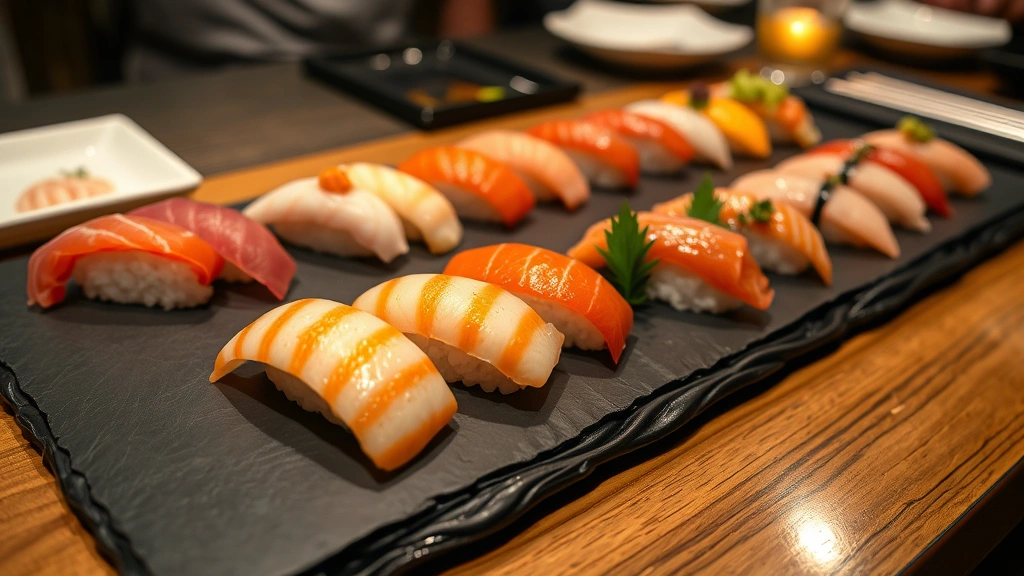
Is Hokkaido Sushi Actually Worth It? Final Verdict
After comprehensive evaluation, the answer is nuanced: Hokkaido sushi is absolutely worth the investment—but only at legitimate establishments that actually deliver on their promises. The regional advantages in ingredient quality are genuine and noticeable. The technique employed by trained chefs is superior to what you’ll find at most establishments. The overall experience, when executed properly, justifies premium pricing through exceptional quality and memorable experiences.
However, not all establishments claiming Hokkaido authenticity deliver value proportional to their pricing. The name carries prestige that some restaurants exploit without delivering corresponding quality. Before committing to premium spending, research thoroughly, investigate sourcing practices, evaluate chef credentials, and read credible reviews. These steps ensure you’re investing in genuine Hokkaido excellence rather than paying premium prices for mediocre experiences marketed under a prestigious name.
For sushi enthusiasts with disposable income and appreciation for fine dining, regular Hokkaido restaurant visits represent excellent value. For budget-conscious diners, occasional visits combined with exploration of quality non-Hokkaido establishments provide excellent value while developing sophisticated palate awareness. For those uncertain about whether premium sushi justifies the investment, I recommend a single visit to a well-reviewed establishment as a baseline experience—you’ll quickly determine whether the quality differential resonates with your palate and preferences.
The investment in Hokkaido sushi ultimately represents investment in culinary education and memorable experiences. You’re not simply consuming food; you’re engaging with a cuisine that represents centuries of refined technique, respect for ingredient quality, and philosophical approaches to food that extend far beyond the restaurant itself. When executed properly, this investment delivers returns that extend well beyond the immediate meal, influencing how you appreciate food across all contexts and cuisines.
FAQ
What’s the typical price range for Hokkaido omakase?
Authentic Hokkaido omakase typically ranges from $100-200+ per person, with some elite establishments reaching $250-300+. The pricing reflects premium ingredient costs (40% of the bill), chef expertise and training, specialized equipment and facilities, and exclusive sourcing relationships. Prices vary significantly based on geographic location, with establishments in major metropolitan areas commanding premium pricing compared to smaller markets.
How do I know if a Hokkaido restaurant is authentic?
Authentic Hokkaido establishments feature several distinguishing characteristics: small counters (8-12 seats) allowing direct chef interaction, seasonal menus that change throughout the year, transparent sourcing information identifying specific Hokkaido regions, chefs with documented training in Japan, and an emphasis on ingredient quality over presentation complexity. Research the chef’s background, read credible reviews, and investigate whether the restaurant sources directly from Hokkaido or uses standard distributors.
Is frozen Hokkaido fish actually better than fresh?
Yes, genuinely. Hokkaido fish is often frozen within hours of capture using specialized techniques that preserve cellular structure and flavor compounds. This rapid freezing prevents spoilage and maintains quality better than “fresh” fish that may have spent days in transit. Frozen Hokkaido fish frequently surpasses fresh fish from other sources in terms of actual quality, texture, and taste. The key is that the freezing was done properly using appropriate techniques.
What should I expect during omakase?
Omakase is an interactive experience where the chef creates a personalized progression of sushi pieces based on seasonal availability, ingredient quality, and your preferences. You’ll typically receive 15-20+ pieces over 45 minutes to an hour, moving from lighter preparations through richer options and finishing with cooked items or egg. Communicate preferences upfront, pace yourself to fully appreciate each piece, and allow the chef to guide you through the experience.
Can I visit Hokkaido restaurants if I dislike raw fish?
Most Hokkaido omakase experiences feature predominantly raw preparations, though many include some cooked items. If you dislike raw fish, communicate this clearly with the chef before beginning—quality establishments can often accommodate by emphasizing cooked preparations or adjusting the menu accordingly. However, visiting a Hokkaido restaurant while avoiding raw fish somewhat defeats the purpose of the experience. Consider exploring other culinary experiences if raw fish isn’t appealing.
How often should I visit Hokkaido restaurants?
Frequency depends on budget and preferences. Enthusiasts might visit quarterly to experience seasonal changes and new offerings. Casual diners might visit annually for special occasions. For budget-conscious individuals, occasional visits (2-3 times yearly) combined with exploration of quality non-Hokkaido establishments provide excellent value while developing sophisticated palate awareness. Regular visits aren’t necessary to appreciate the experience or develop culinary knowledge.
What’s the difference between Hokkaido sushi and regular omakase?
The primary differences involve ingredient sourcing, chef expertise, and preparation philosophy. Hokkaido establishments source directly from Japan’s northernmost island, accessing ingredients with distinctive flavor profiles unavailable elsewhere. The chefs typically have extensive training in Japan, employing techniques refined through years of study. The preparation philosophy emphasizes ingredient purity and seasonal awareness rather than fusion techniques or heavy sauces. These differences create noticeably superior experiences but don’t automatically justify premium pricing at all establishments claiming Hokkaido authenticity.
Should I pair Hokkaido sushi with sake?
Sake pairing can enhance the experience significantly. Quality Hokkaido restaurants often feature curated sake selections specifically chosen to complement their sushi offerings. Delicate sakes with mineral notes pair beautifully with light white fish, while richer junmai daiginjo pairs well with fattier preparations. However, sake pairing isn’t mandatory—water and tea also work excellently for palate cleansing. Ask your server or chef for pairing recommendations based on what you’re experiencing.