

Table of Contents
Introduction
Picture this: it’s Friday night, you’re craving pizza, but delivery feels expensive and those frozen options just aren’t cutting it anymore. What if I told you there’s a better way? Making your own pizza dough isn’t just possible—it’s actually pretty amazing once you get the hang of it.
Look, I get it. The idea of making dough from scratch might sound intimidating at first. But here’s the thing that changed everything for me: homemade pizza dough is basically flour, water, yeast, salt, and a splash of olive oil. That’s it. No mysterious preservatives or ingredients you can’t pronounce. Just simple, real food that transforms your kitchen into something that smells like heaven.
You know what really sold me on making my own dough? The first time I watched that magical moment when the yeast comes alive and the dough starts to rise. There’s something almost therapeutic about kneading dough—it’s like meditation, but with better results. Plus, you get to control everything. Want a thinner crust? You’ve got it. Prefer something with a bit more chew? Easy. Store-bought dough just can’t compete with that level of customization. And if you’re already exploring homemade basics, you might love learning about how to make pancakes from scratch too—it’s all about building that confidence in the kitchen.
But let’s be honest about the challenges. The first few times, you might wonder if your dough is supposed to look like that, or worry you’ve kneaded it too much (or not enough). These are totally normal concerns, and trust me, even experienced bakers have those moments. The beautiful thing is that dough is pretty forgiving, and each time you make it, you’ll get a better feel for the process. Speaking of getting creative in the kitchen, if you’re interested in healthy cooking overall, exploring low carb dinner recipes can give you tons of ideas for meals that pair perfectly with your homemade pizza adventures.
Here’s what I’ve realized after years of making pizza at home: it’s not just about the food. Sure, fresh dough tastes incredible, but making it connects you to something bigger. When you’re focused on nourishing yourself and your family with real, wholesome ingredients, everything just feels better. That’s where having a solid healthy nutrition plan comes in handy—it helps you make choices that actually support your well-being. And honestly? Homemade pizza can absolutely be part of a healthy lifestyle when you use quality ingredients and load it up with good stuff. If you’re looking for more inspiration, check out some of the best healthy food recipes to keep your meal planning fresh and exciting.
What You’ll Learn in This Guide
Ready to dive in? I’m going to walk you through everything you need to know to make killer pizza dough at home. No fancy equipment required—just your hands, some basic ingredients, and a little patience.
- Ingredients Essentials: We’ll start with the foundation—flour, water, yeast, salt, and olive oil. I’ll explain why each ingredient matters and how they work together to create that perfect texture and flavor you’re after.
- Step-by-Step Preparation: From the initial mix to mastering the kneading technique, you’ll learn exactly how to develop the right consistency. I’ll share the little tricks that make all the difference.
- Rising and Proofing: This is where the magic happens. We’ll cover timing, temperature, and how to tell when your dough is ready for the next step. (Spoiler alert: it’s more flexible than you think.)
- Baking and Shaping Tips: Finally, we’ll tackle shaping your dough without tearing it, choosing the right baking approach for your setup, and getting that golden, crispy crust that makes homemade pizza so special.
Throughout this guide, I’ll share the mistakes I made early on (like over-kneading until my dough felt like rubber—yikes!) and the simple fixes that turned everything around. We’ll talk about flour types, timing tricks, and how small touches like adding herbs or adjusting the olive oil can completely transform your dough’s flavor.
We’re going to cover every stage in detail, from choosing your ingredients through that satisfying moment when you slide your homemade pizza into the oven. I’ll answer the questions that kept me up at night when I was starting out: Can you use whole wheat flour? How long should rising actually take? What about freezing dough for later? (Yes, you absolutely can, and I’ll show you how.)
Whether you’re planning a fun family pizza night, hosting friends, or just want to treat yourself to something homemade and delicious, this guide has your back. Ready to turn your kitchen into your favorite pizzeria? Let’s get our hands floury and make some magic happen!
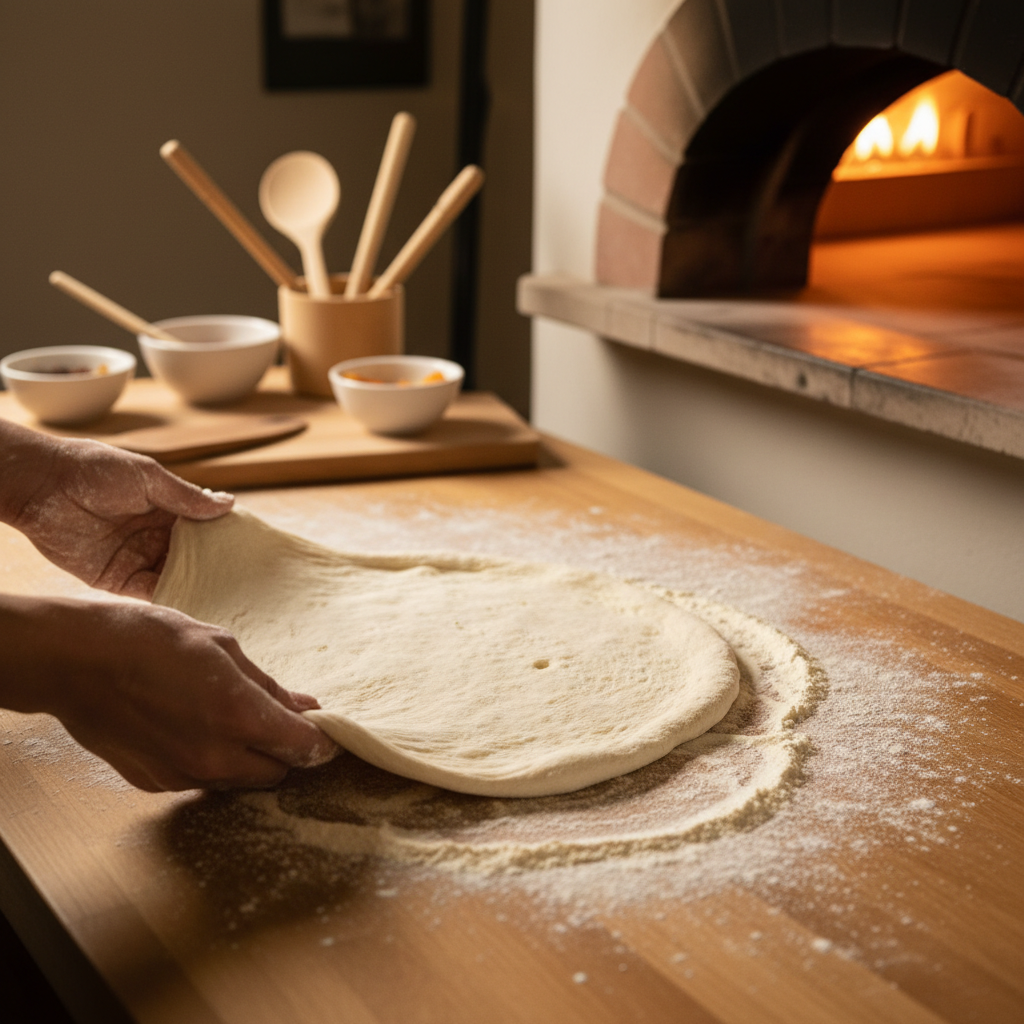
There’s something magical about making pizza dough from scratch. Sure, you could grab a bag from the store, but once you’ve tasted homemade? There’s no going back. Building on what we covered earlier, let’s dive into the real secrets that separate okay dough from absolutely incredible dough. Because here’s the thing—anyone can mix flour and water, but mastering the little details? That’s where the magic happens. We’re talking about dough that’s so good, your friends will start dropping hints about pizza night at your place.
Mastering the Dough Preparation Process
Making great pizza dough isn’t rocket science, but it does require understanding what’s actually happening when you mix those ingredients together. Think of flour, water, yeast, salt, and oil as a team—each player has a specific job. Get the water too hot and you’ll kill your yeast. Use the wrong flour and your crust won’t have that perfect chew. But nail the balance? You’re golden. If you want to build your confidence with foundational techniques, practicing with how mastering foundational recipes like homemade pancakes can really sharpen those basic skills that transfer beautifully to dough making.
Here’s where most people go wrong: they rush the mixing. You want everything combined evenly—no dry flour hiding in corners, no lumps lurking around. Whether you’re going old-school with your hands or using a mixer, consistency is everything. Then comes the kneading, and this is where patience pays off. Good kneading develops the gluten that gives your dough strength and stretch. Plus, that olive oil? It’s not just for flavor—it makes your dough tender and easier to work with. You might find inspiration in quick breakfast recipes too, where getting that balance of moisture and texture right makes all the difference between average and amazing.
Key Aspects of Dough Preparation
Let’s break down what really matters when you’re putting your dough together:
- Ingredient Measurement and Selection: This isn’t the time to eyeball measurements. Your flour, water, yeast, salt, and olive oil ratios matter more than you think. High-protein flour gives you better gluten structure (translation: better chew), and fresh yeast beats old yeast every single time. Once you understand what each ingredient brings to the party, you can start tweaking things to get exactly the crust you’re craving.
- Water Temperature and Activation of Yeast: Here’s a pro tip—lukewarm water around 105°F is your sweet spot. Too cold and your yeast just sits there. Too hot and you’ve basically murdered it. This step kicks off the fermentation that gives your dough life and flavor, so don’t rush it.
- Mixing Technique: Whether you’re doing this by hand or with a machine, you want everything smooth and elastic with zero dry flour visible. This sets you up for successful kneading, where the gluten forms those stretchy networks that trap all the good stuff your yeast produces.
- Kneading Duration and Method: Give it 8-10 minutes by hand, or 5-7 minutes with a mixer. You’ll know it’s ready when the dough feels smooth and bounces back when you poke it. Good kneading means you can stretch your dough later without it tearing on you.
Once you’ve got your preparation and kneading down, it’s time for the first rise. This is where your yeast really gets to work, creating all those carbon dioxide bubbles that make your crust light and airy. As you get more comfortable with the process, don’t be afraid to experiment. Small tweaks to ingredients and techniques can help you create exactly the pizza base that works best for your favorite toppings.
Shaping and Baking Techniques for the Perfect Crust
Now comes the fun part—turning that beautiful ball of dough into an actual pizza. But here’s where a lot of home cooks stumble. The way you shape your dough determines whether you get those gorgeous air pockets that make crust irresistible, or end up with something that tastes like cardboard. And don’t get me started on oven technique—temperature and timing can make or break everything you’ve worked for. The good news? Once you know these tricks, you’ll be making pizzeria-quality crust at home. For some creative pairing ideas, you might want to check out low carb dinner recipes to round out your homemade pizza nights with healthy sides.
Temperature is huge here. We’re talking 475°F to 500°F—hot enough to get that perfect crispy-outside, chewy-inside contrast. And here’s a game-changer: preheat your pizza stone or baking sheet. That immediate blast of heat is what creates those beautiful blistered spots on your crust. One more thing—resist the urge to overhandle your dough when shaping. Every extra poke and prod deflates those precious air bubbles you worked so hard to create. Let it rest for a few minutes after shaping, and it’ll be much more cooperative when it hits the oven.
Key Aspects of Shaping and Baking
Here’s what you need to focus on to nail the shaping and baking every time:
- Stretching vs Rolling Techniques: Hands down, stretching beats rolling every time. Rolling compresses your dough and squashes out all those lovely air bubbles. Stretching by hand might feel intimidating at first, but it preserves that airy texture that makes crust so satisfying. Practice makes perfect here.
- Avoiding Overhandling: Less is more when it comes to touching your dough. Every time you poke, prod, or reshape, you’re potentially deflating it. Work with purpose, and your crust will thank you with better texture and those coveted air pockets.
- Preheating and Using Pizza Stones: A pizza stone is like having a piece of a real pizza oven in your kitchen. It distributes heat evenly and pulls moisture away from the bottom of your crust, giving you that perfect crispy base. Preheat it for at least 30 minutes—trust me, it’s worth the wait.
- Optimal Baking Times and Temperature: High heat for 10-12 minutes usually does the trick, but every oven is different. Thick crust needs a bit longer, thin crust a bit less. You’ll develop a feel for your specific setup over time, and that’s when the real consistency starts.
The beautiful thing about mastering pizza dough is that it opens up so many possibilities. Once you’ve got the basics down, you can experiment with thickness, cooking methods, even different flours. Your friends and family will definitely notice the difference, and honestly? There’s something pretty satisfying about pulling a homemade pizza out of the oven that looks and tastes like it came from your favorite local spot. The versatility is endless too—thin and crispy for a light dinner, or thick and chewy when you want something more substantial.

There’s something magical about making pizza dough from scratch. Sure, you could grab a bag from the store, but trust me—once you’ve felt that perfect dough come together in your hands, there’s no going back. It starts with simple stuff: good flour, fresh yeast, water at just the right temperature. But here’s where it gets interesting. When you nail that balance between ingredients, your crust transforms completely. More chew, better crisp, that aroma that fills your kitchen? It’s like night and day.
And let’s talk about the kneading. I know it sounds like work, but it’s actually pretty therapeutic. You’ll start to feel when the dough is ready—it becomes smooth and elastic under your hands. When it comes time to shape it, resist the urge to grab that rolling pin. Stretch it gently by hand instead. Your crust will thank you with all those lovely air bubbles. Crank your oven as hot as it’ll go (seriously, don’t be shy), and if you’ve got a pizza stone, use it. The difference in that golden, crispy bottom is worth every penny.
Ready to put these skills to work? Start building your confidence with our guide on how to make pancakes from scratch—it’s perfect for getting comfortable with batters and basic techniques. Planning a pizza night? Check out these low carb dinner recipes for sides that won’t weigh you down. And if you’re like me and mornings are always rushed, these quick breakfast recipes will save you time without sacrificing taste.
Here’s the thing about homemade pizza dough—every batch teaches you something new. Maybe your first attempt isn’t perfect. So what? The next one will be better. Keep tweaking, keep experimenting, and most importantly, enjoy the process. Before you know it, you’ll be that person everyone calls when they want amazing homemade pizza. And honestly? That’s a pretty great reputation to have.
Frequently Asked Questions
-
Can I use whole wheat flour instead of all-purpose flour?
- Yes, you can use whole wheat flour, but it will affect the dough’s texture and rise. Whole wheat tends to produce a denser crust, so you might want to mix it with all-purpose flour for better results.
-
How long should the dough rise?
- Dough typically needs 1-2 hours to rise until it doubles in size. Timing can vary based on temperature and yeast activity, so ensure the dough is kept in a warm, draft-free spot.
-
Can I make dough ahead and freeze it?
- Absolutely. You can prepare dough in advance and freeze it for later use. Thaw it slowly in the refrigerator before shaping and baking to maintain texture and yeast activity.
-
What’s the best way to knead dough?
- You can knead dough by hand or with a mixer fitted with a dough hook. Knead until the dough is smooth and elastic—usually about 8-10 minutes by hand or 5-7 minutes with a mixer.
-
Do I need a pizza stone?
- No, a pizza stone is not mandatory but it helps achieve a crispier crust by evenly distributing heat and absorbing moisture from the dough during baking.