
Latin American Flavors? Chef’s Authentic Picks
The vibrant culinary landscape of Latin America has captivated food enthusiasts worldwide, offering an intoxicating blend of indigenous traditions, colonial influences, and regional innovation. From the smoky depths of Mexican mole to the bright citrus notes of Peruvian ceviche, authentic Latin American cuisine represents centuries of culinary evolution across diverse climates and cultures. Whether you’re seeking traditional family recipes passed down through generations or contemporary interpretations that push flavor boundaries, understanding what constitutes genuine Latin American cooking requires both palate awareness and cultural appreciation.
Finding an authentic Latin American restaurant that honors these traditions while delivering exceptional dining experiences can transform your understanding of regional flavors. This guide explores the essential characteristics of authentic Latin American cuisine, the signature dishes that define each culinary region, and the hallmarks that distinguish genuine establishments from mere approximations of these rich food traditions.
Understanding Authentic Latin American Cuisine
Authentic Latin American cuisine transcends simple categorization, representing a sophisticated tapestry woven from pre-Columbian ingredients, Spanish colonial techniques, African culinary traditions, and Asian influences introduced through centuries of trade and migration. The foundation of genuine Latin American cooking rests upon respect for ingredient quality, understanding flavor layering, and honoring the cultural narratives embedded within each dish.
The authenticity of a Latin American restaurant manifests through several critical dimensions. First, ingredient sourcing matters profoundly—authentic establishments prioritize fresh chilies, heirloom beans, masa made from nixtamalized corn, and proteins prepared using traditional methods. Second, flavor balance demonstrates deep culinary knowledge, as Latin American cooking masterfully combines heat, acidity, earthiness, and brightness within single dishes. Third, menu composition reveals whether chefs understand regional distinctions, as Mexican cuisine differs fundamentally from Peruvian, Argentine, or Brazilian traditions.
The Culinary Institute of America and various culinary education institutions recognize Latin American cuisine as a sophisticated field requiring specialized knowledge. Authentic practitioners study regional variations, seasonal ingredient availability, and the historical contexts that shaped distinct flavor profiles across the continent.
Regional Flavor Profiles and Signature Dishes
Mexican cuisine stands as perhaps the most internationally recognized Latin American culinary tradition, yet its complexity often remains underappreciated. Authentic Mexican cooking emphasizes dried chili peppers—whether smoky pasilla, fruity ancho, or fiery habanero—as foundational flavor elements rather than mere heat sources. Mole represents the pinnacle of Mexican culinary sophistication, with recipes containing dozens of ingredients layered across hours of preparation. The earthiness of beans, the brightness of lime and cilantro, and the subtle warmth of cinnamon and chocolate create flavor dimensions that casual diners often miss entirely.
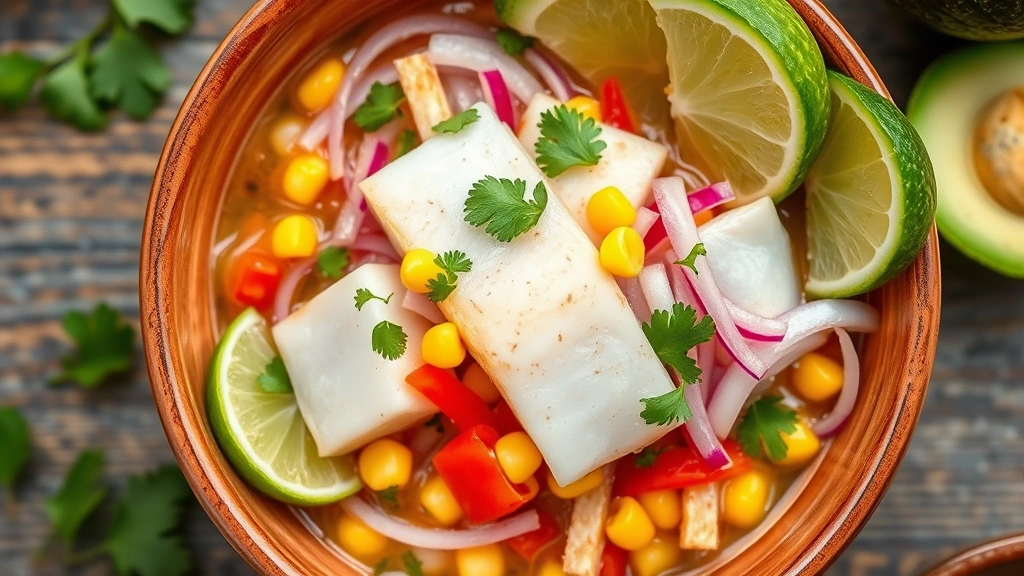
Peruvian cuisine has gained international prominence, celebrated for its exceptional ingredient diversity and innovative techniques. Ceviche exemplifies Peruvian culinary philosophy—raw fish transformed through acid’s transformative power, enhanced with chilies, lime, and coastal aromatics. The cuisine incorporates potatoes in hundreds of varieties, fresh seafood from Pacific waters, and indigenous chilies like ají amarillo that provide distinctive color and fruity heat. Peruvian chefs understand that authentic cooking requires respecting ingredient integrity while creating harmonious flavor compositions.
Brazilian cuisine celebrates tropical abundance and African-influenced techniques, with dishes like feijoada representing hours of slow cooking and careful spice balancing. The coconut-forward dishes of coastal regions, the hearty bean stews of interior traditions, and the fresh fruit preparations showcase Brazil’s agricultural richness. Argentine cuisine, by contrast, emphasizes grilled meats and Italian-influenced pasta traditions, with chimichurri sauce representing the intersection of Spanish, indigenous, and immigrant culinary traditions.
Central American cuisines—from Guatemala to Costa Rica—emphasize corn, beans, tropical fruits, and the careful balance of chilies with fresh herbs. Caribbean Latin American cooking incorporates coconut milk, plantains, and seafood preparations influenced by African, Spanish, and indigenous traditions. Each region’s flavor profile reflects its geography, history, and cultural composition.
When selecting a Latin American restaurant for special occasions, understanding these regional distinctions ensures you’re experiencing authentic culinary traditions rather than homogenized approximations.
Essential Ingredients That Define the Cuisine
Chilies form the backbone of Latin American cooking, functioning as vegetables, spices, and flavor anchors simultaneously. Fresh green chilies provide brightness and immediate heat, while dried varieties contribute complexity—smoked jalapeños (chipotles) add depth, guajillos offer fruity undertones, and ghost peppers deliver intense, lingering fire. Authentic restaurants maintain relationships with suppliers providing fresh, properly dried chilies rather than relying on generic chili powders.
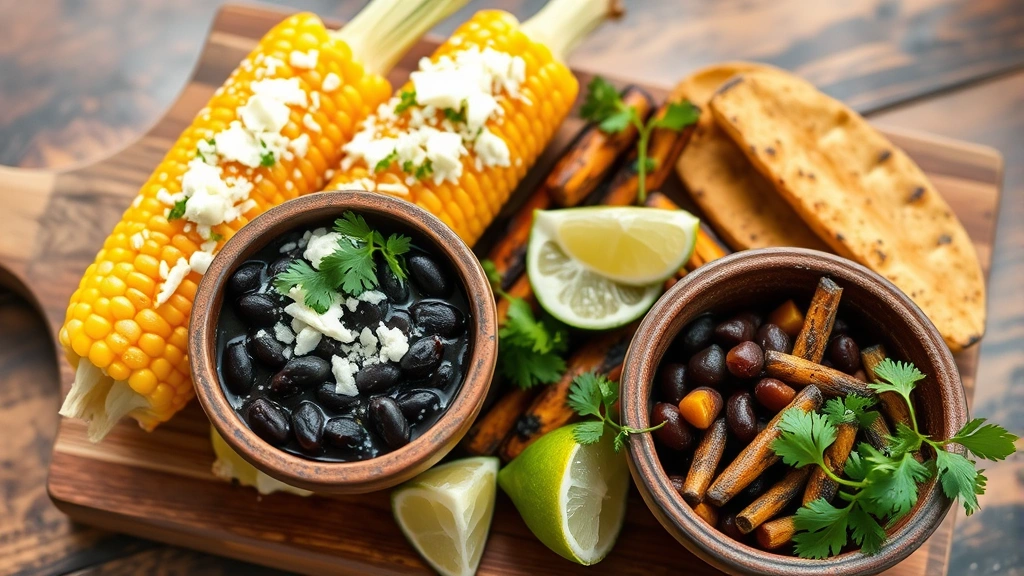
Corn represents another foundational ingredient, consumed as fresh elote (corn), dried kernels for pozole, and ground masa for tortillas and tamales. The nixtamalization process—treating corn with alkaline solution—transforms its nutritional profile and flavor, creating the distinctive corn taste that defines authentic tortillas and masa-based preparations. This ancient technique, refined over thousands of years, cannot be rushed or simplified without compromising authenticity.
Beans—whether black, pinto, kidney, or heirloom varieties—provide protein, earthiness, and cultural significance across Latin America. Slow-cooked beans develop creamy textures and deep flavors that canned alternatives cannot replicate. Cilantro, lime juice, and fresh onions appear across virtually every Latin American cuisine, providing bright, acidic counterpoints to richer preparations. Cumin, oregano, and achiote (annatto) contribute warm, earthy dimensions.
Tropical fruits—mangoes, papayas, plantains, avocados—appear fresh in salsas, ceviches, and side preparations, while coconut milk features prominently in Caribbean and Central American dishes. Quality seafood, particularly in coastal regions, demands freshness and respect—ceviche requires impeccably fresh fish, while seafood stews benefit from sustainable sourcing and proper cooking technique.
What Makes a Restaurant Truly Authentic
Authentic Latin American restaurants demonstrate several distinguishing characteristics that reveal genuine culinary commitment. First, menu composition should reflect regional specificity—a Mexican restaurant shouldn’t casually blend Oaxacan mole with Yucatecan cochinita pibil without explanation or regional organization. Second, preparation methods matter profoundly; authentic establishments make fresh tortillas, slow-cook beans properly, and prepare complex sauces from whole ingredients rather than shortcuts.
The kitchen staff’s background provides crucial insight into authenticity. Chefs with family connections to the cuisines they prepare, or those who’ve studied extensively with traditional practitioners, typically demonstrate superior understanding of flavor balance and cultural context. Language on menus—using Spanish terminology accurately—suggests deeper cultural engagement than anglicized approximations.
Beverage selections reveal authenticity too. Beyond generic margaritas, authentic establishments offer Mexican aguas frescas, horchata, and proper tequila selections. Brazilian restaurants feature cachaça-based cocktails, while Peruvian establishments showcase pisco preparations. These details indicate whether establishments view beverages as integral to the dining experience or merely supplementary.
Ambiance and service style should reflect cultural authenticity without veering into caricature. Warm hospitality, family-style service options, and genuine engagement with guests about dishes and their origins suggest establishments treating Latin American cuisine with appropriate respect.
When exploring restaurants offering special dining experiences, authentic Latin American establishments often provide family celebrations, multi-course tastings, and wine pairings reflecting their culinary sophistication.
Dining Experiences Across Latin American Regions
Mexican dining traditions emphasize sharing and family-style service, with multiple small plates encouraging communal eating and flavor exploration. Breakfast traditions featuring chilaquiles, tamales, and fresh fruit demonstrate the cuisine’s sophistication beyond dinner service. Authentic Mexican restaurants honor these traditions, offering breakfast and lunch menus alongside dinner preparations.
Peruvian dining culture celebrates ingredient quality and innovative technique, with cevichería (seafood-focused) establishments representing specialized restaurants dedicated to this singular preparation. Peruvian dining experiences often progress through multiple courses, with ceviche as an opening course rather than complete meal, followed by warm preparations like causa limeña (layered potato dish) and grilled seafood.
Brazilian churrascarias represent distinctive dining experiences where tableside meat service combines with extensive salad bars and traditional sides like black beans and rice. These restaurants celebrate grilled meat traditions while maintaining the balance and variety characteristic of authentic Brazilian cuisine.
Argentine parrillas (grill restaurants) emphasize exceptional beef, grilled vegetables, and the foundational importance of chimichurri sauce. Dining experiences at authentic Argentine establishments showcase the intersection of European culinary techniques with South American ingredient quality and grilling traditions.
Central American and Caribbean establishments often emphasize casual dining, generous portions, and the vibrant colors and flavors reflecting tropical abundance. These restaurants typically feature rice and beans as foundational sides, fresh tropical fruits in beverages and desserts, and the careful balance of coconut milk with fresh herbs and seafood.
Understanding these regional dining traditions helps diners approach Latin American restaurants with appropriate expectations and appreciation for how chefs structure menus and service experiences.
Pairing Wines and Beverages with Latin American Dishes
Wine pairing with Latin American cuisine requires understanding how acidity, tannin structure, and flavor profiles interact with complex spice layers, heat, and bright citrus elements. Mexican cuisine’s varied regional traditions demand flexible pairing approaches—rich moles pair beautifully with aged Tempranillo or Garnacha from Spain, while lighter ceviches and fresh preparations benefit from crisp albariño or sauvignon blanc.
Peruvian wines, particularly those from high-altitude regions, offer excellent pairings for the cuisine’s emphasis on fresh seafood and bright acidity. Peruvian sauvignon blancs and aromatic whites complement ceviche’s lime-forward profiles, while fuller-bodied whites handle causa limeña and grilled fish preparations. Argentine Malbec and Cabernet Sauvignon represent obvious pairings for grilled meats, but lighter reds and whites offer excellent matches for vegetable-forward preparations and seafood dishes.
Brazilian cuisine’s tropical fruit elements and coconut milk components pair well with off-dry whites, aromatic varieties like Gewürztraminer, and light reds with low tannin structure. Sparkling wines work across virtually all Latin American cuisines, providing palate refreshment between courses and complementing both light and rich preparations.
Beyond wine, traditional beverages deserve exploration. Mexican aguas frescas—refreshing drinks made from rice, seeds, or fruit—provide hydration and flavor contrast. Brazilian cachaça represents a sophisticated spirit for both sipping and cocktail preparation. Peruvian pisco offers versatility for both traditional sours and contemporary cocktails. These beverages, when featured prominently on restaurant menus, indicate establishments valuing authentic dining experiences.
For those interested in exploring diverse culinary traditions, reviewing International Association of Culinary Professionals resources provides insights into how chefs approach authentic cuisine preparation and beverage pairing philosophy.
Temperature and serving style matter significantly in Latin American dining. Many preparations—ceviches, fresh salsas, and cold soups like gazpacho variations—demand proper chilling and immediate service. Conversely, slow-cooked preparations like mole, feijoada, and pozole require sustained heat and proper resting periods that develop flavor depth. Authentic restaurants understand these distinctions and execute them consistently.
The sensory experience of authentic Latin American dining extends beyond taste to encompass aroma, texture, and visual presentation. The distinctive smell of corn being nixtamalized, the vibrant colors of fresh chilies and tropical fruits, and the textural contrasts between crispy elements and creamy preparations create multisensory experiences that casual dining cannot replicate. These sensory dimensions form the foundation of why authentic cuisine remains memorable and transformative.
FAQ
What distinguishes authentic Latin American cuisine from casual interpretations?
Authentic Latin American cuisine emphasizes proper ingredient sourcing, traditional preparation techniques, and deep understanding of regional flavor profiles. Casual interpretations often simplify complex dishes, rely on shortcuts, and blur regional distinctions. Authentic establishments maintain relationships with ingredient suppliers, prepare components from whole ingredients, and structure menus reflecting specific regional traditions rather than generic “Latin American” approximations.
How important is the chef’s background in determining authenticity?
A chef’s background significantly influences their ability to execute authentic cuisine. Those with family connections to the cuisines they prepare, or who’ve studied extensively with traditional practitioners, typically demonstrate superior understanding of flavor balance, ingredient selection, and cultural context. However, dedicated non-native chefs who’ve invested years in study and practice can also achieve authentic results through commitment and respect for traditions.
What should I look for when selecting a Latin American restaurant?
Evaluate menu composition for regional specificity, observe preparation methods (fresh tortillas, slow-cooked components), assess ingredient quality, review beverage selections reflecting the cuisine’s traditions, and consider staff knowledge and engagement. Visit during less busy periods to observe kitchen operations, read reviews emphasizing consistency and authenticity, and don’t hesitate to ask servers about dishes’ origins and preparation methods.
How do regional Latin American cuisines differ from one another?
Each Latin American cuisine reflects its geography, history, and cultural composition. Mexican cuisine emphasizes dried chilies and corn-based preparations; Peruvian cooking celebrates ingredient diversity and seafood; Brazilian cuisine incorporates tropical fruits and African influences; Argentine cooking emphasizes grilled meats and Italian traditions; Central American and Caribbean cuisines showcase tropical abundance and coconut-forward preparations. Understanding these distinctions enhances appreciation for each tradition’s unique characteristics.
What role do traditional beverages play in authentic dining?
Traditional beverages—Mexican aguas frescas, Brazilian cachaça, Peruvian pisco—form integral components of authentic dining experiences rather than supplementary offerings. These beverages reflect cultural traditions, provide palate refreshment, and demonstrate establishments’ commitment to comprehensive authenticity. Restaurants featuring traditional beverages prominently typically maintain higher standards across all dining dimensions.
Can I find authentic Latin American cuisine in non-Latin American regions?
Yes, authentic Latin American cuisine exists wherever dedicated chefs have invested in learning traditions, sourcing proper ingredients, and respecting cultural contexts. While geographic proximity to ingredient sources offers advantages, passionate practitioners worldwide have established authentic restaurants. Look for indicators of commitment—ingredient sourcing efforts, staff backgrounds, menu specificity—rather than assuming location determines authenticity.
How should I approach pairing wines with Latin American dishes?
Consider the dish’s dominant flavor characteristics: bright acidity in ceviches pairs well with crisp whites; rich moles benefit from aged reds with structure; grilled meats work with fuller-bodied wines; tropical fruit elements pair with off-dry whites or light reds. Don’t overlook traditional beverages—pisco, cachaça, and aguas frescas offer sophisticated pairing alternatives to wine, reflecting authentic dining traditions.