Maui’s culinary landscape has undergone a remarkable transformation over the past decade, evolving from a destination known primarily for resort dining into a genuine gastronomic hub where local chefs showcase the islands’ extraordinary ingredients. From the volcanic slopes of Haleakala to the sun-soaked beaches of Wailea, Maui restaurants reflect a sophisticated blend of Hawaiian traditions, Asian influences, and contemporary farm-to-table philosophy. Whether you’re seeking an intimate oceanfront experience or a casual gathering with family and friends, the island offers dining venues that capture the essence of island living through meticulously sourced ingredients and innovative culinary techniques.
As a culinary explorer who has spent considerable time tasting through Maui’s restaurant scene, I’ve discovered that the true magic happens when chefs prioritize local relationships with farmers, fishermen, and producers. The restaurants that resonate most deeply are those that understand the terroir of Maui—the volcanic soil that enriches produce, the pristine waters that yield exceptional seafood, and the cultural heritage that informs every plate. This guide represents conversations with local chefs, countless tastings, and a genuine passion for understanding what makes Maui’s food culture distinct and memorable.
Oceanfront Fine Dining Destinations
The oceanfront dining establishments on Maui represent the pinnacle of island hospitality, where the sensory experience extends far beyond the plate. These restaurants command premium positions along the coastline, yet they’ve earned their accolades through culinary excellence rather than location alone. The finest establishments feature menus that shift with seasonal availability, reflecting a chef’s commitment to capturing the island’s current bounty at peak flavor.
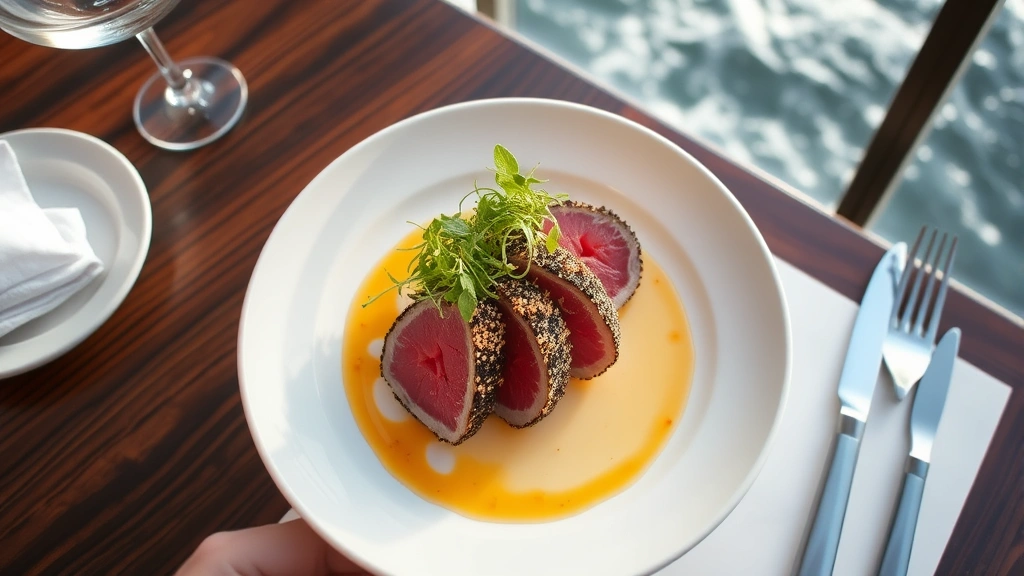
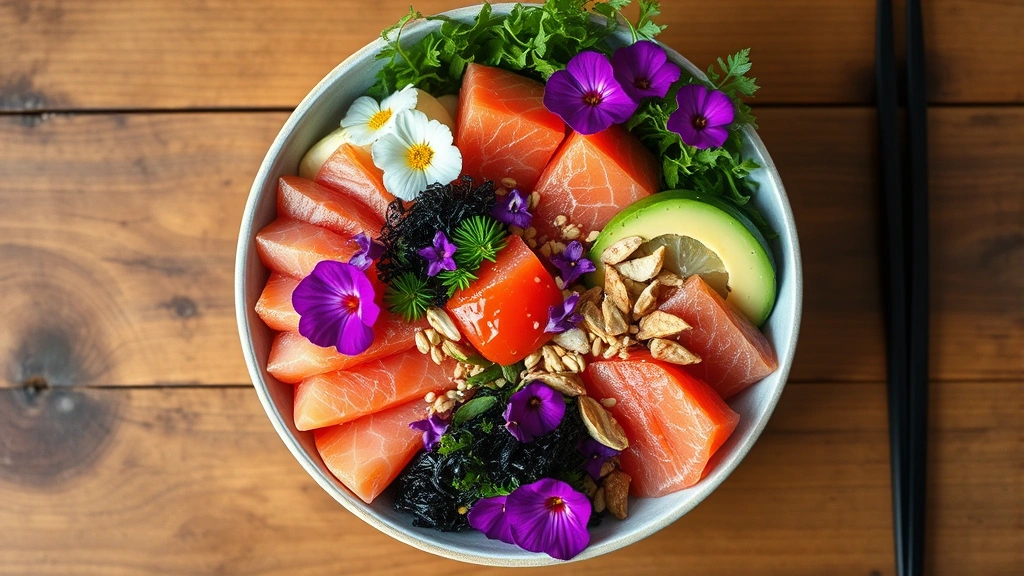
Wailea’s most celebrated fine dining venues showcase an extraordinary attention to detail in both preparation and presentation. Picture succulent ahi tuna prepared with barely a kiss of heat, its deep ruby interior contrasting with a delicate sesame-crusted exterior, accompanied by microgreens gathered that very morning from Upcountry farms. The sauces demonstrate sophisticated understanding of flavor balance—a yuzu-infused ponzu that provides brightness without overwhelming the fish’s natural umami depth. These dishes arrive on carefully considered plateware, each element positioned to guide your eye and palate through a deliberate progression of flavors and textures.
One particular oceanfront establishment has mastered the art of highlighting Maui’s exceptional seafood through elegant preparation. The tasting menu format allows chefs to demonstrate their versatility and seasonal creativity, moving from delicate crudo preparations to more substantial composed plates featuring local fish with complementary vegetables and refined sauces. The wine program here deserves special mention—carefully curated selections that pair intelligently with island ingredients, including notable Californian and imported options alongside smaller production discoveries.
Farm-to-Table Philosophy on the Island
The farm-to-table movement on Maui extends far beyond a marketing concept; it represents a fundamental philosophy embraced by chefs who understand their direct relationship with the land. Several restaurants have established exclusive partnerships with specific farmers, sometimes dedicating entire menu sections to showcasing a particular producer’s seasonal specialties. This commitment requires flexibility, intuition, and genuine passion for letting ingredients speak for themselves.
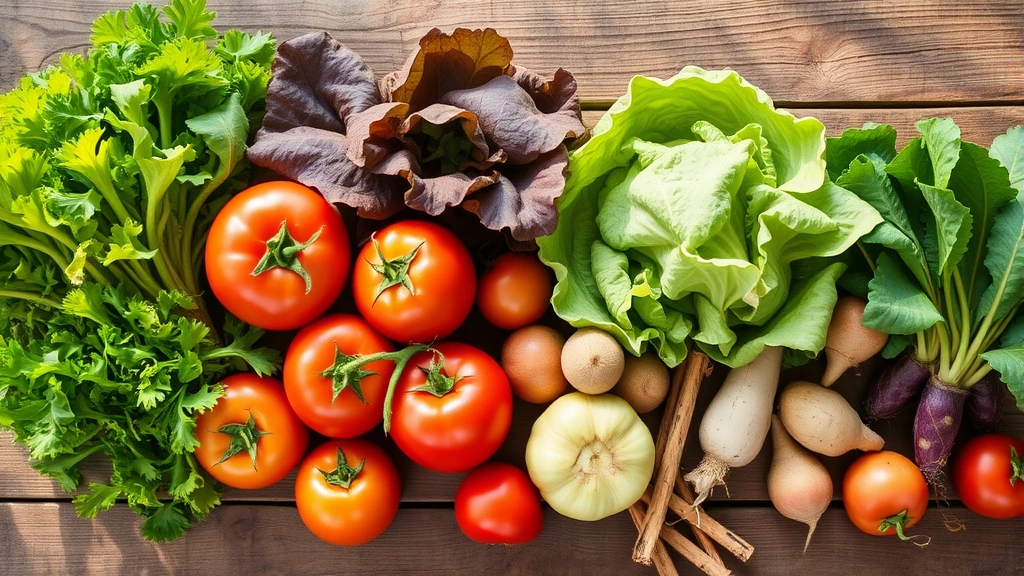
Upcountry Maui, particularly around Kula, produces some of Hawaii’s most remarkable vegetables and fruits. Local chefs have discovered that cool-season crops flourish in this elevation, yielding lettuces with extraordinary delicacy, heirloom tomatoes with concentrated sweetness, and root vegetables of remarkable quality. When these ingredients arrive at restaurants within hours of harvest, chefs approach them with reverence. A simple salad becomes a meditation on terroir—the volcanic soil’s mineral notes evident in the vegetables’ flavor profiles, the island’s consistent sunshine captured in their vibrant colors.
Beyond vegetables, Maui restaurants source from passionate small producers creating artisanal products. Local cheese makers craft distinctive varieties; honey producers offer distinct flavor profiles reflecting the flowers available at different elevations; coffee farmers on the slopes of Haleakala produce beans with unique characteristics. Chefs who embrace this philosophy often feature these products prominently, sometimes dedicating entire courses to showcasing a single producer’s work. The result transforms dining into a conversation about place, season, and agricultural dedication.
This commitment extends to vegetarian-focused dining options, where plant-based cuisine achieves remarkable sophistication through access to premium ingredients. Vegetable-forward menus don’t rely on heavy sauces or meat substitutes; instead, they celebrate the natural flavors and textures of carefully selected produce, prepared with techniques that enhance rather than mask their essential character.
Casual Local Favorites Worth Visiting
Beyond fine dining establishments, Maui’s most authentic culinary experiences often happen in casual neighborhood venues where locals gather regularly. These restaurants operate with less pretense but equal dedication to quality, often specializing in specific cuisines or preparation styles that reflect the chef’s personal heritage or passion.
The plate lunch tradition remains central to Maui’s food culture—a legacy of plantation-era workers who developed this convenient, satisfying format. Contemporary versions elevate the concept through premium ingredients and thoughtful preparation. Imagine kalua pork so tender it dissolves on your tongue, its smoky depth balanced by subtle sweetness; served alongside rice infused with coconut and chicken stock, and vegetables prepared with care rather than mere convenience. These meals offer exceptional value and authentic connection to Hawaiian food traditions.
Casual seafood venues near the harbors offer another category of essential dining. These establishments receive fish daily from local boats, often preparing it simply to showcase its pristine quality. Grilled mahi-mahi with minimal seasoning, allowing the fish’s delicate sweetness to emerge; poke bowls layered with different preparations of raw fish, each with distinct marinades that complement rather than overwhelm; fish tacos featuring crispy-exterior, tender-interior fish with carefully balanced slaw and sauce—these dishes represent unpretentious excellence.
For those seeking family restaurants that accommodate diverse preferences, Maui offers excellent options combining casual atmosphere with genuine culinary care. These venues understand that families include children with varying palates, yet they refuse to compromise on ingredient quality or preparation standards. Parents can enjoy sophisticated dishes while children receive properly executed versions of familiar foods.
Immersive Culinary Experiences
Several Maui restaurants have moved beyond traditional dining to create comprehensive culinary experiences that engage multiple senses and often include educational components. These venues recognize that contemporary diners seek more than sustenance; they want connection, understanding, and memorable narratives woven through their meals.
Chef’s counter seating arrangements have become increasingly popular, allowing diners to observe preparation directly while engaging with culinary professionals. This proximity transforms dining into performance and education simultaneously. You witness the precision of knife work, understand the timing required to coordinate multiple components, and gain appreciation for the seemingly effortless execution that actually represents years of training and repetition. Conversations with chefs become natural, often revealing the thinking behind menu selections, ingredient sourcing philosophy, and personal culinary influences.
Multi-course tasting menus offer another immersive approach, where chefs design progression through flavors, textures, and techniques. Rather than choosing individual dishes, you surrender to the chef’s vision, experiencing their interpretation of current seasonal availability and their perspective on how courses should build upon each other. These menus often include wine or beverage pairings, with servers explaining complementary relationships and guiding you through flavor interactions.
Some establishments have begun incorporating educational components—brief explanations of ingredient origins, preparation techniques, or cultural context. This transforms dining from passive consumption into active learning, deepening your appreciation for the work represented on each plate.
Dining by Region and Specialty
West Maui (Lahaina and Kaanapali): This region balances tourist convenience with genuine culinary quality. Oceanfront venues here excel at showcasing island ingredients with sophisticated technique, while casual neighborhood restaurants serve authentic local cuisine. The area offers excellent options for those seeking healthy food restaurant experiences that don’t sacrifice flavor or satisfaction.
South Maui (Kihei and Wailea): Premium resort dining concentrates here, with several restaurants achieving recognition for innovative menus and exceptional execution. These establishments often employ chefs trained at prestigious culinary institutions, bringing contemporary techniques to island ingredients. The dining scene here tends toward higher price points but delivers corresponding sophistication.
Central Maui (Kahului and Wailuku): Often overlooked by tourists, this region contains some of Maui’s most authentic and affordable dining. Local communities support restaurants here, meaning quality standards remain high without resort-level pricing. You’ll discover exceptional poke, plate lunches, and ethnic cuisine reflecting Maui’s diverse population.
Upcountry (Kula and Makawao): Cool elevation creates distinct agricultural opportunities and attracts chefs seeking quieter environments. Restaurants here often emphasize local sourcing from nearby farms, with menus reflecting seasonal harvests. The casual, artistic atmosphere appeals to those seeking culinary experiences with less formality but equal care.
East Maui (Paia and Hana): This artistic community supports casual, creative venues where chefs experiment freely. Vegetarian and health-conscious options proliferate here, reflecting the community’s values. The scenic beauty and relaxed atmosphere enhance the dining experience considerably.
What Local Chefs Recommend
Conversations with Maui’s culinary professionals reveal consistent themes about what makes dining experiences memorable. Most emphasize the importance of timing—visiting restaurants during their optimal seasons when specific ingredients reach peak availability. A chef might create a signature dish featuring a particular fish only during months when that species swims closest to Maui’s shores, or highlight a vegetable only when Upcountry farms reach harvest.
Local chefs universally recommend embracing menu flexibility and seasonal variation. Rather than expecting consistent dishes throughout the year, understanding that your favorite restaurant’s menu evolves reflects appreciation for their commitment to ingredient quality. This philosophy directly opposes chain restaurant standardization, instead celebrating the dynamic nature of ingredient-driven cuisine.
Several accomplished chefs emphasize the importance of respecting cultural traditions while advancing technique. Dishes rooted in Hawaiian, Japanese, or Portuguese culinary heritage appear on menus not as novelties but as expressions of Maui’s diverse food culture. When chefs honor these traditions through authentic preparation while applying contemporary skills, the results achieve remarkable depth.
Regarding beverage pairings, local professionals recommend exploring Hawaiian-produced options alongside traditional wine and spirits. Local craft breweries, coffee roasters, and spirit producers create distinctive products reflecting island terroir. These selections often pair beautifully with local cuisine in ways that imported options, however excellent, cannot fully achieve.
Many chefs recommend exploring culinary techniques at home, understanding preparation methods that allow you to better appreciate restaurant execution. This knowledge transforms dining from passive consumption into informed appreciation, deepening your enjoyment of professional work.
For those seeking specific experiences, local chefs suggest researching restaurant philosophies before visiting. Understanding whether an establishment prioritizes fine dining precision, casual authenticity, farm-to-table sourcing, or cultural preservation helps set appropriate expectations and ensures your dining choice aligns with your current desires.
Several accomplished chefs have earned recognition from prestigious culinary organizations and publications, including Chef’s Feedback and features in Saveur Magazine. These professionals often contribute to broader culinary conversations through participation with organizations like the International Association of Culinary Professionals, bringing Maui’s food culture to national attention. The Hawaii Chefs Association serves as a professional network supporting culinary excellence across the islands, while culinary education institutions increasingly feature Hawaiian cuisine in their curricula, recognizing its significance in contemporary American food culture.
Understanding Maui’s restaurant scene requires appreciating that exceptional dining experiences exist at every price point and formality level. The finest meal you have might occur at a casual beachside shack where a dedicated cook prepares the day’s catch with minimal intervention, allowing the fish’s quality to dominate. Equally, a meticulously composed fine dining tasting menu might transform your perspective on what’s possible when technique, creativity, and premium ingredients align.
For those interested in healthy snacking options, many Maui restaurants accommodate dietary preferences without compromising flavor or satisfaction. The island’s abundant fresh produce and commitment to quality ingredients make health-conscious dining not merely possible but genuinely delicious.
FAQ
What is the best time to visit Maui for dining experiences?
While Maui offers excellent dining year-round, certain seasons highlight specific ingredients. Winter months bring exceptional fish populations, summer features peak produce from Upcountry farms, and shoulder seasons offer excellent value with fewer crowds. Consider planning visits around ingredient availability rather than calendar dates.
How far in advance should I book fine dining reservations?
Premium establishments often require reservations weeks in advance, particularly during peak season. However, many excellent restaurants maintain tables for walk-ins, especially during off-peak hours or seasons. Calling ahead remains advisable even for casual venues to confirm current operations and menu availability.
Are there restaurants that accommodate dietary restrictions on Maui?
Yes, most Maui restaurants accommodate vegetarian, vegan, gluten-free, and allergy-related requirements. Communicating preferences clearly when booking or ordering ensures chefs can prepare appropriate alternatives without compromising flavor or quality. Many establishments pride themselves on creative solutions for dietary needs.
What should I expect to spend on dining in Maui?
Casual local restaurants typically cost $12-25 per person, mid-range establishments $30-60, and fine dining $75-150+ per person before beverages. Exceptional value exists at all price points; cost correlates more with venue type and location than necessarily with quality.
How do I discover authentic local restaurants away from tourist areas?
Exploring Central and Upcountry Maui reveals local favorites, asking hotel staff for neighborhood recommendations, and visiting during lunch hours when locals dine often yields discoveries. Conversing with restaurant staff about their sourcing and cooking philosophy reveals genuine passion for culinary excellence.
What are signature Maui dishes I should try?
Ahi poke prepared multiple ways, kalua pork, laulau (pork wrapped in taro leaves), plate lunch combinations, fresh mahi-mahi preparations, and lilikoi (passion fruit) desserts represent essential Maui culinary experiences. Seek out preparations reflecting local traditions rather than westernized interpretations.