
Authentic Nepali Flavors? Chef’s Top Picks Revealed
Nepali cuisine represents one of the world’s most underappreciated culinary traditions, a magnificent tapestry of Himalayan spices, ancient cooking techniques, and regional diversity that deserves far greater recognition on the global gastronomic stage. From the bustling streets of Kathmandu to the serene valleys of the Annapurna region, Nepali food tells stories of cultural exchange, agricultural abundance, and generations of flavor refinement. Whether you’re seeking authentic restaurant dining experiences or exploring diverse global cuisines, understanding Nepali flavors opens doors to extraordinary taste sensations.
The essence of Nepali cooking lies in its bold use of spices, the careful balance of heat and earthiness, and an unwavering commitment to using fresh, locally-sourced ingredients. The cuisine reflects Nepal’s geography and history—influenced by Indian culinary traditions to the south, Tibetan techniques to the north, and centuries of trade routes that brought exotic spices and cooking methods through mountain passes. When experienced authentically at a quality nepali restaurant, these flavors transport diners to the heart of the Himalayas.
Signature Dishes Every Foodie Must Try
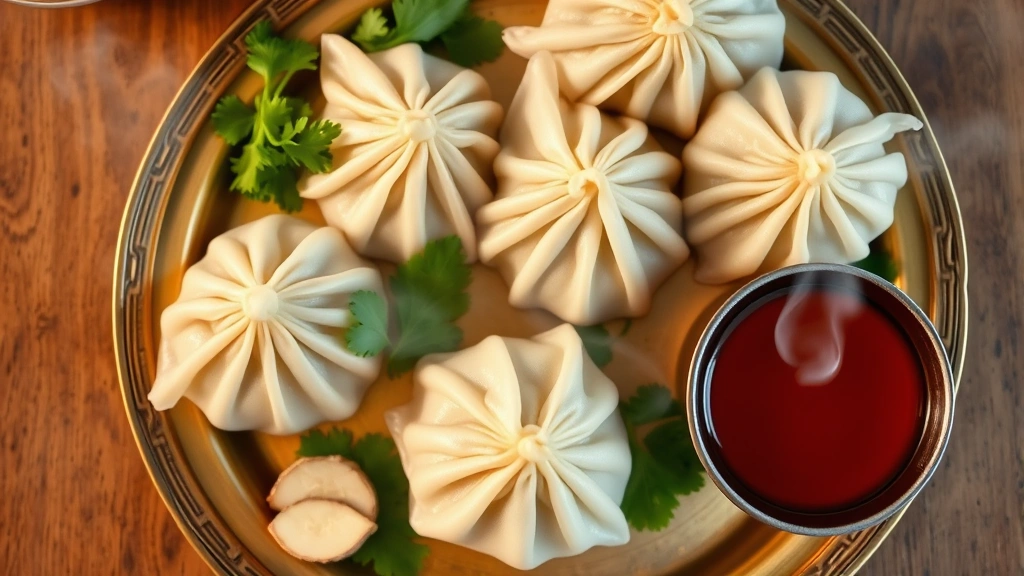
When exploring authentic Nepali cuisine, certain dishes have achieved legendary status for their complexity, depth, and ability to showcase the region’s culinary mastery. Momos stand as perhaps the most iconic Nepali dish globally, yet many diners never experience them prepared with genuine authenticity and respect for traditional methods. These delicate dumplings, typically filled with spiced meat or vegetables, represent centuries of Himalayan cooking wisdom compressed into individual parcels of pure flavor. The wrapper itself—thin, tender, yet structurally sound enough to hold steaming filling—requires skill that takes years to master. The filling demands precise seasoning balance: garlic, ginger, fresh coriander, cumin, and chilies working in concert rather than competing.
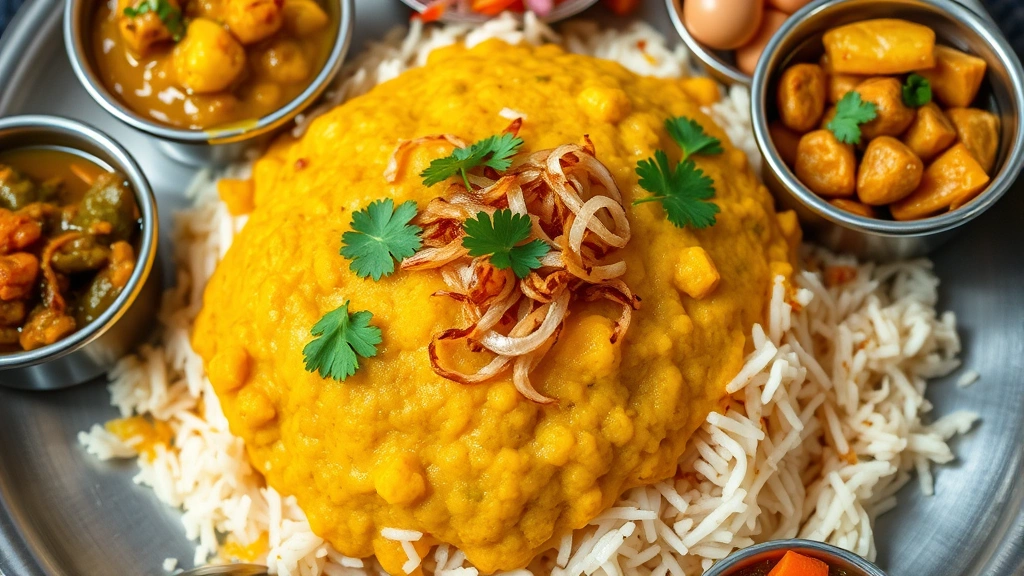
Dal Bhat, the national dish of Nepal, exemplifies how simple ingredients can achieve profound complexity when handled with expertise and understanding. This rice and lentil combination, typically accompanied by accompanying curries and vegetable preparations, nourishes both body and soul. The dal itself—a slow-cooked lentil curry—requires hours of patient simmering to develop its characteristic silky texture and rich, deeply savory character. Quality Nepali restaurants understand that dal bhat demands respect: the lentils must be sourced carefully, the spice tempering (tadka) must be executed at precisely the right moment, and the overall dish must achieve a harmonious balance that feels both comforting and sophisticated.
Chow Mein, the Nepali adaptation of Chinese noodles, deserves serious consideration as a culinary achievement rather than casual street food. When prepared authentically, this dish showcases Nepali cooks’ ability to adapt foreign techniques while infusing them with distinctive local character. The wok work alone demands incredible skill—the noodles must achieve specific texture, with some edges catching caramelization while the interior remains tender. Vegetables contribute not just nutrition but textural contrast and subtle flavor notes that elevate the dish beyond simple carbohydrate delivery.
Newari Cuisine deserves special attention, as this Kathmandu Valley tradition represents the most refined and complex expression of Nepali cooking. Newari food emphasizes meats, fermented preparations, and intricate spice combinations that reflect centuries of cultural sophistication. Diverse dining establishments occasionally feature Newari specialties, though authentic preparation remains relatively rare outside Nepal.
Understanding Nepali Spice Profiles
The spice palette of Nepali cooking differs significantly from both Indian and Southeast Asian traditions, creating a unique sensory experience that distinguishes the cuisine immediately upon first taste. Cumin serves as a foundational spice, providing warm, slightly nutty undertones that anchor countless dishes. The cumin used in Nepal often comes from specific regions known for superior flavor complexity, and traditional cooks understand that toasting whole seeds before grinding releases essential oils and deepens the flavor exponentially.
Coriander appears both as seeds and fresh leaves (cilantro), offering bright, citrusy notes that balance heavier spices and add freshness to rich preparations. Nepali cooks use coriander with remarkable restraint compared to some neighboring cuisines, understanding that this spice should enhance rather than dominate. The fresh leaves appear abundantly as garnish and ingredient, contributing not just flavor but visual appeal and textural contrast.
Turmeric provides the golden hue and earthy warmth characteristic of Nepali curries, though the spice appears in more modest quantities than in much Indian cooking. This restraint allows other flavors to emerge clearly rather than becoming buried under turmeric’s assertive earthiness. Quality turmeric sourced from Nepal’s own growing regions offers superior flavor complexity compared to generic commercial varieties.
Chili peppers in various forms—fresh green chilies, dried red chilies, and chili powder—deliver heat while contributing depth and subtle sweetness. Nepali cooks understand heat as a flavor component rather than mere sensation; the goal involves building layers of spice that warm the palate without overwhelming it. The balance between immediate heat and lingering warmth separates authentic preparation from heavy-handed spicing.
Fenugreek, asafoetida, mustard seeds, and cardamom appear in specific preparations, each contributing distinctive character. These spices work in supporting roles, enhancing overall complexity without demanding center stage. Understanding when and how to employ these secondary spices separates competent cooking from truly masterful preparation.
Fresh aromatics—garlic, ginger, and onions—form the flavor foundation for most Nepali dishes, similar to many Asian cuisines. However, Nepali cooks often employ these ingredients in different proportions and applications than neighboring traditions. Ginger appears both fresh and in powdered form, contributing warming spice that complements rather than overwhelms. Garlic receives respectful treatment, used generously enough to assert its presence while avoiding the burnt, acrid character that results from careless cooking.
Regional Flavor Variations Across Nepal
Nepal’s diverse geography creates distinct regional cuisines that reflect local ingredients, cultural influences, and culinary traditions developed over centuries. Understanding these variations provides essential context for appreciating authentic Nepali cuisine in its full complexity.
Kathmandu Valley Cuisine, particularly Newari food, represents the most sophisticated and refined expression of Nepali cooking. The Newari people developed elaborate culinary traditions reflecting their status as traders and cultural centers. Dishes like Bara (lentil fritters), Yomari (sweet rice flour dumplings), and Samay Baji (ceremonial rice feast) showcase technical mastery and ingredient quality. The use of water buffalo meat, intricate spice combinations, and fermented preparations distinguish Newari food from other regional styles. When seeking quality restaurant experiences, establishments featuring Newari specialties offer unparalleled authenticity.
Hill Region Cooking reflects the agricultural abundance and Himalayan influences characteristic of Nepal’s mountain areas. This cuisine emphasizes grains like millet and barley, potatoes, and locally-grown vegetables. The cooking tends toward simpler preparations that allow ingredient quality to shine, with less reliance on elaborate spice combinations than valley cuisine. Buckwheat, amaranth, and traditional grains appear regularly, providing nutritional density and distinctive flavors rarely encountered in Western restaurants.
Terai Region Cuisine, from Nepal’s southern plains, shows greater Indian influence while maintaining distinctive Nepali character. This region’s agricultural richness produces abundant vegetables, lentils, and grains that form the foundation of local cooking. The spicing tends toward slightly more intensity than hill region food, reflecting both the heat of the lowland climate and the proximity to Indian culinary traditions. Dishes often feature generous use of fresh herbs and vegetables, creating vibrant, complex preparations.
High Mountain Cuisine from regions like Mustang and Dolpo reflects the extreme environment and limited agricultural options. Preserved foods, dried meats, and grains dominate, with cooking methods adapted to high altitude and scarce fuel. This cuisine, rarely encountered outside Nepal, represents culinary adaptation to environmental extremes and showcases human ingenuity in creating satisfying dishes under challenging circumstances.
The Authentic Dining Experience
Experiencing authentic Nepali flavors extends far beyond simply tasting individual dishes; it encompasses understanding the cultural context, social significance, and philosophical approach that Nepali cuisine embodies. A proper nepali restaurant experience should transport diners beyond their usual culinary boundaries, offering insight into Himalayan culture and food traditions.
The Meal Structure in Nepali dining differs significantly from Western restaurant conventions. Rather than progressing through appetizers, mains, and desserts, a traditional Nepali meal centers on dal bhat, with accompanying curries, vegetables, pickles, and fresh herbs creating a complete nutritional and flavor experience. The rhythm of the meal encourages conversation, relationship-building, and mindful eating rather than rapid consumption. Quality establishments that respect traditional meal structures create more satisfying and culturally authentic experiences.
Hospitality and Warmth form essential components of the Nepali dining philosophy. Restaurants honoring this tradition welcome guests with genuine friendliness, ensuring comfortable seating, and demonstrating patience with diners unfamiliar with the cuisine. Staff knowledgeable about dishes, ingredients, and preparation methods enhance the experience immeasurably, transforming a simple meal into an educational and cultural exchange.
The Physical Setting contributes significantly to authentic experience. Traditional Nepali restaurants often feature décor reflecting Himalayan aesthetics—perhaps prayer flags, traditional artwork, or architectural elements reminiscent of Nepal’s temples and homes. While not essential, such elements create atmosphere that complements the food and enhances cultural immersion. Some establishments, like restaurants with patios and outdoor settings, offer pleasant dining environments that encourage leisurely meals and social connection.
Beverage Pairings deserve consideration in the authentic Nepali dining experience. Traditional beverages like Raksi (a spirit made from grains), Chang (fermented barley beer), and various herbal teas complement the food beautifully. Modern Nepali restaurants often feature Nepali and Indian beers, wines, and creative beverages that pair thoughtfully with the cuisine. Tea service, often concluding meals, represents an important cultural tradition worth experiencing.
Chef-Recommended Dishes and Techniques
Professional chefs working in authentic Nepali restaurants consistently recommend certain dishes and preparations that showcase the cuisine’s depth and their own technical mastery. These recommendations provide valuable guidance for diners seeking the most rewarding experiences.
Sekuwa (grilled meat skewers) demonstrates the importance of proper technique and ingredient quality in seemingly simple dishes. The meat—whether chicken, buffalo, or goat—must be selected carefully, cut to appropriate thickness, and marinated in a precise balance of spices, yogurt, and acid. The grilling itself demands attention: sufficient heat to develop caramelized exterior while maintaining tender, juicy interior. Skilled chefs understand that overseasoning masks the meat’s natural qualities, while underseasoning results in flat, unsatisfying flavor.
Aloo Gobi (potato and cauliflower curry) exemplifies how vegetable-based dishes can achieve profound satisfaction when prepared with expertise. The potatoes must be cut uniformly for even cooking, the cauliflower treated gently to prevent mushiness, and the spice tempering executed at precisely the right temperature. The final dish should feature distinct vegetable textures with each element contributing its own character while harmonizing with others.
Gundruk (fermented leafy greens) represents traditional Nepali food preservation and showcases the cuisine’s sophisticated understanding of fermentation. This tangy, umami-rich preparation demands patience and proper technique; the fermentation process cannot be rushed, and the final product should balance sourness, saltiness, and deep savory character. Chefs often recommend this preparation to diners seeking authentic, traditional flavors rarely found in modern restaurants.
Fish Preparations from Nepal’s rivers and streams deserve special attention. Fish like Mahaseer, when available, receive simple but respectful preparation that allows the fish’s delicate flavor to emerge. Grilling, steaming, or light currying preserve the fish’s essential character while adding complementary spice and aromatics.
Spice Tempering (Tadka) represents a fundamental technique that separates authentic Nepali cooking from approximations. This process—heating fat or oil to high temperature, adding whole spices to bloom and release essential oils, then incorporating aromatics—creates flavor foundations that cannot be replicated through other methods. The timing demands precision: spices must bloom fully without burning, aromatics must cook just enough to release fragrance without becoming acrid.
Bringing Nepali Flavors Home
For those captivated by authentic Nepali flavors, replicating these tastes at home requires understanding key principles, sourcing quality ingredients, and approaching cooking with patience and respect for traditional methods. While professional restaurants employ techniques and equipment unavailable in home kitchens, dedicated home cooks can achieve remarkable results through careful technique and ingredient selection.
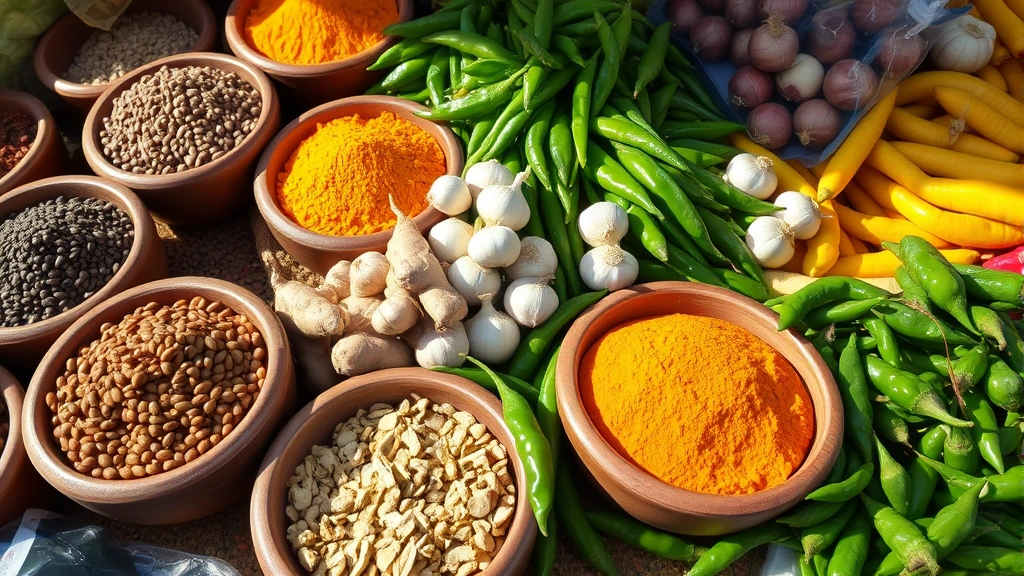
Essential Ingredients to maintain in your kitchen include whole cumin seeds, coriander seeds, fenugreek seeds, asafoetida, turmeric powder, chili powder, and quality salt. Purchasing these from specialty stores or quality suppliers ensures superior flavor compared to generic supermarket versions. Fresh ginger, garlic, and chilies should be purchased regularly; dried versions cannot replicate the vibrancy of fresh aromatics.
Lentils and Grains form the foundation of Nepali home cooking. Quality red lentils, split chickpeas, and various beans should be sourced from stores specializing in Indian and Nepali products. These ingredients often offer superior quality and flavor compared to generic grocery store versions. Rice, particularly basmati, deserves careful selection; quality rice cooks to distinct, separate grains rather than becoming mushy.
Cooking Equipment need not be elaborate, though certain items prove invaluable. A heavy-bottomed pot or Dutch oven distributes heat evenly, preventing scorching and ensuring proper spice blooming. A mortar and pestle for grinding spices fresh before cooking dramatically improves flavor. A good chef’s knife and cutting board facilitate proper ingredient preparation. A wok or large skillet works well for stir-fried preparations like chow mein.
Technique Mastery requires practice and attention. Begin with simpler preparations like dal or basic vegetable curries before attempting more complex dishes. Learn to recognize when spices have bloomed properly—the aroma should become fragrant and inviting rather than harsh or acrid. Understand that cooking times vary based on ingredient quality, altitude, and equipment; recipes provide guidance, but observation and adjustment matter equally.
Ingredient Quality and Sourcing cannot be overstated. Fresh herbs should be bright and fragrant. Spices should smell vibrant and strong, not dusty or musty. Vegetables should be firm and unblemished. Taking time to source quality ingredients elevates home cooking dramatically, as inferior ingredients cannot produce superior results regardless of technique.
FAQ
What makes authentic Nepali cuisine different from Indian cuisine?
While Nepali and Indian cuisines share some similarities due to geographic proximity and cultural exchange, several distinctive characteristics set Nepali food apart. Nepali cooking generally employs spices with greater restraint, allowing individual flavors to emerge clearly rather than blending into unified curry profiles. The cuisine emphasizes fresh ingredients and simpler preparations in many cases, particularly in hill regions. Nepali food features more grains and preserved ingredients reflecting mountain agriculture, and preparations like fermented vegetables (gundruk) represent uniquely Nepali traditions. Regional diversity within Nepal creates variations that don’t correspond directly to Indian regional cuisines.
Are Nepali restaurants expensive?
Nepali restaurant pricing varies considerably depending on location, establishment quality, and geographic region. In Nepal itself, Nepali food remains remarkably affordable. In Western countries, authentic Nepali restaurants often offer better value than many other cuisines, with generous portions and quality ingredients at reasonable prices. Premium establishments naturally command higher prices, but even fine-dining Nepali restaurants typically cost less than comparable establishments featuring other cuisines. Seeking out quality nepali restaurant experiences doesn’t necessarily require significant expense.
Is all Nepali food very spicy?
While Nepali cuisine does employ chili peppers, authentic cooking balances heat with other flavors rather than overwhelming diners with pure spice intensity. Many classic dishes feature moderate heat levels that complement rather than dominate. However, heat tolerance varies individually; diners uncomfortable with spice should communicate preferences to restaurant staff, who can typically adjust preparations. Requesting reduced chili content need not compromise the dish’s authenticity or satisfaction.
What are the best dishes for someone trying Nepali food for the first time?
Momos offer an excellent entry point, as their familiar dumpling format appeals to many diners while introducing authentic Nepali flavors. Dal bhat provides a complete, satisfying meal that showcases the cuisine’s philosophy and flavor balance. Chow mein appeals to those seeking noodle-based preparations. For those preferring vegetables, aloo gobi offers accessible, delicious flavors. Sekuwa provides a straightforward, flavorful meat preparation. Starting with one or two familiar-sounding dishes while trying one completely new preparation creates balanced first experiences.
Can I find authentic Nepali restaurants outside Nepal?
Authentic Nepali restaurants exist in major cities worldwide, though they remain less common than Indian, Thai, or Chinese establishments. Cities with significant Nepali communities typically feature restaurants offering genuine preparations. Online research, reviews focusing on authenticity, and recommendations from Nepali community members help identify quality establishments. Some restaurants labeled as Indian may also serve Nepali specialties; asking about Nepali dishes or requesting Newari preparations can reveal hidden offerings. Supporting authentic establishments encourages more restaurants to develop genuine Nepali menus.
What beverages pair well with Nepali food?
Traditional Nepali beverages like chang (fermented barley beer) and raksi (grain spirit) pair beautifully with the cuisine. Modern Nepali restaurants often feature Indian beers, which complement the food excellently. For non-alcoholic options, traditional masala chai or plain milk tea works wonderfully. Some establishments offer mango lassi or other yogurt-based drinks that provide cooling contrast to spiced dishes. Wine pairings work less naturally with Nepali food than with some cuisines, though lighter wines with good acidity can complement certain preparations.