Are Non Slip Shoes Worth It? Chef’s Honest Review
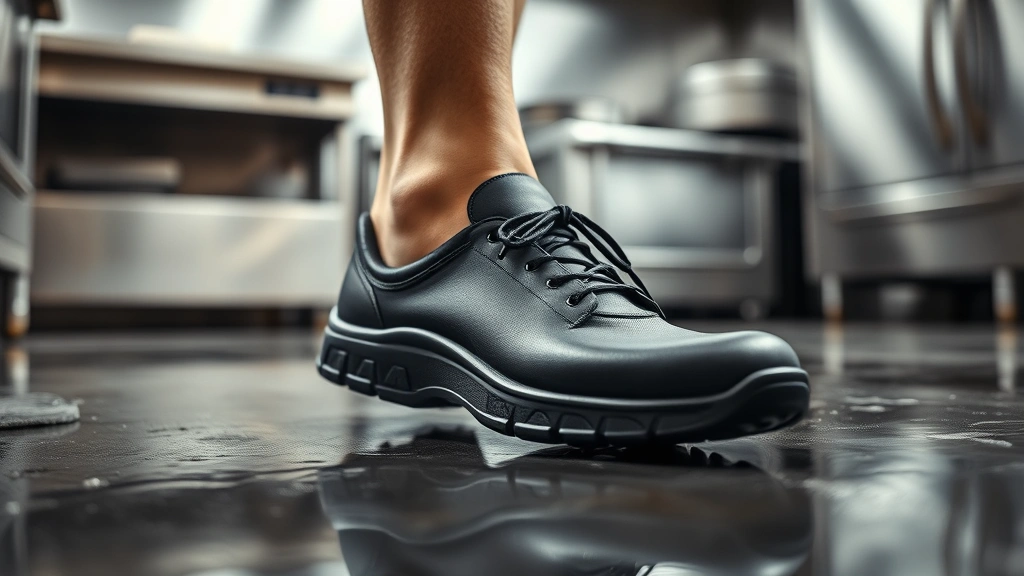
After spending over fifteen years navigating kitchen floors slick with oil, water, and the inevitable chaos of a busy restaurant service, I’ve learned that the right footwear isn’t just a comfort choice—it’s a safety imperative. Non slip shoes for restaurants have become essential equipment in professional kitchens, yet many culinary professionals still question whether the investment justifies the cost. As someone who has experienced both the confidence of proper grip and the terror of a near-miss slip, I’m here to give you an honest assessment of whether these specialized shoes truly deliver on their promise.
The kitchen environment presents unique hazards that casual dining footwear simply cannot address. Floors transform into treacherous landscapes during service—slippery from vegetable prep water, greasy from cooking stations, and potentially hazardous from spilled sauces and stock. When you’re carrying a piping hot pot of boiling pasta water or maneuvering around a flame station, one moment of instability can mean the difference between a successful shift and a serious injury. This is where non slip shoes become more than just a convenience; they become your first line of defense against workplace accidents.
Why Grip Matters in Professional Kitchens
The science behind slip resistance is more sophisticated than many realize. Professional slip resistance testing organizations evaluate shoes using standardized metrics that measure the coefficient of friction between the sole and various floor surfaces. In restaurant environments, floors present multiple challenges: wet tile, sealed concrete, commercial kitchen mats, and occasionally greasy surfaces that demand exceptional grip.
I’ve witnessed countless kitchen incidents during my career, and the majority involved someone wearing inadequate footwear. One particularly memorable evening, a line cook in standard athletic shoes caught his heel on a wet patch near the walk-in cooler. The resulting fall sent him backward, and he was fortunate to escape with a bruised tailbone and wounded pride. Had he been wearing proper non slip shoes, that incident likely would have been entirely preventable. The grip provided by specialized restaurant footwear isn’t about superhuman traction—it’s about maintaining the stability needed to move confidently through a demanding environment.
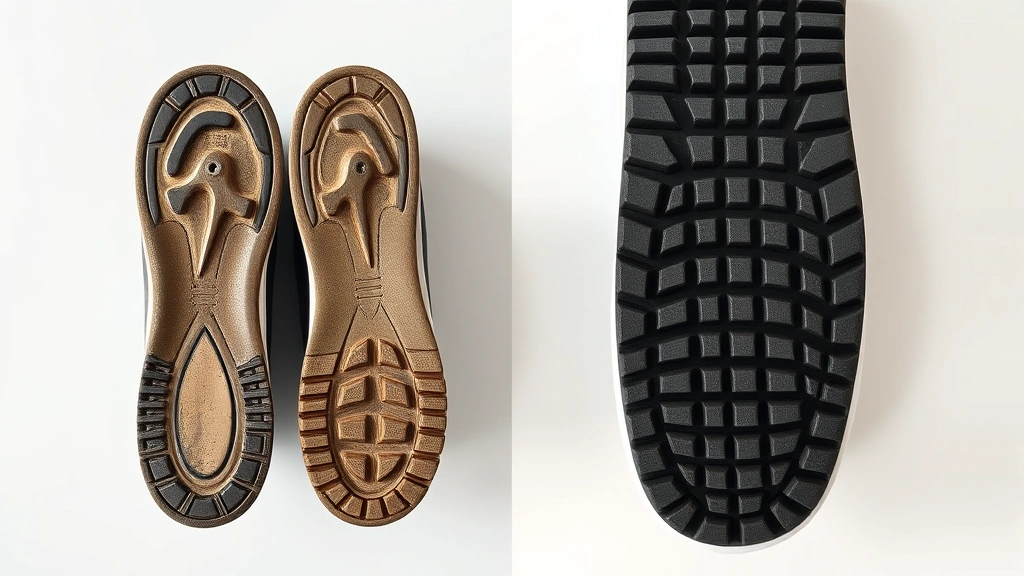
The outsole composition matters tremendously. Quality non slip shoes feature rubber compounds specifically formulated for kitchen conditions, often incorporating oils and materials that maintain grip even when wet. Standard shoe rubber hardens and becomes slippery when exposed to moisture and heat, whereas specialized kitchen footwear uses different polymer blends that resist these effects. When I examine the soles of worn-out restaurant shoes, I can see visible differences in how the rubber has degraded compared to regular shoes exposed to similar conditions.
Real-World Performance and Durability
Let me address the elephant in the room: non slip shoes are more expensive than regular sneakers. A quality pair typically runs $80 to $150, compared to $50 to $80 for standard athletic shoes. However, the durability equation changes the financial picture significantly. In my experience, proper restaurant shoes last considerably longer than casual footwear when used in kitchen environments, often maintaining their grip characteristics for 8-12 months of regular use, while standard shoes deteriorate within 3-4 months.
The real-world performance I’ve observed extends beyond mere grip. These shoes are engineered to withstand the specific stresses of kitchen work. The heel areas are reinforced to handle constant standing and walking. The toe boxes are often constructed with additional support to protect against dropped items—because let’s face it, a 10-pound sack of flour or a cast iron skillet will find its way toward your feet at some point. The insoles provide better shock absorption, which matters tremendously when you’re standing for 12 consecutive hours.
During a particularly brutal dinner service last summer, I worked alongside a chef wearing budget non slip shoes from a discount retailer. By hour eight, he was limping noticeably, complaining about arch pain and general foot fatigue. Meanwhile, I was still moving confidently in my premium kitchen shoes. The difference wasn’t just comfort—it was the structural engineering that goes into quality footwear. Premium brands invest in biomechanical research, ensuring that the shoe’s architecture supports your foot’s natural movement patterns rather than fighting against them.
I’ve also noticed that better non slip shoes handle the temperature variations of kitchen work. Your feet experience dramatic temperature swings—from the heat radiating off cooking stations to the frigid blast of walk-in coolers. Quality shoes use materials that adapt to these changes without becoming brittle or losing their supportive properties. Cheaper alternatives can become rigid in cold environments, reducing flexibility and increasing the risk of foot strain.
Comfort Considerations During Long Shifts
Here’s something that doesn’t get discussed enough: comfort is a safety feature. When your feet hurt, you change your gait, you become less stable, and your attention diverts from the critical tasks at hand. I’ve made mistakes during service when my feet were screaming in pain—mistakes I wouldn’t have made if I was physically comfortable. That’s why investing in genuinely comfortable non slip shoes is worth every penny.
The break-in period for quality restaurant shoes is typically 3-5 shifts, which is significantly shorter than many people expect. During this period, the insoles conform to your foot’s shape, and the upper materials stretch appropriately. I’ve found that starting with quality non slip shoes during slower shifts, then progressing to busier services, helps your feet adapt without excessive discomfort.
Moisture management is another critical comfort factor. Kitchen environments are inherently wet, and your feet will perspire during intense service. Quality non slip shoes feature breathable uppers and moisture-wicking insole materials that prevent the waterlogged sensation that leads to blisters and fungal issues. I’ve experienced both scenarios—shoes that trap moisture create a miserable situation by hour six, while properly engineered shoes keep feet relatively dry even in demanding conditions.
The arch support in premium non slip shoes deserves special mention. Many kitchen professionals develop foot and lower leg issues over time due to inadequate support. Plantar fasciitis, shin splints, and general foot pain are occupational hazards in culinary work. Shoes with proper arch support can prevent these issues from developing or alleviate existing problems. Several colleagues who switched to quality non slip shoes with excellent arch support reported significant improvements in their overall foot health within weeks.
Cost Analysis and Value Proposition
Let’s do the math honestly. If you spend $120 on quality non slip shoes that last 10 months of regular kitchen work, you’re looking at approximately $12 per month. Compare that to cheaper alternatives at $60 that last 3-4 months ($15-20 per month), and suddenly the premium option becomes the economical choice. Add in the reduced injury risk, decreased foot-related health issues, and improved work performance, and the value proposition becomes even more compelling.
Beyond direct costs, consider the hidden expenses of inadequate footwear. A slip-related injury could result in lost wages, medical expenses, and potential workers’ compensation claims. Even minor injuries that don’t require medical attention create performance gaps—you can’t move as efficiently, you’re more cautious, and your output suffers. I’ve seen talented line cooks essentially benched for weeks after slip-related injuries that proper footwear might have prevented entirely.
When evaluating whether non slip shoes are worth it for your situation, consider your specific role. A pastry chef working on relatively dry surfaces has different requirements than a prep cook who spends hours working with water and wet ingredients. A sous chef who moves quickly between stations needs different features than a garde manger position. The investment becomes more justified the more time you spend in genuinely hazardous conditions.
Top Features to Look For
Not all non slip shoes are created equal, and understanding what separates excellent options from mediocre ones is crucial. When evaluating restaurant footwear, prioritize these features:
- Slip Resistance Rating: Look for shoes tested against ASTM F1679 or similar standards. The rating indicates performance on various surfaces, including wet and oily conditions.
- Outsole Material: Rubber compounds specifically formulated for kitchen use outperform standard rubber. Some premium brands use proprietary blends that maintain grip even in extreme conditions.
- Arch Support: Proper arch support is non-negotiable for long shifts. Look for shoes with structured insoles rather than flat, generic padding.
- Breathability: Mesh or perforated uppers allow moisture escape, keeping feet dry and preventing fungal issues. Leather options should be ventilated appropriately.
- Heel Support: A reinforced heel cup maintains stability and reduces strain on the Achilles tendon during extended standing and walking.
- Flexibility: The shoe should bend naturally at the ball of the foot, allowing for the dynamic movement required in kitchen work.
- Durability of Closure System: Whether using laces or Velcro, the fastening system should withstand constant adjustments and maintain secure fit throughout shifts.
- Toe Protection: Reinforced toe boxes protect against dropped items and offer peace of mind in busy kitchens.
Real-World Performance and Durability
Testing non slip shoes in actual kitchen conditions reveals insights that laboratory evaluations sometimes miss. I’ve tracked the performance of various brands through multiple seasons of service, and patterns emerge clearly. Premium brands maintain their grip characteristics far longer than budget options, with visible tread patterns remaining deep and defined even after months of use. Budget shoes show significantly flattened treads within 2-3 months, indicating that the grip-enhancing texture has worn away.
Durability also manifests in how the shoe’s structure holds up. Quality non slip shoes maintain their shape, with uppers staying firmly attached and insoles resisting compression. I’ve seen cheaper alternatives where the insole becomes completely flattened by month four, essentially offering no support beyond the shoe’s basic structure. The stitching in premium shoes is more robust, with reinforced seams that don’t separate even under the constant stress of kitchen work.
One particularly telling durability metric is how the shoe performs after water exposure. I’ve worn several pairs through countless shifts involving water-intensive prep work, and the difference in how materials age is stark. Premium shoes dry completely overnight and show minimal water staining or material degradation. Budget alternatives sometimes develop permanent discoloration, material stiffness, and accelerated sole deterioration after extended water exposure.
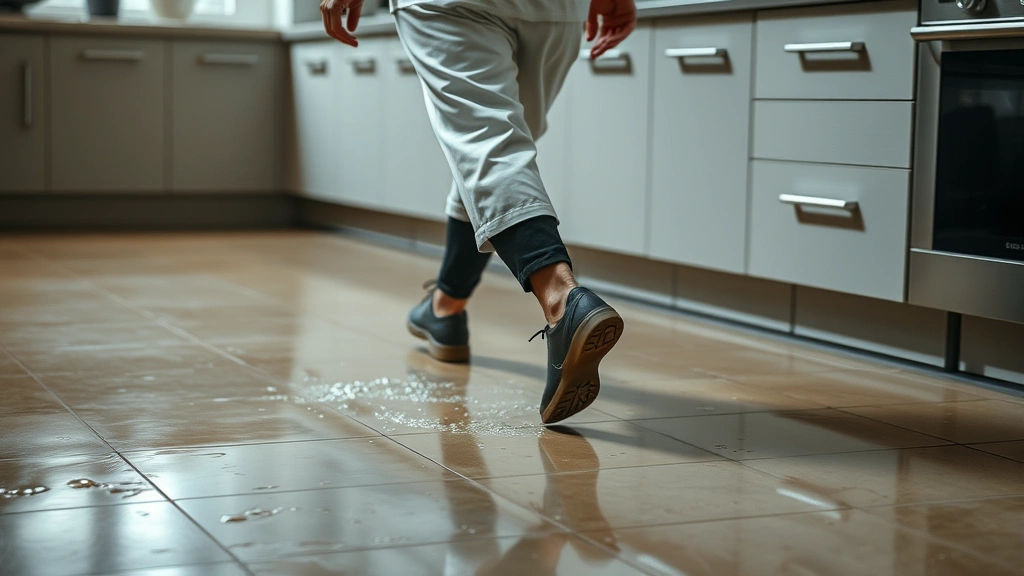
The grip performance in various specific kitchen scenarios also varies significantly. On the smooth, wet tile flooring common in professional kitchens, premium non slip shoes provide noticeably better stability than budget alternatives. On textured kitchen mats, both options perform adequately, but premium shoes maintain better grip as the mat becomes wet and slippery. On the occasional greasy surface—which thankfully is rare in well-maintained kitchens—premium shoes still provide better traction, while budget options can become genuinely hazardous.
Popular Brands and Honest Comparisons
Several brands have established strong reputations in professional kitchen footwear. Crocs dominates the market with their clog-style options, offering exceptional slip resistance at moderate prices ($70-90). The trade-off is aesthetic—they don’t look like traditional shoes, which matters if you work in a fine dining environment where kitchen staff might be visible to guests. The comfort is generally excellent, and durability is solid, though the clog design doesn’t suit everyone’s preferences.
Dansko is another popular choice, offering traditional shoe styling with excellent non slip properties. Their prices run higher ($120-150), but many chefs swear by them for long-term comfort and durability. I’ve worn Dansko shoes extensively and found them exceptionally comfortable after the break-in period, with outstanding arch support that benefits anyone prone to foot fatigue.
Slip-On brands like Shoes for Crews specifically target restaurant workers and have refined their designs based on extensive culinary industry feedback. Their shoes typically range from $80-120 and offer good performance with thoughtful design choices specific to kitchen work. The brand has invested heavily in understanding kitchen-specific needs, which shows in their product engineering.
For budget-conscious cooks, certain brands offer respectable performance at lower price points ($50-70), though the durability trade-off is real. If you’re in a training phase or trying different styles, budget options make sense. However, once you’ve settled into your role and know your needs, investing in premium options becomes financially prudent.
When comparing brands, consider that reviews from actual culinary professionals carry more weight than general consumer feedback. Kitchen footwear experiences stresses and conditions that regular users don’t encounter, so recommendations from professional culinary associations or experienced chefs matter significantly more than general athletic shoe reviews.
Maintenance and Longevity Tips
Maximizing the lifespan of non slip shoes requires intentional care. After each shift, I rinse my shoes under clean water to remove food particles and debris that can degrade materials. This simple step prevents buildup that accelerates wear and maintains the shoe’s appearance.
Drying properly is crucial. Shoes should air dry completely at room temperature, never in direct heat or sunlight, which can damage materials and cause warping. Stuffing shoes with newspaper during drying helps maintain shape and absorbs moisture more effectively than leaving them empty. Many kitchen professionals keep a second pair of shoes specifically for this reason, rotating between pairs to allow proper drying time.
Storage matters more than many realize. Shoes stored in damp environments or cramped spaces deteriorate faster. A well-ventilated shoe rack in a dry area extends longevity significantly. Some chefs keep their kitchen shoes in their locker rather than taking them home, which helps maintain consistent drying and storage conditions.
Periodic deep cleaning—actually washing shoes with mild soap and water—removes accumulated grime that can affect grip and material integrity. I do this monthly during heavy kitchen seasons, and it noticeably extends shoe life. For stubborn residue, a soft brush works better than aggressive scrubbing that can damage materials.
Replacing insoles before the shoe itself wears out can extend overall life. Premium replacement insoles ($20-40) restore support and comfort when original insoles become compressed, potentially adding several months of useful life to shoes that would otherwise feel worn out.
Inspecting shoes regularly for damage—separated seams, sole separation, or excessive tread wear—allows you to retire shoes before they become safety hazards. I typically retire shoes when tread depth becomes noticeably shallow or when any structural compromises appear, even if the shoe still feels relatively comfortable.
FAQ
How long do quality non slip shoes actually last in restaurant environments?
Quality non slip shoes typically last 8-12 months of regular kitchen use, depending on intensity and frequency. Budget options usually last 3-4 months before grip characteristics deteriorate significantly. The exact duration depends on specific working conditions, shoe maintenance, and individual usage patterns.
Are non slip shoes worth it for casual restaurant workers or only professionals?
Non slip shoes benefit anyone working in kitchen environments, regardless of experience level. The safety benefits apply equally to casual workers and seasoned chefs. If you’re spending 20+ hours weekly in a restaurant kitchen, the investment is absolutely justified. For occasional kitchen work, budget options might suffice.
Can you use non slip shoes outside the kitchen?
Absolutely. The grip characteristics that make these shoes valuable in kitchens also benefit other slippery environments—bathrooms, hospitals, wet outdoor surfaces. Many people find them useful beyond culinary settings, which adds to their overall value proposition.
Do expensive non slip shoes always perform better than budget options?
Generally yes, but not universally. Some mid-range options ($80-100) perform nearly as well as premium brands ($120-150). The key is identifying which specific features matter most for your situation and finding brands that excel in those areas. Reading reviews from actual kitchen workers rather than general consumers provides much better guidance.
How do I know if my non slip shoes still have adequate grip?
Visually inspect the tread pattern—if the texture has largely worn away and the sole appears smooth, grip has likely degraded significantly. You can also test grip on a wet surface under controlled conditions. If you notice yourself being more cautious on wet floors or experiencing slight slips that didn’t happen previously, it’s time to replace your shoes.
Should I buy multiple pairs and rotate them?
Rotating between two pairs is an excellent practice. It allows shoes to dry completely between shifts, which extends lifespan and maintains performance. The slightly higher initial investment pays dividends through extended durability and consistent comfort.
Are there non slip shoes that look professional enough for fine dining kitchens?
Yes, several brands offer non slip shoes in professional styles suitable for fine dining environments. Dansko and some Shoes for Crews models feature traditional shoe aesthetics while maintaining excellent slip resistance. These options run higher in price but suit environments where kitchen staff visibility matters.


