Okinawa Cuisine: Chef’s Top Picks Revealed
Okinawan cuisine represents one of Japan’s most distinctive and underappreciated culinary traditions, shaped by centuries of unique geography, trade routes, and cultural influences. This island prefecture’s food culture diverges dramatically from mainland Japanese cuisine, offering bold flavors, indigenous ingredients, and cooking techniques refined through generations of resourceful island living. The dishes that emerge from Okinawa’s kitchens tell stories of resilience, innovation, and a profound connection to local ingredients that thrive in subtropical conditions.
The renaissance of Okinawan restaurants has introduced global audiences to a palate-transforming experience that extends far beyond typical Japanese fare. Chefs specializing in this regional cuisine have become custodians of culinary heritage, reviving traditional recipes while adapting them for contemporary diners. Whether you’re seeking an intimate dining experience or exploring Newton restaurants that celebrate regional Asian cuisines, understanding Okinawan food culture opens doors to authentic, soulful cooking that prioritizes depth of flavor and ingredient integrity.
What Defines Okinawan Cuisine
Okinawan cuisine exists at a fascinating intersection of Japanese tradition, Chinese influence, Southeast Asian ingredients, and indigenous island resourcefulness. The historical context matters profoundly here—as an independent kingdom for centuries before Japanese annexation, Okinawa developed its own culinary identity shaped by trade with China and Southeast Asia. This historical independence explains why Okinawan food tastes noticeably different from what you’d encounter at a typical Japanese restaurant serving Kyoto-style kaiseki or Tokyo tonkatsu.
The foundational philosophy of Okinawan cooking centers on utilizing every available ingredient with minimal waste, a principle that elevated humble components into celebrated dishes. Pork, in particular, holds sacred status in Okinawan kitchens—every part of the pig appears in traditional preparations, from ears and feet to organs and blood, transformed through slow braising, grilling, and fermenting into dishes of extraordinary complexity. The subtropical climate enabled cultivation of unique vegetables, tubers, and legumes that rarely appear in mainland Japanese cuisine, creating flavor profiles that feel simultaneously exotic and comforting.
What truly distinguishes Okinawan restaurants from conventional Japanese establishments is the emphasis on bold, unapologetic seasoning. Where refined Japanese cuisine often whispers, Okinawan food speaks confidently—salty, garlicky, spiced with island peppers, enriched with pork fat, and layered with umami from fermented ingredients. This assertive approach to seasoning reflects the island’s history and the hardworking nature of its people, who needed sustenance that provided energy and satisfaction.
[IMAGE_1]
Essential Okinawan Dishes Every Food Lover Must Try
Goya Champuru stands as perhaps the most iconic Okinawan dish, a stir-fry that showcases the region’s bold vegetable-forward cooking. Bitter melon (goya) forms the foundation, its sharp, almost medicinal bitterness balanced against eggs, tofu, spam or pork belly, and dried shrimp. The interplay of textures—silky eggs coating crispy spam pieces alongside tender tofu and slightly yielding melon—creates a dish that’s endlessly complex. Each bite delivers different flavor notes: umami from the shrimp, richness from the eggs, saltiness from the cured meat, and that distinctive goya bitterness that becomes addictive once your palate adjusts.
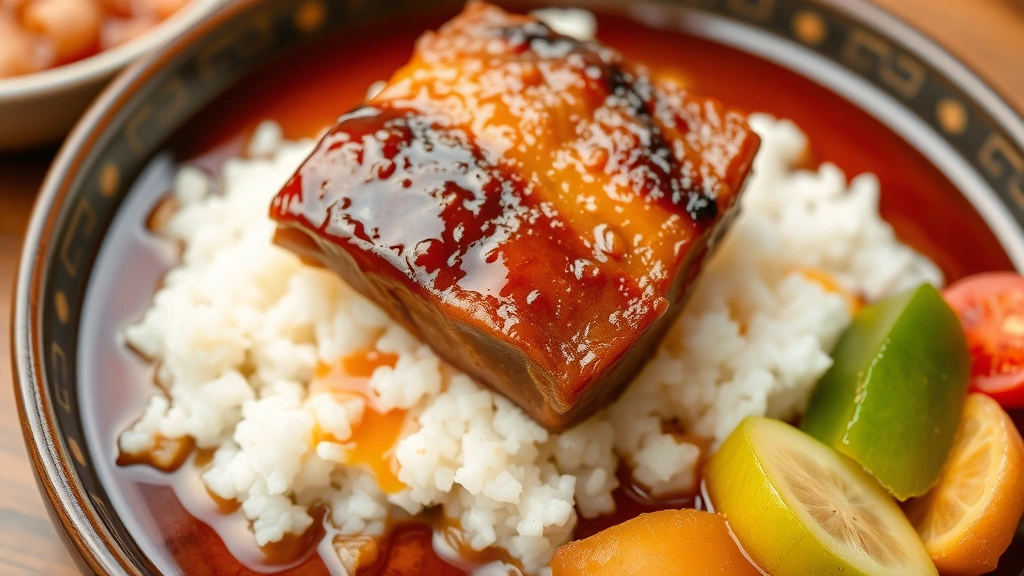
Rafute represents Okinawan slow-cooking at its finest—pork belly braised for hours until the meat becomes so tender it dissolves on your tongue while the skin transforms into gelatinous silk. The braising liquid typically combines shoyu (soy sauce), awamori (Okinawan distilled spirit), sugar, and aromatics like ginger and garlic. What emerges is a dish of profound richness, where the pork’s natural sweetness mingles with the caramel notes from reduced braising liquid and the subtle heat of ginger. Served alongside bitter melon or on rice, rafute exemplifies how patience and proper technique elevate simple ingredients into something transcendent.
Okinawa Soba differs markedly from mainland ramen, featuring thicker, chewier noodles in a rich broth built from pork bones, kombu seaweed, and dried fish stock simmered for extended periods. The broth achieves a silken mouthfeel and deep savory character that coats your palate with umami. Toppings typically include sliced pork (often including ears and feet for textural variety), green onions, and sometimes pickled ginger or a raw egg. Unlike the delicate refinement of Tokyo ramen, Okinawa soba embraces rustic heartiness—it’s the food of working people who needed substantial, warming meals.
Taco Rice emerged as a fascinating fusion dish born from American military presence in Okinawa, yet it’s been fully adopted into the regional cuisine. Seasoned ground pork or beef sits atop rice, crowned with shredded cabbage, tomatoes, cheese, and salsa. While seemingly simple, authentic taco rice from an Okinawan restaurant demonstrates how the island’s culinary tradition absorbs external influences while maintaining its essential character. The savory-spiced meat mingles with rice, the fresh vegetables provide crisp contrast, and the cheese adds richness—it’s comfort food that reflects Okinawa’s unique cultural position.
Tibichi represents the ultimate expression of nose-to-tail cooking, featuring pig’s feet and offal braised until the connective tissue becomes silken and the flavors intensify into something almost meditative. This dish requires courage to approach but rewards adventurous eaters with textural complexity and deep satisfaction. The gelatinous quality of properly prepared pig’s feet provides a mouthfeel that’s unique in global cuisine, and when combined with the braising liquid’s depth, creates an experience that transcends simple eating.
The Signature Ingredients Behind the Flavors
Goya (Bitter Melon) defines Okinawan vegetable cooking, its distinctive bitterness becoming beloved once diners understand how to appreciate it. Rather than masking this quality, Okinawan chefs celebrate it, pairing goya with rich proteins and umami-forward seasonings that create complementary contrast. The texture when properly prepared remains slightly firm despite cooking, providing pleasant resistance against the tongue.
Awamori, the indigenous Okinawan spirit distilled from rice, appears throughout the cuisine—both as a drinking component and as a cooking ingredient. Its alcohol content burns off during cooking while imparting subtle sweetness and complexity to braises and stews. Awamori’s presence in Okinawan restaurants distinguishes their preparations from mainland Japanese establishments.
Pork occupies a cultural and culinary position in Okinawa comparable to how beef dominates Argentine cuisine or how seafood defines Scandinavian food culture. Every part gets utilized: ears for their cartilaginous chew, belly for richness, feet for gelatin and texture, organs for intense umami, and blood for iron-forward earthiness. This total utilization reflects both economic necessity and deep respect for the ingredient.
Kombu and Dried Seafood provide the umami foundation for broths and stocks. Okinawan kombu differs from mainland varieties, and the dried fish—often small anchovies or flying fish—creates broth of remarkable depth. These ingredients represent the island’s maritime heritage and provide the savory backbone supporting bolder flavors.
Island Peppers and Spices bring heat and complexity absent from refined mainland Japanese cuisine. Shichimi togarashi (seven-spice blend) and local chili peppers appear frequently, adding warmth that builds throughout the meal. This use of heat distinguishes Okinawan restaurants from more delicate Japanese establishments.
Top Chef Recommendations and Restaurant Picks
Leading chefs specializing in Okinawan cuisine emphasize the importance of ingredient sourcing and technique respect. According to culinary experts at the Japan Sommelier Association, authentic Okinawan restaurants prioritize regional suppliers who understand the specific qualities these dishes require. The best establishments maintain relationships with producers who grow goya with proper bitterness levels, age pork with appropriate fat marbling, and source awamori from traditional distilleries.
Chef recommendations consistently highlight restaurants that resist over-refinement while embracing modern presentation standards. The ideal Okinawan restaurant balances rustic authenticity with contemporary plating, allowing diners to appreciate both the food’s historical significance and its current execution. Many top chefs suggest seeking establishments run by Okinawan immigrants or those trained extensively in the region, as these tend to maintain traditional technique while adapting to local ingredient availability.
When evaluating Okinawan restaurants, experienced food critics look for several markers of authenticity: the presence of goya champuru on the menu, pork preparations featuring less-common cuts, house-made awamori or carefully selected regional varieties, and broths that demonstrate evidence of long, patient simmering. World Chefs Congress members specializing in Asian cuisines note that authentic establishments often feature Okinawan decorative elements and staffers knowledgeable about regional history and ingredient significance.
The dining experience at quality Okinawan restaurants should feel welcoming yet unpretentious. Unlike kaiseki establishments emphasizing silence and formality, Okinawan restaurants embrace social energy. Conversations flow, recommendations get shared between tables, and the atmosphere encourages exploration and repeat visits. This social aspect reflects Okinawan culture itself—food as community connector rather than solitary experience.
Dining Experiences for Every Preference
Okinawan cuisine accommodates diverse dining preferences better than many regional Japanese cuisines. Those seeking family friendly restaurants near me will find Okinawan establishments particularly welcoming—children often gravitate toward taco rice and simpler noodle preparations, while parents enjoy more complex dishes. The casual atmosphere encourages families to linger without pressure.
For diners interested in vegan restaurants near me, Okinawan cuisine presents interesting challenges and opportunities. While traditionally pork-centric, the cuisine features substantial vegetable preparations like goya champuru (easily made vegetarian by omitting meat and substituting plant-based protein), stir-fried greens, and tuber-based sides. Progressive Okinawan chefs are developing plant-forward interpretations that honor tradition while accommodating dietary preferences.
Those seeking romantic restaurants near me should consider Okinawan establishments that emphasize intimate seating and refined plating while maintaining the cuisine’s essential character. The bold, confident flavors of Okinawan food create memorable shared experiences, and the casual-yet-sophisticated atmosphere suits date dining perfectly.
Dog friendly restaurants near me with outdoor seating often accommodate Okinawan dining, particularly in warmer climates. Many Okinawan restaurants feature restaurants with outdoor seating near me, allowing diners to enjoy subtropical cuisine in appropriate settings.
According to the International Association of Culinary Professionals, the growing interest in regional Asian cuisines reflects broader culinary trends toward authenticity and cultural understanding. Okinawan restaurants represent this movement perfectly—they’re not diluted compromises but rather genuine expressions of regional food culture, increasingly recognized for their significance within global cuisine.
The experience of dining at an authentic Okinawan restaurant should engage all senses. Visually, properly prepared dishes showcase vibrant colors—the bright green of goya, the glossy richness of rafute, the golden broth of soba. Aromatically, the kitchen announces itself through the scent of pork fat, soy sauce reduction, and ginger steam. Texturally, each dish presents multiple components requiring exploration and discovery. Flavor-wise, the progression moves from initial boldness through layers of umami, heat, and subtle sweetness.

FAQ
What makes Okinawan cuisine different from other Japanese regional cuisines?
Okinawan cuisine reflects the island’s independent history, subtropical climate, and cultural exchanges with China and Southeast Asia. This results in bolder seasonings, more assertive use of pork, distinctive vegetables like bitter melon, and cooking techniques emphasizing slow braising and resourceful whole-ingredient utilization. The flavor profile is noticeably more robust than refined mainland Japanese cooking.
Is Okinawan food spicy?
Compared to mainland Japanese cuisine, Okinawan food incorporates more heat through peppers and spice blends. However, this doesn’t mean every dish is intensely spicy—rather, heat appears as one flavor component among many. Restaurants can typically adjust spice levels upon request.
What should I order at an Okinawan restaurant if I’m new to the cuisine?
Start with goya champuru to experience the signature bitter melon preparation, then try Okinawa soba to understand the regional noodle tradition. If you enjoy these, progress to rafute for a deeper appreciation of slow-cooking technique. Taco rice provides an accessible entry point for those hesitant about traditional preparations.
Are there vegetarian options at Okinawan restaurants?
While traditionally meat-centric, quality Okinawan restaurants can accommodate vegetarian preferences. Goya champuru works beautifully with plant-based proteins, and many establishments offer vegetable-forward side dishes. Communication with restaurant staff about dietary preferences typically results in creative accommodations.
What is awamori and why is it important in Okinawan cooking?
Awamori is a distilled spirit indigenous to Okinawa, traditionally made from rice. In cooking, it adds subtle sweetness and complexity to braises and reduces during the cooking process. Culturally, awamori represents Okinawan identity and heritage, making its presence in restaurants significant for authenticity.
How should I approach dishes with unfamiliar ingredients like pig’s feet?
Approach with curiosity and openness. Properly prepared pig’s feet offer unique textural experiences and deep umami flavors. Consider these dishes as culinary adventures that expand your palate and understanding of global food traditions. Many diners who initially hesitate become passionate advocates after experiencing quality preparations.
Why is pork so central to Okinawan cuisine?
Pork held practical and cultural significance throughout Okinawan history. As a protein source that could be raised efficiently on the island, pork became woven into cultural identity. The tradition of utilizing every part reflects both economic necessity and deep respect for the ingredient, creating a cuisine of remarkable resourcefulness and flavor.