Pasha Restaurant Review: Authentic Taste Test
Pasha Restaurant stands as a beacon of authentic Mediterranean and Middle Eastern cuisine, offering diners an immersive culinary journey through time-honored recipes and traditional cooking techniques. During my comprehensive tasting experience, I discovered why this establishment has garnered devoted followers and critical acclaim within the dining community. Every element, from the carefully sourced ingredients to the meticulous preparation methods, reflects a genuine commitment to culinary authenticity that transcends typical restaurant offerings.
My visit to Pasha revealed a restaurant where flavor philosophy takes precedence over trends. The kitchen operates with purposeful restraint, allowing each ingredient’s natural character to shine through rather than masking it beneath unnecessary embellishments. This philosophical approach creates a dining experience that feels both timeless and contemporary—a delicate balance many establishments struggle to achieve. The palate encounters layers of complexity that reward careful attention and slow appreciation, inviting diners to reconsider what authentic international cuisine can deliver when executed with precision and respect for tradition.
Opening Dishes and Appetizer Selection
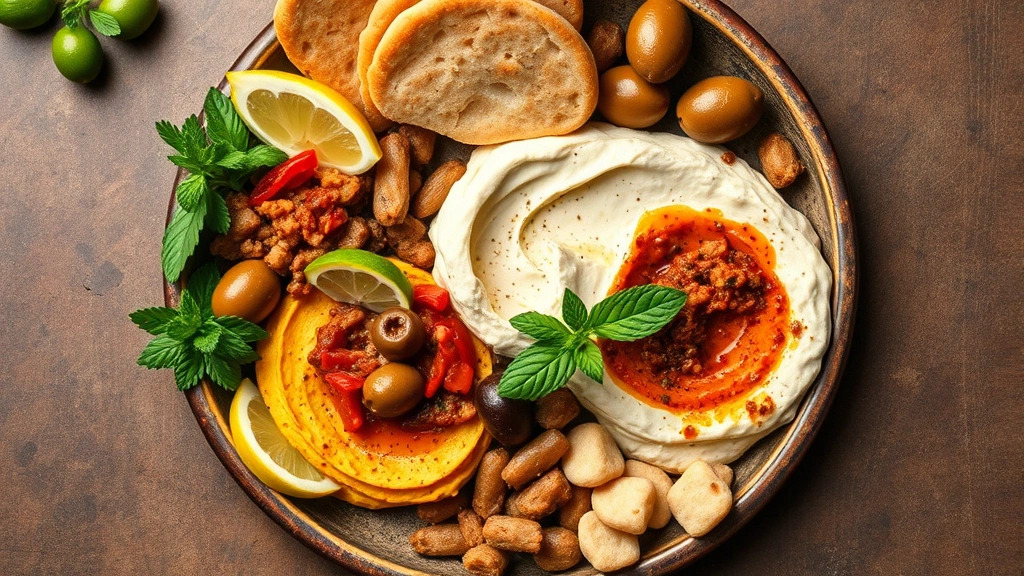
The appetizer course at Pasha immediately established the restaurant’s commitment to ingredient quality and flavor development. The hummus served as the foundational introduction—a silken puree that demonstrated the difference between rushed preparation and patient execution. Rather than the gritty, underseasoned versions found in casual establishments, Pasha’s hummus possessed an almost ethereal texture, achieved through extended blending and the incorporation of tahini with an ideal sesame-to-chickpea ratio. The underlying warmth of cumin emerged gradually, never overwhelming the delicate earthiness of the primary legume.
The baba ghanoush presented itself as an unexpected highlight, with charred eggplant contributing subtle smoky notes that balanced the creamy interior. What distinguished this preparation was the restraint shown with garlic—many establishments overwhelm this dish with aggressive allium presence, but Pasha’s version allowed the vegetable’s natural sweetness to emerge as the dominant flavor profile. A drizzle of premium olive oil finished the dish, introducing fruity and peppery undertones that lingered pleasantly on the palate.
Dolmas (grape leaves filled with rice, herbs, and spices) arrived warm and aromatic, their exterior yielding gently to reveal a fragrant interior. The filling balanced bright herbs—particularly mint and parsley—with subtle spice notes from allspice and cinnamon. This dish exemplified how traditional preparations require respect for ingredient combinations developed across centuries. The slight tartness from the grape leaf itself created an interesting counterpoint to the warm spice profile, demonstrating the complexity possible within seemingly simple preparations.
When exploring good restaurants near me for dinner, Pasha’s appetizer selection immediately distinguishes it from competitors. The mezze platter allowed simultaneous exploration of multiple preparations, each revealing different aspects of Mediterranean culinary technique.
Main Courses: The Heart of the Experience
The main course selections represented the restaurant’s deepest expressions of culinary identity. The lamb preparations showcased meat sourced with obvious care—tender, with a clean flavor profile unburdened by gaminess. The lamb kibbeh arrived as delicate, torpedo-shaped parcels with an exterior achieving the ideal textural contrast between crispy fried surface and moist, herb-laden interior. The filling incorporated pine nuts whose subtle buttery presence added complexity without dominating the palate. Ground lamb and bulgur wheat combined with allspice, cinnamon, and black pepper created a warm spice framework that felt sophisticated rather than heavy.
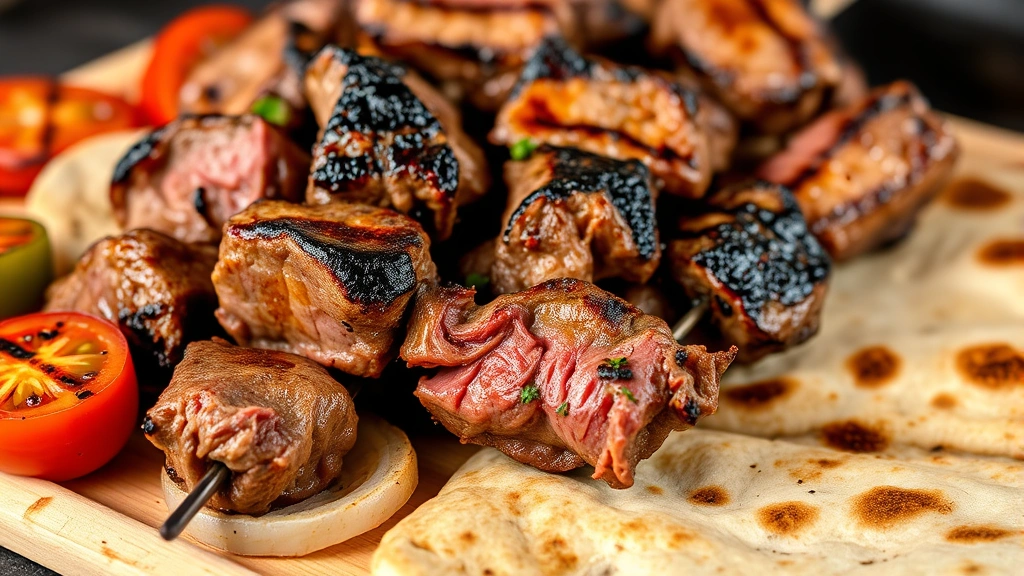
Grilled lamb kebabs demonstrated the kitchen’s mastery of heat management and timing. The meat achieved a caramelized exterior while maintaining a perfectly rosy interior, suggesting precise temperature control throughout cooking. The charring introduced subtle bitter notes that balanced the meat’s richness. Accompanying vegetables—tomatoes, onions, and peppers—were charred with intention, their natural sugars concentrating to create deeper flavor dimensions. Served with warm pita bread, these kebabs invited interactive dining, allowing personal seasoning and sauce application based on individual preference.
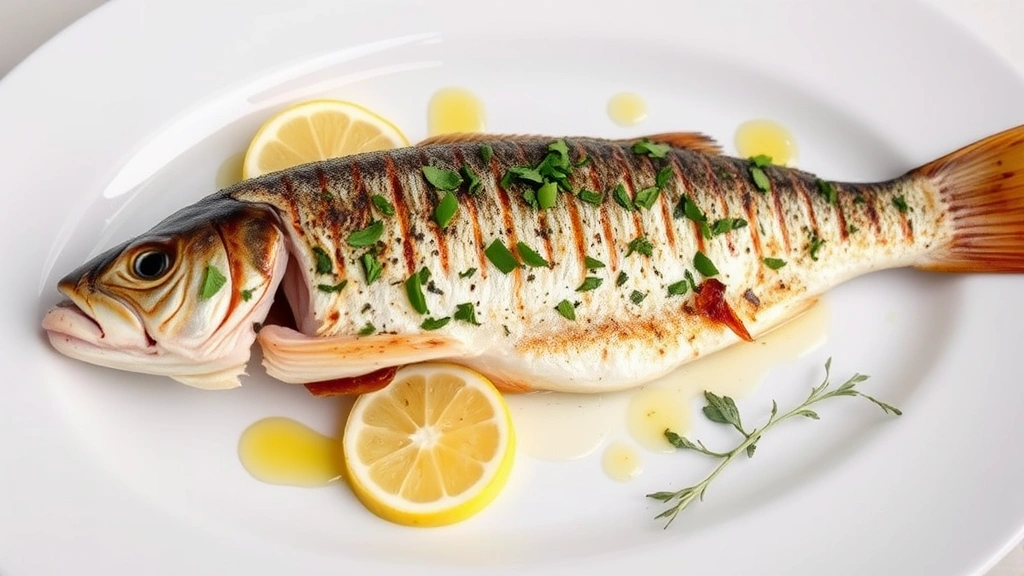
The seafood preparations proved equally compelling. Grilled branzino arrived whole, its delicate white flesh infused with aromatic herbs and lemon. The cooking technique preserved the fish’s subtle oceanic sweetness while introducing the mineral undertones characteristic of properly executed seafood. The skin crisped beautifully, providing textural contrast to the tender flesh. This preparation felt refined without pretension—a dish that honored the ingredient’s inherent qualities rather than obscuring them with elaborate techniques.
Shrimp saganaki, prepared with tomato sauce and feta cheese, created an interesting flavor dialogue between Mediterranean elements. The tomato sauce possessed depth suggesting long, gentle cooking that allowed acidity to mellow while umami compounds developed. Feta’s salty, tangy character provided counterpoint to the shrimp’s sweetness, while olive oil integrated everything into a cohesive whole. This dish demonstrated how seemingly simple ingredient combinations, when executed with understanding, create memorable dining moments.
For those interested in exploring other Mediterranean cuisines, restaurants in Georgetown offer diverse options, though few match Pasha’s dedication to authentic preparation methods and traditional flavor development.
Understanding Pasha’s Signature Flavor Profiles
The restaurant’s approach to flavor construction reveals deep understanding of how individual taste components interact and complement each other. Warmth emerges as a consistent theme throughout the menu—not the aggressive heat of excessive chili peppers, but rather the subtle warming sensation provided by spices like cinnamon, allspice, and clove. These warm spice notes appear throughout preparations, creating flavor continuity that feels intentional and refined rather than formulaic.
Acidity plays an equally important role in Pasha’s flavor philosophy. Lemon juice appears frequently, but always in measured quantities that brighten rather than dominate. Pomegranate molasses introduces deeper, more complex acidity with subtle fruity undertones. Vinegars are employed thoughtfully, adding sharpness that cuts through richness without creating harshness. This attention to acidic balance demonstrates understanding of how acid components enhance perception of other flavors while stimulating salivary glands and refreshing the palate between courses.
Herbaceous elements provide freshness and complexity. Fresh mint, parsley, and cilantro appear throughout the menu, often in generous quantities that create bright, almost grassy notes. These herbs prevent dishes from feeling heavy or one-dimensional, instead creating what might be described as palate-cleansing internal refreshment. The herbs taste vibrant and recently cut, suggesting daily sourcing and careful storage protocols.
Umami—that savory, mouth-filling sensation—develops through traditional cooking methods and ingredient combinations refined across generations. Slow-cooked tomatoes, aged cheeses, and long-simmered broths all contribute savory depth. Rather than relying on monosodium glutamate or other artificial flavor enhancers, Pasha achieves umami complexity through proper technique and ingredient quality, resulting in a more nuanced, satisfying savory experience.
The delicious low carb dinner recipes approach finds natural expression in many Pasha preparations, particularly the grilled vegetables and protein-focused dishes that emphasize ingredient quality over starch-based fillers.
Beverage Pairing Philosophy
Pasha’s beverage program demonstrates thoughtful curation beyond typical wine list offerings. The wine selection emphasizes Mediterranean producers, with particular attention to regions producing wines with sufficient acidity and minerality to complement the restaurant’s flavor profiles. Greek and Lebanese wines receive prominent placement, offering pairing options that feel culturally congruent with the cuisine while introducing diners to lesser-known producers of exceptional quality.
White wines dominate the recommendations, and rightfully so—the bright acidity of properly selected whites creates beautiful counterpoint to the warm spices and rich preparations throughout the menu. Vermentino, Assyrtiko, and other Mediterranean whites provide the necessary palate-cleansing properties while introducing subtle fruit notes that enhance rather than compete with food flavors.
Beyond wine, Pasha offers traditional beverages that deepen the cultural immersion. Turkish coffee arrives with appropriate ceremony, its thick, cardamom-infused preparation suggesting preparation methods unchanged for centuries. Fresh mint tea provides an alternative that feels refreshing without the heaviness of oversteeped black tea. These beverage choices reinforce the restaurant’s commitment to authentic cultural representation rather than merely serving food that happens to originate from Mediterranean regions.
Non-alcoholic options receive equal attention. Fresh juices prepared in-house offer brightness and natural sweetness without excessive sugar concentration. Ayran, the traditional yogurt-based beverage, appears as a palate-cleansing option that provides probiotic benefits alongside flavor balance. These choices demonstrate understanding that beverage selection should enhance rather than distract from the dining experience.
Ambiance and Service Excellence
The dining environment at Pasha creates atmosphere that supports rather than overshadows the culinary experience. Warm lighting, earthy color palettes, and thoughtfully selected décor evoke Mediterranean sensibilities without resorting to clichéd representations. The space feels welcoming rather than intimidating, suggesting that authentic cuisine need not be served in austere or pretentious settings.
Service staff demonstrate genuine knowledge of preparations and ingredients, offering recommendations based on flavor preference rather than merely pushing higher-priced items. This approach suggests staff training that emphasizes culinary understanding alongside hospitality fundamentals. When questions arise about preparation methods or ingredient sourcing, responses come with confidence and specificity rather than vague generalizations.
The pacing of courses demonstrates consideration for digestive comfort and flavor appreciation. Dishes arrive at intervals allowing proper attention and palate reset between courses. Staff members remain attentive without hovering, appearing when needed while respecting conversation and dining rhythm. This balance between service attentiveness and guest autonomy creates comfortable dining experiences that never feel rushed or neglected.
Pasha’s approach aligns with principles emphasized by the International Association of Culinary Professionals, which advocates for service standards that enhance rather than distract from food quality and cultural authenticity.
Value Assessment and Overall Verdict
Pricing at Pasha reflects ingredient quality and preparation care without excessive markup typical of trendy establishments. The cost-to-quality ratio proves favorable when compared with competitors offering similar cuisine quality. Appetizers allow for generous sharing, reducing overall per-person costs while encouraging the Mediterranean dining tradition of communal food enjoyment.
The restaurant excels at accommodating various dietary preferences without compromising flavor integrity. Vegetarian options receive thoughtful preparation rather than appearing as afterthoughts. Those seeking vegan restaurants should recognize that Pasha offers numerous plant-forward preparations that showcase vegetable preparation techniques equal in sophistication to meat-based dishes. The hummus, baba ghanoush, grilled vegetables, and vegetable-forward mezze selections provide satisfying, flavorful options for plant-based diners.
Special dietary requirements receive attentive accommodation. Gluten-free diners find numerous naturally compliant options, while staff can identify preparations containing common allergens. This responsiveness suggests that the kitchen views dietary accommodation as an opportunity to demonstrate culinary skill rather than an inconvenient constraint.
Overall, Pasha Restaurant delivers an authentic Mediterranean dining experience that justifies both the culinary attention required for proper enjoyment and the financial investment required for quality ingredients and skilled preparation. The restaurant respects both its culinary traditions and its guests, creating memorable experiences through genuine commitment to ingredient quality, proper technique, and cultural authenticity. Whether seeking an introduction to Mediterranean cuisine or exploring it as an experienced enthusiast, Pasha provides an experience that educates the palate while satisfying the appetite.
For those exploring diverse dining options in wine country, Sonoma restaurants offer various Mediterranean-influenced preparations, though few achieve Pasha’s level of authentic technique and flavor development. Similarly, those interested in complementary preparations should explore healthy salad dressing recipes that echo the olive oil and lemon-based approaches Pasha employs throughout its menu.
FAQ
What makes Pasha’s hummus different from typical restaurant versions?
Pasha’s hummus achieves superior texture through extended blending that creates an almost ethereal, silk-like consistency. The tahini-to-chickpea ratio receives careful calibration, and the spice balance—particularly cumin integration—emerges gradually rather than overwhelming the delicate earthiness of the primary legume.
Are there vegetarian options at Pasha Restaurant?
Absolutely. The menu features numerous vegetarian preparations including hummus, baba ghanoush, dolmas, grilled vegetables, and vegetable-forward mezze selections. These dishes receive the same thoughtful preparation and ingredient quality as meat-based offerings, providing satisfying options for plant-based diners.
How does Pasha source its ingredients?
While specific sourcing details should be confirmed directly with the restaurant, the ingredient quality evident throughout preparations suggests careful sourcing from specialty suppliers specializing in Mediterranean products. The freshness of herbs and the quality of proteins indicate regular sourcing practices and proper storage protocols.
What wine pairings does Pasha recommend?
The restaurant emphasizes Mediterranean wines, particularly Greek and Lebanese producers. White wines with bright acidity and minerality pair beautifully with the menu’s warm spices and rich preparations. Staff can recommend specific pairings based on individual preferences and dietary considerations.
Can Pasha accommodate dietary restrictions?
Yes. The restaurant offers vegetarian and vegan options, can identify gluten-free preparations, and accommodates common allergen concerns. Staff should be consulted regarding specific dietary requirements to identify appropriate menu selections.
What is the average cost per person at Pasha?
Pricing reflects ingredient quality and preparation care without excessive markup. The mezze-style appetizer selections allow for generous sharing and reduce per-person costs while encouraging communal dining traditions. Specific pricing should be confirmed by consulting current menus or contacting the restaurant directly.
Is reservations recommended at Pasha?
Given the restaurant’s popularity and quality reputation, reservations are highly recommended, particularly for dinner service and weekend dining. This ensures seating availability and allows the kitchen to anticipate preparation requirements for optimal service pacing.