Peking Cuisine Review: Authentic Flavors or Not?
Walking through the doors of a Peking Chinese restaurant often feels like stepping into a culinary time capsule. The aroma of sizzling woks, the gentle hiss of oil meeting flame, and the intoxicating fragrance of five-spice powder create an atmosphere that promises authenticity. But does the food deliver on that promise? After years of exploring Chinese dining establishments, I’ve learned that authenticity in Peking cuisine exists on a spectrum—a delicate balance between traditional Beijing cooking techniques and the inevitable adaptations required for Western palates. This comprehensive review examines what makes Peking cuisine genuinely authentic and where restaurants often compromise for commercial success.
Peking cuisine, originating from China’s imperial capital, represents one of the country’s eight major culinary traditions. It’s characterized by bold flavors, meticulous knife work, and an emphasis on balance between heat, sweetness, saltiness, and umami. The question isn’t whether a Peking restaurant is authentic—it’s whether they’ve maintained the soul of this noble cuisine while adapting to local ingredients and customer preferences. Understanding this distinction transforms how we evaluate these establishments.
The Hallmarks of Authentic Peking Cuisine
Authentic Peking cuisine distinguishes itself through several unmistakable characteristics that discerning diners should recognize. The foundation lies in what culinary experts call the “wok breath”—that elusive, smoky quality that emerges only when cooking at extraordinarily high temperatures. According to research from the Culinary Institute of America, this technique requires precision timing and an intimate understanding of heat dynamics that most home cooks and casual restaurants simply cannot replicate.
The first hallmark is balanced seasoning without overwhelming heat. Many Western interpretations of Chinese cuisine equate spiciness with authenticity, but genuine Peking cooking uses chili peppers judiciously. Instead, chefs layer flavors through fermented ingredients like doubanjiang (broad bean paste), soy sauce variations, and aromatic spices. The heat should complement, never dominate.
Second is meticulous knife work and ingredient preparation. In authentic establishments, vegetables are cut into uniform pieces—not for mere aesthetics, but because consistent sizing ensures even cooking. Proteins are sliced against the grain at precise angles, a technique that affects texture and how sauces cling to each piece. This attention to detail separates restaurants that understand Peking traditions from those simply following recipes.
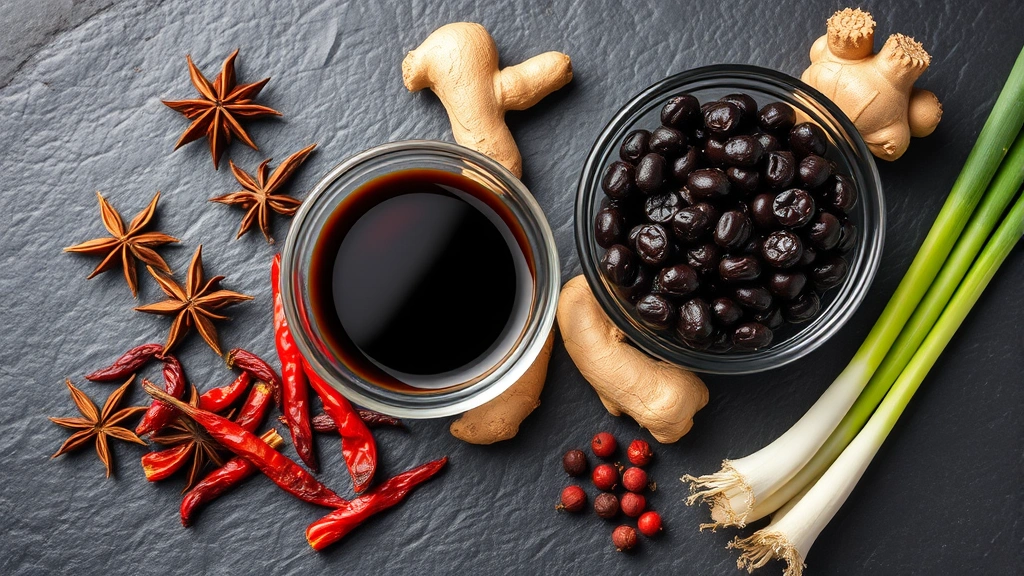
Third is the strategic use of aromatics. Scallions, garlic, ginger, and star anise aren’t afterthoughts; they’re carefully timed additions that build complexity. Authentic Peking chefs understand that these ingredients contribute different flavor notes at different cooking stages—raw garlic provides sharp bite, while slow-cooked garlic becomes sweet and mellow.
The fourth characteristic involves respect for ingredient quality and seasonality. Traditional Peking cuisine emphasizes using the finest available ingredients, prepared simply to highlight their natural qualities. This philosophy stands in stark contrast to heavily sauced dishes that mask inferior components.
Signature Dishes: Separating Reality from Marketing
No discussion of Peking cuisine authenticity is complete without examining its most celebrated signature dishes. Peking duck stands as the undisputed crown jewel, yet this single dish reveals everything about authenticity challenges.
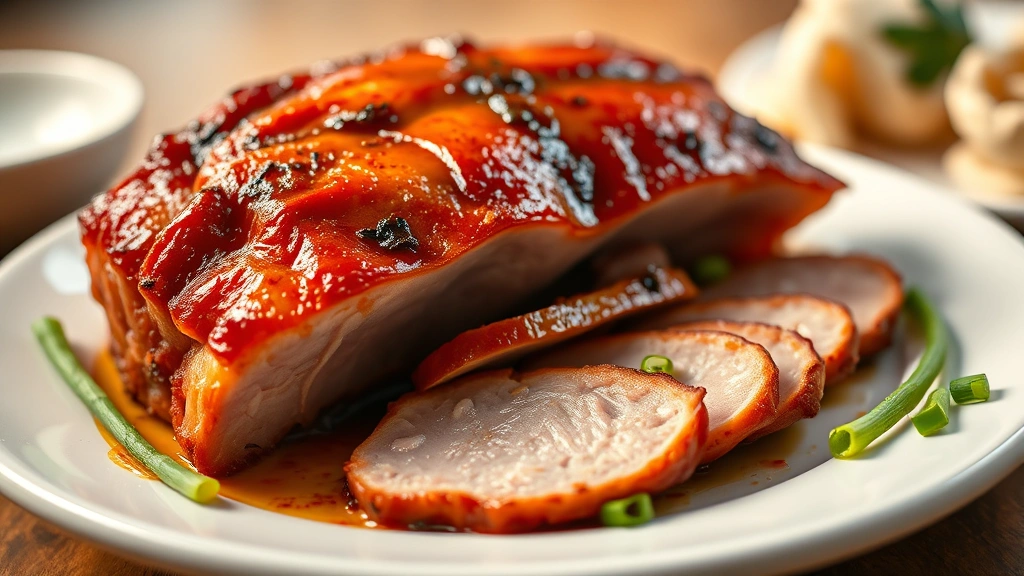
Peking Duck represents culinary perfection when executed properly. The authentic preparation begins days before service—the bird is brined, then hung to dry, allowing the skin to become paper-thin and impossibly crispy. The roasting process in a specialized oven creates a Maillard reaction that produces the characteristic mahogany exterior. When carved at your table, the skin should shatter between your teeth while the meat remains tender and juicy.
However, many Western restaurants shortcut this process. Some use younger ducks that lack flavor depth. Others skip the hanging period, resulting in skin that’s merely crispy rather than transcendent. The most egregious offense? Serving Peking duck with standard plum sauce instead of the proper sweet bean sauce. The authentic version provides umami depth that commercial plum sauce cannot match.
Mapo Tofu demonstrates how a simple dish reveals a restaurant’s philosophy. Authentic versions feature silky tofu cubes swimming in a numbing, spicy sauce created from Sichuan peppercorns and dried chilies. The sensation—that distinctive tingling on your palate—comes from hydroxy-alpha sanshool, a compound that triggers specific nerve receptors. Restaurants that skip Sichuan peppercorns produce a dish that’s merely spicy, missing the sophisticated complexity that defines the original.
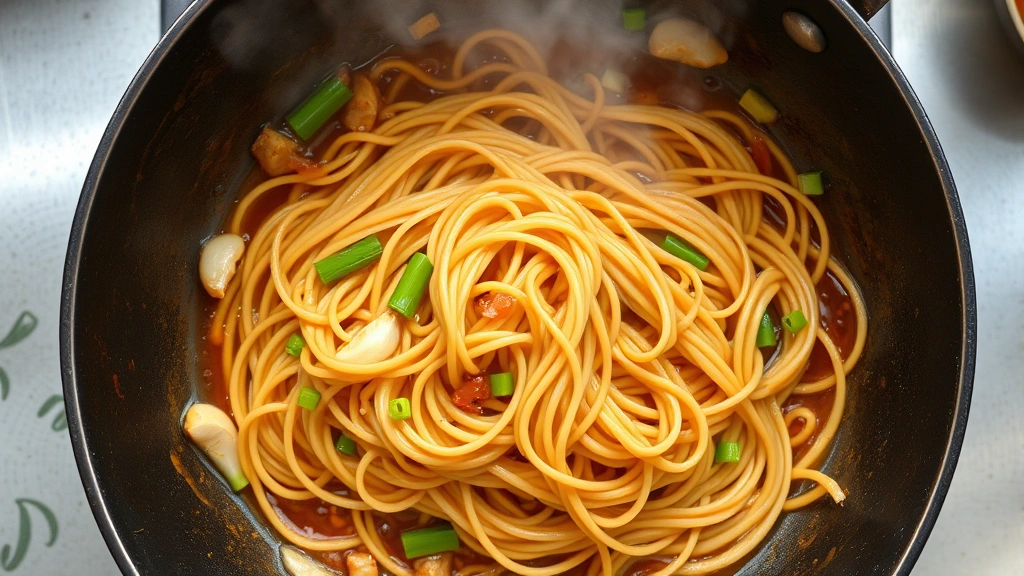
Hand-Pulled Noodles showcase technical mastery. A chef’s skill determines whether noodles emerge silky and delicate or tough and gummy. The dough must rest properly, be stretched with perfect timing, and cooked in water at the exact right temperature. When done correctly, each strand should have a slightly chewy texture with a tender bite. This dish cannot be rushed or mass-produced without losing its essential character.
Lion’s Head Meatballs reveal a restaurant’s commitment to proper preparation. These oversized meatballs, traditionally made from pork, should be light and airy—not dense hockey pucks. The secret lies in incorporating proper ratios of fat, using panko or bread soaked in milk, and avoiding overmixing. They should practically dissolve on your tongue, surrounded by a delicate sauce enriched with aromatics and stock.
The Role of Technique and Preparation
Technique separates mediocre Peking restaurants from exceptional ones. High-heat cooking requires years of practice and an almost intuitive understanding of timing. When a chef stir-fries vegetables, they must judge the exact moment to add sauce—too early and it reduces to sticky glaze, too late and vegetables remain raw-tasting.
The wok itself plays a crucial role. Cast iron woks, seasoned over years of use, develop a natural non-stick patina that distributes heat more evenly than modern non-stick cookware. Many authentic Peking restaurants in China use woks that are decades old, passed down through generations of chefs. The metal’s seasoning affects flavor in subtle ways that cannot be replicated with new equipment.
Consider the technique of velveting—a preparation method where proteins are marinated in cornstarch and egg white before brief cooking in oil or water. This creates an impossibly tender texture that seals in juices. Many restaurants skip this step, claiming time constraints, but it’s fundamental to authentic Peking cooking. The resulting texture difference is immediately apparent to any discerning palate.
Steaming represents another critical technique often overlooked. Authentic dim sum and steamed dishes require proper steam circulation and precise timing. Too little steam and dishes dry out; too much and they become waterlogged. Bamboo steamers, when properly maintained, provide superior results to metal steamers because they allow excess moisture to escape naturally.
Ingredient Quality and Sourcing
The ingredients used in Peking cuisine directly impact final flavor. Authentic restaurants often source specialty items from Asian suppliers who import directly from China, ensuring freshness and proper varieties.
Soy sauce quality varies dramatically. Premium naturally-fermented soy sauce, aged for years, provides complexity that chemically-produced versions cannot match. The difference is immediately noticeable—authentic versions taste almost sweet, with subtle umami depth, while inferior versions taste harsh and one-dimensional.
Oils deserve careful consideration. Sesame oil should be toasted, providing nutty aroma and rich flavor. Peanut oil, the traditional cooking oil for high-heat applications, offers a subtle sweetness. Some restaurants substitute vegetable oil, claiming cost or allergy concerns, but this fundamentally alters flavor profiles.
Dried ingredients require proper storage and sourcing. Dried shiitake mushrooms should be fragrant and pliable, not brittle. Dried chilies should smell pungent and vibrant, not musty. Star anise should provide powerful licorice notes. These details reveal whether a restaurant sources from quality suppliers or settles for whatever’s available cheaply.
Fresh produce quality indicates commitment to excellence. Authentic Peking restaurants seek the finest bok choy, the crispest snap peas, the most tender ginger. When restaurants use wilted vegetables or substandard produce, they’re making a statement about their priorities.
Many Western Peking restaurants struggle with ingredient availability. Certain mushrooms, leafy greens, and aromatics grow differently in Western climates. Authentic chefs adapt by selecting the best available local alternatives while maintaining flavor principles. This adaptation is not inauthentic—it’s respectful problem-solving that honors the cuisine’s core values.
Sauce Mastery: The Hidden Foundation
Sauces represent the soul of Peking cuisine, yet they’re often overlooked in restaurant reviews. The difference between a forgettable dish and an unforgettable one frequently comes down to sauce quality and balance.
Oyster sauce in authentic applications provides umami depth without fishiness. Lesser versions taste fishy or overly sweet. Premium oyster sauce, made from fermented oyster extract, offers complexity that enhances rather than masks other flavors. Consider exploring sauce recipe principles to understand how quality ingredients transform dishes.
Hoisin sauce, when properly made, balances sweetness with savory depth. It should coat your palate with richness, not stick to your teeth like candy. Authentic versions contain fermented soybeans, providing umami backbone that commercial versions often lack.
Black vinegar adds brightness and complexity to sauces. Chinkiang black vinegar, the most prized variety, tastes almost sweet with subtle fruity notes. Lesser vinegars taste harsh and one-dimensional. A skilled chef uses vinegar to balance richness, creating sauces that taste complete rather than heavy.
Sauce consistency matters profoundly. In authentic Peking cooking, sauces should coat ingredients lightly, allowing individual flavors to shine through. Many Western restaurants create thick, glossy sauces that overwhelm delicate components. The best Peking sauces taste like they were made for each specific dish, not applied generically.
The technique of sauce-making involves careful timing and temperature control. Sauces should reach specific viscosity at precise moments, then cool to proper serving temperature. This requires attention and skill, not simply heating ingredients together. When you taste a sauce that tastes flat or one-dimensional, you’re experiencing the result of insufficient care in preparation.
Dining Experience and Presentation
Authenticity extends beyond food to encompass the entire dining experience. Traditional Peking restaurants in Beijing maintain specific atmospheres—often modest, sometimes bustling with energy, always focused on the food rather than elaborate decor.
Western Peking restaurants often face a dilemma: should they recreate authentic ambiance or adapt to local preferences? The most successful establishments find middle ground—maintaining elements that enhance appreciation of the cuisine while creating comfort for their clientele.
Presentation techniques reveal restaurant philosophy. Authentic Peking cuisine presents food simply, allowing colors and textures to speak for themselves. Dishes arrive on plain white plates or traditional serving vessels, not on elaborate platters with decorative elements. The food itself should be visually stunning through proper cooking and beautiful plating—not through garnishes and artistic arrangements that distract from flavor.
Service style matters significantly. In authentic settings, servers demonstrate deep knowledge of dishes, can discuss preparation methods, and understand ingredient quality. They suggest complementary dishes and help navigate menus with expertise. Many Western restaurants employ servers with minimal training, reducing the dining experience to transaction rather than education.
Table setting and serviceware communicate respect for tradition. Proper chopsticks, porcelain spoons, and quality dinnerware indicate attention to detail. Restaurants that serve with plastic utensils or mismatched serviceware are signaling that presentation matters less than profit margins.
Common Compromises in Western Peking Restaurants
Understanding where and why Western Peking restaurants compromise helps diners make informed choices and appreciate the challenges these establishments face.
Sugar in sauces represents the most common compromise. Western palates have been conditioned to expect sweetness in Chinese food, so many restaurants add extra sugar to appeal to broader audiences. This masks subtle flavors and creates cloying dishes that leave your palate feeling exhausted rather than satisfied. Authentic Peking cuisine contains sweetness—from oyster sauce, hoisin, and other ingredients—but it’s balanced against saltiness, sourness, and umami.
MSG usage divides restaurants philosophically. Traditional Peking cuisine uses naturally occurring glutamates from fermented ingredients and stocks. Some Western restaurants add MSG for flavor enhancement, while others avoid it entirely due to consumer prejudice. Neither approach is inherently inauthentic, but the philosophy behind the choice reveals much about a restaurant’s values.
Portion sizes frequently exceed authentic standards. Traditional Peking restaurants serve modestly-sized portions meant for sharing and balance across multiple dishes. Western restaurants often serve oversized portions of single dishes, encouraging consumption patterns that clash with authentic dining philosophy. When you leave feeling stuffed rather than satisfied, you’ve likely experienced excessive portions rather than exceptional flavor.
Menu simplification represents another significant compromise. Authentic Peking restaurants in Beijing offer seasonal specialties and regional variations that most Western establishments cannot replicate. Simplified menus make operations easier but sacrifice the complexity and variety that defines true Peking cuisine. You might explore restaurant options that prioritize variety and seasonal offerings.
Ingredient substitutions occur out of necessity. Certain mushrooms, greens, and aromatics simply don’t grow in Western climates with the same characteristics. Authentic chefs accept this reality and select the best available alternatives. The compromise becomes problematic only when restaurants use inferior substitutes without attempting to find better options.
Speed of service often conflicts with authentic cooking. Proper Peking dishes require time—the wok must reach proper temperature, ingredients must be prepared precisely, sauces must develop. Some Western restaurants prioritize speed over quality, rushing dishes to tables before they’ve achieved their full potential. You can sense this in the final product—flavors taste underdeveloped, textures seem rushed, and the overall experience feels incomplete.
The most honest Peking restaurants acknowledge these compromises openly. They source the best available ingredients, cook with proper technique, and educate diners about their philosophy. They understand that authenticity doesn’t mean rigid adherence to recipes from decades past—it means respecting the cuisine’s core principles while adapting thoughtfully to local realities.
FAQ
What makes Peking duck authentic?
Authentic Peking duck requires proper brining, hanging to dry the skin, and roasting in a specialized oven that creates crispy skin while maintaining tender, juicy meat. The bird should be carved tableside, and served with proper sweet bean sauce, not commercial plum sauce. Restaurants that skip the drying process or use incorrect sauces are compromising authenticity.
How can I identify authentic Peking restaurants?
Look for restaurants that source specialty ingredients from Asian suppliers, employ chefs trained in traditional techniques, maintain proper equipment like cast iron woks, and demonstrate knowledge about their dishes. Ask servers about preparation methods—authentic restaurants can explain their approach in detail. Check whether they offer seasonal specialties beyond standard menu items.
Is MSG use in Peking cuisine inauthentic?
Not necessarily. Traditional Peking cooking uses naturally occurring glutamates from fermented ingredients and stocks. Some restaurants add MSG for enhancement, which isn’t inherently inauthentic—it’s a choice about flavor development philosophy. The key is whether the restaurant is being transparent about their practices.
Why do many Western Peking restaurants taste too sweet?
Western consumers have been conditioned to expect sweetness in Chinese cuisine, so many restaurants add extra sugar to appeal to broader audiences. Authentic Peking cuisine contains sweetness from ingredients like oyster sauce and hoisin, but it’s balanced against other flavor elements. Restaurants that add additional sugar are compromising traditional balance.
What’s the difference between Peking and Szechuan cuisine?
Peking cuisine emphasizes balanced flavors with careful preparation and technique, while Szechuan cuisine features bold heat from chili peppers and the distinctive numbing sensation from Sichuan peppercorns. Peking cooking is more refined and technique-focused, while Szechuan is more rustic and flavor-forward. Both are authentic Chinese traditions with different characteristics.
Can restaurants adapt Peking cuisine without losing authenticity?
Absolutely. Authenticity doesn’t require rigid adherence to recipes or ingredients unavailable locally. Respectful adaptation—selecting the best available alternatives, maintaining proper technique, and honoring core flavor principles—preserves authenticity while acknowledging local realities. The key is whether chefs are making thoughtful choices or simply cutting corners.
How should I evaluate a Peking restaurant’s authenticity?
Taste multiple dishes, paying attention to balance of flavors, technique evidenced in texture and preparation, and whether ingredients taste fresh and high-quality. Observe how sauces complement rather than overpower. Ask servers about preparation methods. Consider whether the restaurant offers seasonal specialties and specialty ingredients. Most importantly, your palate will tell you whether a restaurant respects the cuisine or merely exploits its popularity.