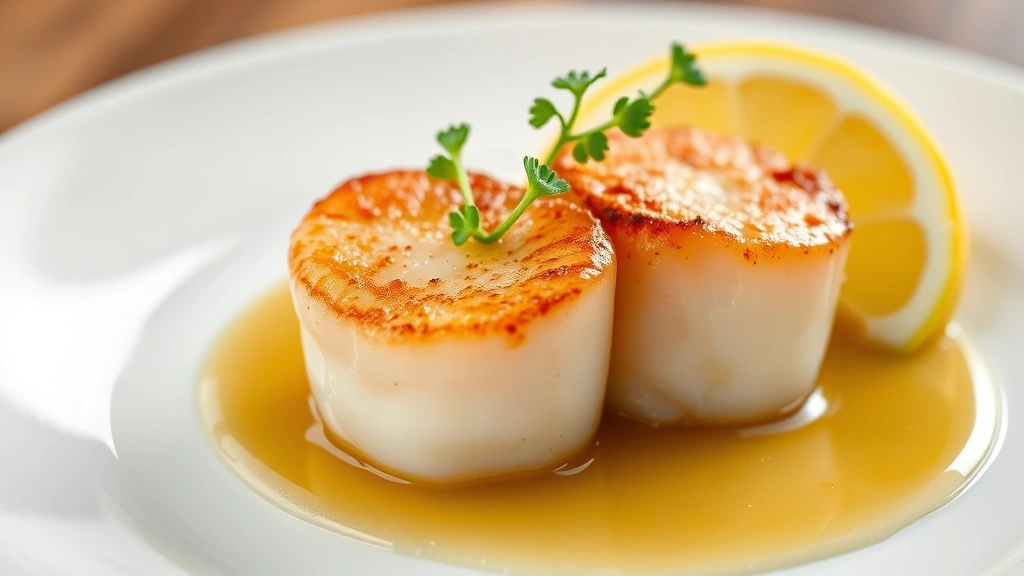
Philly Restaurant Week: Top Picks by Local Foodies
Philadelphia Restaurant Week stands as one of the most anticipated culinary events on the East Coast, drawing food enthusiasts, seasoned diners, and adventure-seeking palates into the city’s most celebrated establishments. This annual celebration transforms Philadelphia’s vibrant dining scene into an accessible playground where world-class cuisine meets affordable prix-fixe menus, allowing locals and visitors alike to experience restaurants that might otherwise stretch their budgets. The event has become synonymous with gastronomic discovery, offering carefully curated tasting experiences that showcase the depth and diversity of Philadelphia’s food culture.
For those seeking the ultimate dining experiences during this prestigious event, understanding which establishments deliver exceptional value and unforgettable flavors becomes essential. Local foodies have spent years exploring Philadelphia’s restaurant landscape, identifying hidden gems and celebrated institutions that truly shine when their chefs focus on crafting special menus. Whether you’re drawn to innovative molecular gastronomy, time-honored Italian traditions, or contemporary American fare, Philadelphia Restaurant Week presents an unparalleled opportunity to taste your way through the city’s culinary heart.
Understanding Philadelphia Restaurant Week
Philadelphia Restaurant Week operates as a bi-annual celebration, typically occurring in January and August, though specific dates vary yearly. During this prestigious window, participating restaurants offer specially designed prix-fixe menus at three distinct price points: lunch menus starting around $15, mid-tier options at $35, and premium experiences reaching $60 per person. This tiered structure democratizes fine dining, enabling a broader spectrum of diners to experience culinary excellence without the typical financial commitment.
The event’s structure incentivizes chefs to showcase their most innovative work within accessible parameters. Rather than serving standard menu items, many establishments create entirely new dishes specifically for Restaurant Week, treating it as an opportunity to experiment and impress simultaneously. Local foodies recognize this period as the perfect moment to test-drive restaurants they’ve been curious about, knowing the value proposition is exceptionally strong. The collaborative spirit of Philadelphia’s culinary community means that participating chefs often elevate their game, understanding that this week represents a showcase of their talents to a broader audience.
When planning your best lunch restaurants near me experience during Restaurant Week, consider that lunch menus typically feature three courses of refined cuisine, while dinner experiences expand to four or more courses. The progression from appetizer through dessert becomes a narrative arc, with each dish building upon the previous one to create a cohesive culinary story. Understanding this structure helps diners appreciate the intentionality behind menu sequencing and flavor development.
Top Fine Dining Picks
Philadelphia’s fine dining establishments consistently deliver restaurant week experiences that rival their regular tasting menus in complexity and innovation. These restaurants attract accolades from Michelin Guide evaluators and recognition from prestigious culinary organizations, establishing themselves as temples of gastronomic excellence. Local foodies consistently return to these establishments during Restaurant Week, knowing that the value proposition combined with exceptional execution creates unforgettable dining memories.
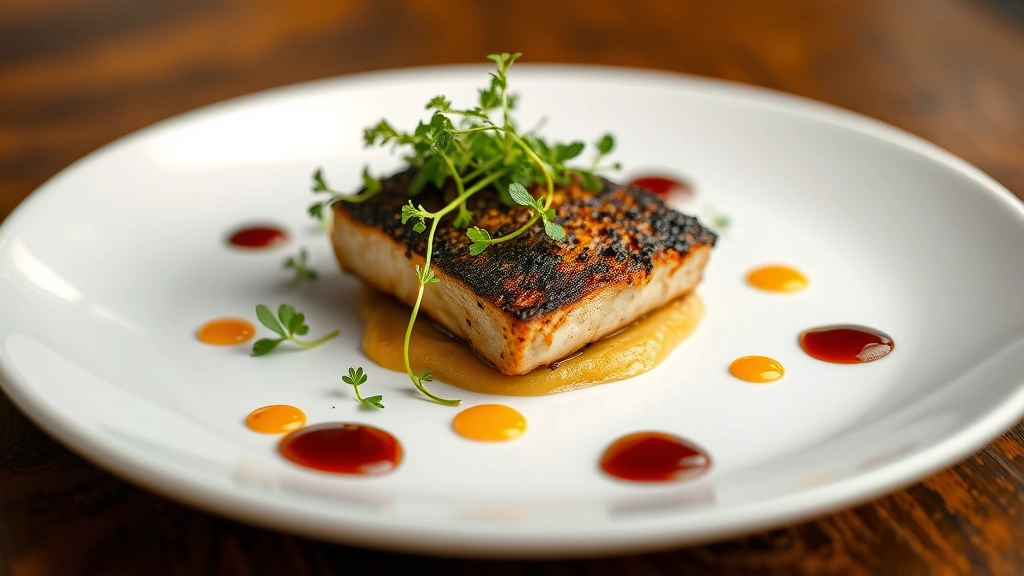
The finest establishments in Philadelphia approach Restaurant Week with meticulous attention to detail, treating each plate as a canvas for artistic expression. Expect precisely executed proteins with sophisticated sauce work, vegetables transformed through modern cooking techniques, and presentations that engage all senses before the first bite. These restaurants often feature chef-driven concepts where the kitchen’s creative vision permeates every element of the dining experience.
When selecting fine dining options, local food critics emphasize the importance of matching your palate preferences with each restaurant’s culinary philosophy. Some establishments emphasize classical French technique with contemporary interpretations, while others embrace avant-garde approaches that challenge conventional flavor combinations. Reading detailed restaurant descriptions and previous diner feedback helps align your expectations with the actual dining experience, ensuring maximum satisfaction and value during your Restaurant Week visit.
The sensory experience at these establishments extends beyond taste. The ambiance, service quality, and presentation all contribute to the overall narrative. Many fine dining restaurants incorporate elements like custom tableware, precisely timed courses, and knowledgeable servers who can articulate the inspiration and technique behind each dish. This holistic approach transforms a meal into an immersive culinary theater production.
Neighborhood Favorites Worth Exploring
Beyond the established fine dining circuit, Philadelphia’s diverse neighborhoods each contribute distinctive culinary voices to the Restaurant Week celebration. From historic Old City to the vibrant restaurant scenes in Fishtown, Rittenhouse Square, and Passyunk Avenue, neighborhood restaurants bring authentic character and passionate cooking to their prix-fixe offerings. These establishments often feature family friendly restaurants near me that maintain their welcoming spirit while elevating their menus for the event.
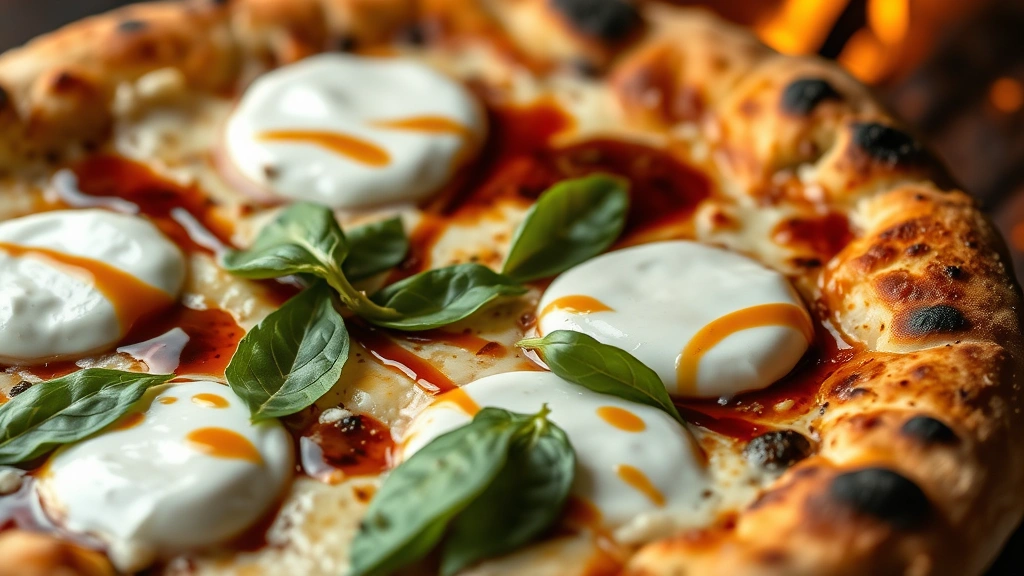
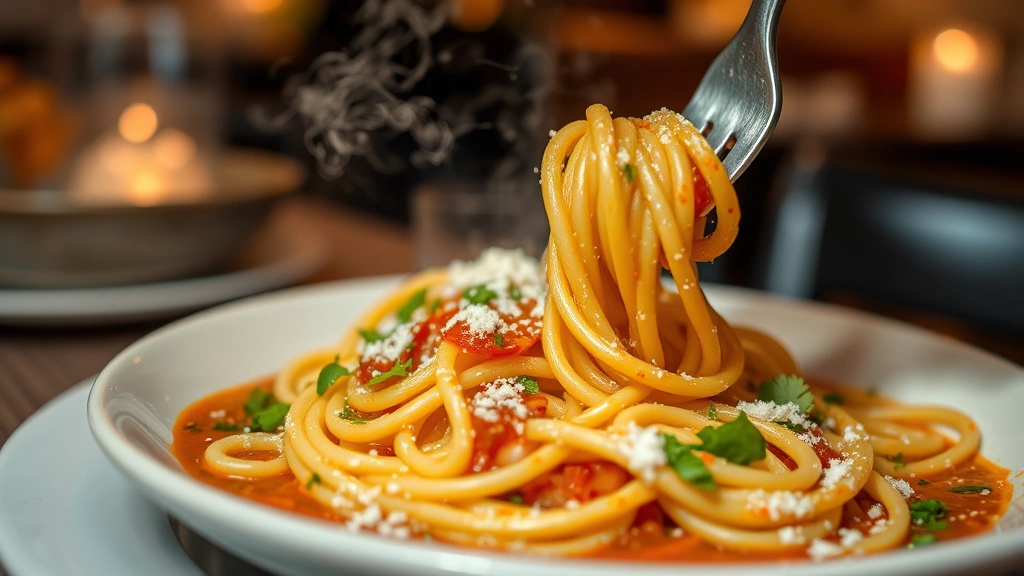
Italian restaurants scattered throughout Philadelphia represent a particular treasure during Restaurant Week. These establishments, many operated by families with deep roots in the Italian culinary tradition, create pasta dishes that honor traditional techniques while incorporating contemporary sensibilities. Handmade pasta, whether delicate filled ravioli or rustic pappardelle, showcases the kitchen’s commitment to craftsmanship. The sauce work demonstrates restraint and precision, allowing premium ingredients like San Marzano tomatoes, fresh basil, and quality olive oil to shine without unnecessary embellishment.
For those interested in mastering similar techniques at home, exploring easy homemade pasta sauce: a simple guide provides foundational knowledge that enhances appreciation for professional pasta preparations. Understanding the building blocks of classic sauce construction illuminates the sophistication of restaurant-level executions.
Asian cuisine throughout Philadelphia offers remarkable diversity during Restaurant Week. Vietnamese pho restaurants deliver aromatic broths that simmer for hours, building complex umami foundations. Chinese establishments showcase wok work and flavor balancing that transforms simple ingredients into memorable dishes. Japanese restaurants present precisely executed sushi and sashimi alongside innovative cooked preparations. These neighborhood establishments often outperform expectations, delivering culinary experiences that rival or exceed their fine dining counterparts.
For adventurous diners curious about Asian cooking techniques, easy stir-fry recipes introduce fundamental wok principles that illuminate the technical mastery visible in restaurant kitchens. Watching professional chefs execute high-heat stir-frying becomes more meaningful when you understand the balance between proper technique and ingredient quality.
Mediterranean and Spanish restaurants contribute vibrant, ingredient-forward cooking to Philadelphia’s Restaurant Week offerings. These establishments emphasize seasonal produce, quality proteins, and the transformative power of proper seasoning and technique. Tapas-style service encourages sharing and conversation, creating communal dining experiences that feel both sophisticated and relaxed.
Emerging Culinary Talents
Philadelphia Restaurant Week frequently features newer establishments and young chefs making significant impacts on the city’s culinary landscape. These emerging voices bring fresh perspectives, often combining classical training with innovative thinking, creating menus that feel simultaneously respectful of tradition and boldly forward-thinking. Local foodies actively seek out these restaurants during Restaurant Week, understanding that the event provides exceptional value on food that might otherwise demand premium pricing.
Many emerging chefs approach Restaurant Week as an opportunity to demonstrate their vision to a broader audience. They often feature ingredient-driven cooking that celebrates seasonal availability and local sourcing relationships. The menu becomes a reflection of the chef’s personal culinary philosophy, showcasing their unique approach to flavor development and plate composition. These restaurants frequently offer restaurants with outdoor seating near me options, creating casual yet refined dining environments that feel accessible without sacrificing quality.
The energy in emerging restaurants differs distinctly from established fine dining institutions. You’ll often sense the passion and personal investment more directly, as younger chefs maintain hands-on involvement in menu execution. This translates to menus that feel more daring, sometimes taking risks that established restaurants might avoid. The results can be extraordinary, offering culinary experiences that feel genuinely innovative rather than technically proficient but predictable.
Supporting emerging culinary talents during Restaurant Week creates a meaningful impact on Philadelphia’s food scene. These restaurants often operate with tighter margins than established institutions, making Restaurant Week participation particularly important for their business sustainability. Your patronage directly supports the next generation of Philadelphia’s culinary leaders.
Strategic Booking and Timing
Successfully navigating Philadelphia Restaurant Week requires strategic planning, particularly for the most popular establishments. Reservations typically open two to three weeks before the event begins, and premium restaurants frequently book completely within hours. Setting calendar reminders and preparing your priority list in advance ensures you can secure preferred dining times.
Local foodies employ specific strategies to maximize their Restaurant Week experiences. Many prioritize booking one exceptional fine dining establishment alongside several neighborhood restaurants, creating a balanced week of culinary exploration. This approach provides both the prestige and novelty of fine dining alongside the authentic character and often superior value of neighborhood establishments.
Timing your reservations strategically can enhance the experience. Lunch reservations, particularly midweek, often feel less rushed than dinner services, allowing more leisurely enjoyment of each course. Additionally, lunch pricing provides extraordinary value, sometimes delivering four-course meals at the cost of a single appetizer at regular menu prices. For those willing to dine early or late, off-peak dinner times often offer more relaxed atmospheres with better table placement and attentive service.
Reading recent reviews and researching chef backgrounds helps inform your selections. Understanding a chef’s training, influences, and culinary philosophy provides context that enriches your dining experience. Many Philadelphia chefs trained at prestigious culinary institutions or worked under renowned mentors, backgrounds that inform their current work. This knowledge transforms a meal from simple eating into an appreciation of culinary lineage and artistic development.
Consider dietary preferences and restrictions when booking. Most restaurants accommodate requests submitted at reservation time, allowing chefs to prepare specialized menus that maintain the Restaurant Week experience while honoring individual needs. Communicating clearly about allergies, vegetarian preferences, or other considerations ensures a positive experience for all diners.
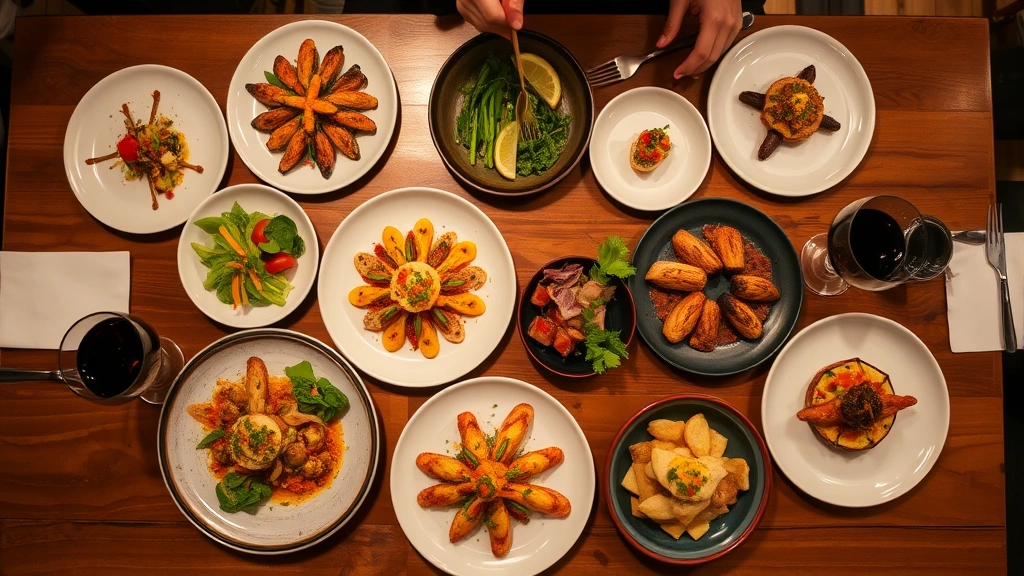
Group dining during Restaurant Week can be particularly rewarding, as multiple palates tasting different dishes creates opportunities for comparative analysis and shared discovery. Coordinating with friends to order varied selections allows everyone to experience greater menu breadth. The social aspect of sharing bites and discussing flavors enhances the overall experience, transforming a meal into a collaborative culinary adventure.
FAQ
What is the typical price range for Philadelphia Restaurant Week meals?
Philadelphia Restaurant Week prix-fixe menus operate at three tiers: approximately $15 for lunch, $35 for mid-tier dinner, and $60 for premium experiences. These prices include multiple courses, typically three for lunch and four or more for dinner. The value proposition becomes particularly compelling when comparing regular menu prices to Restaurant Week offerings, often representing 30-50% savings on equivalent dining experiences.
How far in advance should I make reservations?
Reservations typically open two to three weeks before Restaurant Week begins, and popular establishments book completely within the first 24-48 hours. Setting calendar reminders for the exact reservation opening time is essential. Having a prioritized list of five to ten restaurants ensures you can secure multiple reservations even if your top choices fill quickly.
Can I request dietary accommodations during Restaurant Week?
Yes, virtually all restaurants participating in Philadelphia Restaurant Week accommodate dietary restrictions, allergies, and preferences. Communicate these requirements when making reservations or contact the restaurant directly beforehand. Chefs appreciate advance notice, allowing them to prepare specialized menus that maintain the Restaurant Week experience while honoring individual needs.
What’s the difference between Philadelphia Restaurant Week lunch and dinner?
Lunch menus typically feature three courses at lower price points, with service usually completed within 60-90 minutes, making lunch ideal for those with time constraints or budget considerations. Dinner experiences expand to four or more courses, generally requiring 2-3 hours, and include more elaborate presentations and technique-forward preparations. Both offer exceptional value, with the choice depending on schedule and desired depth of experience.
Which neighborhoods offer the best Restaurant Week value?
While fine dining establishments in Rittenhouse Square and Old City deliver prestige and technical excellence, neighborhood restaurants in Fishtown, Passyunk Avenue, and University City often provide superior value with equally impressive food. These neighborhoods feature diverse cuisines, passionate chefs, and often less crowded dining rooms, creating more relaxed experiences while maintaining exceptional culinary standards.
Should I try new restaurants or return to favorites during Restaurant Week?
Local foodies recommend balancing both approaches. Using Restaurant Week to explore new establishments takes advantage of the exceptional value proposition on restaurants you might otherwise hesitate to try. Simultaneously, returning to favorite restaurants during Restaurant Week provides opportunities to experience their creative interpretations of special menus. A mixed strategy throughout the week maximizes culinary discovery while supporting beloved establishments.