Why Is Olive Garden Closing? Industry Insider Insight
The casual dining landscape has undergone seismic shifts in recent years, and Olive Garden, once synonymous with unlimited breadsticks and endless pasta bowls, finds itself navigating unprecedented challenges. While the Italian-American chain hasn’t announced a complete shutdown, select locations have closed their doors, signaling deeper industry-wide problems that extend far beyond a single restaurant concept. As a food industry analyst and culinary enthusiast, I’ve watched this beloved establishment struggle with changing consumer preferences, operational pressures, and the lingering aftermath of pandemic-related disruptions. Understanding why popular restaurant chains face closure requires examining multiple factors: evolving dining habits, labor market pressures, real estate constraints, and the fundamental shift in how Americans approach casual dining experiences.
The story of Olive Garden’s challenges isn’t one of sudden collapse but rather a gradual repositioning within an increasingly competitive marketplace. Dine-in casual dining, once the cornerstone of American restaurant culture, has given way to ghost kitchens, fast-casual concepts, and elevated home cooking. The chain’s signature offerings—those iconic unlimited breadsticks and salad courses—now seem quaint against a backdrop of consumers seeking more authentic, localized, or health-conscious dining experiences. This article explores the multifaceted reasons behind recent closures, industry trends that have reshaped casual dining, and what the future might hold for this once-dominant Italian-American institution.
Shifting Consumer Preferences and Dining Trends
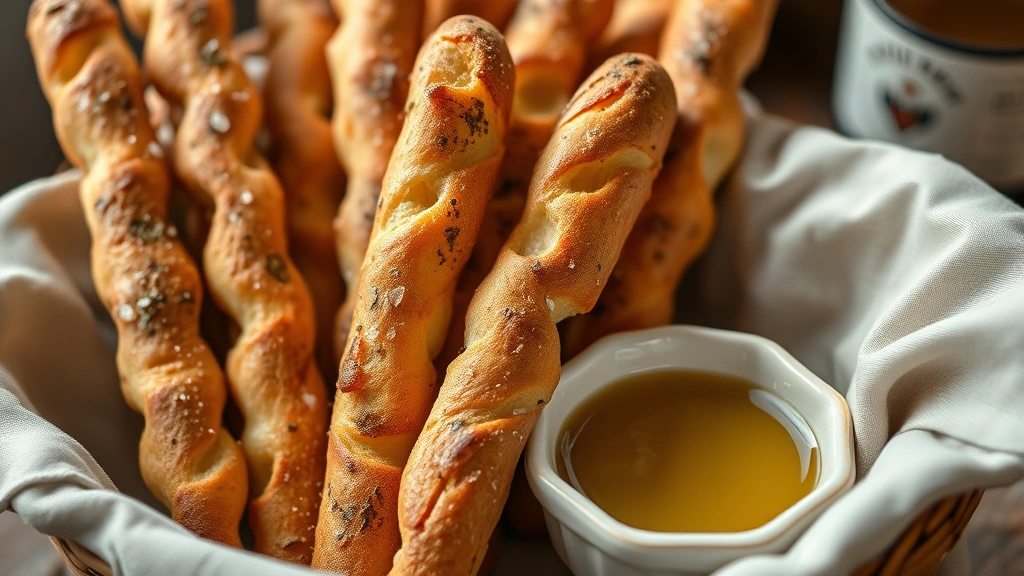
The culinary world has experienced a profound transformation over the past decade. Consumers, particularly younger demographics, increasingly prioritize authenticity, transparency, and experiential value over volume and convenience. The all-you-can-eat breadstick model, once a revolutionary concept that drove Olive Garden’s explosive growth, now represents everything many diners actively avoid: excessive portions, processed ingredients, and a lack of nutritional awareness. This shift reflects broader health consciousness, with consumers consulting nutritional databases before dining out and seeking restaurants that align with their wellness goals.
Millennials and Gen Z diners have fundamentally different expectations than their predecessors. They want to know ingredient origins, preparation methods, and whether their dining choices support sustainable practices. When you examine restaurants gaining market share—Indian restaurants with their complex spice profiles and ingredient transparency, farm-to-table establishments, and Asian fusion concepts—they all emphasize authenticity and culinary storytelling. Olive Garden’s formulaic approach to Italian-American cuisine, while comforting to some, feels increasingly disconnected from how contemporary diners want to experience food. The chain’s reliance on standardized recipes and mass-produced components contradicts the farm-to-fork movement that has reshaped fine dining and influenced casual dining expectations.
Furthermore, the rise of cooking shows, food blogs, and culinary education has elevated consumer palates. Home cooks now attempt complex recipes once reserved for professional kitchens. They understand the difference between authentic Italian cuisine and Americanized adaptations. This sophistication makes Olive Garden’s unlimited soup, salad, and breadsticks proposition feel less like an indulgence and more like a symptom of a chain unwilling to evolve its culinary identity. The sensory experience of dining—the carefully balanced flavors, the textural contrasts, the presentation—matters more than ever, and Olive Garden’s consistent, predictable flavor profiles no longer captivate adventurous eaters.
Labor Costs and Operational Challenges
The restaurant industry operates on notoriously thin profit margins, typically between 3-5% for casual dining establishments. When labor costs surge—driven by minimum wage increases, tighter employment markets, and workers demanding better compensation—chains like Olive Garden face existential pressures. The unlimited breadstick model compounds this problem: it requires significant kitchen labor to produce, server attention to refill tables, and bussing staff to manage the inevitable waste. In an era where servers expect $15-20 hourly wages plus benefits, the economic model supporting unlimited offerings becomes unsustainable.
Kitchen operations at Olive Garden locations have always been labor-intensive. The breadstick production alone requires dedicated staff, specialized ovens, and constant monitoring to maintain quality standards. When a single location might serve 300-400 customers daily, each ordering breadsticks multiple times, the cumulative labor burden becomes staggering. Regional wage variations further complicate matters: locations in high-cost metropolitan areas where minimum wages exceed $15 per hour struggle far more than those in lower-cost regions. This geographic disparity explains why certain Olive Garden closures cluster in specific states, particularly California, New York, and the Northeast, where labor costs have spiraled beyond what the casual dining model can absorb.
Beyond wages, staffing challenges have become acute. The hospitality industry faces persistent worker shortages, with many former employees seeking careers in fields offering better stability, benefits, and work-life balance. Olive Garden’s high-turnover environment—typical for casual dining chains—requires constant recruitment and training investment. When you combine labor scarcity with wage pressures, the economics of running a full-service casual dining location become increasingly precarious. Some locations have responded by reducing operating hours or limiting menu offerings, both of which diminish the customer value proposition that once defined the brand.
The Pandemic’s Lasting Impact on Casual Dining
COVID-19 delivered a devastating blow to the casual dining sector, and the recovery has proven far more complicated than industry observers initially predicted. While quick-service restaurants and fast-casual concepts adapted relatively smoothly to delivery and takeout models, Olive Garden’s full-service dining model suffered disproportionately. The unlimited breadstick experience simply doesn’t translate to takeout containers. The communal dining experience—families gathering around tables, servers building rapport with regulars—evaporated when dining rooms closed.
During lockdowns, many consumers discovered alternatives: meal kit services, local restaurants offering family bundles, and elevated home cooking. When dining rooms reopened, customer traffic patterns had fundamentally shifted. Regular visitors who once visited monthly found new routines. The psychological comfort Olive Garden provided—a predictable, familiar experience—felt less compelling when people had spent months reassessing their dining priorities. Additionally, the pandemic accelerated consumer interest in health and safety, making the shared breadstick basket and communal salad bowl seem less appealing than individually plated, controlled-environment meals.
Financial stress from pandemic closures forced many Olive Garden franchisees to make difficult decisions about which locations to maintain. Properties with marginal profitability before COVID became untenable afterward. Landlords in some cases refused to renegotiate rent, forcing location closures despite operational recoveries elsewhere. The chain’s corporate structure, while providing consistency, limited individual franchisees’ flexibility to adapt to local market conditions. Some of the most vulnerable locations—those in secondary markets or aging shopping centers—never recovered their pre-pandemic customer bases and were ultimately shuttered.
Real Estate and Location Economics
Casual dining chains depend heavily on real estate strategy, and Olive Garden’s footprint reflects decades of suburban shopping center development patterns that have largely become obsolete. The rise of lifestyle centers, downtown revitalization, and shifting consumer preferences toward walkable neighborhoods have diminished the appeal of traditional suburban strip malls where many Olive Garden locations sit. These aging properties often require significant capital investment in renovation, parking improvements, and modernization—investments that many franchisees deemed unwise given uncertain revenue trajectories.
The economics of casual dining real estate have deteriorated markedly. Landlords of struggling shopping centers have faced pressure from online retail’s expansion, which reduced anchor tenant traffic. When Sears, JCPenney, or other major department stores closed, the entire shopping center ecosystem collapsed. Olive Garden locations in these declining properties became increasingly marginal. Rent renegotiation often proved impossible, with landlords preferring to wait for more profitable tenants than accept reduced payments from restaurants. Some locations faced impossible choices: pay unsustainable rent, relocate to more expensive but traffic-heavy areas, or close entirely.
Additionally, the rise of food delivery services and ghost kitchens has challenged the traditional casual dining real estate model. Why pay premium rent for a high-traffic suburban location when a kitchen in a warehouse can serve the same customer base through delivery apps? This fundamental shift in how restaurants think about location economics has forced chains to reconsider their physical footprints. For Olive Garden, some closures represent strategic decisions to exit unprofitable real estate rather than indicators of fundamental brand failure.
Competition From Fast-Casual and Delivery Models
The emergence of fast-casual dining—concepts like Panera, Chipotle, and newer regional players—has directly cannibalized Olive Garden’s customer base. Fast-casual restaurants offer customization, perceived health benefits, and shorter service times at price points competitive with casual dining. A customer deciding between Olive Garden’s $15-18 entree and a customized Chipotle bowl might increasingly choose the latter, especially if they value transparency about ingredients and preparation methods. These competitors have also mastered marketing to younger demographics through social media, limited-time offerings, and influencer partnerships—areas where Olive Garden’s marketing feels dated.
Food delivery platforms have further disrupted the casual dining model. Services like DoorDash, Uber Eats, and Grubhub have democratized restaurant access, allowing consumers to enjoy restaurant-quality meals at home. While Olive Garden offers delivery through these platforms, the unlimited breadstick concept doesn’t translate well to delivery logistics, and the markup required to cover delivery commissions (typically 15-30%) makes the proposition less economically attractive for both restaurants and consumers. Fast-casual concepts, designed from inception for delivery compatibility, operate far more efficiently through these channels.
The ghost kitchen phenomenon represents perhaps the most significant competitive threat. Entrepreneurs have launched restaurant concepts with minimal real estate overhead, focusing entirely on delivery optimization. These operations can test new cuisines and concepts with far lower risk than traditional restaurant models. Some ghost kitchens have proven remarkably successful, capturing delivery market share that might have historically gone to casual dining chains. For Olive Garden, competing against these nimble, low-overhead competitors while maintaining expensive physical locations represents an increasingly unfavorable proposition.
Brand Perception and Authenticity Questions
Perhaps the most subtle but significant challenge facing Olive Garden is one of brand perception. The chain has become somewhat of a cultural punchline—mocked on social media for its Americanized approach to Italian cuisine, its reliance on breadsticks as a value proposition, and its perceived lack of culinary sophistication. While humor can generate engagement, it simultaneously undermines brand prestige. When celebrities and food critics dismiss a restaurant as inauthentic or unsophisticated, it influences broader consumer perception, particularly among trend-conscious younger diners.
The authenticity question cuts deeper than mere branding. Modern consumers increasingly care about cultural appropriation and respectful culinary representation. Olive Garden’s Italian-American cuisine, while delicious and beloved by many, represents a Americanized adaptation rather than authentic Italian cooking. In an era where consumers seek culinary exploration and cultural respect, this distinction matters more than ever. Diners interested in Italian cuisine increasingly seek independent Italian restaurants or upscale establishments with Italian-trained chefs rather than chain establishments perceived as diluting regional cuisines.
Furthermore, the rise of food documentaries and culinary media has educated consumers about the difference between authentic and adapted cuisines. When someone watches a documentary about traditional Italian cooking—the careful use of seasonal ingredients, the regional variations, the time-honored techniques—Olive Garden’s standardized menu feels like a pale imitation. This perception doesn’t necessarily reflect the quality of Olive Garden’s food or the skill of its cooks, but rather a fundamental shift in how consumers evaluate dining experiences. Brand rehabilitation would require significant culinary repositioning, a massive undertaking that might alienate existing loyal customers while failing to attract new demographics.
Financial Performance and Stock Market Pressures
Olive Garden’s parent company, Darden Restaurants, operates as a publicly traded corporation under intense pressure to deliver quarterly earnings growth and shareholder value. This structure creates inherent tension: short-term financial optimization often conflicts with long-term brand building and customer experience investment. When individual Olive Garden locations underperform, corporate pressure to improve margins can lead to cost-cutting measures that further degrade the customer experience, creating a downward spiral.
The casual dining sector has underperformed the broader market for years, with stock prices reflecting investor skepticism about long-term prospects. Darden’s strategic focus has increasingly shifted toward higher-margin concepts and off-premise channels. In this context, closing underperforming Olive Garden locations makes financial sense: it reduces corporate overhead, improves per-location profitability metrics, and allows capital reallocation toward more promising ventures. This isn’t necessarily a sign of brand failure but rather rational portfolio management in a challenging sector.
Additionally, comparable-store sales growth—a key metric for restaurant chains—has proven elusive for Olive Garden. When same-store sales stagnate or decline, each location’s profitability margins compress. Landlords and creditors become less patient, franchisees become less optimistic about expansion, and corporate management faces pressure to demonstrate value creation. Closure announcements, while negative in isolation, can actually improve overall financial metrics by eliminating drag from underperforming units. Investors sometimes reward these announcements, interpreting them as management taking decisive action to optimize the business.
The broader casual dining sector faces structural headwinds that no single chain can overcome through marketing or operational efficiency alone. The economic model—high labor costs, significant real estate expenses, thin margins—works best in high-volume environments. As consumer traffic patterns shift away from casual dining toward fast-casual and delivery, the model becomes increasingly untenable. Olive Garden’s closures should be understood within this broader context: they reflect industry transformation rather than isolated brand failure.
FAQ
Is Olive Garden going out of business completely?
No, Olive Garden is not closing entirely. The chain continues operating hundreds of locations globally. However, some underperforming locations have closed in recent years, a common practice among casual dining chains adapting to changing market conditions. The chain remains a significant revenue generator for parent company Darden Restaurants, though its growth trajectory has slowed considerably compared to historical performance.
What makes Olive Garden different from authentic Italian restaurants?
Olive Garden represents Italian-American cuisine—an Americanized adaptation of Italian cooking that emphasizes comfort, generous portions, and familiar flavor profiles. Authentic Italian restaurants focus on regional traditions, seasonal ingredients, and classical techniques. While both approaches have merit, they serve different purposes and appeal to different dining occasions and customer preferences.
Could Olive Garden survive by changing its menu?
Menu evolution could help, but it carries significant risk. Olive Garden’s loyal customer base values the familiar offerings—unlimited breadsticks, pasta dishes, and classic Italian-American flavors. Radical menu changes might alienate existing customers without necessarily attracting new demographics who view the brand as inherently inauthentic. Successful evolution would require carefully balancing innovation with the comfort factors that built brand loyalty.
Are other casual dining chains experiencing similar closures?
Yes, the casual dining sector has experienced significant consolidation and closures across multiple chains. Applebee’s, Chili’s, and other similar concepts have shuttered locations in recent years. This reflects broader industry transformation rather than isolated brand problems, driven by changing consumer preferences, labor cost pressures, and delivery channel disruption.
What restaurants are replacing Olive Garden locations?
Closed Olive Garden spaces have been occupied by various concepts depending on local market conditions. Some become fast-casual restaurants, others host ghost kitchen operations, and some remain vacant as landlords struggle to find tenants. The trend generally favors lower-overhead concepts over full-service casual dining establishments.
Can you find quality Italian food outside expensive restaurants?
Absolutely. Independent Italian restaurants, family-owned establishments, and increasingly, elevated casual concepts offer authentic Italian cuisine at reasonable prices. Additionally, the home cooking revolution means many diners can prepare quality Italian meals themselves. Check out our guide to easy healthy snack recipes for inspiration on preparing restaurant-quality meals at home.
What’s the future of casual dining?
The casual dining sector is evolving toward hybrid models combining dine-in experiences with robust delivery and takeout operations. Successful chains are emphasizing menu authenticity, ingredient transparency, and experiential value beyond just portion size. Smaller footprints, ghost kitchen expansion, and technology integration will likely define the next generation of casual dining.