Florence’s Top Eateries: Local Insider Picks for Authentic Italian Dining
Florence, the jewel of Tuscany, represents far more than Renaissance art and architectural grandeur. The city pulses with culinary tradition that stretches back centuries, where every restaurant tells a story written in flavors, textures, and generations of family recipes. Walking through Florence’s winding cobblestone streets, you’ll discover establishments that have perfected the art of transforming simple, honest ingredients into transcendent dining experiences that linger on the palate long after your last bite.
As a food tasting enthusiast who has explored countless dining destinations, I’ve learned that Florence’s restaurant scene operates on principles entirely different from trendy urban centers elsewhere. Here, chefs don’t chase novelty—they honor tradition while allowing subtle innovation to enhance rather than overshadow time-tested preparations. The city’s top eateries represent a philosophy where quality ingredients, skilled technique, and authentic passion converge to create meals worth remembering.
Trattoria Tradition: Where Florentine Soul Meets the Plate
The heart of Florence’s dining culture beats strongest in its trattorias—unpretentious establishments where locals gather to nourish both body and spirit. These aren’t restaurants designed for Instagram moments; they’re gathering places where recipes passed down through four generations maintain their integrity on the plate. When you step into an authentic Florentine trattoria, you’re entering a space where the owner likely knows your name by your second visit and remembers exactly how you prefer your ribollita.
The traditional Florentine trattoria experience begins with bread and oil—simple components that reveal everything about a kitchen’s philosophy. That bread, often unsalted and crusty, arrives warm from the oven, while the olive oil carries the grassy, peppery notes of early-harvest Tuscan oil that coats your mouth with green, herbaceous intensity. This isn’t filler; it’s an overture to the meal ahead, a sensory introduction to the terroir you’re about to explore.
These establishments typically feature handwritten menus that change based on what the market offers that morning. You might find pappa al pomodoro—a deceptively simple bread and tomato soup that becomes sublime when prepared by someone who understands the relationship between stale bread, sweet San Marzano tomatoes, and fragrant basil. The texture should be almost porridge-like, with the bread dissolving into the tomato sauce while maintaining subtle integrity. A quality trattoria won’t rush this dish; they’ll let it rest, allowing flavors to marry and develop complexity.
Ribollita, another cornerstone of trattoria dining, represents peasant ingenuity elevated to art form. This Tuscan vegetable and bean soup transforms humble ingredients—cannellini beans, cavolo nero, carrots, celery, onions—into something that warms from the inside out. The best versions feature beans cooked until they’re creamy but not mushy, vegetables that maintain their individual character while contributing to a unified whole, and a finish of quality olive oil that adds richness and mouthfeel. When you find a trattoria that executes ribollita perfectly, you’ve discovered something worth returning for repeatedly.
If you’re seeking family-friendly restaurants near me, Florence’s trattorias provide the ideal setting where multiple generations can gather comfortably. The casual atmosphere, generous portions, and welcoming staff create an environment where children feel at home while parents enjoy authentic culinary experiences.
Bistecca alla Fiorentina Excellence
No discussion of Florence’s finest eateries can proceed without addressing bistecca alla fiorentina—the iconic T-bone steak that defines Florentine meat culture. This isn’t merely a cut of beef; it’s a philosophy about respecting ingredient quality and cooking technique with almost religious devotion. The finest Florentine steakhouses source their meat from Chianina cattle, a white breed native to Tuscany that produces marbled, flavorful meat with a distinctive texture.
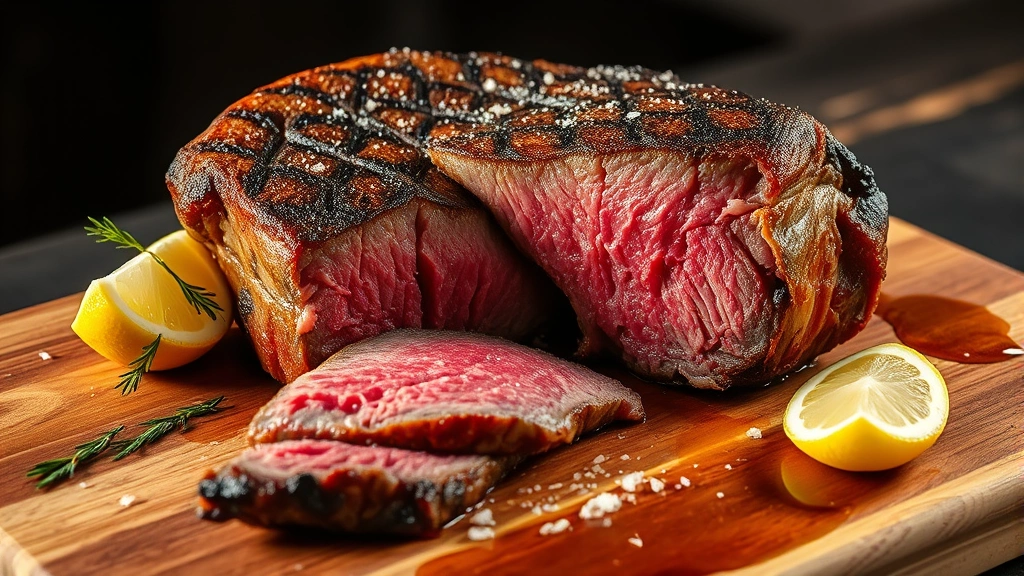
The preparation of bistecca alla fiorentina demands restraint and confidence in equal measure. The steak, typically two to three inches thick and weighing 1.5 to 2 kilograms, receives nothing more than salt, pepper, and heat—usually from a wood-fired grill that imparts subtle smoke and char. When executed properly, the exterior develops a caramelized crust while the interior remains rose-pink, with the meat’s natural juices locked inside. The first bite should yield to your knife with gentle resistance, the muscle fibers tender from proper aging and the fat rendering into liquid richness that coats your palate.
The experience of eating bistecca alla fiorentina involves more than consuming protein. It’s about understanding the relationship between animal husbandry, pasture quality, meat aging, and cooking technique. Top Florentine steakhouses source their Chianina from specific farms where cattle graze on Tuscan hillsides, developing the particular flavor profile that distinguishes this beef from other high-quality sources. The aging process—typically 21 to 30 days—concentrates flavors while enzymatic action tenderizes the meat at the cellular level.
Accompaniments remain deliberately minimal: perhaps grilled vegetables like zucchini or radicchio, a squeeze of fresh lemon, and certainly a glass of Brunello di Montalcino or Vino Nobile di Montepulciano that complements rather than overwhelms the beef’s subtle, mineral-tinged flavor. The wine’s tannins cut through the meat’s richness while its red fruit notes echo the beef’s own complexity.
When searching for date night restaurants near me, Florence’s steakhouses offer an undeniably romantic setting. Candlelit tables, attentive service, and the theater of skilled grilling create an atmosphere perfectly suited for memorable evenings with someone special.
Hidden Gems and Neighborhood Favorites
Beyond the well-known establishments that appear in every guidebook, Florence’s true culinary magic emerges in neighborhood eateries where locals outnumber tourists and the kitchen staff treats each plate with meticulous attention. These hidden gems often occupy nondescript storefronts, their windows displaying simple signage rather than elaborate menus designed to entice passersby.
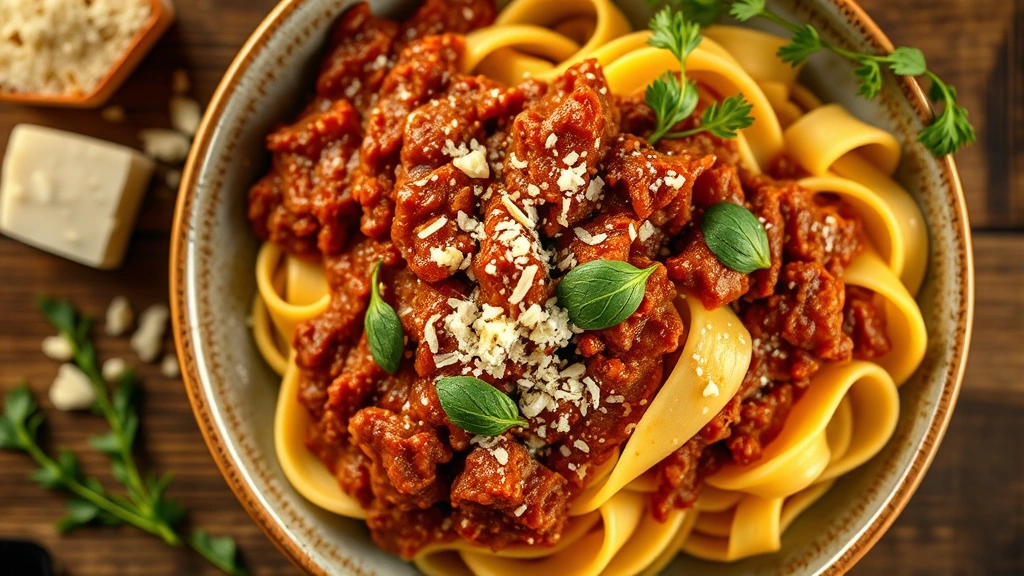
The beauty of neighborhood favorites lies in their consistency and authenticity. These restaurants succeed because they execute their particular specialty exceptionally well, day after day, without compromise. A neighborhood trattoria might be known for a single pasta preparation—perhaps handmade pappardelle with wild boar ragù that simmers for hours, developing layers of savory complexity. The wide ribbon pasta, rough-textured to catch sauce, provides the perfect vehicle for this rich, deeply flavored preparation.
Finding these establishments requires local knowledge or willingness to wander off main thoroughfares. Once discovered, they become treasured resources—places where you develop relationships with staff, where your regular order arrives without asking, and where the quality never wavers. These restaurants prioritize their regular customers, often reserving their best tables and freshest preparations for those who visit repeatedly.
The pasta-focused establishments deserve particular attention. Florentine pasta culture emphasizes egg pasta, particularly for filled shapes like ravioli and tortellini, and for ribbon-style preparations like pappardelle and tagliatelle. The egg provides richness and tender texture that contrasts beautifully with robust sauces. A neighborhood pasta specialist will make their dough fresh daily, rolling it by hand or with traditional equipment that creates the slightly irregular surface necessary for sauce adherence.
Exploring these hidden gems often yields discoveries about regional specialties you won’t find elsewhere. Perhaps a tiny trattoria near the San Frediano neighborhood specializes in tripe preparation—lampredotto, the fourth stomach of cattle, prepared as a sandwich with salsa verde, or as part of a heartier preparation. Tripe requires patient cooking and proper seasoning to transform its inherent toughness into tender, flavorful bites that reveal why this nose-to-tail ingredient remains beloved in Florentine cuisine.
Fine Dining with Tuscan Heart
Florence’s fine dining establishments prove that refinement and tradition need not conflict. The city’s Michelin-starred restaurants and upscale eateries succeed precisely because they respect Florentine culinary foundations while applying sophisticated technique and presentation. These aren’t establishments that chase international trends; they’re restaurants where chefs have studied their regional heritage deeply enough to innovate meaningfully within it.
Fine dining in Florence typically features seasonal menus that reflect market availability and Tuscan agricultural rhythms. Spring might bring delicate preparations featuring young vegetables, tender herbs, and lighter proteins. Summer celebrates tomatoes, zucchini, and stone fruits at their peak. Autumn introduces mushrooms, truffles, and game preparations. Winter highlights preserved ingredients, root vegetables, and slow-cooked braises that warm from within.
The plating in Florence’s best fine dining establishments balances aesthetic presentation with respect for ingredient integrity. You’ll find dishes where each component appears on the plate with intentional spacing, where colors create visual harmony, where every element serves a purpose beyond decoration. Yet these presentations never sacrifice flavor for appearance—the most beautiful plate should also be the most delicious.
If you’re interested in restaurants with live music near me, several of Florence’s upscale establishments feature evening musical performances that enhance the dining atmosphere without overwhelming conversation. Jazz or classical guitar often accompanies fine dining experiences, creating ambiance that complements rather than dominates.
Service in these establishments operates with precision and grace. Servers understand their menu deeply, offering pairing suggestions based on your preferences and dietary considerations. Water glasses remain filled without asking, plates arrive at precisely the right temperature, and timing between courses allows for conversation and digestion without feeling rushed. This level of attentiveness reflects kitchen and front-of-house teamwork developed through years of practice.
Wine Pairing Experiences
Florence’s position within Tuscany means access to some of Italy’s greatest wines. The region produces Brunello di Montalcino, Vino Nobile di Montepulciano, Chianti Classico, and Super Tuscan blends that represent the pinnacle of Italian winemaking. The top restaurants in Florence employ sommeliers with deep knowledge of these wines and how they interact with specific dishes.
A proper wine pairing experience considers the wine’s tannin structure, acidity, alcohol level, and flavor profile in relation to the food’s richness, seasoning, cooking method, and primary flavors. A Brunello’s powerful tannins and concentrated red fruit character pair beautifully with bistecca alla fiorentina’s rich beef and caramelized crust. The wine’s acidity cuts through fat while its flavor complexity mirrors the meat’s own depth.
Lighter Chianti preparations pair elegantly with pasta dishes featuring tomato-based sauces or lighter preparations. The wine’s fresh acidity complements tomato’s natural tartness while its red fruit notes harmonize with herbs and garlic. These wines have enough body to stand alongside the meal without overwhelming delicate flavors.
Many of Florence’s finest establishments offer wine flights that showcase regional producers or specific varietals. These curated selections allow you to experience how different expressions of similar grapes develop distinct characteristics based on terroir, altitude, and vintage variation. A flight might feature three Chianti producers from different sub-regions, revealing how soil composition, elevation, and microclimate influence the final wine.
The sommelier’s role extends beyond recommendation to education. A knowledgeable sommelier explains the wine’s origin, production method, aging requirements, and optimal serving temperature. They discuss how the wine was crafted, what influenced the vintage, and why this particular bottle complements your chosen dish. This educational component transforms wine pairing from simple matching into a learning experience that deepens your appreciation for both wine and food.
Vegetable-Forward Innovation
While Florence’s reputation rests substantially on meat preparations, the city’s best restaurants increasingly celebrate vegetables with the respect and technique traditionally reserved for protein. This shift reflects both sustainability consciousness and recognition that vegetables, properly prepared, offer complexity and satisfaction rivaling any meat dish.
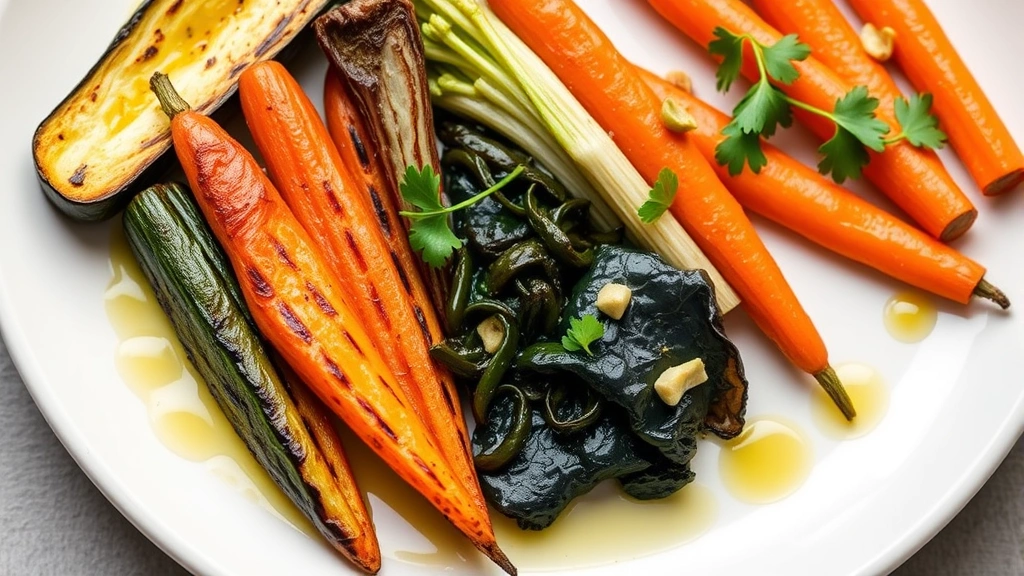
Tuscan vegetable preparations emphasize the ingredient’s natural character rather than masking it under heavy sauces. Grilled vegetables—zucchini, eggplant, radicchio, peppers—receive minimal intervention: perhaps a brushing of olive oil, a sprinkle of salt, and exposure to high heat that creates charred exteriors while maintaining tender interiors. The char contributes bitter, complex notes that balance the vegetable’s natural sweetness.
Root vegetables feature prominently in winter preparations. Roasted celeriac develops sweet, earthy character when slow-cooked until caramelized. Turnips, often overlooked in other cuisines, provide peppery, mineral notes that complement rich preparations. Carrots, when properly sourced from quality producers, contain natural sugars that concentrate through roasting, creating almost dessert-like sweetness balanced by subtle bitterness.
Leafy greens receive particular attention in Florentine cooking. Cavolo nero—Tuscan black kale—becomes silky when braised slowly with garlic and olive oil, the leaves losing their toughness while their mineral, slightly bitter character intensifies. Younger kale leaves can be massaged with oil and salt to create tender salads that maintain the vegetable’s nutritional density while becoming palatable raw.
Mushroom preparations deserve special mention. Porcini mushrooms, available fresh in fall and dried year-round, contribute earthy, umami-rich character to risottos, pasta sauces, and braised preparations. The dried versions concentrate flavor dramatically; a small quantity of rehydrated porcini adds depth to broths and sauces that would otherwise lack complexity.
Seasonal Specialties and Market-Driven Menus
The finest restaurants in Florence maintain menus that shift with seasonal availability rather than remaining static year-round. This approach requires constant communication with farmers and producers, flexibility in kitchen planning, and commitment to showcasing ingredients at their peak rather than forcing availability through imports or preservation.
Spring in Florence brings tender vegetables and young herbs that inspire lighter preparations. Artichokes, available in multiple varieties, range from delicate, thornless specimens ideal for raw preparations to larger varieties suited for braising or frying. Peas and fava beans appear fresh, their natural sweetness requiring only minimal cooking and finishing with quality oil. Fresh herbs—mint, basil, parsley, tarragon—reach peak flavor as plants mature.
Spring also brings fresh cheeses and lighter dairy preparations. Ricotta, made from whey and available in both sweet and savory preparations, provides creamy texture and delicate flavor. These cheeses pair beautifully with spring vegetables and light pasta preparations, offering richness without heaviness.
Summer transforms the market with abundance. Tomatoes reach their peak—whether San Marzano varieties for sauce, cherry tomatoes for salads, or heirloom varieties with complex flavor profiles. Zucchini, eggplant, and peppers demand attention. Stone fruits—peaches, apricots, plums—provide both savory and sweet applications. Fresh basil, at its most pungent, becomes essential to kitchen preparations.
Summer dining often emphasizes cold preparations and lighter cooking methods. Gazpacho-style soups celebrate tomatoes’ fresh character. Salads incorporate grilled vegetables and quality proteins. Pasta preparations often feature uncooked sauces—pesto, fresh tomato coulis, herb-based preparations—that preserve delicate flavors.
Autumn introduces mushrooms, truffles, and game. Wild mushrooms—porcini, chanterelles, ovoli—appear in markets, inspiring risottos, pasta preparations, and braised dishes. Truffles, both black and white varieties, command premium prices and require minimal preparation to shine. Game meats—venison, wild boar, duck—return to menus, suited for rich preparations with wine-based sauces.
Winter cooking emphasizes preserved ingredients, root vegetables, and slow-cooked preparations. Dried pasta with hearty sauces replaces fresh preparations. Braised meats, cooked for hours until tender, develop deep, complex flavors. Preserved vegetables—pickled, jarred, or frozen at peak ripeness—provide brightness and textural contrast to heavier preparations.
Exploring pet-friendly restaurants near me in Florence reveals that several outdoor establishments welcome well-behaved companions, allowing you to dine while enjoying the city’s pleasant weather and your pet’s company.
If you’re searching for best Mexican restaurants near me, you’ll find that while Florence specializes in Italian cuisine, a few establishments offer international options, though the focus remains firmly on regional Italian traditions.
For those with specific dietary requirements, halal restaurants near me options exist in Florence, though you should call ahead to confirm current offerings and certifications.
FAQ
What’s the best time to visit Florence’s top restaurants?
Spring (April-May) and fall (September-October) offer ideal conditions—pleasant weather, seasonal ingredients at their peak, and fewer crowds than summer. Winter provides authentic local dining without tourist congestion, though some seasonal dishes may be unavailable.
Do I need reservations at Florence’s popular restaurants?
Yes, absolutely. Even casual trattorias fill quickly, particularly during tourist season. Fine dining establishments require reservations days or weeks in advance. Call ahead or book online whenever possible to ensure seating.
What’s an appropriate budget for dining in Florence?
Casual trattorias typically cost €15-30 per person for a complete meal with wine. Mid-range restaurants run €30-60 per person. Fine dining establishments range from €60-150+ per person. Lunch often costs 30-40% less than dinner at the same establishment.
Are English menus available?
Larger, tourist-oriented restaurants provide English menus. Smaller, authentic establishments may only offer Italian menus. Learning basic Italian food terminology or using translation apps helps navigate these experiences.
What’s the typical dining schedule in Florence?
Lunch service runs 12:30-2:30 PM, with dinner service beginning around 7:30 PM and continuing until 10-11 PM. Many restaurants close between lunch and dinner service.
Should I tip in Florence’s restaurants?
Service charges are typically included in menu prices. Rounding up or leaving 5-10% for exceptional service is appreciated but not obligatory.
How do I find authentic, local restaurants?
Avoid establishments with picture menus or aggressive street solicitation. Look for restaurants filled with locals, particularly at lunch. Ask hotel staff or locals for recommendations. Wander neighborhood side streets rather than staying on main tourist thoroughfares.


