Chipotle Guacamole Recipe: Chef’s Secret Revealed!
Chipotle’s guacamole has become legendary among fast-casual dining enthusiasts, and for good reason. The creamy texture, perfectly balanced lime brightness, and subtle smoky undertones create a dip that transcends typical restaurant fare. For years, home cooks have attempted to recreate this iconic recipe, often falling short of the original’s sophistication. Today, we’re unveiling the authentic formula that transforms simple avocados into the guacamole experience that keeps customers coming back for more.
The magic behind Chipotle’s guacamole lies not in exotic ingredients, but in precise technique, ingredient quality, and understanding how each component interacts with others. Whether you’re preparing family-friendly restaurant-quality meals at home or simply curious about the culinary secrets behind your favorite dip, this comprehensive guide reveals everything you need to know.
The Essential Ingredients Breakdown
Chipotle’s guacamole recipe contains surprisingly few ingredients, yet each plays a critical role in achieving that distinctive flavor profile. The foundation begins with perfectly ripe Hass avocados—typically three medium-sized fruits for a standard batch. These provide the creamy base that defines quality guacamole.
The aromatic components include one-quarter red onion, finely minced to provide a sharp, pungent bite that cuts through the richness of avocado. Fresh cilantro, approximately one-quarter cup, adds herbaceous brightness and complexity. The acidic element comes from freshly squeezed lime juice—typically half a lime per three avocados—which prevents oxidation while enhancing overall flavor perception.
Salt represents another crucial element, though often underestimated. Kosher salt, applied judiciously throughout the preparation process, amplifies natural flavors and creates a more sophisticated taste profile. Jalapeño peppers, finely diced and seeded, introduce gentle heat that complements rather than overwhelms the palate.
The secret ingredient that distinguishes Chipotle’s version from standard guacamole is a subtle touch of chipotle pepper in adobo sauce. Rather than overwhelming the mixture, a small amount—approximately half a teaspoon, finely minced—creates a smoky undertone that lingers pleasantly on the palate. This smoky quality elevates the entire dish from ordinary to memorable.
Fresh tomatoes, diced and drained of excess moisture, add textural contrast and subtle acidity. The tomato selection matters significantly; vine-ripened or heirloom varieties provide superior flavor compared to pale, mealy supermarket tomatoes. Many home cooks skip this ingredient, but it’s essential for authentic Chipotle replication.

Avocado Selection and Ripeness
The foundation of exceptional guacamole rests entirely on avocado quality. Hass avocados, recognizable by their dark, bumpy skin, offer superior flavor and texture compared to lighter Fuerte or Bacon varieties. The higher fat content in Hass avocados creates that luxurious mouthfeel that defines premium guacamole.
Ripeness assessment requires gentle touch and observation. A properly ripe avocado yields slightly to pressure when held in your palm, without feeling mushy or overly soft. The skin should be dark without black bruising. If purchasing avocados several days before preparation, select slightly firmer specimens and allow them to ripen at room temperature away from direct sunlight.
The internal flesh should range from pale green near the pit to darker green near the skin. Browning or dark spots indicate over-ripeness and oxidation, which compromises flavor and texture. For optimal results, use avocados within one day of reaching peak ripeness. The window between perfect ripeness and deterioration is remarkably narrow.
Temperature significantly impacts avocado ripening speed. Placing avocados in a paper bag with a banana accelerates the process through ethylene gas exposure, reducing ripening time from several days to overnight. This technique proves invaluable when preparing meals on short notice.
The Step-by-Step Preparation Method
Begin by halving your avocados lengthwise around the central pit. Gently twist the halves apart, revealing the creamy interior. Using a large spoon, scoop the flesh directly into a medium mixing bowl, maintaining as much texture as possible. Avoid over-handling at this stage, as excessive manipulation creates an undesirably smooth, paste-like consistency.
Immediately add lime juice to the avocado, stirring gently to distribute the acid throughout. This step prevents enzymatic browning, preserving the vibrant green color that signals freshness. The lime juice also begins the flavor integration process, allowing citrus notes to permeate the creamy base.
Sprinkle kosher salt over the mixture—approximately one-quarter teaspoon per avocado—and fold gently. Salt acts as a flavor amplifier, making other ingredients’ characteristics more pronounced. Add minced red onion next, distributing evenly throughout the mixture. The onion’s sharpness provides essential contrast to the avocado’s richness.
Incorporate finely diced jalapeño, removing seeds and white pith to control heat intensity. The goal is subtle warmth, not aggressive spiciness. Add your minced chipotle pepper in adobo at this point, stirring thoroughly to ensure even distribution. This ingredient represents the secret element that transforms standard guacamole into the Chipotle experience.
Fresh cilantro should be added last, folded in gently to preserve its delicate structure and maximize its herbal brightness. Taste the mixture and adjust seasonings as needed. Some batches require additional lime juice or salt depending on avocado variety and individual ingredient ripeness variations.
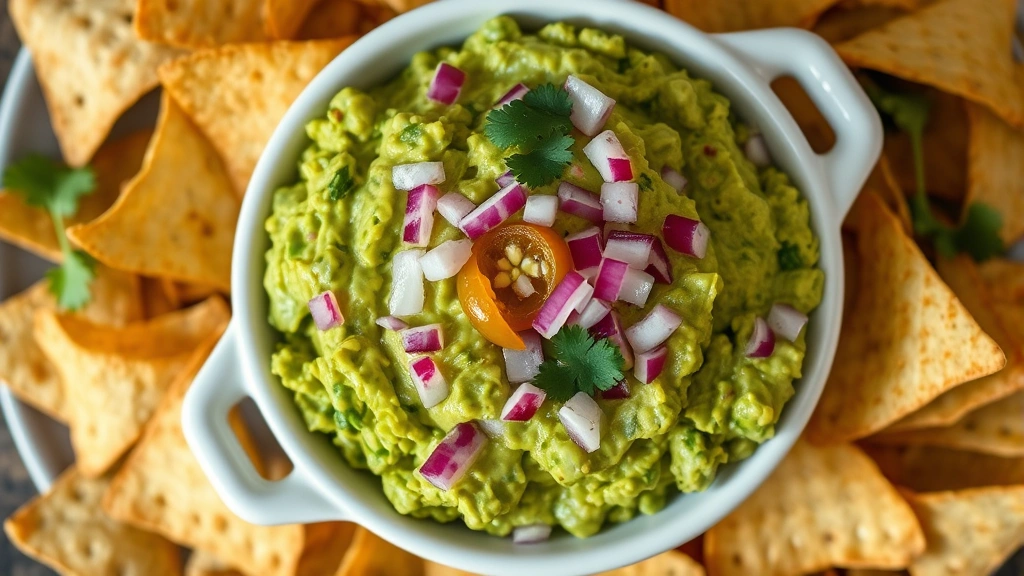
Finally, add drained diced tomatoes, folding gently to incorporate without creating a mushy consistency. The guacamole should maintain some textural distinction, with visible pieces of avocado, tomato, and other ingredients creating visual appeal and varied mouthfeel.
Mastering Flavor Balance
Professional chefs understand that exceptional guacamole achieves harmony between five fundamental taste sensations: richness, acidity, saltiness, heat, and herbaceousness. Chipotle’s formula demonstrates masterful balance among these elements, with no single flavor dominating.
The avocado provides primary richness and fat content, creating the luxurious base. Lime juice contributes acidity, brightening the palate and preventing flavor fatigue from the avocado’s heaviness. Salt amplifies perception of all other flavors while adding its own savory dimension. Jalapeño and chipotle introduce heat and smokiness, stimulating taste receptors and creating complexity. Cilantro and red onion add herbaceous and aromatic qualities that prevent the mixture from becoming one-dimensional.
Achieving this balance requires understanding how flavors interact. Excessive salt masks delicate cilantro notes. Too much lime creates sourness that overwhelms subtler elements. Insufficient heat makes the guacamole taste flat despite other quality ingredients. The key involves restraint and careful tasting throughout preparation, adjusting incrementally rather than making dramatic additions.
Temperature influences flavor perception significantly. Guacamole served at room temperature reveals more complexity than chilled versions. Many outdoor restaurants near me serve guacamole at ambient temperature, allowing full flavor expression. However, if preparing ahead, refrigeration becomes necessary to prevent browning, so allow the mixture to sit briefly at room temperature before serving.
Pro Tips from Culinary Experts
Restaurant chefs employ several professional techniques to achieve consistency and quality. First, maintaining proper ingredient temperature matters more than most home cooks realize. Cold ingredients create a guacamole that tastes muted and lacks vibrancy. Allowing ingredients to reach room temperature before combining, particularly the avocados, maximizes flavor expression.
Professional food preparation emphasizes mise en place—having all ingredients prepared and measured before beginning final assembly. Chipotle’s operations rely on this principle, ensuring consistency across locations. For home cooks, this means mincing all vegetables, measuring spices, and preparing avocados immediately before final combination.
According to the Culinary Institute of America, understanding ingredient seasonality impacts flavor significantly. Avocados harvested during peak season contain higher fat content and superior flavor compared to off-season specimens. Similarly, cilantro and jalapeños taste more vibrant during their natural growing seasons.
Many vegan restaurant chefs emphasize the importance of proper knife technique when preparing vegetables. Mincing rather than chopping creates more surface area, releasing aromatic compounds and allowing flavors to integrate more thoroughly. A sharp knife also prevents bruising vegetables, which causes oxidation and flavor degradation.
Timing represents another crucial professional consideration. Guacamole prepared too far in advance develops brown oxidation marks and loses fresh brightness. The ideal preparation window is within thirty minutes before serving. If advance preparation becomes necessary, press plastic wrap directly onto the guacamole surface, minimizing air exposure that causes browning.
Consider consulting resources from the International Association of Culinary Professionals for additional techniques on preserving fresh ingredients and maximizing flavor retention. Professional chefs understand that guacamole represents a living food that continues changing after preparation.
Storage and Serving Suggestions
Proper storage extends guacamole’s shelf life while maintaining quality. The primary enemy is oxidation, which creates unappetizing brown discoloration. The most effective prevention method involves pressing plastic wrap directly onto the guacamole surface, eliminating air exposure. Stored this way in the refrigerator, guacamole remains fresh for two to three days.
Some chefs add an avocado pit to stored guacamole, believing the pit slows oxidation. While this provides marginal benefit, the plastic wrap method proves more effective. Additionally, maintaining acidic pH through adequate lime juice provides additional protection against browning.
For serving, present guacamole at room temperature when possible, allowing full flavor expression. Pair with warm tortilla chips for optimal textural contrast—the crispy, salty chips complement the creamy guacamole beautifully. Many restaurants with private rooms serve guacamole as a complimentary appetizer, recognizing its role in creating positive first impressions.
Beyond chip pairing, guacamole enhances numerous dishes. Spread it on sandwiches and wraps, top tacos or grain bowls, or serve alongside grilled proteins. The versatility explains guacamole’s prominence across diverse culinary traditions and farm table restaurants near me that emphasize fresh, whole ingredients.
When hosting gatherings, prepare guacamole immediately before serving or employ the plastic wrap method if advance preparation becomes necessary. Your guests will appreciate the superior freshness and vibrant color compared to guacamole prepared hours earlier. The difference in flavor perception is striking and worth the minimal additional effort.
For those with dog-friendly restaurants near me preferences, remember that while guacamole is safe for human consumption, it should never be served to dogs due to persin content in avocados, which can cause toxicity in canines.
Frequently Asked Questions
Can I make Chipotle guacamole without chipotle peppers?
While possible, omitting chipotle peppers eliminates the signature smoky element that distinguishes Chipotle’s version. The resulting guacamole would taste pleasant but lack the distinctive character that makes the original memorable. If chipotle peppers prove unavailable, consider smoked paprika as a partial substitute, though the flavor profile differs somewhat.
How far in advance can I prepare this guacamole?
Ideally, prepare guacamole within thirty minutes of serving. If necessary, prepare up to two hours ahead using the plastic wrap method pressed directly onto the surface. Refrigerated and properly stored, guacamole remains acceptable for up to three days, though flavor and texture gradually deteriorate.
What’s the best way to prevent browning?
Immediate lime juice application provides the most effective prevention method, as citric acid inhibits enzymatic browning. Additionally, plastic wrap pressed directly onto the guacamole surface eliminates air exposure. Some cooks add an avocado pit, though scientific evidence for this method remains limited.
Can I substitute ingredients in this recipe?
The core ingredients—avocado, lime, salt, cilantro, and chipotle—are essential for authentic Chipotle replication. Red onion can be replaced with white onion, though the flavor becomes slightly sharper. Jalapeño is optional if heat sensitivity is a concern. Tomato can be omitted, though it adds valuable textural contrast.
Why does restaurant guacamole taste better than homemade versions?
Restaurant guacamole benefits from ingredient freshness, precise technique, and immediate serving. Additionally, restaurants prepare guacamole in larger batches, allowing flavors to integrate more thoroughly. Temperature control and consistent ingredient quality also contribute to superior taste compared to typical home preparation.
Is this recipe suitable for large batch preparation?
Yes, the recipe scales effectively for larger quantities. However, maintaining freshness becomes more challenging with larger batches. Prepare in smaller portions if possible, or use the plastic wrap storage method to minimize oxidation. Professional food preparation emphasizes working in manageable quantities to maintain quality.
What’s the optimal serving temperature?
Room temperature allows maximum flavor expression and complexity perception. If refrigerated, remove guacamole approximately ten minutes before serving to allow temperature to rise slightly. Cold guacamole tastes muted and less vibrant compared to room-temperature versions.
Can I add other ingredients for variation?
While the classic Chipotle formula should be preserved for authenticity, personal preferences might inspire additions like pomegranate seeds, corn, or crispy bacon. These additions transform the dish into a unique creation rather than authentic Chipotle replication. Experimentation is encouraged once you’ve mastered the original formula.