Asian Delight Review: A Culinary Adventure Awaits
Stepping through the doors of Asian Delight feels like crossing a threshold into a world where centuries of culinary tradition meet contemporary innovation. The restaurant’s warm ambiance, accented by soft amber lighting and minimalist wooden furnishings, immediately signals that you’re about to embark on a gastronomic journey far more sophisticated than typical takeout fare. From the moment the first course arrives at your table, it becomes clear that the kitchen takes its craft seriously—every element, from ingredient selection to plating technique, reflects a deep respect for authentic Asian cuisine while embracing creative reinterpretation.
What distinguishes Asian Delight from countless other pan-Asian establishments is its unwavering commitment to flavor complexity and textural harmony. Rather than defaulting to overly sweet or aggressively spiced dishes designed for mass appeal, the culinary team demonstrates nuanced understanding of how different flavor compounds interact on the palate. Whether you’re sampling delicate seafood preparations or robust meat-based curries, each dish tells a story—one informed by regional cooking methods, ingredient availability, and generational knowledge passed down through kitchen lineages.
First Impressions and Ambiance
The dining environment at Asian Delight establishes expectations that the kitchen fully delivers upon. The space itself avoids the clichéd red lanterns and dragon motifs that plague lesser establishments, instead opting for a refined aesthetic that respects Asian design principles without descending into caricature. Natural wood elements, carefully curated artwork featuring contemporary Asian artists, and thoughtfully positioned plants create zones of intimacy within the larger dining room. Service staff move with practiced efficiency, their knowledge of the menu extending beyond mere recitation—they understand ingredient origins, cooking techniques, and can offer genuine recommendations based on your palate preferences.
The open kitchen design proves particularly valuable, allowing diners to observe the controlled chaos of professional cooking in action. Watching skilled wok handlers execute high-heat stir-fry techniques or observing the precision required for hand-pulled noodles provides theater that enhances the overall dining narrative. This transparency also builds confidence in ingredient quality and preparation standards—there’s nowhere to hide when your cooking happens in plain view.
Appetizer Excellence
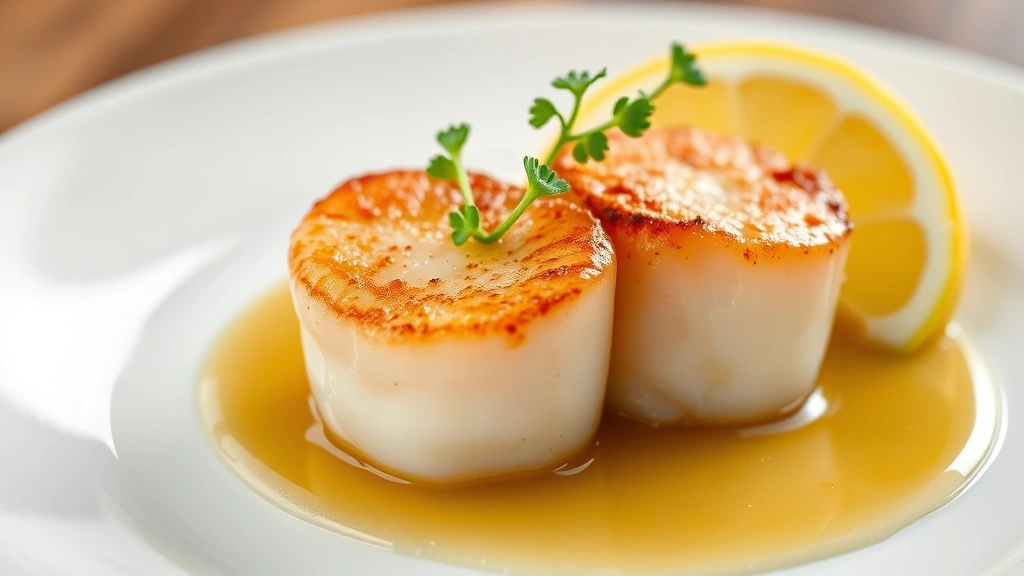
Asian Delight’s appetizer selection demonstrates the kitchen’s foundational strengths. The scallop and corn soup arrives in a delicate porcelain vessel, its surface shimmering with sesame oil and crowned with crispy shallots. The first spoonful reveals a broth of remarkable clarity—evidence of meticulous stock preparation—with sweetness from the corn balanced against umami-rich scallop essence. Textural contrast comes from the tender scallop pieces and occasional bursts of corn kernel sweetness, creating a composition that feels both elegant and deeply satisfying.
The crispy spring rolls transcend the mundane through several thoughtful choices. The wrapper achieves that elusive quality of shattering under tooth while maintaining structural integrity during the eating experience. The filling—a mixture of vegetables, minced pork, and glass noodles—demonstrates proper moisture management; too much liquid would create soggy interiors, yet the filling maintains enough cohesion to suggest quality technique. Served with a house-made dipping sauce balancing sweetness, acidity, and subtle heat, these rolls exemplify how seemingly simple preparations reveal sophistication upon closer examination.
The shrimp toast appetizer showcases another dimension of kitchen capability. Shrimp paste, delicately bound with egg white and breadcrumbs, blankets cubed bread in a layer that fries to golden perfection. The interior shrimp paste maintains a tender quality while developing subtle sweetness from the high-heat cooking process. Accompanied by cucumber ribbons and a cilantro-based sauce, this dish demonstrates how textural play—the contrast between crispy exterior, tender shrimp paste, and cool cucumber—can elevate a classic preparation into something memorable.
Main Course Mastery
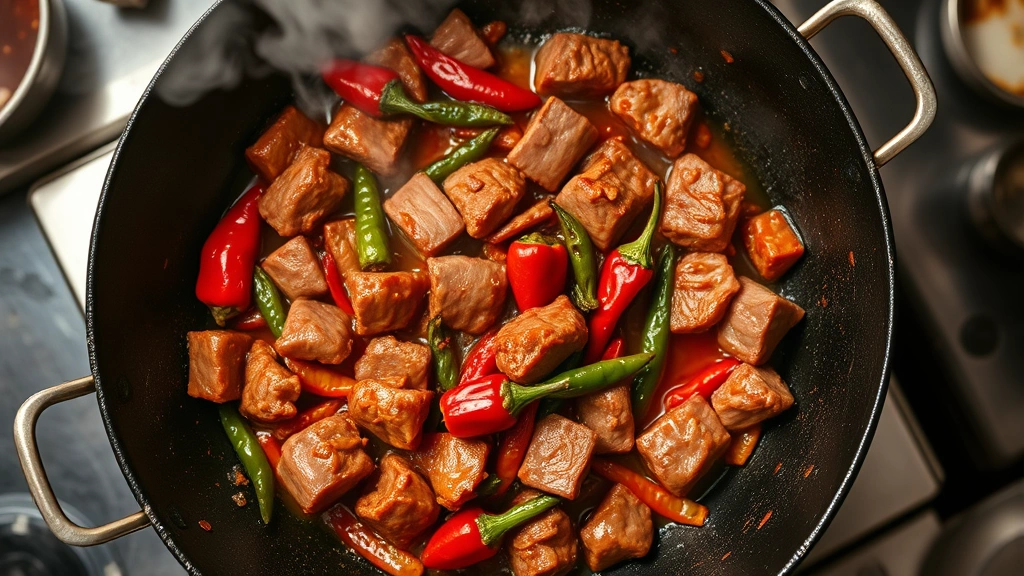
The Sichuan beef with dried chilies represents the kitchen’s ability to handle bold, assertive flavoring profiles with restraint and precision. Rather than pursuing numbing heat for its own sake, the chefs balance the tingling sensation of Sichuan peppercorns against the deep, complex heat of dried chilies and the sweet undertones of aromatics. Tender beef pieces, likely flash-fried before final assembly, maintain a silky texture that contrasts beautifully with the crispy exterior. The presence of whole dried chilies, while intimidating to less experienced diners, signals authenticity—these aren’t merely decorative but integral to the flavor development.
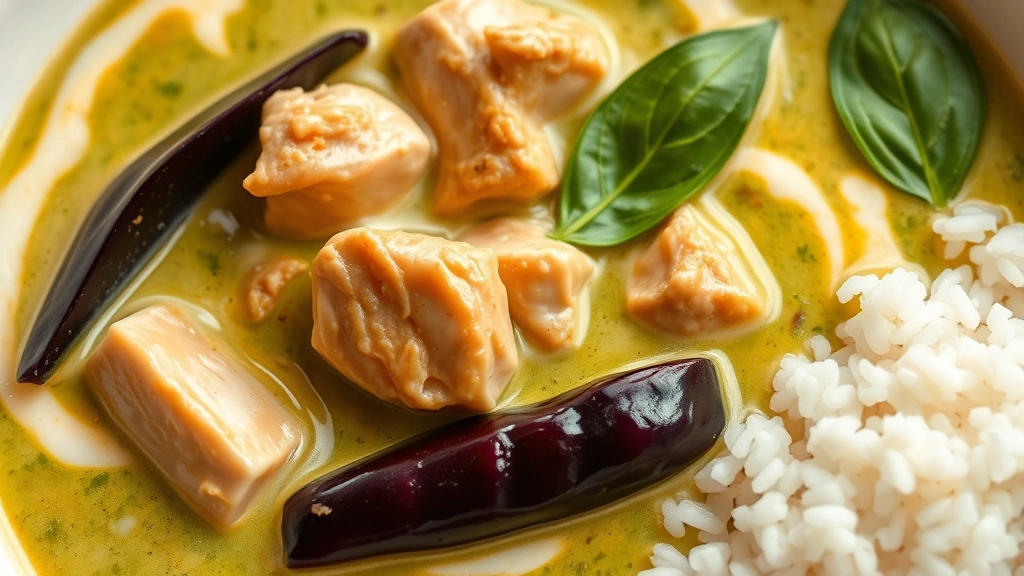
The Thai green curry demonstrates mastery of coconut-based sauces that many restaurants struggle to execute properly. The curry paste, clearly prepared in-house, carries distinct notes of green chilies, galangal, and Thai basil without the flattened quality that comes from oxidized store-bought pastes. The coconut cream achieves perfect balance—rich enough to coat the palate but not so heavy as to become cloying. Tender chicken pieces absorb the sauce while maintaining structural integrity, and the inclusion of proper Thai ingredients like Thai eggplant and holy basil elevates this beyond standard interpretations. This preparation pairs beautifully with jasmine rice that’s been cooked with subtle fragrance, each grain maintaining distinct separation rather than clumping into a starchy mass.
The hand-pulled noodle dish showcases technical skill that requires years of practice to develop. Each noodle strand demonstrates consistent thickness and texture, evidence of proper dough hydration and lamination technique. The noodles maintain slight chewiness—that ideal textural quality that Chinese culinary tradition terms “al dente” before the Italians claimed the phrase. Tossed with a sauce combining fermented bean paste, sesame oil, and aromatics, the noodles carry enough flavor to stand alone while remaining versatile enough to pair with accompanying proteins. The kitchen’s commitment to this traditional preparation, in an era of convenience, deserves particular recognition.
Sauce Profiles and Flavor Dynamics
Understanding sauce construction proves essential to appreciating Asian Delight’s culinary philosophy. Unlike Western preparations that often rely on cream-based reductions, Asian sauces typically balance multiple flavor dimensions simultaneously. The kitchen demonstrates sophisticated understanding of these dynamics through consistent execution across diverse preparations.
The concept of balancing sauce recipes with complementary components extends naturally from Italian techniques into Asian cooking. Sweet, salty, sour, and spicy elements require careful calibration to achieve harmony rather than chaos. A sauce that tilts too heavily toward any single dimension becomes one-dimensional and fatiguing to the palate. Asian Delight’s sauces demonstrate awareness of this principle—sweetness from sugar or fruit appears balanced against salty elements from soy sauce or fish sauce, while acidity from vinegar or citrus provides brightness and prevents richness from overwhelming the palate.
The chili oil served alongside numerous dishes illustrates this balance perfectly. Rather than pure heat, it carries fruity undertones from the chilies, aromatic notes from Sichuan peppercorns and star anise, and umami depth from infused aromatics. Diners can modulate their own flavor experience by controlling how much oil they incorporate, a democratic approach that respects individual heat tolerance while showcasing the sauce’s complexity.
Beverage Pairings and Complementary Selections
The beverage program at Asian Delight extends thoughtful consideration to the complete dining experience. Rather than defaulting to standard wine pairings, the restaurant embraces beverages that complement Asian flavor profiles more naturally. The tea selection includes options ranging from delicate white teas to robust pu-erh varieties, each offering distinct flavor compounds that interact meaningfully with the food.
A light jasmine green tea provides gentle floral notes that harmonize beautifully with seafood-forward dishes, its slight astringency cleansing the palate between courses. The oolong selections offer greater complexity—some carrying fruity characteristics that echo stone fruit elements in certain dishes, while others demonstrate mineral qualities that complement heavier preparations. For diners seeking non-tea options, the restaurant’s house-made lychee lemonade balances sweetness against bright acidity, providing refreshment without overwhelming delicate flavors.
The modest wine list shows careful curation rather than attempting to cover every possibility. Selections emphasize aromatic whites and lighter reds that won’t compete with the cuisine’s inherent complexity. A Riesling from the Alsace region, with its slight sweetness and crisp acidity, pairs exceptionally well with spicy dishes by providing counterbalance to heat and richness. This thoughtful approach suggests a restaurant that understands beverage service as integral to the dining narrative rather than an afterthought.
Dessert and Sweet Finale
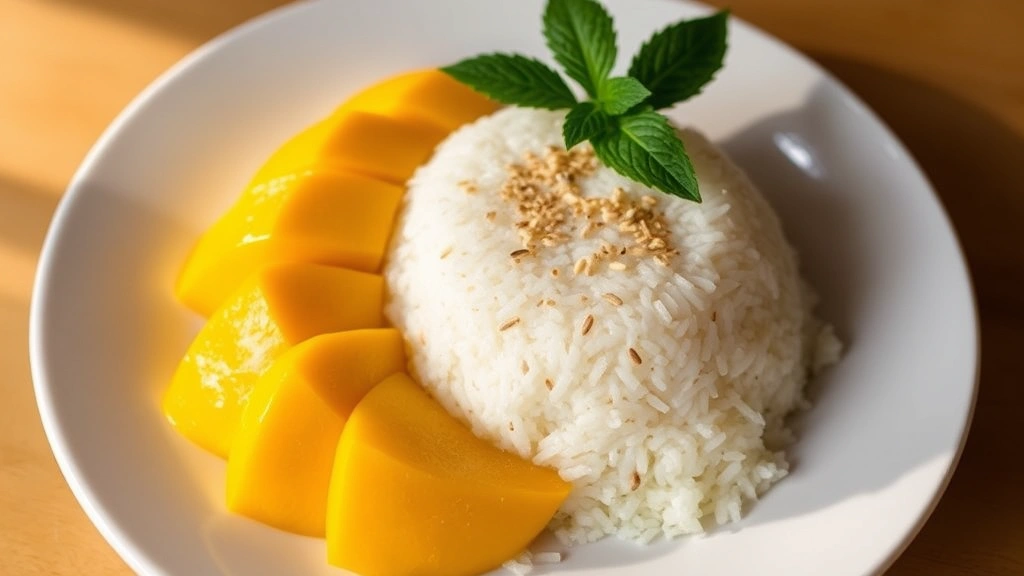
Asian Delight’s dessert selections demonstrate that the kitchen’s excellence extends beyond savory preparations. The mango sticky rice arrives as a harmonious composition of perfectly ripe mango slices, sticky rice infused with coconut cream and a subtle salt counterpoint, and a delicate drizzle of palm sugar reduction. The textural contrast between the creamy rice and fresh fruit provides satisfaction without heaviness, a quality that many Western desserts fail to achieve. The slight saltiness in the rice becomes crucial—it prevents the dish from becoming cloying and highlights the mango’s natural sweetness.
The sesame seed balls, if you’re seeking something more substantial, offer crispy exterior contrasting with warm, sweet red bean filling. The sesame seeds provide nutty flavor depth and textural interest, while the red bean filling carries subtle earthiness that prevents pure sweetness from dominating. These preparations align with dessert philosophies that balance multiple flavor and textural dimensions, demonstrating that excellence in pastry requires the same attention to detail as savory cooking.
Service and Hospitality Standards
The restaurant’s service philosophy prioritizes genuine hospitality over rigid formality. Staff members demonstrate extensive product knowledge—they understand which dishes contain specific allergens, can describe cooking techniques in meaningful detail, and offer recommendations that reflect actual understanding of individual palate preferences rather than pushing highest-margin items. Timing throughout the meal flows naturally, with courses arriving at appropriate intervals that allow proper digestion and palate reset between distinct flavor experiences.
Attention to detail manifests in numerous subtle ways. Water glasses remain appropriately filled without hovering obtrusively. Plates arrive at the table with minimal ceremony but maximum care. Staff members acknowledge dietary restrictions not as inconveniences but as opportunities to demonstrate their capabilities. When an issue arose during our visit—a dish prepared slightly differently than ordered—management responded with genuine concern for guest satisfaction rather than defensive posturing.
Value Assessment and Overall Rating
Evaluating restaurant value requires balancing ingredient quality, technical execution, creativity, and service against pricing. Asian Delight’s entree prices fall slightly above casual dining but considerably below fine dining establishments, positioning it as upper-casual or lower-upscale depending on perspective. Given the quality of ingredients evident in each dish, the technical proficiency demonstrated throughout, and the evident commitment to authentic preparation methods rather than shortcuts, the pricing appears entirely justified.
The restaurant proves particularly valuable for diners seeking to explore authentic Asian cuisines without sacrificing quality or encountering heavy-handed Americanization. Many establishments claiming Asian authenticity resort to excessive sweetness, oversalting, or reliance on MSG to create the illusion of depth. Asian Delight avoids these crutches, instead building flavor complexity through proper technique, quality ingredients, and respect for traditional preparations. This approach requires more skill, more time, and more expensive ingredients—all reflected appropriately in pricing.
For those seeking to replicate certain techniques at home, exploring homemade preparation methods offers valuable learning opportunities, though the hand-pulled noodles and wok techniques evident at Asian Delight require practice that extends beyond casual home cooking. The restaurant’s commitment to these traditional techniques deserves support from diners who value craftsmanship.
Overall, Asian Delight merits strong recommendation for anyone seeking authentic Asian cuisine prepared with technical proficiency and genuine respect for culinary traditions. The dining experience satisfies on multiple levels—sensory pleasure from exceptional flavors and textures, intellectual engagement with the techniques and traditions represented, and emotional satisfaction from hospitality that feels genuine rather than performative. Return visits will likely reveal additional dimensions of the menu worth exploring, suggesting a restaurant that rewards continued patronage through consistent quality and thoughtful menu development.
FAQ
What cuisines does Asian Delight specialize in?
Asian Delight presents a pan-Asian approach, drawing from Chinese, Thai, Vietnamese, and other regional traditions. Rather than diluting focus across too many cuisines, the kitchen demonstrates particular strength in Sichuan preparations, Thai curries, and Chinese noodle dishes, with additional offerings exploring other Asian culinary regions.
Does the restaurant accommodate dietary restrictions?
Yes, the staff demonstrates genuine knowledge of ingredients and preparation methods, making them well-equipped to work with various dietary restrictions including vegetarian, vegan, and allergy accommodations. Vegetarian options extend beyond simple omissions of meat, instead offering thoughtfully prepared vegetable-forward dishes that stand on their own merit rather than feeling like afterthoughts.
Is the restaurant suitable for large groups?
The dining space accommodates groups well, with service staff experienced in managing larger parties. The menu’s diversity ensures multiple palate preferences can be satisfied within a single visit. Advance reservations are recommended for groups exceeding six people.
What should first-time diners order?
Start with appetizers showcasing different cooking techniques—perhaps the scallop corn soup and crispy spring rolls—to understand the kitchen’s foundational strengths. For main courses, the Sichuan beef and Thai green curry offer contrasting flavor profiles that reveal the kitchen’s range. The mango sticky rice provides an ideal dessert conclusion.
Does Asian Delight offer takeout service?
While takeout is available, the dining experience benefits significantly from the restaurant’s ambiance and service elements. For dishes featuring delicate textures or complex sauces, the in-restaurant experience allows fuller appreciation of the kitchen’s work.
How does pricing compare to other Asian restaurants?
Asian Delight positions itself above typical casual Asian dining in both price and quality. Entrees generally range from $14-$22, reflecting ingredient quality and technical execution. For diners seeking authentic preparation over convenience-food approximations, the pricing represents genuine value.
Are reservations necessary?
Reservations are recommended, particularly during evening hours and weekends. The restaurant accommodates walk-ins based on availability, but advance booking ensures optimal seating and allows the kitchen to prepare appropriately for expected covers.