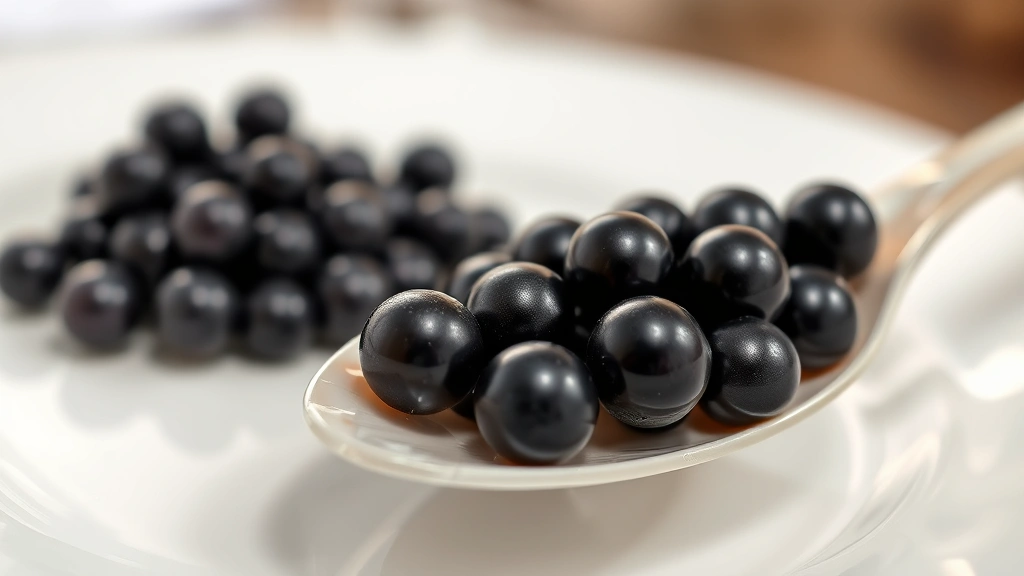
Is Restaurant Kaspia’s Caviar Worth It? Food Blogger’s View
Walking into Restaurant Kaspia feels like stepping into a world where luxury meets culinary artistry. The moment the door closes behind you, the ambient lighting and sophisticated décor signal that this isn’t just another dining experience—it’s a statement. But when you’re contemplating whether to invest in their legendary caviar offerings, the question becomes far more nuanced than simply checking a price tag. After multiple visits and tastings across their menu, I’ve developed a comprehensive perspective on whether Kaspia’s caviar selections justify their premium positioning.
Caviar remains one of the most polarizing luxury foods in gastronomy. Some dismiss it as an overpriced status symbol, while connoisseurs argue that true caviar experiences transcend mere indulgence. Restaurant Kaspia, with its storied reputation spanning decades, sits at the intersection of these perspectives. Their caviar program isn’t merely about serving eggs from sturgeon; it’s about presenting a curated journey through flavor profiles, textures, and the artistry of sourcing. This exploration requires understanding what makes their offerings distinct, examining the sensory experience they deliver, and honestly assessing whether the investment aligns with your palate expectations.
The Caviar Selection at Restaurant Kaspia
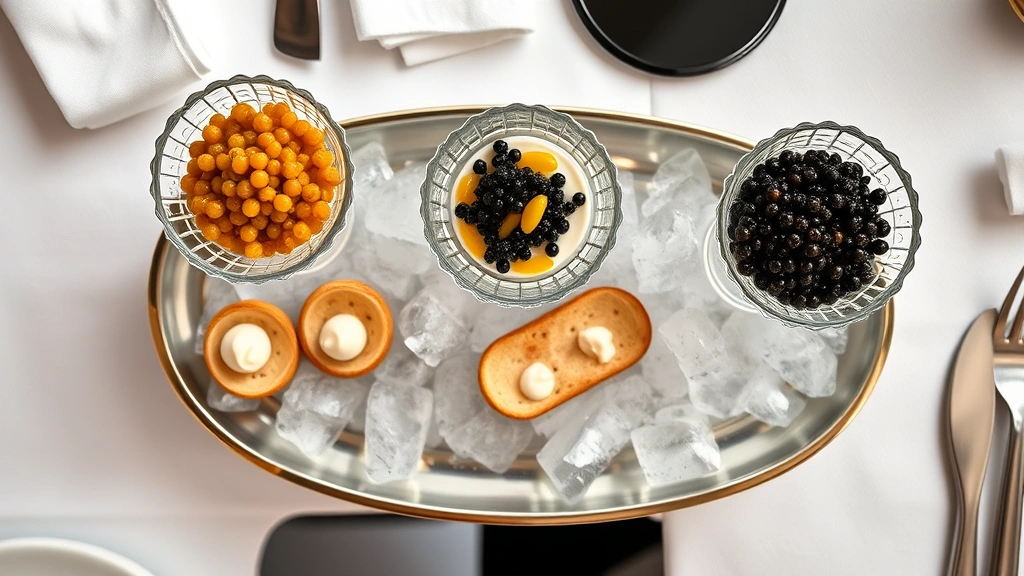
Restaurant Kaspia presents one of the most extensive caviar collections I’ve encountered in fine dining. Their selection spans multiple varieties, each representing different regions, ages, and processing methods. The restaurant doesn’t simply stock caviar; they curate it with the precision of a museum conservator. Upon arrival, guests receive an elegantly presented menu dedicated entirely to their caviar offerings, which speaks volumes about the restaurant’s commitment to this ingredient.
The collection typically includes Beluga, Osetra, and Sevruga varieties, but what distinguishes Kaspia is their access to rare and limited-production caviars that most establishments cannot procure. I’ve encountered single-harvest selections that only become available during specific seasons, each with documentation tracing their origin to particular sturgeon populations. The presentation of this information elevates the experience beyond mere consumption—it becomes educational and aspirational simultaneously.
When examining their caviar program, consider that these aren’t commodity products. Each tin arrives with provenance information, harvest dates, and tasting notes prepared by their culinary team. This level of transparency is uncommon and reflects a restaurant that respects its clientele’s intelligence and curiosity. Whether you’re exploring city walk restaurants or specifically seeking luxury dining destinations, understanding a restaurant’s sourcing philosophy provides crucial context for evaluating worth.
Tasting Experience and Flavor Profiles
The true assessment of caviar’s value lies in the sensory experience it delivers. Kaspia’s caviar tasting begins the moment you observe the eggs—their lustrous appearance, the precision of their arrangement, and the careful temperature control evident in their presentation. But observation is merely the prelude.
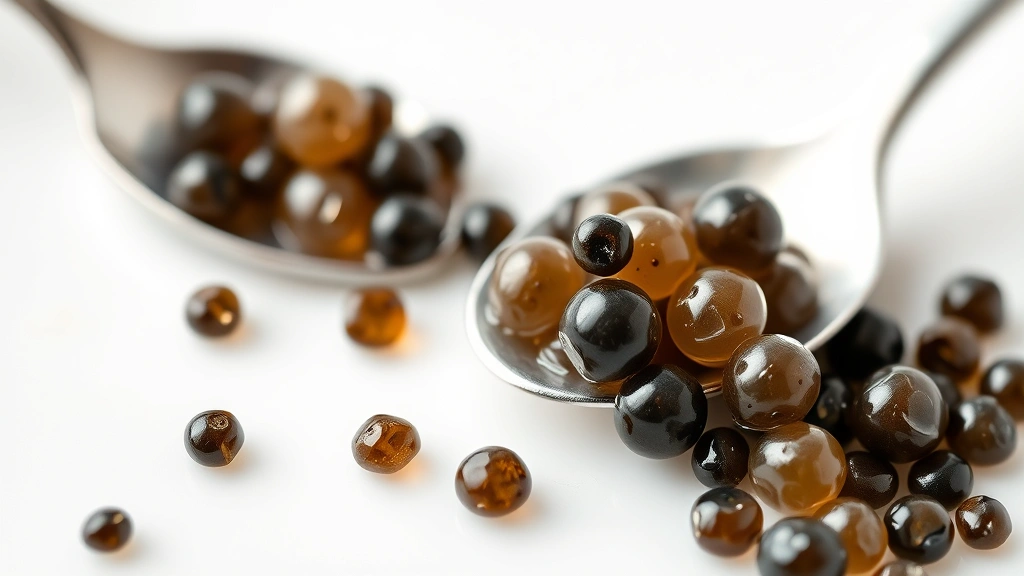
Beluga caviar from Kaspia showcases a buttery, delicate character with subtle brininess that unfolds across your palate. The eggs possess a remarkable tenderness; they burst with minimal pressure, releasing a oceanic essence that feels simultaneously mineral and creamy. The flavor doesn’t assault—it whispers, evolving across thirty seconds of tasting. This restraint and complexity justify the premium positioning. I’ve experienced Beluga elsewhere that tasted predominantly salty and one-dimensional; Kaspia’s selections demonstrate the difference that meticulous sourcing and proper handling create.
Osetra caviar presents a contrasting profile—nuttier, slightly firmer, with a golden hue that’s visually distinctive. The taste carries notes reminiscent of toasted seeds and seaweed, with a lingering umami undertone. When properly sourced and stored, Osetra from Kaspia reveals layers that cheaper alternatives completely miss. The eggs maintain structural integrity while still offering that characteristic pop, creating a textural experience that engages multiple sensory systems simultaneously.
Sevruga, often considered the entry point to premium caviar, demonstrates why Kaspia’s selections warrant consideration. Their Sevruga exhibits pronounced briny notes with peppery undertones and a firmer texture. It’s the most assertive of their offerings, yet never becomes harsh or overly salty—hallmarks of inferior sourcing and processing.
The restaurant serves caviar with minimal accompaniments: blini, crème fraîche, and occasionally mother-of-pearl spoons (never metal, which can impart unwanted flavors). This restraint allows the caviar to remain the protagonist. I’ve visited outdoor seating restaurants near me where caviar arrived buried under unnecessary garnishes; Kaspia’s approach respects the ingredient’s integrity.
According to research from the Culinary Institute of America, proper caviar tasting requires specific palatal conditions: room-temperature mouth, minimal prior flavors, and deliberate tasting technique. Kaspia’s staff demonstrates expertise in guiding guests through this protocol, enhancing the experience significantly.
Sourcing and Quality Standards
Understanding Kaspia’s sourcing philosophy is essential for evaluating their caviar’s worth. The restaurant maintains direct relationships with select producers, many of whom operate under strict sustainability and quality protocols. This isn’t casual procurement—it’s a partnership approach that influences everything from pricing to availability.
Kaspia sources primarily from regions renowned for caviar production, including the Caspian Sea basin and select aquaculture facilities that have achieved exceptional reputations. The restaurant conducts regular quality audits, tasting sessions with producers, and maintains documentation standards that exceed industry norms. This rigor translates to consistency—when you order Beluga from Kaspia, you’re not gambling on quality; you’re purchasing a known quantity.
The restaurant’s commitment extends to sustainability considerations. Premium caviar production faces legitimate environmental concerns, particularly regarding wild sturgeon populations. Kaspia’s partnerships increasingly emphasize aquaculture operations that maintain rigorous environmental standards. This ethical dimension adds another layer to the value proposition—you’re not simply consuming luxury; you’re supporting responsible production practices.
Temperature control throughout the supply chain represents another critical factor. Caviar’s delicate nature requires precise handling from harvest through service. Kaspia maintains specialized storage facilities and employs trained staff dedicated to maintaining optimal conditions. This attention to detail might seem invisible, but it profoundly affects the final product’s quality.
Pricing Breakdown and Value Analysis
Let’s address the financial reality directly. Kaspia’s caviar pricing ranges significantly based on variety and sourcing. Sevruga selections typically start around a certain baseline, while premium Beluga can reach extraordinary figures per serving. The question isn’t whether these prices are high—they demonstrably are—but whether the value aligns with the expenditure.
Cost considerations include several components: the raw material (caviar itself, which reflects production complexity and scarcity), storage and handling infrastructure, staff expertise, restaurant overhead, and profit margin. When broken down analytically, caviar’s cost structure differs fundamentally from other luxury ingredients. Truffles, for instance, command high prices primarily due to scarcity and difficulty locating wild specimens. Caviar’s premium reflects these factors plus the intricate processing required to achieve the final product.
The value proposition becomes clearer when comparing Kaspia’s offerings to purchasing caviar independently. Retail caviar of comparable quality costs substantially more per gram than Kaspia’s per-serving pricing. Additionally, purchasing caviar requires proper storage equipment, knowledge of handling procedures, and the ability to consume it within specific timeframes. Kaspia essentially offers caviar experiences without these logistical burdens.
For those seeking family friendly restaurants, caviar experiences might seem excessive. However, for special occasions or milestone celebrations, Kaspia’s caviar offerings provide memorable experiences that justify premium pricing. The cost per person for a caviar tasting experience at Kaspia, while substantial, often costs less than alternative luxury experiences like fine art purchases or high-end jewelry.
Dining Ambiance and Service Excellence
Caviar’s worth extends beyond the product itself—the context profoundly influences the experience. Restaurant Kaspia’s dining environment has been meticulously designed to complement their culinary offerings. The lighting creates an intimate atmosphere without appearing dark or oppressive. The spacing between tables ensures private conversations while maintaining the energy of a bustling establishment. The overall aesthetic communicates sophistication without pretension—a delicate balance many restaurants fail to achieve.
The service staff at Kaspia demonstrates exceptional training in caviar knowledge and service protocols. Servers can discuss the specific characteristics of each caviar variety, explain the sourcing story, and guide guests through tasting sequences that maximize appreciation. This educational component transforms a simple meal into a learning experience. I’ve encountered restaurants where caviar service felt transactional; Kaspia approaches it as theater, with staff as informed guides rather than mere order-takers.
The restaurant’s attention to detail extends to seemingly minor elements: the temperature of serving vessels, the presentation sequence, the timing of courses, and the responsiveness to individual preferences. These accumulated touches create an experience greater than the sum of its parts. When evaluating whether caviar is worth the investment, this holistic experience becomes relevant.
Complementary Offerings Worth Exploring
Kaspia’s value extends beyond their caviar selections. The restaurant offers an exceptional wine program curated specifically to complement caviar and their broader menu. Their sommeliers possess genuine expertise and can recommend pairings that enhance both the wine and caviar experiences simultaneously.
Champagne represents the traditional pairing, and Kaspia’s selection includes prestigious cuvées from renowned producers. However, the wine program extends beyond Champagne to include white Burgundies, specific white Bordeaux selections, and even some unconventional pairings that challenge traditional assumptions. I’ve experienced caviar paired with aged white Burgundy that created a synergy neither component could achieve independently.
The restaurant also offers non-caviar dishes that deserve consideration. Their seafood preparations, utilizing similar sourcing rigor applied to caviar, represent exceptional value propositions. Lobster, langoustine, and various fish preparations showcase culinary technique and ingredient quality. For those uncertain about committing fully to caviar experiences, these alternatives provide entry points to Kaspia’s culinary philosophy.
Additionally, Kaspia occasionally features special menu items and limited-availability dishes that reflect seasonal ingredients and chef creativity. These offerings often represent better value than caviar while still delivering memorable experiences. Understanding the full menu breadth helps contextualize whether caviar represents optimal value for your specific visit.
Comparisons with Other Luxury Establishments
Evaluating Kaspia’s worth requires context from comparable establishments. I’ve visited other luxury restaurants with caviar programs, including venues specializing in French fine dining, contemporary molecular gastronomy, and seafood-focused establishments. This comparative experience informs my assessment.
Some restaurants present caviar as a novelty or status symbol, charging premium prices without corresponding quality or educational components. Others offer caviar but lack the infrastructure for proper storage and service. Kaspia distinguishes itself through consistent quality, knowledgeable service, and an apparent passion for caviar as an ingredient worthy of serious consideration.
When compared to purchasing caviar from specialized caviar retailers, Kaspia’s pricing remains competitive for equivalent quality. When factoring in the service, ambiance, and expertise provided, the restaurant’s pricing becomes arguably advantageous. You’re not simply purchasing caviar; you’re purchasing a curated experience managed by professionals.
The restaurant also compares favorably to restaurants on the water that might emphasize location over culinary excellence. Kaspia’s value derives from product quality and service expertise rather than scenic positioning. This distinction matters for diners seeking substantive gastronomic experiences rather than Instagram-worthy settings.
International fine dining guides and Michelin rating systems recognize Kaspia’s standing, which provides external validation of their quality claims. These assessments, conducted by professional culinary critics and evaluators, support the restaurant’s premium positioning.
For those exploring best lunch restaurants near me, Kaspia offers daytime caviar experiences that provide better value than evening services. Lunch pricing typically reflects lower overall costs, making caviar tastings more accessible while maintaining quality standards.
FAQ
What is the best caviar variety at Restaurant Kaspia?
This depends entirely on personal preference. Beluga offers buttery delicacy, Osetra provides nutty complexity, and Sevruga delivers assertive briny character. I recommend requesting a tasting flight that allows sampling multiple varieties, enabling informed preference development.
How much should I budget for a caviar experience at Kaspia?
Budget varies significantly based on portion sizes and caviar varieties selected. Entry-level caviar tastings might range from moderate to substantial investments, while premium Beluga selections reach luxury pricing. Contact the restaurant directly for current pricing and special offerings.
Do I need caviar expertise to appreciate Kaspia’s offerings?
No expertise is required. The staff provides comprehensive guidance for all experience levels. Even first-time caviar consumers can develop meaningful appreciation through their educational approach and tasting protocols.
Are there non-caviar reasons to visit Restaurant Kaspia?
Absolutely. Their seafood preparations, wine program, and overall culinary philosophy merit visits independent of caviar interest. The restaurant functions as a complete fine dining destination rather than a single-ingredient establishment.
How does Kaspia’s caviar compare to purchasing from retail sources?
Kaspia’s caviar typically costs less per serving than equivalent retail purchases, while offering proper storage, handling, service expertise, and ambiance. The total experience value exceeds raw product pricing.
Is Restaurant Kaspia appropriate for special occasions?
Yes, absolutely. The sophisticated ambiance, attentive service, and memorable culinary experiences make Kaspia an excellent choice for celebrations, anniversaries, and milestone events. Pet friendly restaurants might offer different atmospheres, but Kaspia’s refined setting suits special occasion dining perfectly.
What beverage pairings complement Kaspia’s caviar?
Champagne remains traditional, but the wine program extends to white Burgundy, white Bordeaux, and creative alternatives. The sommelier staff provides personalized recommendations based on caviar selections and individual preferences.
Can I visit Kaspia without ordering caviar?
Certainly. While caviar represents Kaspia’s specialty, the broader menu offers exceptional seafood and French cuisine. Many diners enjoy memorable experiences without caviar selections.


