Chicago’s Best Bites? 2025 Restaurant Week Picks
Chicago’s culinary landscape has always pulsed with an infectious energy—a city where deep-dish pizza competes with Michelin-starred tasting menus, where neighborhood gems rival destination restaurants. But every January and March, something magical happens: Restaurant Week Chicago transforms the dining scene into an accessible playground for food lovers seeking exceptional experiences at thoughtful price points. Whether you’re a seasoned palate explorer or discovering the city’s food scene for the first time, 2025’s Restaurant Week promises unprecedented opportunities to taste your way through Chicago’s most innovative kitchens.
The beauty of Restaurant Week Chicago 2025 lies not just in the prix fixe pricing—typically $22 for lunch, $42 or $65 for dinner depending on the establishment—but in the culinary creativity these chefs unleash during the event. It’s a moment when restaurants showcase their most exciting work, when executive chefs personally oversee special menus designed to impress, and when you can experience dishes that normally command premium pricing at a fraction of the cost. This guide walks you through the essential picks, the flavor profiles worth pursuing, and the strategic approach to maximizing your Restaurant Week experience across Chicago’s most dynamic neighborhoods.
Understanding Restaurant Week Chicago 2025
Restaurant Week Chicago operates during two distinct windows annually: January and March, with 2025 offering expanded participation from over 300 establishments across the metropolitan area. Each participating restaurant crafts special menus that reflect their culinary philosophy while meeting the prix fixe structure. The $22 lunch option typically features two courses, while dinner selections at $42 or $65 showcase three-course journeys that might include amuse-bouches, palate cleansers, and petit fours—elements normally reserved for the most expensive tasting menus.
What makes this event particularly compelling for serious food lovers is the opportunity to experience restaurants you’ve been curious about without the financial commitment of a full-price visit. A restaurant charging $90-120 per person for dinner service suddenly becomes accessible at $42 or $65. This democratization of fine dining encourages experimentation and discovery. You might discover your new favorite spot, encounter a chef’s innovative approach to familiar ingredients, or simply enjoy an exceptional meal in a celebrated space at a significantly reduced investment.
The participating restaurants range from Michelin-starred establishments to celebrated neighborhood restaurants, from innovative contemporary concepts to bastions of classical technique. Each brings its own interpretation of what makes a compelling tasting menu during this special event. The key is understanding which restaurants align with your palate preferences and which neighborhoods offer the dining experiences most likely to resonate with your taste sensibilities.
Fine Dining Powerhouses Worth Your Reservation
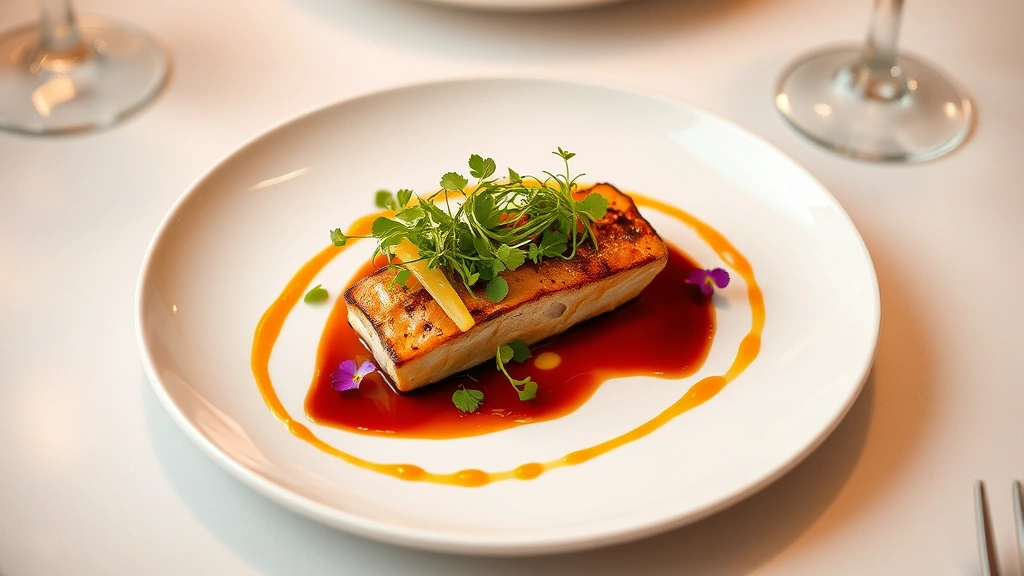
Chicago’s fine dining scene includes several restaurants that have earned international recognition and critical acclaim. During Restaurant Week, these establishments typically offer menus that distill their most essential techniques and signature flavor profiles into concentrated three-course experiences. Restaurants like Smyth, Oriole, and Lacuna have built reputations on precision-driven cooking, ingredient sourcing, and menu innovation that changes based on seasonal availability and culinary inspiration.
What distinguishes these powerhouse restaurants during Restaurant Week isn’t a dilution of quality but rather a strategic curation of dishes that represent their kitchen’s core competencies. A Michelin-starred kitchen might feature a signature preparation—perhaps their most technically impressive dish or their most celebrated flavor combination—alongside supporting courses that showcase their commitment to ingredient quality and preparation excellence. The experience often feels more curated than their standard tasting menus, with each course selected specifically for the Restaurant Week audience.
These establishments understand that Restaurant Week participants include both loyal regulars seeking new menu iterations and first-time visitors making their initial pilgrimage to celebrated kitchens. The prix fixe menus balance sophistication with approachability, complexity with clarity, innovation with tradition. You might encounter unexpected flavor combinations that challenge your expectations or refined classical preparations that remind you why certain techniques have endured for generations. The sensory experience—from the aroma of carefully selected ingredients to the textural interplay between components—becomes the focus when you’re not distracted by premium pricing considerations.
Consider exploring restaurants featured in Chicago Magazine’s dining coverage, which regularly highlights the city’s most innovative kitchens and emerging culinary talents. The publication’s reviews and feature stories often preview Restaurant Week selections and provide context for understanding each chef’s culinary approach.
Neighborhood Gems and Hidden Discoveries
While fine dining establishments command attention, some of the most memorable Restaurant Week experiences emerge from neighborhood restaurants—establishments that might not have the critical acclaim of Michelin-starred spots but possess their own devoted followings and distinctive culinary voices. These restaurants often feature chef-owners deeply invested in their communities, sourcing from local producers, and developing menu identities rooted in specific culinary traditions or innovative reinterpretations of familiar cuisines.
West Loop remains a culinary epicenter, offering everything from Brazilian-influenced contemporary cuisine to Italian trattorias reimagined through modern sensibilities. The neighborhood’s restaurant density means you can experience multiple cuisines and cooking philosophies in a single evening, hopping between venues or planning sequential Restaurant Week visits throughout the event window. Similar opportunities exist in neighborhoods like Pilsen, where Mexican culinary traditions blend with contemporary technique; Lincoln Square, known for its diverse international offerings; and Wicker Park, where innovative young chefs frequently establish their initial ventures.
These neighborhood restaurants typically offer more intimate dining experiences than their fine dining counterparts. Smaller capacity means more personalized service, and you’re more likely to encounter the chef themselves or to receive special attention from staff deeply knowledgeable about every dish’s inspiration and preparation. The prix fixe menus at these establishments often feel less formal than fine dining experiences while maintaining impressive technical execution. You might encounter bold flavor combinations, unexpected ingredient pairings, or refined takes on comfort food classics—all reflecting the chef’s personal culinary philosophy.
The beauty of exploring neighborhood restaurant scenes during Restaurant Week is discovering establishments that might become your regular haunts after the event concludes. You develop a relationship with a kitchen, understand their seasonal rhythms, and become invested in their evolution as a restaurant. These discoveries often provide more lasting satisfaction than any single fine dining experience, particularly when you return post-Restaurant Week and observe how the kitchen has evolved.
Don’t overlook health-conscious dining options during Restaurant Week either. Chicago’s restaurant community increasingly features establishments focused on nutritional quality, sustainable sourcing, and ingredient transparency—all reflected in their Restaurant Week menus. These restaurants prove that culinary excellence and nutritional consciousness aren’t mutually exclusive, and their prix fixe selections often highlight how thoughtful preparation and ingredient selection can create simultaneously delicious and nourishing experiences.
Cuisine-Specific Recommendations
Chicago’s Restaurant Week menus showcase the city’s remarkable culinary diversity. Italian restaurants range from classical Northern Italian preparations emphasizing butter, cream, and refined technique to Southern Italian approaches celebrating tomatoes, olive oil, and seafood. During Restaurant Week, these establishments often feature their most ambitious pasta preparations—perhaps a hand-rolled agnolotti with complex filling and delicate sauce, or a seafood pasta showcasing the quality of their ingredient sourcing. If you’re interested in exploring Italian cuisine, consider sampling offerings from multiple restaurants to understand how different chefs interpret the same tradition.
Japanese restaurants participating in Restaurant Week offer opportunities to experience sushi craftsmanship, kaiseki’s refined multi-course structure, and contemporary Japanese techniques that blend traditional approaches with modern innovation. The precision required in sushi preparation—the rice temperature and seasoning, the knife angles, the understanding of each fish’s optimal slicing thickness—becomes apparent when you taste work from skilled sushi chefs. Restaurant Week menus often feature special nigiri selections, perhaps including rare fish only available during specific seasons, and carefully constructed rolls that showcase the chef’s creativity within traditional parameters.
French culinary traditions remain influential in Chicago’s fine dining scene, whether through classical techniques, contemporary reinterpretations, or fusion approaches that combine French methodology with other culinary traditions. Restaurant Week is an excellent opportunity to experience French cooking’s emphasis on technique, its respect for ingredient quality, and its understanding of how flavors interact. A properly executed beurre blanc, a perfectly cooked piece of fish, a sauce that enhances rather than masks ingredients—these fundamentals of French cuisine become revelatory when executed with true skill.
Contemporary American cuisine—perhaps the most represented category during Restaurant Week—offers the broadest spectrum of approaches. Some restaurants emphasize seasonal ingredients and local sourcing, building menus around what’s available at peak ripeness. Others focus on technique-driven preparations, using classical and modern methods to extract maximum flavor from ingredients. Still others embrace fusion approaches, blending culinary traditions to create innovative flavor combinations. The diversity within this category means you can design a Restaurant Week itinerary that explores multiple interpretations of what American cuisine can be.
For those seeking international flavors, explore Mexican, Thai, Korean, Indian, and Middle Eastern establishments participating in Restaurant Week. These cuisines offer distinctive flavor profiles—the umami depth of Korean fermentation, the complex spice blends of Indian cooking, the fresh herb intensity of Thai cuisine, the slow-cooked richness of Middle Eastern braises. Restaurant Week menus at these establishments often feature their most refined preparations, dishes that might take hours to prepare or require specialized ingredient knowledge. You’re experiencing not just food but culinary traditions developed over centuries.
If you enjoy baking and pastry arts, consider how different restaurants approach their dessert courses. Some emphasize classical French pastry techniques—precise, elegant, technically demanding. Others explore contemporary dessert approaches, perhaps incorporating unexpected ingredients or challenging traditional flavor combinations. A well-executed dessert should feel like a complete thought, offering flavor complexity and textural interplay rather than simply providing sweetness. Restaurant Week allows you to taste how different pastry chefs interpret their role within the larger dining experience.
Strategic Dining: Maximizing Your Experience
Approaching Restaurant Week strategically enhances your overall experience and helps you make the most of the event’s limited window. First, establish your core interests: Are you primarily interested in fine dining experiences, or are you more drawn to neighborhood discoveries? Do you want to focus on a specific cuisine, or do you prefer exploring diverse culinary approaches? Are you seeking innovative contemporary cooking, classical technique, or traditional cuisine-specific preparations? Your answers inform which restaurants deserve your reservations.
Timing matters significantly during Restaurant Week. The event’s opening days tend to attract crowds, particularly at highly acclaimed establishments. If you’re flexible, consider making reservations for mid-week dates or later in the event window when availability increases and reservation competition decreases. However, some restaurants release special menus only for specific dates, so check individual establishments’ Restaurant Week details before finalizing your schedule.
Consider pairing Restaurant Week visits with exploration of related culinary interests. After experiencing a celebrated fine dining establishment, perhaps visit a neighborhood restaurant in the same culinary tradition to compare approaches. If you’re particularly fascinated by a cuisine, explore multiple restaurants specializing in that tradition. This comparative tasting approach deepens your understanding of how different chefs interpret similar culinary frameworks.
Don’t overlook the opportunity to explore celebration-worthy restaurants during Restaurant Week. If you’re marking a special occasion, Restaurant Week pricing makes it feasible to dine at restaurants you might otherwise consider too expensive for regular visits. The experience becomes more accessible without feeling less special—in fact, the exclusivity of Restaurant Week itself adds a certain cachet to the occasion.
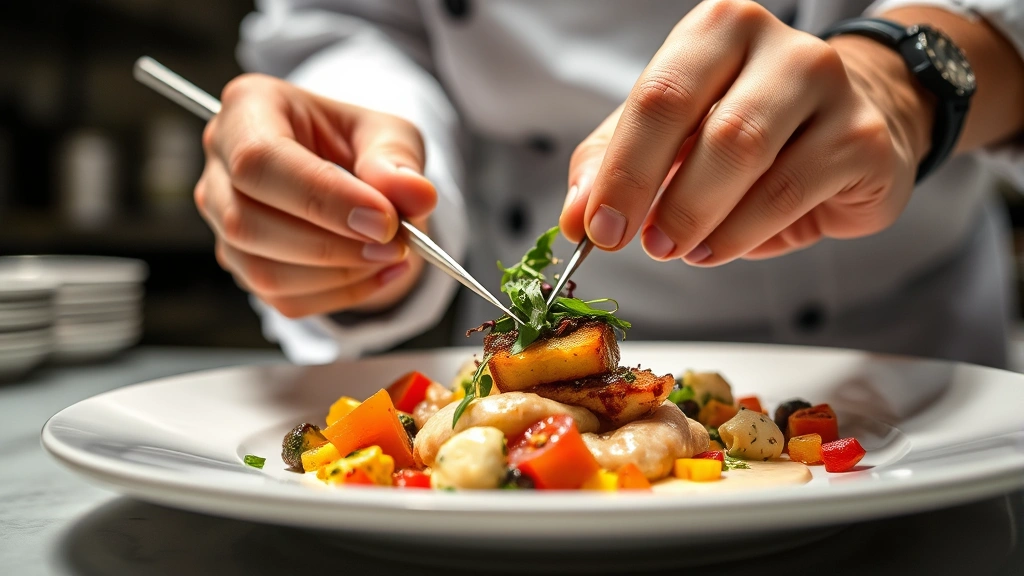
For those interested in culinary education, Restaurant Week offers an opportunity to observe cooking techniques and ingredient preparation firsthand. Many participating restaurants feature open kitchens or kitchen counters where you can watch chefs work. Observing a skilled cook’s knife technique, witnessing how a sauce is finished with a knob of butter, or seeing how a protein is plated provides culinary education that complements the eating experience. If you’re interested in learning, ask your server about the kitchen’s approaches to specific dishes—most chefs appreciate genuine culinary curiosity.
Consider consulting culinary professional organizations and food writer associations for perspective on Chicago’s dining scene. These organizations often feature critical reviews and analysis that can inform your Restaurant Week selections. Understanding how professional food critics evaluate restaurants—their assessment of technique, ingredient quality, flavor balance, and overall concept execution—enhances your ability to evaluate your own dining experiences.
Budget considerations extend beyond individual meal costs. Restaurant Week typically requires advance reservations, often non-refundable or subject to cancellation fees. Plan your restaurant selections carefully to ensure you can honor all reservations. Additionally, remember that prix fixe prices exclude beverages and gratuity. A $65 dinner becomes approximately $85-95 per person once you add wine pairings, beverages, and tip. Factor these costs into your overall Restaurant Week budget to ensure you’re comfortable with the total investment.
If you’re particularly invested in understanding Chicago’s culinary scene, consider exploring how other culinary destinations approach special dining events or how understanding ingredient preparation enhances your restaurant appreciation. These comparative perspectives inform how you approach and evaluate Chicago’s Restaurant Week offerings.
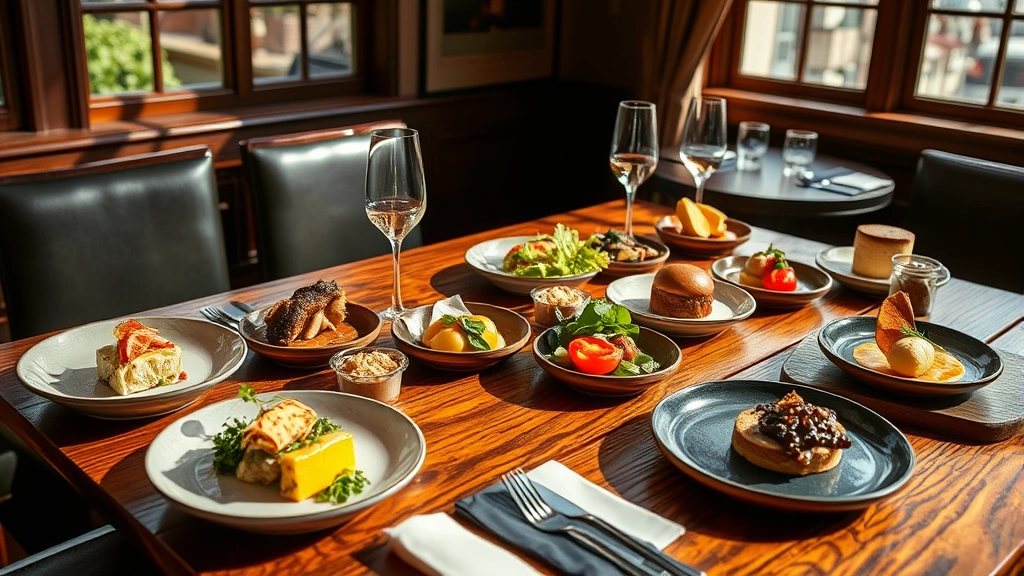
Finally, document your Restaurant Week experiences in some form—whether through mental notes, written reviews, or photographs. Reflecting on what you experienced, which flavors resonated most powerfully, and which restaurants merit return visits deepens the event’s lasting impact. Restaurant Week should feel like an exploration, an adventure through Chicago’s culinary landscape, not simply a series of discounted meals. The best Restaurant Week experiences linger in your memory long after the event concludes, influencing your future dining choices and deepening your appreciation for the chefs and restaurants shaping Chicago’s food culture.
FAQ
When does Restaurant Week Chicago 2025 occur?
Restaurant Week Chicago typically occurs in January and March, with specific dates released by the Choose Chicago tourism board. Check the official Restaurant Week Chicago website for exact 2025 dates and participating restaurant lists. Early announcements allow advance planning and reservation scheduling.
How far in advance should I make reservations?
Reservations for Restaurant Week typically open 2-4 weeks before the event begins. Popular restaurants and prime dining times (Friday and Saturday evenings) book quickly. Make reservations as soon as they become available if you have specific restaurants in mind. Less popular time slots (weekday lunches, early dinners) often remain available closer to the event dates.
Can I modify prix fixe menus for dietary restrictions?
Most restaurants accommodate dietary restrictions during Restaurant Week, though modifications may be limited compared to their standard service. Contact your restaurant directly when making reservations to discuss allergies, vegetarian preferences, or other dietary needs. Restaurants appreciate advance notice and can often prepare alternative courses that maintain the experience’s integrity.
What’s included in the prix fixe price?
Prix fixe prices typically include the courses listed on the Restaurant Week menu. Beverages, wine pairings, tax, and gratuity are separate. Some restaurants include amuse-bouches or petit fours within the prix fixe structure, while others charge for these items separately. Confirm what’s included when reviewing specific restaurant menus.
Should I explore fine dining or neighborhood restaurants?
Both offer distinct value and experiences. Fine dining establishments provide access to celebrated kitchens at reduced pricing, while neighborhood restaurants offer discovery opportunities and intimate experiences. Consider your preferences: Do you prioritize critical acclaim and technical sophistication, or do you prefer exploring lesser-known establishments and potentially discovering new favorites? Many food lovers approach Restaurant Week by experiencing both.
How do I choose between participating restaurants?
Review restaurant websites, menus, and critical coverage to identify establishments aligned with your culinary interests. Consider cuisine type, neighborhood location, chef reputation, and specific menu offerings. If you’re uncertain, prioritize restaurants where you’ve heard compelling recommendations or where the menu description excites your palate.