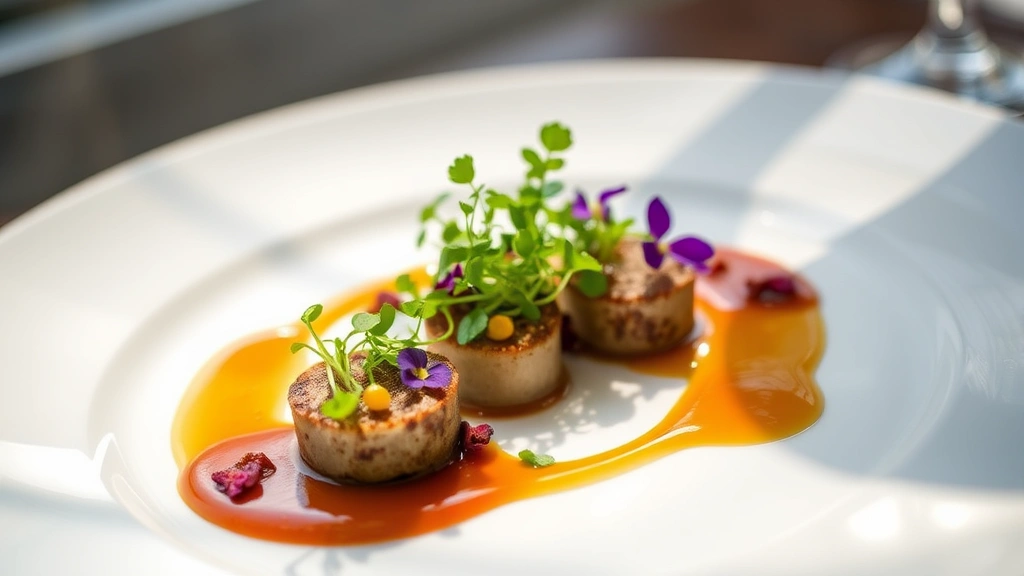
DC Restaurant Week 2025: Insider Tasting Guide
Washington, D.C.’s culinary landscape transforms each year during Restaurant Week, and 2025 promises an extraordinary showcase of the capital’s most innovative and celebrated dining establishments. This semi-annual event has become a cornerstone of the D.C. food culture, inviting both seasoned palates and curious explorers to experience world-class cuisine at accessible price points. Whether you’re a local seeking to revisit beloved establishments or a visitor discovering the city’s gastronomic treasures, this comprehensive guide will help you navigate the exceptional offerings and make the most of your tasting journey.
The beauty of Restaurant Week lies in its democratic approach to fine dining. Participating establishments curate specially designed tasting menus that showcase their culinary philosophy while offering remarkable value. From intimate neighborhood bistros to prestigious fine dining temples, the diversity of offerings means there’s something to captivate every palate. This year’s iteration promises expanded participation, innovative chef collaborations, and menus that reflect contemporary food trends while honoring classical techniques that define exceptional cuisine.
Understanding DC Restaurant Week 2025
DC Restaurant Week operates as a carefully orchestrated culinary event that typically spans two weeks in March and again in August, though 2025’s schedule may include additional dates. The concept is elegantly simple: participating restaurants offer prix fixe menus at three price points—typically $35, $60, and $100 per person for dinner, with lunch options at lower price points. These menus are specially crafted by each establishment’s executive chef, often featuring signature dishes alongside innovative creations developed specifically for the event.
The participating restaurants represent the full spectrum of D.C.’s dining scene. You’ll find Michelin-recognized establishments showcasing their refined technique, ambitious neighborhood restaurants demonstrating their culinary creativity, and ethnic cuisine specialists offering authentic regional flavors. Each menu tells a story about the chef’s vision, the restaurant’s identity, and the seasonal ingredients available at that moment. The tasting experience transcends simple sustenance—it becomes a conversation between chef and diner, mediated through carefully composed plates that balance flavors, textures, and visual presentation.
Understanding the event’s structure allows you to approach it strategically. The most coveted reservations at prestigious establishments fill within hours of booking opening. However, equally rewarding experiences await at lesser-known restaurants whose talented chefs use Restaurant Week as an opportunity to gain recognition. The key to maximizing your experience involves research, strategic timing, and flexibility in your palate preferences.
Pre-Event Tasting Preparation
Approaching Restaurant Week with intention elevates the entire experience. Begin by cleansing your palate and resetting your taste expectations in the days before your dining adventures. This doesn’t require extreme measures—simply reduce consumption of heavily spiced foods, acidic beverages, and intense flavors for 24-48 hours prior to your tastings. This preparation heightens your sensitivity to subtle flavor notes and allows you to appreciate the nuanced seasoning choices chefs have made.
Research each restaurant’s culinary philosophy before making reservations. Visit their websites, review their regular menu structure, and read recent reviews from respected food critics. Understanding a chef’s background and influences provides context for interpreting their Restaurant Week menu. A chef trained in French technique will likely emphasize classical preparation methods and refined plating, while a chef specializing in global cuisines may create fusion compositions that bridge culinary traditions.
Consider your personal taste preferences and dietary requirements honestly. If you have strong dislikes or allergies, contact the restaurant directly before booking. Most establishments are remarkably accommodating when given advance notice, and they’ll work with you to create an alternative menu that maintains the restaurant’s integrity while respecting your needs. This advance communication prevents disappointment and ensures the kitchen can prepare your meal with the same care and attention given to other diners.
Plan your Restaurant Week calendar strategically. Rather than booking back-to-back tastings, space your dining experiences across the event period. This allows adequate recovery time between meals, prevents palate fatigue, and gives you time to process and reflect on each experience. Additionally, alternating between different cuisine types and price points creates a more balanced exploration of D.C.’s culinary landscape.
Navigating Cuisine Categories
DC Restaurant Week 2025 will feature restaurants representing virtually every major culinary tradition. American cuisine establishments showcase regional ingredients and contemporary cooking techniques, often emphasizing seasonal availability and local sourcing. These restaurants frequently feature house-made pastas, artisanal bread, and proteins sourced from regional purveyors. The American cuisine category offers an excellent entry point for understanding how D.C.’s best chefs interpret their own culinary heritage.
French cuisine participants represent classical technique and refined sensibilities. Expect impeccably executed sauces, precise cooking temperatures, and elegant plating that prioritizes visual harmony. French restaurants often feature game meats, seafood preparations that highlight natural flavors, and wine pairings that complement each course. These experiences provide masterclasses in culinary fundamentals and classical flavor combinations.
Asian cuisine options span multiple traditions—Japanese, Chinese, Korean, Thai, Vietnamese, and Indian establishments each bring distinct flavor profiles and cooking methodologies. Japanese restaurants typically emphasize precision, simplicity, and the quality of individual ingredients. Chinese restaurants showcase regional variations and complex sauce development. Thai cuisine highlights the balance of sweet, sour, salty, and spicy elements. Exploring these diverse Asian offerings within a single Restaurant Week event provides a fascinating cross-cultural tasting journey.
Mediterranean, Italian, and Spanish restaurants emphasize olive oil quality, fresh herbs, and the integrity of simple ingredients prepared with skill. These cuisines celebrate the natural flavors of vegetables, proteins, and legumes rather than masking them with heavy sauces. The philosophy often reflects a slower approach to eating, emphasizing conversation, community, and the pleasure of shared meals.
Premium Fine Dining Experiences
D.C.’s finest dining establishments participate enthusiastically in Restaurant Week, viewing it as an opportunity to introduce their culinary vision to diners who might otherwise find the regular menu prices prohibitive. These restaurants operate at the highest levels of technical execution, ingredient sourcing, and creative innovation. A tasting at a Michelin-recognized restaurant during Restaurant Week represents exceptional value and insight into contemporary fine dining philosophy.
Premium fine dining menus typically feature 6-10 courses, each precisely portioned and designed to build a narrative arc across the meal. Early courses establish foundational flavors and textures, mid-course selections introduce complexity and contrast, and later courses often feature the restaurant’s signature preparations or most technically challenging dishes. The final courses transition toward closure, with desserts and petit fours providing a satisfying conclusion.
These experiences demand active engagement. Take time to observe plating techniques, notice the progression of flavors and textures, and consider how each component contributes to the overall composition. Fine dining chefs are communicating through their food, and your task as a diner is to listen and interpret their message. Notice temperature contrasts, textural variations, the balance of rich and light elements, and how flavors evolve as you consume each course.
Wine pairings at premium establishments deserve special attention. Sommeliers have selected wines that enhance each course while building a coherent narrative across the meal. Even if you don’t typically enjoy wine, these carefully considered pairings often shift your perception. The acidity in a white wine might brighten a rich seafood course, while a wine’s tannins might complement the umami depth of a beef preparation.
Emerging Neighborhood Gems
While prestigious fine dining establishments garner headlines, some of Restaurant Week’s most rewarding experiences occur at ambitious neighborhood restaurants. These establishments often operate with smaller staffs, tighter budgets, and more experimental approaches to cuisine. Young chefs frequently use Restaurant Week as a platform to showcase their creativity and gain recognition within the D.C. food community.
Neighborhood restaurants often feature more adventurous menus than their fine dining counterparts. A chef might feature unexpected ingredient combinations, unusual proteins, or unconventional cooking techniques. These restaurants take calculated risks, sometimes resulting in dishes that challenge conventional flavor pairings but ultimately reward adventurous diners with memorable experiences.
The atmosphere at neighborhood establishments often feels more relaxed and convivial than fine dining venues. You’ll encounter other diners exploring the same Restaurant Week journey, and conversations frequently spark between tables. This communal aspect of dining at neighborhood gems reflects D.C.’s increasingly vibrant food culture, where passionate home cooks and food enthusiasts support emerging culinary talent.
Research neighborhood restaurant menus carefully before booking. Read recent reviews, check social media, and look for interviews with the chef if available. These establishments are often family-run operations where the owner’s personality significantly influences the dining experience. A restaurant might excel at a particular cuisine or style, and understanding their specialty helps you set appropriate expectations and appreciate their specific contributions to D.C.’s culinary landscape.
Seafood-Forward Selections
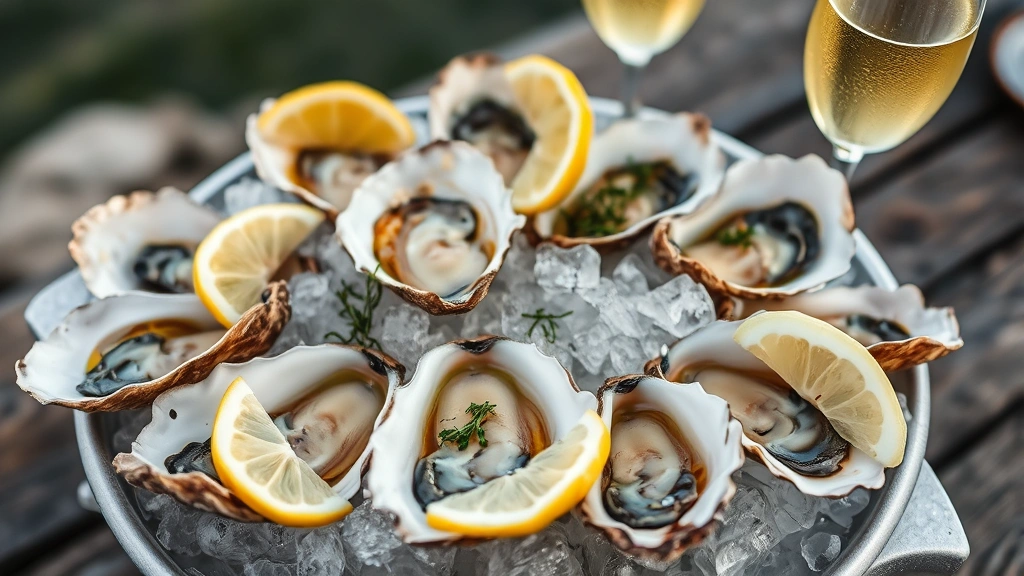
DC restaurants with significant seafood focus deserve special attention during Restaurant Week. D.C.’s proximity to the Chesapeake Bay provides access to exceptional fresh seafood, and many restaurants emphasize sustainable sourcing and impeccable freshness. Oyster preparations vary dramatically across establishments—some feature raw oysters with minimal embellishment to highlight briny minerality, while others prepare them with creative accompaniments that enhance their natural flavors.
Fish courses typically showcase the chef’s ability to cook delicate proteins without drying them. Look for restaurants that feature local fish varieties—rockfish, black sea bass, and flounder appear frequently on D.C. menus. The preparation method reveals the chef’s philosophy: butter-poached fish suggests classical French technique, while grilled fish with bright accompaniments might indicate Mediterranean or contemporary American influences.
Crustacean preparations—lobster, crab, shrimp—offer opportunities for chefs to display technical skill. Lobster appears in various forms: as a pristine tail, incorporated into a bisque, or featured as part of a composed dish. Crab, particularly the prized blue crab from the Chesapeake, appears in preparations ranging from simple preparations that celebrate its natural sweetness to complex dishes where it functions as one component among many.
Consider pairing seafood-focused Restaurant Week experiences with simple seafood recipes for every home cook to extend your appreciation of these proteins into your home cooking. The techniques and flavor combinations you observe at restaurants often translate beautifully into accessible home preparations.
Vegetarian and Plant-Based Menus
Modern fine dining has evolved dramatically in its approach to vegetarian cuisine. Rather than treating vegetarian menus as afterthoughts or simple omissions of protein, leading chefs now view them as opportunities for creative expression and technical innovation. Many D.C. restaurants offer dedicated vegetarian menus during Restaurant Week that rival their meat-inclusive counterparts in complexity and sophistication.
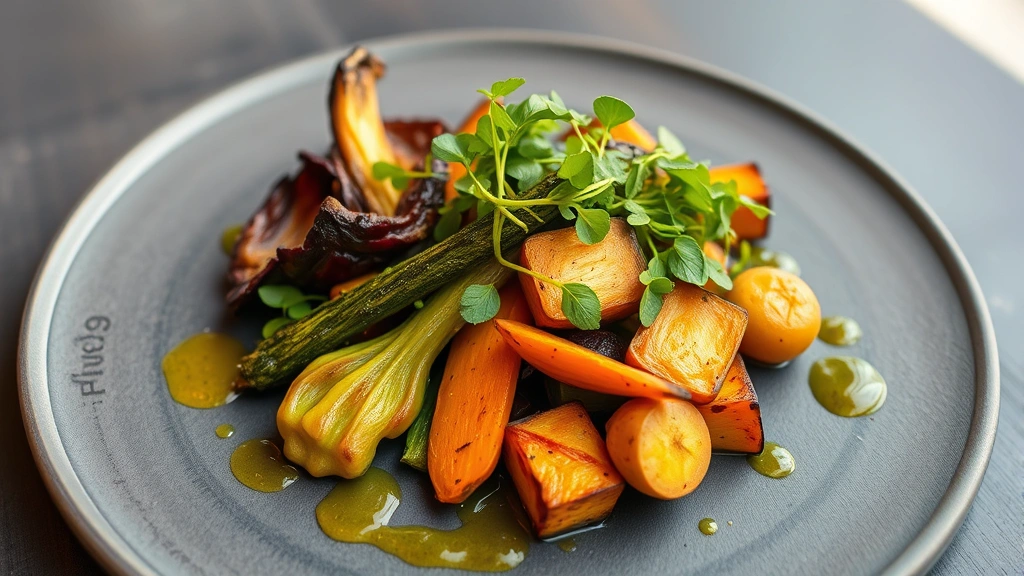
Vegetarian menus showcase vegetable preparation techniques in ways that omnivorous diners often overlook. A chef might prepare multiple vegetable courses, each highlighting different cooking methods and flavor profiles. Charred vegetables develop complex caramelized notes, while raw preparations emphasize crisp texture and bright acidity. Fermented vegetables introduce umami depth, and slow-cooked preparations create tender, concentrated flavors.
Grain and legume dishes gain prominence in vegetarian menus. Ancient grains like farro, quinoa, and spelt provide textural interest and nutritional substance. Legume preparations—lentils, chickpeas, beans—demonstrate that plant-based proteins can achieve the same culinary respect as animal proteins. These components often appear as foundational elements that anchor dishes around which vegetables and complementary flavors organize themselves.
If you’re interested in exploring vegetarian dining more deeply, vegetarian restaurants provide year-round options beyond Restaurant Week. Additionally, seeking out organic restaurants near me often reveals establishments that prioritize plant-based preparations and sustainable sourcing practices. These restaurants frequently participate in Restaurant Week with menus that celebrate vegetables and plant-based cooking.
Waterfront Dining Experiences
DC’s waterfront locations offer distinctive dining experiences that combine culinary excellence with scenic beauty. Restaurants positioned along the Potomac River or near the harbor provide visual interest that complements the food. The waterfront setting often influences menu development, with chefs emphasizing seafood and lighter preparations that harmonize with the outdoor ambiance.
Waterfront restaurants frequently feature expansive windows or outdoor seating that makes the dining experience multisensory. The interplay of natural light, water views, and seasonal weather variations creates a dynamic backdrop for your meal. Spring waterfront dining offers mild temperatures and fresh seasonal preparations, while summer brings warmth and longer daylight hours that extend the dining experience.
For those seeking waterfront experiences specifically, restaurants on the water near me provides curated selections of establishments in scenic locations. Many of these restaurants participate enthusiastically in Restaurant Week, recognizing that the combination of excellent cuisine and waterfront setting creates memorable experiences that encourage repeat visits.
When booking waterfront restaurants for Restaurant Week, consider timing strategically. Evening reservations offer the possibility of sunset views, while lunch reservations provide bright natural light that beautifully illuminates plated dishes. Some waterfront restaurants offer pre-fixe menus at different times with varying prices, allowing you to choose the experience that best suits your schedule and budget.
Booking Strategy and Reservations
Successfully securing Restaurant Week reservations requires strategic planning and quick action. Booking typically opens several weeks before the event begins, and the most popular establishments receive reservations within hours. Set reminders on your calendar for the booking opening date and time, and have your restaurant selections prioritized before booking opens.
Create a tiered list of restaurants organized by preference and price point. Include 15-20 options rather than only your top choices. When booking opens, you’ll inevitably find that your first-choice restaurants have limited availability. Having a comprehensive list allows you to book alternative options quickly rather than missing the opportunity entirely.
Consider booking a mix of price points across your Restaurant Week experience. A $35 lunch might feature a 3-course menu with generous portions and straightforward preparations, while a $60 dinner offers more courses and greater complexity. The $100 experience typically provides the most elaborate and technically challenging preparations. Alternating between price points prevents palate fatigue while allowing you to experience different levels of culinary ambition.
Timing your reservations strategically matters. Early week bookings (Tuesday-Thursday) tend to be less competitive than weekend reservations, and you may find better availability. Additionally, early dinner seatings (5:30-6:30 pm) often have more availability than prime dinner hours (7:30-8:30 pm). If your schedule permits flexibility, these alternative timings expand your options considerably.
When making reservations, note any dietary restrictions or preferences directly with the restaurant. Most establishments are remarkably accommodating when given advance notice. If you have strong dislikes, mention them at booking time rather than attempting to modify the menu on the evening of your reservation. This advance communication ensures the kitchen can prepare something special rather than simply omitting components.
Arrive early to your reservations, particularly for fine dining experiences where timing between courses matters. The kitchen orchestrates service around your arrival time, and arriving late disrupts the carefully planned progression of courses. Early arrival also allows time to settle, review the menu, and mentally prepare for the tasting experience ahead.
Consider the restaurant’s location and parking situation when booking. Downtown restaurants often involve paid parking or public transportation, while neighborhood establishments may offer street parking. Factor these practical considerations into your reservation planning to ensure a stress-free arrival that allows you to approach your meal in a relaxed, receptive frame of mind.
Document your experiences thoughtfully. Rather than photographing every plate (which many fine dining establishments now discourage), consider taking brief notes about memorable flavors, interesting techniques, or standout dishes. These notes help you remember details weeks or months later and provide reference points if you decide to revisit restaurants or attempt to recreate elements at home.
After completing your Restaurant Week experiences, consider returning to your favorite establishments outside of the event. The relationships you build with restaurants and chefs during Restaurant Week often translate into special treatment and memorable experiences during regular service. Many chefs appreciate diners who engage seriously with their cuisine, and your enthusiasm and attention to detail during Restaurant Week often result in special touches and personalized attention on future visits.
FAQ
What is the typical price range for DC Restaurant Week menus?
DC Restaurant Week typically offers three price tiers: $35 for dinner (and lower for lunch), $60 for dinner, and $100 for dinner. Some restaurants may offer variations on these prices, and wine pairings are usually additional. These prix fixe prices represent significant savings compared to ordering à la carte at most participating establishments.
How far in advance should I book my Restaurant Week reservations?
Booking opens typically 2-3 weeks before the event begins. The most popular restaurants receive reservations within hours of booking opening, so immediate action is essential for top choices. Less well-known establishments may have availability throughout the event period, offering more flexibility for last-minute planners.
Can I modify the menu if I have dietary restrictions?
Most restaurants are very accommodating with advance notice of dietary restrictions or allergies. Contact the restaurant directly when making your reservation to discuss modifications. Last-minute requests on the evening of your reservation are more difficult to accommodate, so advance communication is essential.
What should I wear to Restaurant Week dinners?
Dress code varies significantly by restaurant. Fine dining establishments typically require business casual or cocktail attire, while neighborhood restaurants may be more casual. Check each restaurant’s website or call to confirm their dress code expectations. When in doubt, dressing up slightly is generally safer than underdressing.
Should I tip on the pre-fixe price or the full value of the meal?
Tipping should be calculated on the price you paid (the pre-fixe price), not the estimated full value of the meal. Standard tipping percentages (18-20%) apply to the amount on your bill. Some establishments may add gratuity automatically for larger parties, so verify this before adding additional tip.
Are wine pairings worth the additional cost?
Wine pairings at fine dining establishments represent excellent value, as sommeliers select wines specifically to complement each course. For first-time visitors to a restaurant, pairings provide insight into the chef’s vision for how wines should interact with the food. If budget is a consideration, you might experience pairings at one premium restaurant and skip them at others.
What if I want to explore lesser-known restaurants instead of famous establishments?
Lesser-known restaurants often have better availability and may offer equally rewarding or even more adventurous experiences. Research neighborhood gems through food blogs, local food critics, and restaurant review sites. These establishments often use Restaurant Week as an opportunity to gain recognition, and you may discover your new favorite restaurant while supporting ambitious young chefs.
Can I book multiple restaurants on the same day?
While technically possible, booking multiple restaurants on the same day is not recommended. Restaurant Week menus are substantial, and dining twice in one day leads to palate fatigue and prevents you from fully appreciating either experience. Space your reservations throughout the event period for optimal enjoyment and appreciation.


