Dunedin’s Top Eateries: Local Foodies’ Choice
Nestled on the southeastern coast of New Zealand’s South Island, Dunedin has quietly emerged as a culinary destination that rivals far larger metropolitan areas. This historic Scottish-inspired city, home to the University of Otago, pulses with creative energy in its dining scene. From intimate gastropubs serving nose-to-tail preparations to innovative fusion establishments pushing Pacific Rim boundaries, Dunedin’s restaurants reflect a sophisticated palate that celebrates local provenance and seasonal ingredient mastery.
The city’s food culture thrives on its geographic advantages: pristine waters teeming with southern rock lobster, whitebait, and blue cod; fertile farmland producing exceptional lamb and venison; and artisanal producers crafting everything from craft beer to aged cheeses. Local foodies have cultivated a community that values authenticity, sustainability, and the kind of culinary storytelling that transforms a meal into an unforgettable experience. Whether you’re seeking refined fine dining, casual neighborhood gems, or venues featuring restaurants with live music, Dunedin delivers with remarkable depth.
This guide explores the establishments that have earned devoted followings among discerning diners, examining what makes each venue distinctive through the lens of flavor, technique, and ingredient quality that define modern Dunedin dining.
The Seafood Renaissance: Where Ocean Meets Plate
Dunedin’s proximity to the Southern Ocean grants its finest establishments access to some of the planet’s most pristine seafood. The cold, nutrient-rich waters surrounding the Otago Peninsula produce specimens of remarkable quality that demand minimal intervention—a philosophy embraced by the city’s best seafood-focused restaurants.
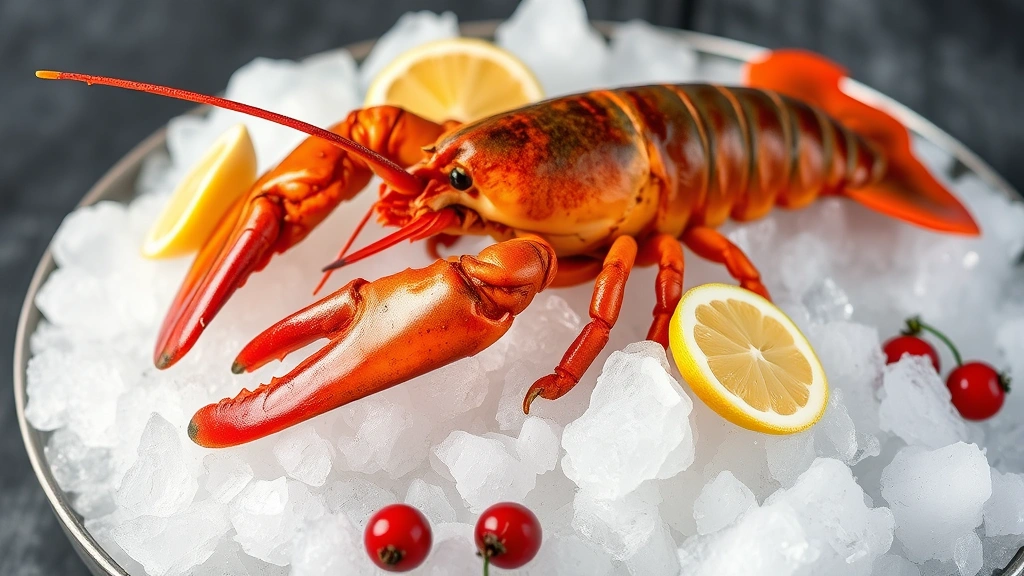
The preparation of southern rock lobster represents perhaps the most celebrated seafood tradition in Dunedin dining. These magnificent crustaceans, with their sweet, delicate flesh and buttery texture, arrive at top-tier establishments within hours of harvest. Experienced chefs understand that the lobster’s natural umami-rich sweetness requires only the gentlest enhancement: perhaps clarified butter infused with citrus, a whisper of native pepperberry, or simply the bright acidity of fresh lemon. The meat’s firm yet yielding texture—achieved through precise cooking temperatures around 63-65°C for sous-vide preparations—contrasts beautifully with crispy shells transformed into bisques and stocks that anchor sophisticated sauces.
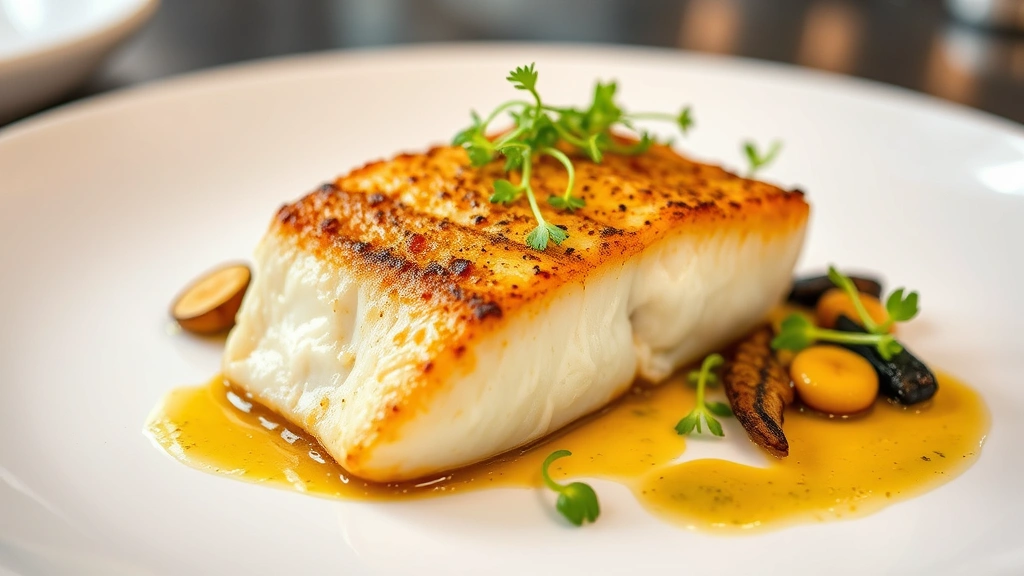
Blue cod, another Dunedin staple, presents a different textural pleasure. Its delicate, flaking white flesh contains subtle sweetness that benefits from preparations highlighting rather than masking its character. Pan-searing at high heat creates a golden, crispy exterior while maintaining a barely translucent center—a technique requiring precise timing and confidence. The contrast between textural extremes makes blue cod ideal for dishes pairing it with contrasting elements: charred brassicas, crunchy sea vegetables, or brittle tuiles of dehydrated potato.
Whitebait, those tiny transparent juveniles of several fish species, occupy a revered position in New Zealand cuisine. Their delicate, almost ethereal nature demands respect: lightly battered and fried until barely golden, they’re consumed whole, providing a textural experience ranging from crispy exterior to tender, buttery interior. Progressive Dunedin chefs experiment with whitebait preparations that honor tradition while introducing contemporary elements—perhaps serving them alongside house-made aioli infused with smoked paprika, or nestled within crispy frico baskets.
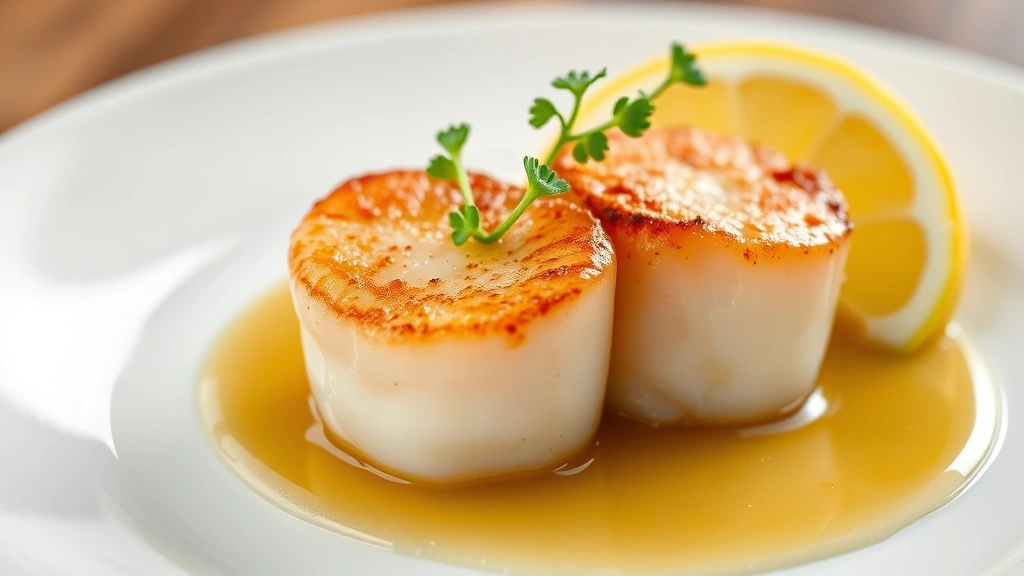
The region’s scallop fishery produces specimens of remarkable size and quality. Hand-dived scallops, treated with utmost care to preserve their delicate adductor muscles, offer sweet, briny flavor that requires only the briefest kiss of heat. A single minute per side in screaming-hot butter creates a caramelized exterior through the Maillard reaction while preserving the interior’s tender, barely-set texture. Dunedin’s top chefs serve scallops with complementary elements that enhance rather than compete: perhaps a beurre blanc enriched with scallop roe, microgreens offering peppery contrast, or simply a drizzle of excellent extra-virgin olive oil and fleur de sel.
Understanding the seafood-focused dining landscape means recognizing how simple seafood recipes principles guide professional preparation. The best Dunedin seafood restaurants apply home-cook sensibilities—respecting ingredient quality, avoiding unnecessary complexity—while executing with technical precision that separates professional from amateur results.
Fine Dining Excellence and Contemporary Cuisine
Dunedin’s fine dining establishments represent the apex of culinary ambition in the region, where chefs trained at prestigious culinary institutes and mentored by celebrated international figures apply advanced techniques to local ingredients. These venues emphasize seasonal precision, ingredient sourcing transparency, and the kind of plate artistry that transforms dining into theatrical experience.
The concept of progressive tasting menus has gained considerable traction among Dunedin’s most ambitious restaurants. These chef-led experiences, typically spanning 8-12 courses, function as edible narratives exploring themes of place, season, and technique. Each course builds upon previous flavors, creating crescendos and valleys that maintain palate engagement throughout the meal. Courses might progress from lighter, more delicate preparations featuring raw or lightly cooked elements toward richer, more intensely flavored dishes, then conclude with palate-cleansing desserts emphasizing brightness and textural contrast.
Fine dining establishments in Dunedin demonstrate sophisticated understanding of flavor layering—the technique of building depth through multiple complementary or contrasting flavor notes. A single dish might feature a protein prepared through multiple methods (seared, poached, crisped), combined with various preparations of a single vegetable (raw, pickled, charred, as a puree), and anchored by a sauce incorporating multiple flavor dimensions: umami from stock or miso, acid from vinegar or citrus, fat from butter or oil, heat from chili, and sweetness from caramelized elements or fruit.
The application of sous-vide cookery, once considered avant-garde, has become standard practice in Dunedin’s fine dining kitchens. This technique—cooking vacuum-sealed ingredients in precisely controlled water baths—ensures unparalleled consistency and enables temperature precision impossible through conventional methods. Lamb cooked at 56°C for 36 hours develops unprecedented tenderness while maintaining perfect medium-rare color throughout; fish cooked at 48°C remains impossibly delicate and moist. These precisely cooked items are then finished through searing or torching to develop flavor-enhancing browning.
Dunedin’s most celebrated fine dining venues maintain relationships with specialized producers that extend beyond simple purchasing. Chefs work directly with biodynamic farmers, artisanal cheese makers, foraged ingredient specialists, and heritage breed livestock producers to influence production methods and timing. This collaborative approach ensures that ingredients arrive at peak ripeness, optimal size, or ideal flavor development—parameters that conventional supply chains cannot guarantee.
Gastropubs and Casual Excellence
The gastropub concept—casual dining environments serving sophisticated, ingredient-focused cuisine—has flourished in Dunedin, creating spaces where culinary excellence meets approachable atmosphere. These establishments reject the formality of fine dining while maintaining rigorous standards for ingredient quality and technical execution.
Gastropubs excel at nose-to-tail cookery, the philosophical approach of utilizing entire animals to minimize waste while maximizing flavor potential. Organ meats, often dismissed in casual dining contexts, receive careful preparation that showcases their distinctive characteristics. Beef liver, when sourced from young animals and cooked precisely to rare—its interior temperature just above 48°C—develops a creamy, almost butter-like texture that belies its reputation. Chicken skin, rendered slowly at low temperature until deeply golden and crispy, provides textural contrast and concentrated poultry flavor. Bone marrow, extracted and spread upon toasted bread, offers pure umami satisfaction.
The gastropub approach to sauce preparation differs fundamentally from fine dining’s delicate reductions. Instead, these establishments favor robust, deeply flavored preparations built from stock, caramelized vegetables, and concentrated aromatics. A beef jus might simmer for 12 hours, incorporating roasted bones, aromatics, and beef trim to develop extraordinary depth. Yet this intensity is balanced through careful seasoning and the brightness of fresh herbs added at service, creating sauces that enhance rather than overwhelm.
Dunedin gastropubs embrace British and Irish culinary traditions, reflecting the city’s Scottish heritage and the broader Anglo-Irish influence on New Zealand cuisine. Fish and chips, elevated through premium ingredient selection and meticulous technique, feature hand-cut potato chips fried in properly maintained oil until simultaneously crispy and fluffy, paired with delicate white fish in a light batter that shatters satisfyingly. Meat pies showcase buttery, laminated pastry encasing carefully seasoned fillings of tender meat and vegetables bound in rich gravy. Bangers and mash celebrate the craft of artisanal sausage-making, with links featuring interesting spice blends and binding agents that create superior texture.
These casual venues often feature restaurants with live music, creating convivial atmospheres that enhance the social dining experience while maintaining focus on culinary quality.
International Flavors and Fusion Concepts
Dunedin’s diverse population and cosmopolitan character have fostered restaurants exploring cuisines from across the globe, from traditional preparations honoring specific culinary traditions to creative fusion concepts that thoughtfully blend culinary languages.
Asian cuisine represents a significant and sophisticated presence in Dunedin’s dining landscape. Japanese restaurants demonstrate mastery of fundamental techniques: knife skills producing paper-thin slices of raw fish; precise rice preparation achieving ideal temperature, texture, and seasoning; and the careful balance of flavors—salty, sour, sweet, bitter, umami—that characterizes refined Japanese cooking. Thai establishments showcase understanding of the four fundamental taste elements and their interplay: the heat of chili, the cooling sweetness of coconut, the bright acidity of lime, and the umami depth of fish sauce and shrimp paste. Chinese restaurants explore regional specialties, from the numbing heat of Sichuan peppercorns creating tingling sensations on the palate to the subtle, layered flavors of Cantonese wok cookery.
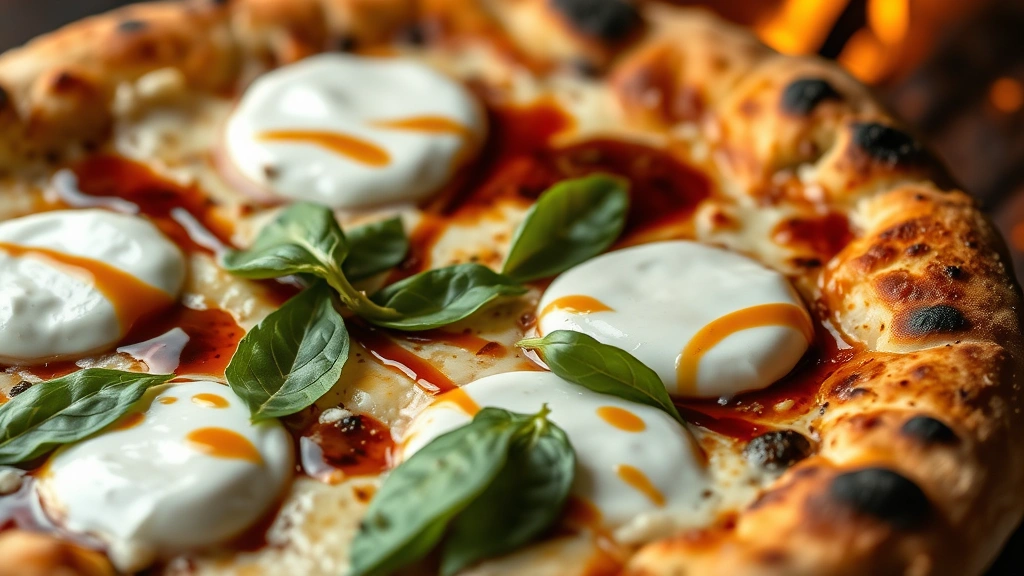
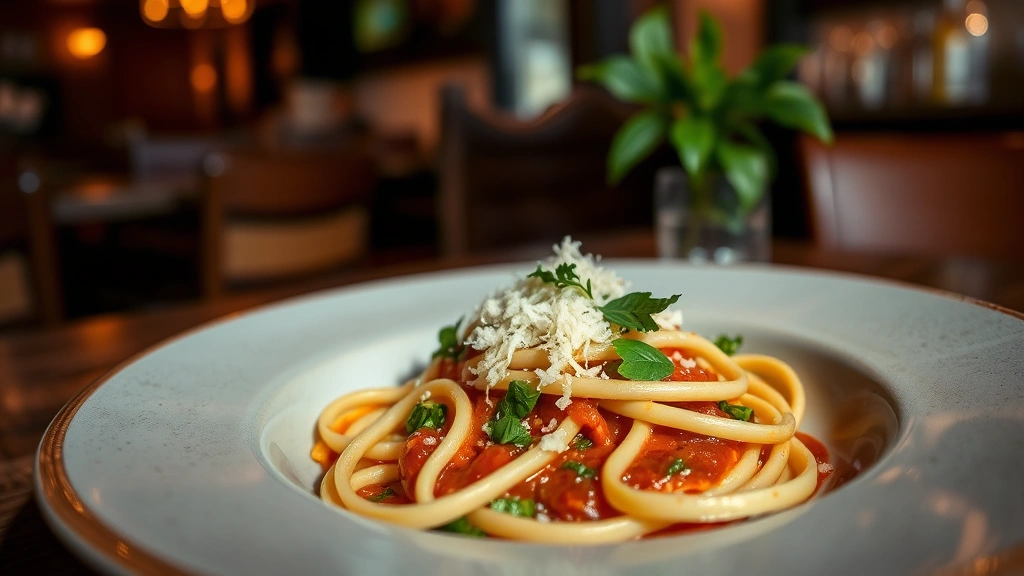
Mediterranean and European cuisines thrive in Dunedin, with restaurants dedicated to Italian cuisine demonstrating particular excellence. The preparation of fresh pasta—rolled to precise thickness, cut to exacting dimensions, and cooked to ideal al dente texture—represents a fundamental skill that separates exceptional Italian restaurants from mediocre ones. The mastery of pasta sauce recipes principles—building flavor through slow cooking, emulsifying starch and fat to create silky texture, and achieving perfect seasoning balance—elevates simple dishes into extraordinary experiences.
Fusion establishments in Dunedin approach cross-cultural cooking with thoughtfulness rather than gimmickry. Rather than arbitrary combinations, successful fusion restaurants identify genuine points of culinary intersection: the umami alignment between miso and Parmesan, the complementary spice profiles of Asian and Latin American cuisines, or the textural similarities between different cultural dumpling traditions. These restaurants require chefs with deep knowledge of multiple culinary traditions, capable of understanding not just recipes but the underlying principles that make each cuisine function.
Understanding diverse cuisines connects to broader culinary education available through institutions like the International Culinary Institute, which trains chefs in techniques applicable across cultural boundaries.
Hidden Gems and Neighborhood Favorites
Beyond the celebrated establishments that anchor Dunedin’s dining scene, neighborhood restaurants operated by passionate individuals serve devoted local communities with consistency and genuine hospitality that larger venues cannot replicate.
These neighborhood favorites often specialize in specific ingredient categories, building entire menus around mastery of single elements. A vegetable-forward restaurant might dedicate itself to showcasing seasonal produce through multiple preparations, creating a single vegetable appear across several courses in different formats: raw in a salad, roasted as a side, transformed into a puree, or preserved through fermentation. This focused approach allows chefs to develop extraordinary depth of understanding regarding how preparation methods transform ingredient character.
Small establishments demonstrate remarkable adaptability to seasonal availability, with menus changing based on what local producers deliver. Rather than maintaining fixed menus requiring ingredient substitution, these restaurants embrace seasonal variation as a feature rather than constraint. Spring might emphasize delicate vegetables and fresh herbs; summer celebrates stone fruits and berries; autumn highlights mushrooms, game, and root vegetables; winter focuses on preserved elements and hardy greens. Regular customers anticipate these seasonal shifts, returning specifically to experience how chefs interpret each season’s offerings.
Many neighborhood venues feature limited seating arrangements—perhaps 20-40 covers per service—that enable chefs to execute ambitious preparations impossible in larger operations. Personalized interactions between kitchen staff and diners create feedback loops informing future menu development. Chefs learn directly which dishes resonate most powerfully, enabling continuous refinement and evolution.
The coffee culture surrounding these neighborhood establishments deserves particular mention. Dunedin’s specialty coffee roasters—often operating their own cafes—source exceptional single-origin beans and execute meticulous preparation techniques. Espresso-based drinks demonstrate proper extraction technique, producing shots with balanced sweetness and minimal bitterness. Pour-over preparations showcase the unique characteristics of specific origins through careful water temperature control and precise pouring technique. This coffee culture extends into restaurants, where chefs appreciate quality ingredients across all components of the dining experience.
These establishments often serve as gathering spaces for family restaurants seeking authentic neighborhood experiences, creating multi-generational dining traditions within communities.
Exploring Dunedin’s restaurant scene also benefits from understanding broader New Zealand culinary contexts, including dining traditions in other regions like Fort Wayne restaurants, which offer comparative perspective on how different communities approach ingredient sourcing and culinary tradition.
FAQ
What makes Dunedin’s seafood restaurants distinctive?
Dunedin’s proximity to pristine Southern Ocean waters provides access to exceptional seafood including southern rock lobster, blue cod, whitebait, and hand-dived scallops. Top restaurants minimize intervention, allowing ingredient quality to shine through precise cooking techniques and complementary preparation methods rather than heavy sauces or excessive seasoning.
How do Dunedin’s fine dining establishments approach menu design?
Leading fine dining venues emphasize progressive tasting menus that function as edible narratives, often featuring 8-12 courses that build flavor complexity while maintaining palate engagement. Chefs employ advanced techniques like sous-vide cookery, flavor layering across multiple preparations, and direct relationships with specialized producers to ensure ingredient quality and optimal seasonal timing.
What is the gastropub tradition in Dunedin?
Gastropubs blend casual, approachable atmospheres with sophisticated, ingredient-focused cuisine. They often emphasize nose-to-tail cookery, robust sauce preparations, and British/Irish culinary traditions adapted to local ingredients. These venues frequently feature live music and create convivial social dining experiences.
How do Dunedin restaurants incorporate international cuisines?
Asian, Mediterranean, and European cuisines thrive in Dunedin through restaurants demonstrating deep knowledge of specific traditions. Successful fusion establishments identify genuine culinary intersections between traditions rather than arbitrary combinations, requiring chefs with comprehensive understanding of multiple culinary languages.
What characterizes neighborhood restaurants in Dunedin?
Small neighborhood venues adapt menus seasonally based on local producer availability, maintain limited seating enabling ambitious preparations, and create feedback loops between kitchen and regular diners. These establishments often specialize in specific ingredient categories, developing extraordinary depth through focused expertise.
How important is coffee culture in Dunedin dining?
Specialty coffee roasters operating their own cafes emphasize meticulous preparation techniques for single-origin beans. Quality coffee culture extends into restaurants, where chefs appreciate ingredient excellence across all dining components, from espresso-based drinks to pour-over preparations showcasing specific origins.