Top Restaurants in Plymouth Town Centre: A Local’s Choice Guide
Plymouth’s culinary landscape has undergone a remarkable transformation over the past decade, establishing itself as a destination for discerning food lovers seeking authentic flavours and innovative dining experiences. Whether you’re a resident exploring your own backyard or a visitor eager to discover hidden gastronomic gems, the restaurants in Plymouth town centre offer an extraordinary spectrum of cuisines, atmospheres, and price points that cater to every palate and occasion.
The heart of Plymouth pulses with energy, particularly around the Barbican and city centre districts where historic cobbled streets converge with contemporary dining establishments. From intimate seafood bistros celebrating the region’s maritime heritage to sophisticated gastropubs serving locally-sourced ingredients, Plymouth has cultivated a thriving food scene that rivals larger metropolitan cities. This guide draws on local expertise and genuine dining experiences to illuminate the establishments that locals genuinely recommend and return to repeatedly.
What sets Plymouth apart is its commitment to showcasing regional produce, particularly the exceptional seafood harvested from the surrounding Devon and Cornish waters. Combined with a growing number of chef-driven restaurants prioritising seasonal menus and artisanal techniques, the town centre has become a compelling argument for slow travel and culinary tourism in the Southwest.
Seafood Specialists & Maritime Dining
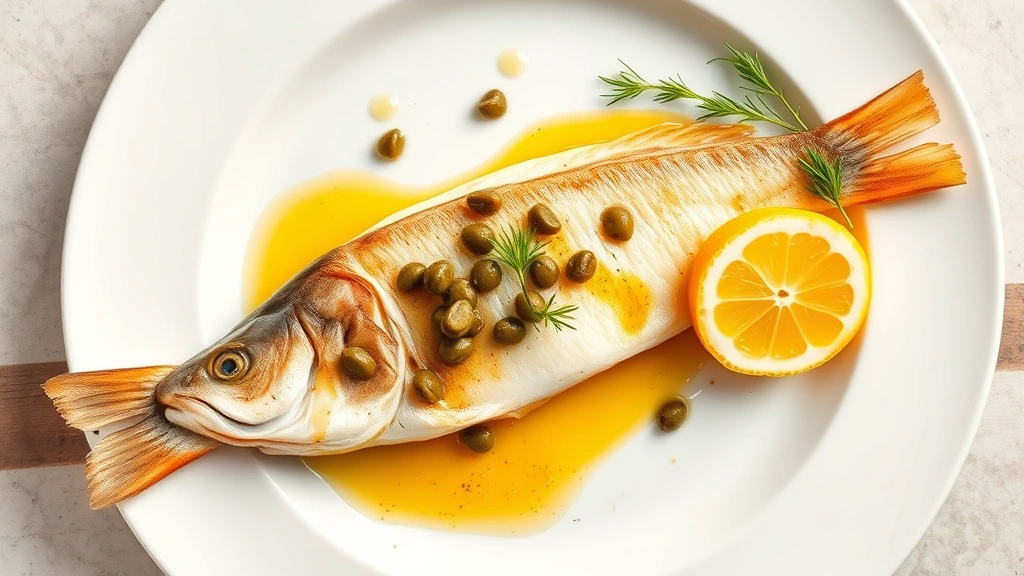
Plymouth’s geographical position as a bustling port city makes it an unparalleled destination for seafood enthusiasts. The restaurants in Plymouth town centre that specialise in maritime cuisine benefit from direct access to the day’s catch, ensuring that the Dover sole on your plate arrived mere hours before preparation. The briny minerality of freshly-shucked oysters, the delicate sweetness of hand-dived scallops, and the firm, flaky texture of locally-caught turbot define the sensory experience of dining here.
The most celebrated seafood establishments maintain relationships with specific fishing boats and suppliers, allowing chefs to build menus around what the ocean has provided rather than forcing seasonal ingredients into predetermined dishes. This approach demands both flexibility and profound technical knowledge—understanding how to treat a piece of fish with respect, whether that means a simple butter emulsion or a more complex velouté infused with shellfish bisque.
When evaluating seafood restaurants, locals prioritise establishments that display transparency about sourcing. The finest venues list supplier names, boat origins, and catch dates, demonstrating commitment to traceability and sustainability. The texture of perfectly-cooked fish—moist yet structured, never mushy—reveals whether the kitchen understands proper cooking temperatures and resting periods. Complementary elements matter equally: a celeriac puree cut with lemon juice provides textural contrast and bright acidity; brown butter develops deep, nutty notes that elevate simple white fish to sophistication.
Many top-tier seafood restaurants in the town centre offer carefully executed fish preparations that home cooks can study and attempt to replicate. The fundamentals—quality ingredients, precise timing, balanced seasoning—remain constant whether you’re dining in a Michelin-starred kitchen or your own home.
Fine Dining & Tasting Menus
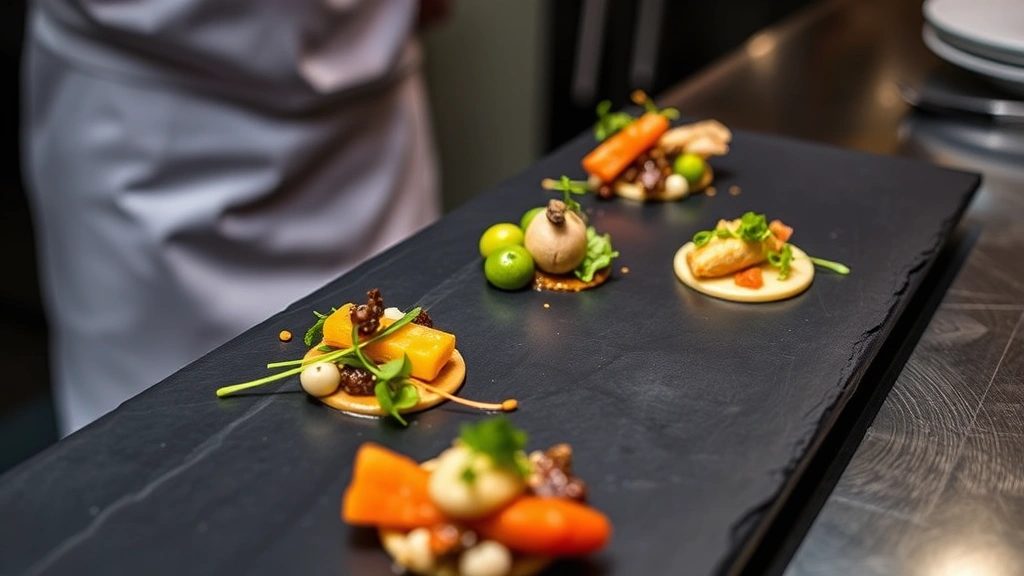
For occasions demanding culinary theatre and gastronomic precision, Plymouth’s fine dining establishments deliver experiences where every element has been meticulously considered. These restaurants typically feature multi-course tasting menus that showcase chef creativity while maintaining narrative coherence across each course. The progression matters profoundly—early courses should stimulate appetite through brightness and textural variety, middle courses build complexity and depth, while later courses transition toward elegant conclusion.
Fine dining in Plymouth emphasises the marriage of classical French technique with British ingredient quality and contemporary plating aesthetics. You’ll encounter dishes where traditional elements—perhaps a perfectly-executed béarnaise or a classical fish velouté—anchor experimental presentations and unexpected flavour combinations. The interplay between familiar and surprising, expected and novel, creates the intellectual and sensory engagement that distinguishes fine dining from mere expensive meals.
The finest establishments maintain seasonal menu rotations, sometimes changing weekly based on market availability and chef inspiration. This commitment requires extensive relationships with foragers, small producers, and specialist suppliers willing to provide ingredients in limited quantities. A course featuring spring lamb might highlight the meat’s delicate flavour through minimal intervention—perhaps a simple jus infused with wild herbs—while autumn menus celebrate root vegetables and game through more elaborate preparations.
Wine pairings at Plymouth’s leading restaurants demonstrate considerable expertise, often featuring selections from independent importers and boutique producers rather than exclusively famous names. A knowledgeable sommelier understands how a wine’s tannin structure, acidity, and aromatic profile interact with each course’s flavours and textures, creating harmony rather than competition.
Service in fine dining establishments follows specific protocols designed to remain invisible—staff should anticipate needs before they arise, explain dishes with genuine knowledge rather than rote recitation, and adjust pacing based on diners’ consumption speed. The finest restaurants treat service as an art form, where timing, attentiveness, and genuine hospitality elevate the entire experience.
Casual Excellence & Gastropubs
Not all exceptional dining requires formal dress codes or multi-hour commitments. Plymouth’s gastropub scene demonstrates that serious culinary attention and relaxed atmospheres need not be mutually exclusive. These establishments have elevated pub dining far beyond traditional fish and chips or steak and ale pies, though many still honour these classics while reimagining them through contemporary lenses.
The best gastropubs maintain the social, unpretentious character that makes pubs beloved while applying restaurant-quality technique to ingredient selection and preparation. You’ll find family-friendly restaurants that balance children’s needs with adult culinary ambition, creating genuinely inclusive dining spaces. The ambiance typically features exposed stone, warm lighting, and convivial noise levels—conversation-friendly rather than hushed, sophisticated without being stuffy.
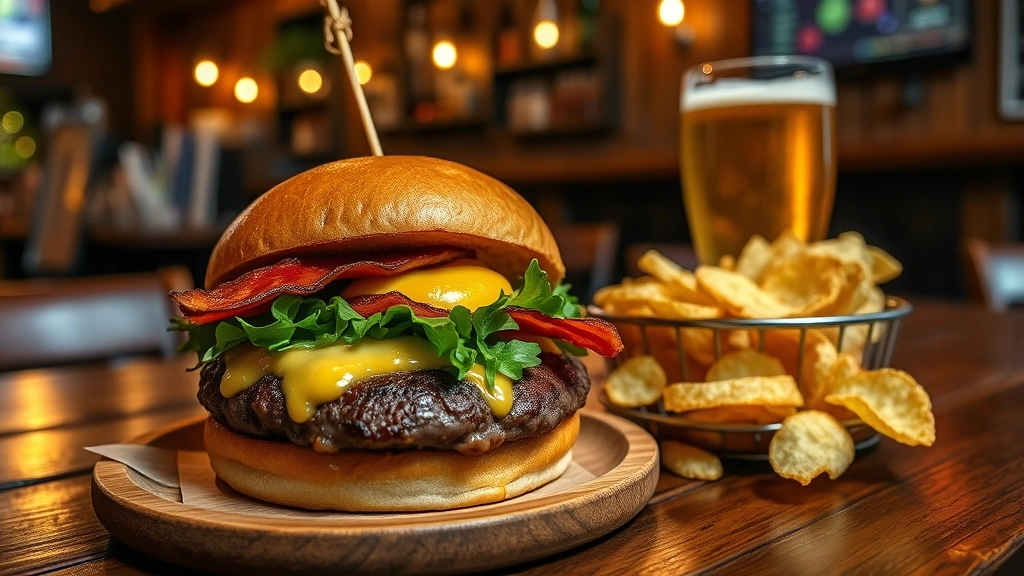
Menu construction in gastropubs reveals chef philosophy: a burger might feature dry-aged beef, house-made condiments, and carefully-sourced cheese, but it arrives without pretension or excessive plating. Slow-cooked pork belly maintains its essential character—the rendered fat, the yielding meat, the crispy skin—enhanced rather than obscured by supporting elements like apple puree or caramelised onions. These establishments understand that comfort food and culinary skill are not opposing forces but complementary ones.
Local beers and ciders feature prominently, often sourced from Devon and Cornish breweries and producers. A knowledgeable bartender can explain how a particular beer’s hop profile and bitterness complement rich foods, or how cider’s subtle sweetness and acidity provide refreshment alongside savoury dishes. The beverage program at top gastropubs receives attention equivalent to their food offerings.
International Flavours & Diverse Cuisines
Plymouth’s increasingly cosmopolitan population has created demand for authentic international cuisines, and the town centre now hosts restaurants representing Italian, Spanish, Thai, Indian, Japanese, and Mediterranean traditions. What distinguishes the finest examples is their commitment to genuine flavour profiles rather than anglicised approximations.
Authentic Italian restaurants near Plymouth demonstrate this principle through respect for regional Italian cooking traditions. A restaurant from Liguria will emphasise basil-based pesto and seafood preparations; one from Emilia-Romagna will feature fresh egg pasta and rich ragù traditions. Rather than offering generic ‘Italian’ menus, the best establishments showcase specific regional identities. Pasta sauces achieve complexity through long, slow cooking and careful layering of flavours—a proper Bolognese requires hours of gentle simmering where meat gradually breaks down, tomatoes reduce to concentrated sweetness, and aromatics infuse the sauce with depth.
Thai restaurants that source authentic ingredients—proper Thai fish sauce, genuine bird’s eye chilies, fresh Thai basil rather than the Italian variety—achieve heat profiles and aromatic qualities impossible to replicate with substitutions. The balance between spice, sour, sweet, and salty that defines Thai cuisine requires understanding each element’s role: fish sauce provides umami depth, lime juice cuts through richness with bright acidity, chilies deliver heat with fruity undertones, and palm sugar adds subtle caramel notes.
Indian restaurants demonstrating genuine expertise showcase regional diversity—Northern tandoori traditions differ fundamentally from Southern coconut-based curries, which diverge from coastal seafood preparations and vegetarian dal-based dishes of certain regions. The finest establishments grind their own spice blends fresh, toast whole spices before grinding to develop aromatic volatility, and understand how spice combinations create complexity rather than simple heat.
Japanese restaurants in Plymouth often feature sushi and sashimi prepared by trained chefs who understand rice temperature, vinegar ratios, and fish freshness as fundamental to quality. Beyond raw preparations, cooked dishes showcase precise knife skills and understanding of Japanese flavour principles: umami from dashi broths, the interplay of salty, sweet, and acidic elements, and minimalist plating that respects ingredient beauty.
Hidden Gems & Local Favourites
The most rewarding dining discoveries often come through local recommendation rather than guidebook prominence. Plymouth residents frequently recommend smaller establishments that prioritise quality over visibility, tucked into side streets or operating with minimal marketing presence. These venues often feature limited seating capacity, sometimes requiring advance booking weeks ahead, yet locals consider the effort worthwhile for the culinary experience delivered.
Hidden gem restaurants typically operate under chef-owner models where the person designing menus is physically present most service periods. This hands-on approach ensures consistency and allows chefs to respond immediately to quality issues or customer feedback. The atmosphere at these establishments often feels more intimate than larger venues—you might overhear the chef discussing a dish with diners, or notice the owner personally greeting regulars by name.
Many locals recommend exploring restaurants in restaurants open late near the town centre for after-theatre dining or late-night gatherings. These venues often feature different menus or energy than daytime service, with shorter, more focused offerings designed for quick, satisfying meals rather than elaborate multi-course experiences.
The most reliable method for discovering hidden gems involves engaging with local food communities—checking recent reviews from established food critics, following local food bloggers and restaurant accounts on social media, or simply asking restaurant staff for their personal recommendations. Staff at quality establishments typically have strong opinions about where they enjoy dining during their off-hours, information far more valuable than generic online ratings.
Practical Dining Tips for Plymouth Town Centre
Successful restaurant experiences involve planning and knowledge extending beyond simply arriving and ordering. Understanding reservation policies matters significantly—many top restaurants accept reservations exclusively, particularly for dinner service, while others maintain walk-in policies during specific hours. Calling ahead prevents disappointment and allows restaurants to prepare appropriately for your party size.
Seasonal timing influences menu availability and quality substantially. Spring brings asparagus, early greens, and lamb; summer emphasises light fish preparations and vegetable-forward dishes; autumn showcases game and root vegetables; winter features rich preparations, preserved elements, and warming spices. Dining seasonally ensures you experience menus when ingredients are at peak quality and chefs are most inspired.
Dietary requirements deserve advance communication. While restaurants increasingly accommodate vegetarian, vegan, and allergy-related needs, advance notice allows chefs to prepare thoughtfully rather than hastily modify existing dishes. The finest establishments view dietary requirements as interesting creative challenges rather than inconvenient restrictions.
Dress codes vary considerably. Fine dining establishments typically expect smart casual as minimum; some request jacket and tie. Gastropubs and casual venues welcome comfortable clothing. When uncertain, contacting the restaurant directly prevents awkward moments upon arrival.
Budget considerations should align with expectations. Fine dining experiences with wine pairings typically cost £80-150+ per person; casual establishments might range £15-30 per person; gastropubs typically fall between £20-45 per person. Understanding price ranges helps match venue selection to occasion and budget constraints.
Timing significantly affects experience quality. Early dinner service (around 5:30-6:30pm) often features shorter waits and relaxed pacing; peak hours (7-9pm) involve busier atmospheres and potentially rushed service; late seatings (9:30pm+) suit those seeking quieter, more intimate experiences. Lunch service typically offers different menus and more casual atmospheres than dinner.
Photography policies vary—some restaurants welcome it, others request it be minimised to preserve ambiance. Checking policies beforehand prevents awkward interactions. When photographing food, avoiding flash respects other diners’ experiences and typically produces better images anyway.
Tipping conventions in the UK differ from North American practices. Many restaurants include service charges automatically (typically 10-15%); others leave it optional. Checking your bill clarifies whether service has been included before calculating additional gratuity.
Building relationships with favourite restaurants pays dividends. Regular patrons often receive special treatment—better tables, advance notice of menu changes, or complimentary items. Restaurant staff remember preferences and dietary needs, creating personalised experiences impossible for first-time visitors.
FAQ
What’s the best time to visit restaurants in Plymouth town centre?
Lunch service (12-2pm) offers shorter waits and relaxed atmospheres; early dinner (5:30-6:30pm) balances availability with reasonable pacing; peak hours (7-9pm) feature busier environments; late seatings (9:30pm+) provide intimate, quieter experiences. Timing depends on your preference for atmosphere and pace.
How far in advance should I book?
Fine dining establishments often require 2-4 weeks advance booking, particularly for weekends. Gastropubs and casual restaurants typically accommodate 1-2 week bookings. Walk-in policies vary significantly—calling ahead confirms availability. Popular venues may require longer notice during peak seasons (summer, holidays).
Are there good vegetarian and vegan options in Plymouth?
Most quality restaurants accommodate vegetarian requirements readily; vegan accommodation has expanded considerably. Advance notice allows chefs to prepare thoughtfully rather than simply omitting ingredients. Several establishments specialise in vegetable-forward cooking that satisfies vegetarians and omnivores equally.
What seafood is locally caught around Plymouth?
Devon and Cornish waters yield exceptional Dover sole, turbot, brill, sea bass, scallops, oysters, crab, and lobster. Spring and autumn typically feature the best availability and quality. Asking servers about current catches provides insight into seasonal offerings and sourcing practices.
Do Plymouth restaurants offer tasting menus?
Yes, fine dining establishments typically feature multi-course tasting menus (often 5-8 courses) as their primary offering. These showcase chef creativity while ensuring consistent experiences. Many restaurants also offer shorter tasting menus (3-4 courses) for those preferring less elaborate experiences. Wine pairings enhance most tasting menus considerably.
What’s the dress code for dining in Plymouth town centre?
Fine dining venues typically require smart casual minimum; some request jacket and tie. Gastropubs and casual restaurants welcome comfortable clothing. When uncertain, contact the restaurant directly—staff can clarify expectations and prevent awkward situations.
Can I find restaurants open late in Plymouth?
Yes, several venues in the town centre accommodate late dining, with some accepting reservations until 9:30-10:00pm. Availability depends on day and season—weekends typically offer later service than weekdays. Calling ahead confirms current hours and availability.


