Top Scottsdale Bites: Local Foodie Reviews
Scottsdale’s culinary landscape pulses with sophistication and flavor-forward innovation that rivals any major metropolitan dining hub. From the sun-drenched patios of Old Town to the contemporary enclaves dotting the Scottsdale Quarter, this Arizona desert destination has cultivated a thriving food scene that attracts both celebrated chefs and discerning palates seeking authentic, memorable dining experiences. The city’s unique blend of Southwestern heritage, cosmopolitan influences, and farm-to-table sensibilities creates an exceptional environment where every meal becomes an exploration of taste, texture, and culinary artistry.
Whether you’re a seasoned food enthusiast searching for your next gastronomic adventure or a visitor eager to discover what locals truly consider the finest dining experiences, this comprehensive guide to restaurants in Scottsdale reveals the establishments that consistently deliver exceptional food, impeccable service, and atmospheres that enhance every bite. Each venue represents a distinct approach to hospitality and flavor creation, offering varied experiences across cuisines, price points, and dining styles that showcase why Scottsdale has become a recognized destination for serious food lovers.
Elevated Southwestern Cuisine: Where Desert Traditions Meet Modern Technique
Southwestern cuisine in Scottsdale transcends the stereotypical interpretations found in casual cantinas, instead presenting sophisticated reinterpretations of regional ingredients and cooking methods. The most compelling establishments honor the authentic flavors of the American Southwest while incorporating contemporary plating techniques and unexpected ingredient pairings that challenge and delight the adventurous palate.
The region’s premier Southwestern restaurants source extensively from local producers, understanding that Arizona’s agricultural heritage provides exceptional chiles, heirloom beans, prickly pear, and mesquite-smoked proteins that form the backbone of the cuisine. Chefs working within this category demonstrate profound respect for indigenous cooking traditions while introducing classical French techniques, molecular gastronomy elements, and artistic presentation that elevates the dining experience beyond comfort food into the realm of fine dining.
When exploring dining options that celebrate regional authenticity, you’ll discover that the finest Southwestern establishments feature ceviche preparations utilizing Arizona-caught fish, chile-based moles developed through multi-day cooking processes, and tortillas hand-pressed from heirloom corn varieties. The interplay between smoky, earthy, and bright acidic components creates a flavor profile that feels simultaneously grounded in tradition and refreshingly contemporary.
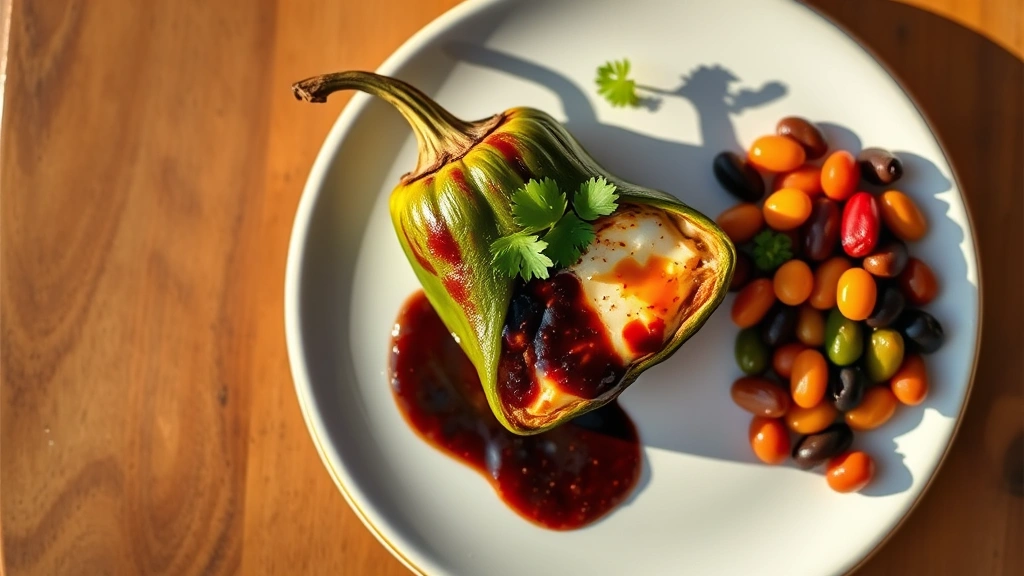
Signature dishes often feature roasted poblano peppers stuffed with cheese and topped with complex mole negro, grilled lamb with chimichurri made from desert herbs, and tamales constructed with slow-braised short ribs and corn husks that impart subtle vegetal notes. The textural contrast between crispy exterior elements and creamy, flavorful centers demonstrates the technical proficiency of kitchens dedicated to this culinary tradition.
Contemporary American Dining: Innovation on Every Plate
Scottsdale’s contemporary American restaurants represent the cutting edge of culinary creativity, where chefs experiment with flavor combinations, cooking techniques, and ingredient sourcing that push boundaries while maintaining accessibility and pleasure as primary objectives. These establishments typically feature seasonal menus that shift to capture the peak flavor profiles of available ingredients, demonstrating commitment to both quality and relevance.
The finest contemporary American dining venues in Scottsdale emphasize the quality of individual ingredients rather than complex preparations, allowing each component—a grass-fed beef steak, a perfectly seared scallop, a heirloom tomato—to express its inherent character. Chefs in this category often trained at prestigious culinary institutions or apprenticed under renowned figures, bringing technical mastery and philosophical approaches to ingredient selection that inform every decision.
Expect tasting menus featuring unexpected flavor combinations, such as beef with fermented black bean sauce and crispy shallots, or duck breast accompanied by cherry gastrique and bitter chicory. The presentation emphasizes artistry and intentionality, with each plate representing a complete thought about flavor balance, textural contrast, and visual harmony. Wine pairings become essential components of the experience, with knowledgeable sommeliers guiding selections that enhance rather than overpower the delicate preparations.
When seeking this caliber of dining, look for restaurants that change their menus quarterly or more frequently, maintain relationships with specific farmers and purveyors, and employ chefs with demonstrated commitment to continued learning. The atmosphere in these establishments typically balances elegance with approachability, creating environments where diners feel welcomed rather than intimidated by the sophistication of the food.

Mediterranean & European Influences: Old World Flavors in Arizona
Mediterranean and European cuisines represent a significant portion of Scottsdale’s fine dining landscape, with establishments drawing inspiration from Italy, Spain, France, and Greece while adapting preparations to reflect local ingredient availability and contemporary sensibilities. These restaurants often feature open kitchens where diners witness the technical precision required to execute classical dishes with modern refinement.
Italian restaurants in Scottsdale that merit serious attention focus on regional Italian cooking rather than Americanized interpretations, featuring handmade pastas shaped according to traditional regional specifications, risottos requiring constant attention and precise timing, and proteins prepared using techniques refined over centuries. The best examples source imported ingredients judiciously—San Marzano tomatoes, Parmigiano-Reggiano aged appropriately for intended use, burrata flown in at peak ripeness—while supporting local producers for vegetables, meats, and seafood.
When exploring options for exceptional pasta preparation, you’ll discover that exceptional Italian restaurants construct sauces through slow cooking processes that develop deep, complex flavors rather than quick preparations. A proper Bolognese requires hours of gentle simmering, allowing the meat to fully integrate with tomatoes and aromatics into a unified, harmonious whole. Similarly, seafood preparations emphasize the natural brininess and delicate texture of the protein, with minimal interference from heavy sauces or unnecessary embellishments.
Spanish restaurants bring Iberian traditions including pintxos, jamón ibérico, and paella prepared in traditional vessels over open flames, creating the characteristic socarrat—the prized crispy rice layer at the pan’s bottom. Greek establishments feature grilled octopus with judicious olive oil and lemon, fresh feta cheese preparations, and phyllo pastries that showcase the pastry chef’s technical proficiency.
Asian Fusion Excellence: East Meets Desert
Asian cuisine in Scottsdale encompasses traditional Japanese, Chinese, Thai, Vietnamese, and Korean preparations alongside creative fusion concepts that merge Asian flavor principles with Southwestern ingredients. The most accomplished Asian restaurants maintain respect for traditional cooking methods while exploring how these techniques adapt to local ingredient availability and contemporary dining preferences.
Japanese establishments offering sushi and sashimi maintain relationships with specialty fish purveyors, ensuring that nigiri features fish at optimal ripeness and texture. The finest venues employ itamae (sushi chefs) trained through years of apprenticeship, understanding the precise knife angles required for different fish species, the appropriate rice temperature and vinegar ratios, and the subtle techniques that separate pedestrian sushi from exceptional examples. Beyond raw preparations, cooked dishes—tempura, yakitori, ramen—demonstrate similar technical precision and ingredient quality consciousness.
Thai restaurants bringing authentic regional cooking offer complex flavor balancing between spicy, sour, sweet, and salty components, with chefs understanding how to layer these elements across multiple dishes to create a satisfying progression. Curry pastes prepared fresh rather than from commercial preparations provide brightness and depth that illuminate the palate. Tom yum broths develop their characteristic complexity through extended simmering of aromatics, creating a foundation that supports the final addition of herbs and proteins.
Vietnamese establishments feature the cuisine’s characteristic emphasis on fresh herbs, bright acidic elements, and grilled proteins, with pho broths simmered overnight to develop rich, umami-forward foundations. The interplay between cooked and raw elements—herbs added at the final moment, crispy components maintaining their textural integrity—demonstrates the philosophical approach that defines Vietnamese cooking.
Casual Gems Worth the Wait: Accessible Excellence
Not all exceptional dining in Scottsdale requires reservations weeks in advance or formal dress codes. Casual establishments delivering remarkable food at accessible price points represent some of the city’s most beloved destinations, where locals queue patiently for dishes that showcase technical skill and ingredient quality without pretension or unnecessary complexity.
These venues typically operate in smaller spaces with limited seating, creating the sense that each diner receives personalized attention and that the kitchen maintains consistent quality despite high volume. Menus often feature fewer items than fine dining establishments, allowing chefs to execute each preparation with precision and consistency. The casual atmosphere—communal seating, open kitchens, minimal decor—focuses attention entirely on the food’s excellence.
Barbecue establishments merit particular attention, with pitmasters maintaining specific wood selections, temperature management, and smoking times that produce meat with optimal bark development and smoke ring penetration. Brisket, ribs, and pulled pork achieve their character through multi-hour cooking processes that transform raw proteins into tender, flavorful preparations. Sides—coleslaw, beans, cornbread—complement rather than compete with the primary proteins.
Taco vendors and informal Mexican restaurants often deliver more authentic preparations than upscale establishments, with cooks understanding traditional techniques and ingredient combinations developed through family heritage rather than culinary school training. Carnitas prepared through slow braising in lard, al pastor meat layered on vertical spits and shaved to order, and chile-based moles represent the soul of Mexican cuisine.
When seeking casual dining with outdoor seating options, consider that informal establishments often feature patios or sidewalk seating that enhance the relaxed dining experience while providing scenic views of Scottsdale’s distinctive architecture and desert landscape.

Outdoor Dining Paradise: Alfresco Experiences
Scottsdale’s year-round pleasant weather makes outdoor dining a year-round possibility rather than seasonal luxury, with the finest establishments designing patios that provide shade, cooling systems, and ambient lighting that transforms the dining experience. The interplay between natural desert beauty and carefully curated culinary excellence creates memorable experiences that engage all senses simultaneously.
Restaurants featuring mountain views—particularly those with vistas toward Camelback Mountain or the McDowell Range—enhance the dining experience through visual components that complement the food’s sensory richness. Sunset dining becomes a complete experience when combined with exceptional cuisine, quality wine service, and attentive hospitality that anticipates needs without intrusiveness.
The finest outdoor venues maintain temperature control through misters during warm months, providing comfort without creating wet or uncomfortable conditions. Fire pits, outdoor bars, and lounge seating areas encourage lingering, transforming dinner into an extended social experience. Landscaping featuring native desert plants, water features, and strategic lighting creates intimate spaces within larger patios, allowing groups to feel connected to the broader energy while maintaining conversational privacy.
When planning outdoor dining experiences in Scottsdale, consider seasonal timing—winter and spring offer ideal conditions, while summer dining occurs most comfortably during evening hours when temperatures moderate. Many establishments offer prix fixe menus or special pricing during shoulder seasons, providing opportunities to experience exceptional venues at more accessible price points.
FAQ
What makes Scottsdale’s restaurant scene distinctive compared to other Arizona cities?
Scottsdale’s concentration of upscale establishments, chef-driven concepts, and diverse culinary traditions creates a dining landscape rivaling major metropolitan areas. The city’s affluent demographic, tourism infrastructure, and cultural emphasis on hospitality attract celebrated chefs and talented culinary professionals. Additionally, Scottsdale’s proximity to agricultural regions and year-round climate enable consistent access to high-quality ingredients and outdoor dining experiences unavailable in many locations.
How far in advance should I reserve at top Scottsdale restaurants?
Fine dining establishments typically require reservations 2-4 weeks in advance during peak season (October through April), though some maintain waitlists for cancellations. Contemporary American and Mediterranean restaurants often accommodate reservations 1-2 weeks ahead. Casual establishments may operate on first-come, first-served bases, though popular venues frequently develop waits during peak dining hours. Using reservation platforms and contacting restaurants directly often provides more flexibility than online booking systems.
Are there exceptional dining options beyond Old Town Scottsdale?
Yes, significant culinary excellence exists throughout Scottsdale, including the Scottsdale Quarter, North Scottsdale, and areas near Camelback Road. Many celebrated establishments operate outside the Old Town tourist corridor, often providing more relaxed atmospheres and easier access for locals. Exploring these neighborhoods often reveals hidden gems offering exceptional food at more reasonable price points than Old Town equivalents.
What seasonal ingredients should I expect in Scottsdale restaurants?
Winter through spring feature citrus at peak ripeness, including blood oranges, grapefruit, and specialized varieties. Spring brings asparagus, artichokes, and fresh herbs. Summer offers stone fruits, berries, and tomatoes, though many restaurants reduce activity during extreme heat. Fall features game preparations, squashes, and root vegetables. Arizona’s agricultural regions provide year-round access to chiles, with specific varieties reaching optimal ripeness at different times throughout the year.
How does Scottsdale’s dining culture balance fine dining with casual experiences?
Scottsdale maintains a sophisticated dining culture that simultaneously celebrates casual, informal venues where exceptional food takes priority over atmosphere. This balance reflects Arizona’s cultural heritage and the city’s evolution from casual resort destination to serious culinary center. Residents and visitors appreciate both formal tasting menus and street tacos, with the understanding that excellence in food preparation transcends price point or formality level.
What role does Southwestern cuisine play in Scottsdale’s broader dining landscape?
Southwestern cuisine provides cultural identity and historical grounding for Scottsdale’s restaurant scene, with many establishments incorporating regional ingredients and techniques even when focusing on different culinary traditions. The cuisine’s emphasis on quality ingredients, bold flavors, and respect for cultural heritage aligns with contemporary dining philosophies that prioritize ingredient sourcing and culinary authenticity.