Top Siena Restaurants? A Local’s Comprehensive Tasting Guide
Siena, the jewel of Tuscany, captivates visitors with its medieval charm, rolling vineyards, and most importantly, an exceptional culinary scene that rivals any Italian destination. Nestled in the heart of Tuscany, this UNESCO World Heritage city offers far more than just architectural splendor—it delivers an authentic gastronomic experience that honors centuries-old traditions while embracing contemporary refinement. Whether you’re seeking a new restaurant discovery or yearning for time-tested classics, Siena’s dining establishments showcase the region’s most coveted ingredients: wild boar, aged Pecorino Romano, hand-rolled pici pasta, and wines from nearby Chianti and Brunello di Montalcino vineyards.
As someone who has spent considerable time exploring Siena’s cobblestone streets and intimate piazzas, I’ve discovered that the best dining experiences transcend menus—they tell stories of terroir, family heritage, and the Sienese philosophy of savoring life. The restaurants I’m about to guide you through represent the pinnacle of regional authenticity, offering palate journeys that transport you directly to Tuscan farmhouses and Renaissance banquet halls. From rustic trattorias where nonnas still supervise the kitchen to refined establishments earning international acclaim, Siena delivers unforgettable flavors at every price point.
The Essence of Sienese Cuisine: Understanding Local Flavors
Sienese gastronomy represents the purest expression of Tuscan cooking, emphasizing simplicity, seasonality, and reverence for primary ingredients. Unlike the olive oil-forward Florentine tradition, Siena’s culinary identity centers on robust, earthy flavors—think wild mushrooms, black truffles, aged cheeses, and game meats that define the region’s character. The city’s medieval past directly influences dining philosophy; medieval Siena was a wealthy merchant republic, and this prosperity embedded itself into food culture through access to premium ingredients and sophisticated preparation techniques passed down through generations.
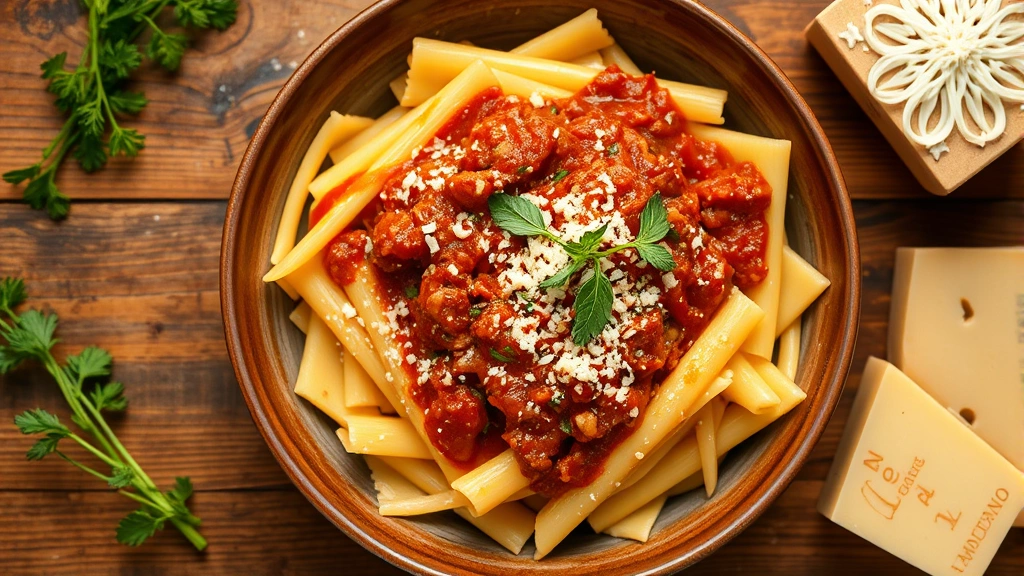
The foundation of every meal in Siena begins with pici pasta, the iconic hand-rolled noodle that looks deceptively simple yet requires masterful technique. Unlike mass-produced pasta, pici demands skilled hands to achieve the perfect thickness and texture that allows it to cradle rich sauces—particularly the legendary wild boar ragù that simmers for hours, infusing the meat’s deep, complex flavors into every strand. This isn’t merely comfort food; it’s a testament to Tuscan agricultural traditions and the hunters who supply game to restaurant kitchens throughout the region.
Beyond pasta, Sienese tables overflow with aged Pecorino Romano cheese, which tastes dramatically different here than commercial versions—creamy, crystalline, with a subtle sweetness that emerges when sourced directly from local producers. Bread holds equal importance; the famous Sienese bread without salt (pane toscano) appears at every table, its subtle flavor profile allowing it to accompany both savory dishes and sweet wines without overwhelming the palate. Understanding these foundational elements transforms your dining experience from mere consumption to cultural immersion.
Fine Dining Excellence: Michelin-Starred Establishments
Osteria Le Logge stands as Siena’s most acclaimed fine dining destination, earning consistent Michelin recognition for its sophisticated interpretation of regional cuisine. Chef Marco Stacconi orchestrates a tasting menu that reads like a love letter to Tuscan traditions—each course builds upon the last, creating narrative momentum through flavors. The signature dish, a deconstructed ribollita featuring crispy bread chips, creamy cannellini purée, and intensely flavored tomato essence, demonstrates how classical dishes can achieve new dimensions through modern technique. The wine list, curated with meticulous attention to Tuscan producers, includes rare vintages from small-batch vintners you won’t find in other fine dining destinations. Reservations are essential months in advance, and the intimate dining room—housed within a Renaissance palazzo—enhances the sense of privilege and exclusivity.
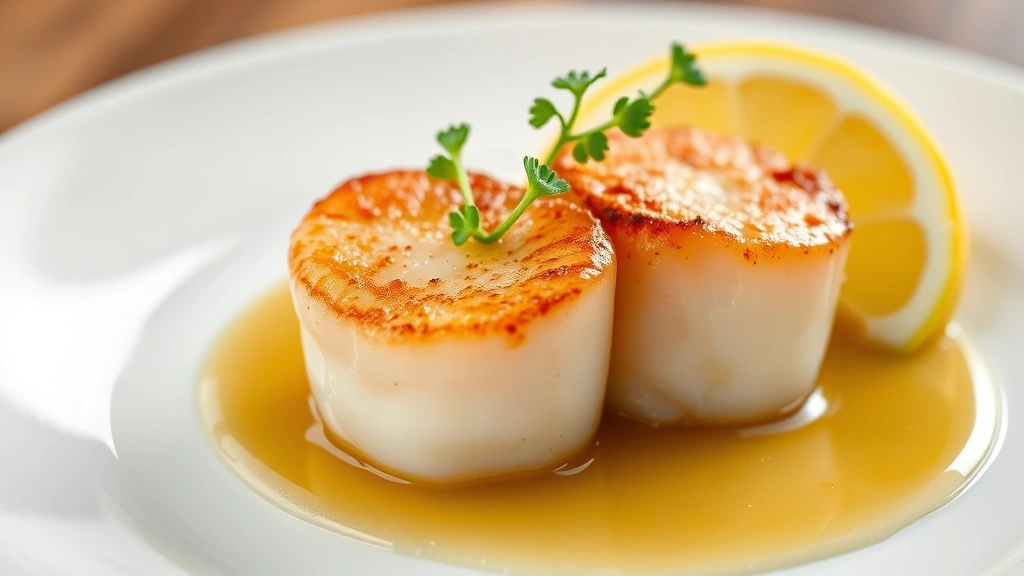
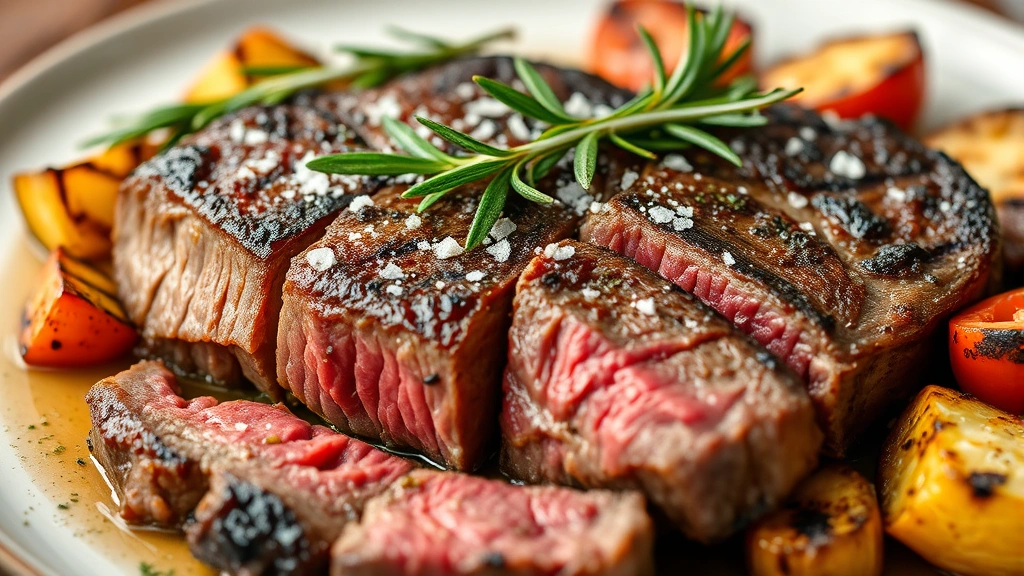
The palate progression at Le Logge typically opens with delicate preparations showcasing seasonal vegetables: perhaps a silken butternut squash soup with sage oil and crispy pancetta that exemplifies how restraint and precision create memorable moments. Mid-course offerings frequently feature fresh seafood from nearby coastal regions, prepared with Mediterranean lightness—raw scallops with citrus and fennel pollen, or langoustine with brown butter and truffles. The meat courses, inevitably featuring Tuscan beef or wild boar, arrive at peak temperature and tenderness, accompanied by sophisticated vegetable preparations and wine-friendly sauces that enhance rather than mask the proteins’ inherent qualities.
Ristorante Turiddu offers a compelling alternative for fine dining, with chef Tommaso Barbieri bringing Michelin-level technique to a more relaxed, convivial atmosphere. His menu emphasizes seasonal ingredients sourced from trusted local suppliers—relationships built over decades. The restaurant’s location near the Duomo provides stunning views, but the real spectacle occurs on the plate. Barbieri’s signature approach involves taking traditional Sienese preparations and refining them through French culinary methodology, creating dishes that feel both familiar and revelatory. A dish of hand-rolled pici with duck ragù demonstrates this philosophy perfectly: the pasta maintains its rustic character while the sauce achieves silky refinement through extended cooking and careful seasoning.
For fine dining seekers, these establishments represent the apex of Siena’s culinary ambitions. Both restaurants maintain relationships with Michelin Guide inspectors and consistently demonstrate the technical excellence and creative vision that distinguish true culinary excellence. Reservations should be made well in advance, and requesting the chef’s tasting menu ensures you experience each kitchen’s full creative scope.
Authentic Trattorias & Local Gems: Where Tradition Thrives
While fine dining establishments earn accolades, Siena’s soul resides in its trattorias—intimate spaces where recipes haven’t changed substantially in fifty years because they’ve achieved perfection. Trattoria Papei, located in the heart of the historic center, exemplifies this philosophy. Sitting at worn wooden tables surrounded by locals speaking rapid Italian, you’ll understand that this isn’t a restaurant designed for tourists—it’s a gathering place for Sienese families who’ve dined here for generations. The menu features no pretension: ribollita, pappardelle with wild boar, bistecca alla fiorentina, and classic preparations executed with such consistency that each visit tastes identical to the last. This isn’t monotony; it’s mastery. The ribollita here achieves a texture that’s simultaneously hearty and refined, with each vegetable maintaining distinct character while contributing to the soup’s overall harmony. The bread, dense and salty-free, soaks up the flavors magnificently.
The wine selection at traditional trattorias like Papei focuses on house wines from regional producers—affordable Chianti Classico that pairs beautifully with rustic preparations without requiring serious study. The service style emphasizes efficiency and warmth rather than formality; waitstaff move quickly, refill glasses generously, and demonstrate genuine interest in ensuring your satisfaction. These establishments rarely feature English menus, and this linguistic barrier paradoxically enhances authenticity—you’re dining where language remains Italian, where local customs govern the rhythm, where your presence as an outsider is acknowledged but never catered to excessively.
Osteria I Terzi occupies a similar space in the Sienese dining landscape, housed in a medieval building with exposed stone walls that whisper of centuries past. The kitchen here focuses exclusively on what’s available daily, which means the menu changes based on market conditions and seasonal availability. This philosophy requires trust between restaurant and diner—you’re not selecting from comprehensive options but rather accepting the chef’s interpretation of what’s best today. This approach yields remarkable results: a simple preparation of fresh porcini mushrooms with garlic and parsley tastes transcendent when the mushrooms arrived at market just hours before service. The handmade pasta, thick-cut and rustic, provides the perfect vehicle for seasonal sauces that showcase individual ingredients rather than masking them with excessive seasoning.
Compagnia dei Vinattieri represents a bridge between traditional trattoria and contemporary casual dining. The dining room features modern aesthetics while the menu maintains classical Sienese preparations. The pappardelle here showcases technique—the ribbon-like pasta achieves perfect al dente texture while the wild boar ragù demonstrates hours of patient cooking, with meat so tender it dissolves on the tongue. The wine program, more extensive than typical trattorias, includes selections from smaller Tuscan producers that pair intelligently with each dish. Service strikes a balance between attentive and unobtrusive, making this an excellent choice for diners seeking traditional food without the rustic atmosphere’s sometimes-overwhelming authenticity.
Wine-Focused Dining Experiences: Pairing Excellence
Siena’s proximity to world-renowned wine regions makes wine-focused dining a natural progression. Enoteca Italica, located within the historic Palazzo Pubblico, offers an exceptional wine-centered experience. The restaurant maintains an extraordinary collection of Tuscan wines, including rare vintages from Brunello di Montalcino, Vino Nobile di Montepulciano, and Chianti Classico producers. The menu, intentionally designed to complement wine selections rather than dominate them, features lighter preparations that allow wines to shine. A simple carpaccio of local beef, dressed with excellent olive oil and fleur de sel, provides the perfect canvas for a young, vibrant Chianti Classico. Aged Pecorino Romano with honey demonstrates why this pairing has endured for centuries—the cheese’s crystalline texture and subtle sweetness achieve perfect harmony with full-bodied red wines.
The sommelier staff at wine-focused establishments demonstrates genuine passion for their craft. Rather than recommending expensive bottles, they ask thoughtful questions about your preferences and guide you toward discoveries aligned with your palate. This approach often yields remarkable value; a €30 bottle from a small producer frequently outperforms €100 selections from famous names. The education component—learning why certain pairings work, understanding regional wine styles, appreciating the differences between similar-sounding designations—transforms dining into experiential learning.
Ristorante Al Mangia, named after the famous tower in Piazza del Campo, combines wine focus with elevated cuisine. The restaurant’s wine list emphasizes vertical tastings of specific producers, allowing you to experience how vintages express terroir variations. The kitchen adjusts preparations seasonally to align with wine availability, creating a symbiotic relationship between cellar and kitchen. A spring menu might feature lighter seafood preparations paired with crisp white wines, while autumn brings rich game dishes suited to structured reds.
Specialty Dining & Unique Concepts: Beyond Traditional Boundaries
Vegetarian and Vegan Options have emerged within Siena’s dining landscape, though the city’s traditional emphasis on meat and cheese means specialized vegan restaurant options remain limited. However, many trattorias accommodate plant-based diets with remarkable creativity. Ribollita naturally contains no meat and achieves complete nutritional balance through vegetable and legume combinations. Pasta with truffle, mushroom ragù, or simple tomato sauce provides satisfying meatless alternatives. The key involves communicating dietary preferences clearly when reserving, allowing kitchens to prepare thoughtful dishes rather than mere omissions.
Cookery schools and food experiences have proliferated in recent years, offering hands-on engagement with Tuscan cuisine. Several establishments offer culinary training programs where participants learn to prepare pici pasta, create traditional ragùs, and understand ingredient sourcing. These experiences, while not traditional restaurants, provide invaluable cultural education and often conclude with communal meals where you consume your own creations accompanied by local wines.
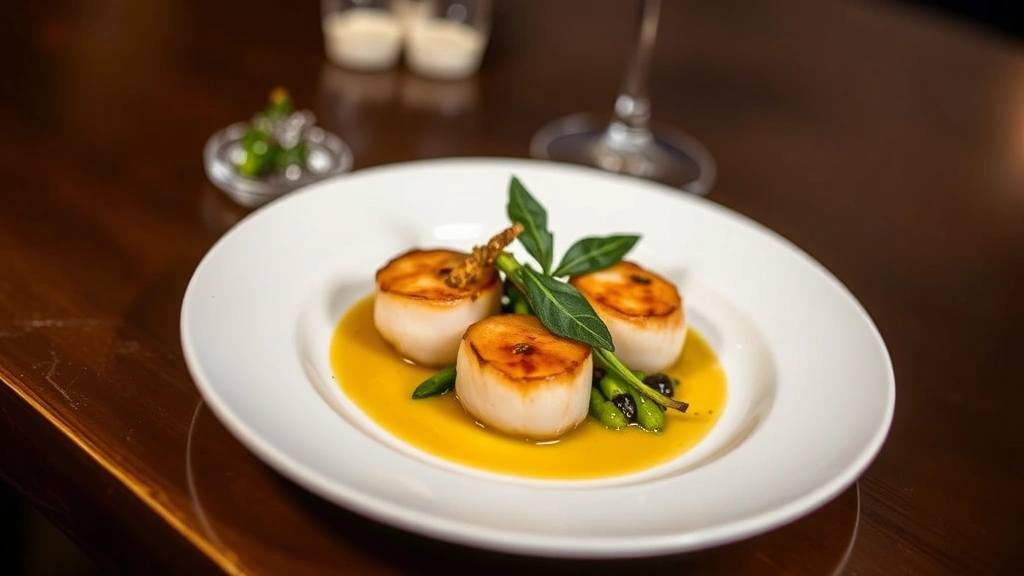
Market-to-Table Concepts represent an emerging trend in Siena’s dining scene. Several restaurants partner directly with local farmers, butchers, and foragers to create menus that shift daily based on ingredient availability. This approach echoes traditional trattoria philosophy but with contemporary transparency—menus explicitly note producer names and sourcing locations. A dish of grilled vegetables might list five specific farms, each contributing ingredients at peak ripeness. This transparency builds trust and creates conversation around food origins, transforming meals into explorations of regional agriculture.
Practical Dining Tips for Siena: Making the Most of Your Experience
Reservation Strategy: Siena’s most acclaimed restaurants require reservations weeks or months in advance, particularly during peak seasons (April-May, September-October). Book fine dining establishments before arriving in Tuscany. Trattorias typically accept walk-ins, though arriving early (12:30pm for lunch, 7:30pm for dinner) ensures seating during busy periods. Many restaurants close between lunch and dinner service, typically 3pm-7pm, so plan accordingly.
Timing and Dining Culture: Italians dine significantly later than Anglo-American traditions suggest—8pm represents normal dinner time, with service continuing until 10pm or later. Lunch typically occurs between 12:30pm-2pm. Meals progress slowly, with courses arriving sequentially rather than simultaneously. This pace allows for conversation, digestion, and genuine appreciation of each preparation. Rushing through courses contradicts local dining philosophy and prevents full sensory engagement.
Menu Navigation: Most restaurants divide menus into traditional categories: antipasti (appetizers), primi (first courses, typically pasta or risotto), secondi (main courses, usually meat or fish), contorni (vegetable sides), formaggi (cheese), and dolci (desserts). A complete meal progresses through multiple courses, though contemporary dining often involves selecting primo and secondo only. Bread and water appear automatically; wine and aperitivos are ordered separately. Don’t hesitate to ask servers for recommendations—they possess detailed knowledge of preparations and can guide you toward dishes matching your preferences.
Ingredient Awareness: Understanding seasonal availability enhances appreciation. Spring brings fresh vegetables, asparagus, and lighter preparations. Summer emphasizes tomatoes, zucchini, and seafood. Autumn introduces mushrooms, truffles, and game. Winter features hearty preparations with preserved vegetables and aged cheeses. Requesting seasonal recommendations demonstrates respect for local culinary philosophy and typically yields remarkable discoveries.
Pricing and Value: Fine dining establishments charge €80-150+ per person for tasting menus with wine pairings. Mid-range trattorias cost €30-60 per person including wine. Budget-conscious dining at casual spots runs €15-30. Lunch typically costs less than dinner at identical establishments. Water (acqua naturale) and bread charge separately at some restaurants; clarify pricing before ordering. Tipping represents less crucial custom than in Anglo-American contexts—rounding up or leaving 5-10% acknowledges exceptional service but isn’t obligatory.
Wine Ordering Strategy: Rather than selecting specific bottles, consider asking for wine recommendations paired to your meal. Sommeliers often suggest wines by the glass, allowing exploration without committing to full bottles. House wines, frequently sourced from small producers, offer remarkable quality-to-price ratios. Don’t assume expensive equals superior; a €20 wine from a small producer often outperforms €50 commercial selections.
FAQ
What’s the best time to visit Siena for dining experiences?
Spring (April-May) and fall (September-October) offer optimal conditions: pleasant weather, abundant seasonal ingredients, and fewer tourists than summer. Winter provides authentic local dining without crowds, though some restaurants reduce hours. Summer brings peak tourism and higher prices, though seasonal ingredients reach their apex. Consider visiting during off-peak periods for more authentic interactions and easier reservations.
How far in advance should I book fine dining restaurants?
Michelin-recognized establishments require 4-8 weeks advance reservation during peak seasons. Off-season visits might require only 2-3 weeks. Contact restaurants directly via phone or email rather than relying solely on online platforms; personal communication often yields better results and allows you to communicate dietary preferences clearly. Many restaurants maintain waiting lists if fully booked—expressing genuine interest sometimes yields cancellation availability.
Are there quality dining options for those seeking easy fish preparations?
While Siena emphasizes meat-based cuisine, several restaurants feature daily seafood specials sourced from coastal suppliers. Ristorante Turiddu and Osteria Le Logge maintain reliable seafood selections. Ask specifically about fresh fish preparations when reserving; kitchens can accommodate requests when given advance notice. Seafood typically costs more than meat preparations, reflecting transportation costs from distant sources.
What’s the difference between a ristorante, trattoria, and osteria?
Ristorante suggests formal fine dining with extensive menus, professional service, and higher prices. Trattoria implies casual, family-run establishments with traditional menus and moderate pricing. Osteria traditionally meant wine bars with simple food, though contemporary usage blurs these distinctions. Practically, these categories indicate atmosphere and pricing rather than food quality—exceptional meals emerge from establishments across all categories.
Can I find quality traditional Sienese pastries and desserts?
Yes; panforte (dense fruit and nut cake) and ricciarelli (almond cookies) represent iconic Sienese sweets available at bakeries throughout the city. Many restaurants feature homemade versions of these classics. For finest preparations, visit established pasticcerie (pastry shops) rather than relying on restaurant desserts. Siena’s sweet tradition emphasizes quality ingredients and traditional techniques over elaborate presentations.
What should I know about salad dressing preparation in Italian restaurants?
Italian salads typically feature simple olive oil and vinegar dressings applied minimally to preserve vegetable integrity. Request dressing on the side if you prefer controlling the amount. Many restaurants prepare salads tableside, demonstrating the preparation process. This simplicity reflects Italian culinary philosophy emphasizing ingredient quality over sauce complexity.
How does Siena’s dining scene compare to Florence and other Tuscan cities?
Siena maintains stronger traditional emphasis than Florence, which has embraced contemporary gastronomy more thoroughly. Smaller than Florence, Siena offers more intimate dining experiences with less tourist orientation. The surrounding countryside provides direct access to wine regions and agricultural producers. Each Tuscan city possesses distinct culinary character; Siena’s identity centers on rustic authenticity and wine culture, making it exceptional for those seeking traditional experiences over culinary innovation.