Best Restaurants in Venezia? Local Chef Picks
Venice, the floating city of Italy, transcends mere geography—it’s a culinary destination where centuries-old traditions meet innovative gastronomy. The waterways that define this UNESCO World Heritage site also define its dining culture, with fresh seafood arriving daily by boat and recipes passed down through generations of Venetian families. Whether you’re navigating the narrow calli or settling into a candlelit osteria, the restaurants in Venezia offer experiences that engage all your senses, from the briny kiss of Adriatic lagoon fish to the delicate crunch of crispy risotto cakes.
This guide reveals the local chef picks that capture the authentic soul of Venetian cuisine—establishments where passion for ingredients and respect for tradition create memorable meals. These aren’t tourist traps adorned with gondola photographs; they’re places where Venetian chefs wake before dawn to select the finest catch, where recipes honor centuries of maritime heritage, and where every plate tells a story of this remarkable city.
Traditional Osterie & Hidden Gems
The heart of Venetian dining beats strongest in its osterie—unpretentious wine bars and restaurants where locals gather for lunch and dinner. These establishments embody the essence of what makes dining in historic European cities so intoxicating. Osteria da Fiore, tucked away in the San Polo district, represents this category’s pinnacle. Chef Mara Martin’s kitchen produces dishes of remarkable restraint and purity: spider crab simply prepared, mantis shrimp kissed with lemon, and pasta dressed with nothing more than the essence of local ingredients. The dining room feels like stepping into a Venetian home—wooden beams, modest furnishings, and an atmosphere thick with authenticity.
Al Covo, another beacon of traditional Venetian cooking, sits near the Arsenal and operates with a philosophy of absolute ingredient respect. The husband-and-wife team of Cesare and Diane Benelli source exclusively from trusted producers, many within the lagoon itself. Their risotto di go (a local fish preparation) becomes transcendent through technique and patience—each grain of rice maintains its integrity while absorbing the delicate seafood essence. The wine list emphasizes Venetian and northern Italian producers, creating harmonious pairings that enhance rather than overpower the food’s subtle flavors.
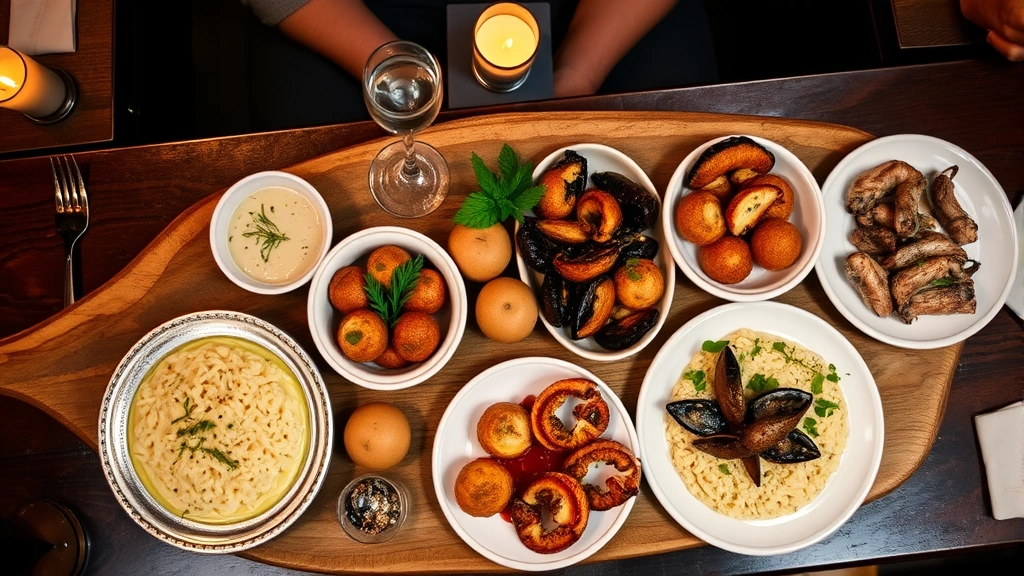
For those seeking family-friendly dining experiences with authentic character, Osteria Bancogiro offers views of the Grand Canal from its waterfront terrace without sacrificing culinary integrity. The cicchetti—Venetian small bites—range from creamed salt cod to crispy risotto fritters, each one a flavor study in balance and technique. These osterie represent the soul of restaurants in Venezia, where tradition isn’t a museum piece but a living, breathing practice.
Fine Dining Palaces
Venice’s fine dining establishments occupy historic palaces, their dining rooms adorned with frescoes and chandeliers that reflect candlelight across centuries-old walls. Quadri, located in Piazza San Marco itself, offers haute cuisine that respects Venetian foundations while pushing creative boundaries. Chef Massimo Sola constructs dishes with architectural precision—each element placed with intention, each flavor note considered within the broader composition. A deconstructed risotto might arrive as a foam, a crispy element, and a silken center, the flavors unmistakably Venetian yet presented through a modernist lens.
Harry’s Bar, while famous globally, maintains its relevance through consistency and historical significance. The Bellini cocktail—Prosecco and white peach—originated here, and the kitchen honors its legacy with impeccable Italian ingredients and classical techniques. The carpaccio di vitello (thinly sliced raw veal) dressed with olive oil and lemon demonstrates how simplicity, when executed with precision, transcends into luxury. The dining experience here carries the weight of Venice’s 20th-century cultural history, from Ernest Hemingway to contemporary celebrities.
These palaces offer what fine dining experiences in major cities should provide: impeccable service, refined surroundings, and cuisine that challenges and delights the palate simultaneously. The ambiance itself becomes part of the tasting experience, the golden light from Murano glass fixtures creating an almost dreamlike atmosphere that enhances each course.
Seafood Specialists
Venice’s relationship with the sea defines its culinary identity, and certain restaurants have elevated seafood preparation to art forms. Antiche Carampane, despite its tourist location near the Rialto Bridge, maintains unwavering commitment to pristine seafood cookery. The daily catch dictates the menu—if the lagoon yields exceptional cuttlefish, it appears simply grilled with olive oil and herbs; if mantis shrimp are particularly sweet that morning, they’re served raw as carpaccio. This flexibility, driven by ingredient quality rather than kitchen ego, represents authentic Venetian dining philosophy.
Venissa, located on the island of Mazzorbo, approaches seafood with both reverence and innovation. The restaurant operates within a historic Venetian garden, and the kitchen sources from the surrounding lagoon and nearby farms. The tasting menu—typically featuring six to eight courses—showcases the seasonal availability of lagoon ingredients: baby cuttlefish, soft-shell crabs, and delicate white fish that taste of salt spray and seaweed. Pairings include natural wines from small producers, many Venetian, creating a sense of place that extends beyond the plate.
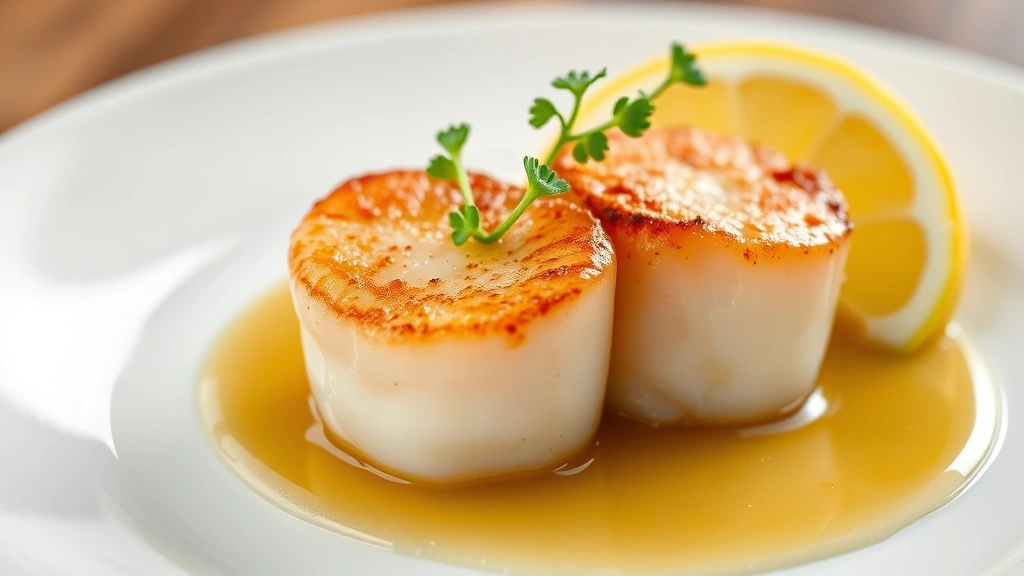
For romantic dining experiences, seafood-focused establishments offer unparalleled sensory intimacy. The briny minerality of raw oysters, the sweet meat of lagoon scallops, the umami depth of aged bottarga (fish roe)—these flavors create conversation starters and moments of shared culinary discovery. The restaurants in Venezia that specialize in seafood often feature intimate seating and candlelit corners perfect for special occasions.
Venetian Classics & Time-Honored Recipes
Certain dishes define Venetian cuisine so completely that understanding them means understanding the city itself. Risotto al nero di seppia (black risotto with cuttlefish ink) appears on menus throughout Venice, yet its execution varies dramatically. The finest versions balance the ink’s deep, briny intensity with the sweetness of the cuttlefish itself, creating a flavor profile that’s simultaneously dark and delicate. The rice should maintain a slight firmness at the center while being creamy throughout—a technical achievement requiring precise timing and constant attention.
Risi e bisi (rice and peas) represents Venetian home cooking at its most elemental. Spring peas, tender and sweet, combine with rice and a light broth enriched with butter and Parmesan, creating a dish that tastes of the season itself. When prepared by chefs who understand its importance, this humble preparation becomes profound—a meditation on ingredient quality and proper technique rather than complexity or novelty.
Fegato alla veneziana (Venetian-style liver) might seem intimidating to unfamiliar palates, yet it demonstrates how proper cooking transforms potentially challenging ingredients. Calf’s liver, sliced thin and cooked briefly with onions until they’re nearly caramelized, becomes tender and slightly sweet. The onions provide umami depth and subtle sweetness that balances the liver’s natural richness. This dish appears in both casual osterie and fine dining establishments, a true bridge between traditional and contemporary Venetian cooking.
Spaghetti alle vongole veraci (spaghetti with Manila clams) showcases the Venetian approach to simplicity. Fresh clams, typically small and tender, release their briny liquid into pasta water and olive oil, creating a sauce that tastes entirely of the sea. Garlic and white wine provide subtle support, but the clams themselves remain the focus—their sweet, mineral flavor the dish’s essential character. This is the type of preparation that defines exceptional restaurant experiences, where ingredient quality and respect create dishes that linger in memory long after dining concludes.
Strategic Dining Districts
Venice’s geography demands strategic planning when seeking restaurants in Venezia. The San Polo district, home to the Rialto Market, naturally clusters excellent dining establishments. This area’s proximity to daily fish deliveries means restaurants here maintain unmatched ingredient freshness. Morning markets reveal the day’s possibilities—if sea urchins arrived in exceptional condition, expect them on evening menus prepared minimally to highlight their delicate, briny character.
Cannaregio, the largest of Venice’s six districts, offers diverse dining options from casual cicchetti bars to refined restaurants. This area remains less tourist-saturated than San Marco, allowing for more authentic local experiences. The Fondamenta della Misericordia features several excellent establishments where Venetian families dine alongside discerning visitors, creating an atmosphere of genuine culinary community.
Dorsoduro, home to major art museums and the university, maintains a younger, more bohemian character reflected in its dining scene. Restaurants here often balance tradition with contemporary approaches, appealing to both locals and culturally engaged visitors. For special occasion dining, this district offers excellent options with less formality than fine dining palaces but more refinement than casual osterie.
The Giudecca island, separated from Venice proper by a wide canal, offers a quieter dining experience. Several notable restaurants here feature waterfront seating with views back toward the city, creating romantic ambiance. The slight distance from central Venice means these establishments often feel more like neighborhood restaurants despite their culinary sophistication, offering a different pace and perspective on Venetian cuisine.
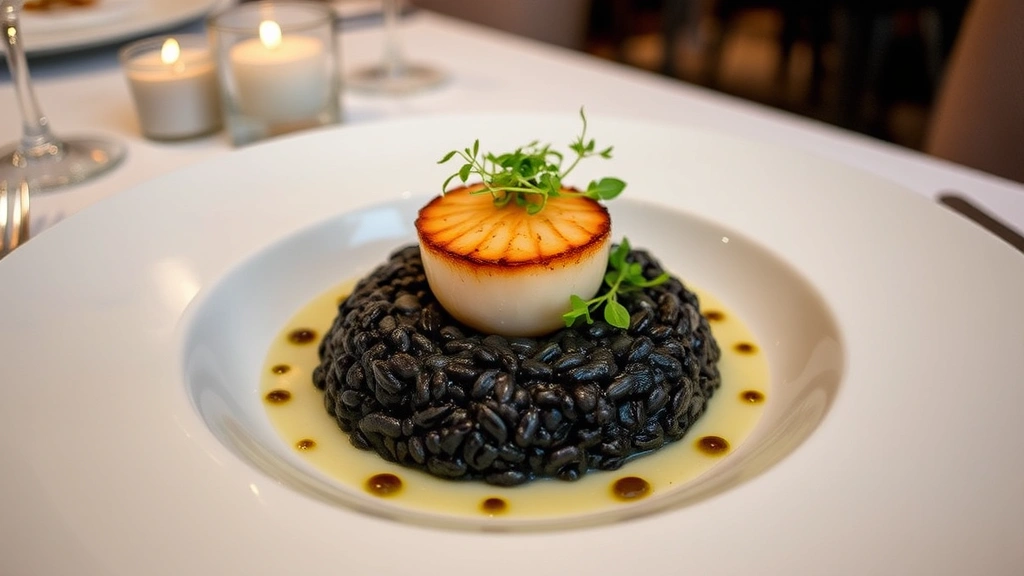
” alt=”Venetian risotto with black cuttlefish ink and fresh seafood garnish on white plate”/>
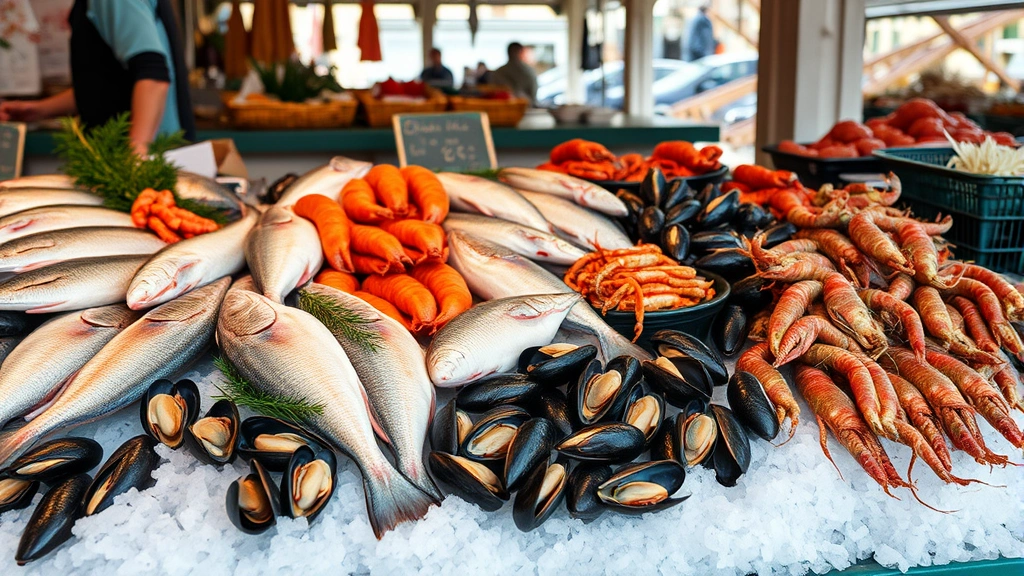
What separates exceptional restaurants in Venezia from ordinary establishments is their approach to ingredient sourcing. The city’s lagoon provides ingredients unavailable elsewhere—soft-shell crabs that molt only during specific seasons, tiny shrimp that taste of pure brine, and fish species unique to these waters. Local chefs maintain relationships with fishermen, often visiting the Rialto Market before dawn to select that day’s ingredients personally. Restaurants serious about their craft source directly from lagoon fishermen rather than wholesale markets. This practice ensures peak freshness and allows chefs to plan menus around what the lagoon provides rather than forcing ingredients into predetermined recipes. A chef might decide to feature mantis shrimp simply grilled because that morning’s catch was exceptional, or prepare cuttlefish in a traditional ink sauce because the specimens were particularly flavorful. Vegetable sourcing follows similar principles, with many restaurants featuring produce from nearby farms in the Veneto region. Spring brings tender asparagus and fresh peas; summer offers tomatoes and zucchini; fall provides mushrooms and root vegetables; winter features hearty greens and preserved vegetables. This seasonal rotation ensures menus reflect what the land and sea provide naturally, creating cuisine that tastes of specific moments in time rather than year-round sameness. Venice’s wine culture extends beyond the city itself to the Veneto region’s renowned producers. Prosecco, the region’s sparkling wine, pairs beautifully with seafood dishes, its slight sweetness and refreshing acidity cutting through rich preparations while complementing delicate flavors. Pinot Grigio, another Venetian staple, offers minerality and subtle fruit that enhance rather than compete with seafood’s subtle flavors. Serious restaurants in Venezia feature wine lists emphasizing regional producers, often including small, family-operated wineries that produce limited quantities. These wines carry the character of their terroir—the soil, climate, and traditions that shaped them. A sommelier’s recommendations should guide you toward pairings that enhance your meal’s specific dishes rather than offering generic suggestions. Natural wines, increasingly popular in Venice’s contemporary dining scene, offer exciting alternatives to conventional selections. These wines, produced with minimal intervention and no added sulfites, showcase grape character and vintage variation. Pairing them with Venetian cuisine creates interesting flavor conversations, the wines’ unpredictability mirroring the sea’s own mercurial nature.The Art of Ingredient Sourcing
Wine Pairing & Venetian Viticulture
” alt=”Fresh Adriatic seafood display including whole fish, crustaceans, and mollusks on crushed ice at market”/>
Understanding Venetian dining customs enhances your restaurant experience. Lunch typically occurs between 12:30 and 14:00, with dinner service beginning around 19:30. Unlike some cultures, arriving exactly at reservation time is expected—Venetian restaurants operate on tight schedules with multiple seatings. Dress codes vary by establishment. Fine dining restaurants expect smart casual at minimum, with jackets recommended for men. Osterie and casual establishments welcome comfortable clothing, though beachwear should be reserved for actual beach visits. Venice’s elegance extends to dining culture; even casual restaurants appreciate when guests present themselves respectfully. Tipping isn’t obligatory as service charges are typically included, though leaving 5-10% for exceptional service is appreciated. Rather than signaling servers by snapping fingers or raising your hand dramatically, making eye contact and nodding subtly is the Venetian approach—restaurants here maintain refined atmospheres where loud gesturing seems jarring. Menu navigation requires understanding Italian culinary terminology. Antipasti (appetizers) precede primi (first courses, typically pasta or risotto), followed by secondi (main courses, usually protein-based), then contorni (vegetable sides). Courses arrive sequentially, allowing palate recovery between each. This structure, which might seem lengthy to those accustomed to single-plate dining, actually represents optimal flavor appreciation—each course builds on previous ones while maintaining distinct identity. Venice’s restaurant scene transforms seasonally, influenced by ingredient availability and tourist patterns. Spring (April-May) offers optimal conditions: moderate temperatures, manageable crowds, and exceptional ingredients. Fresh peas, tender asparagus, and newly caught fish create menus of remarkable vitality. Restaurants in Venezia during spring showcase seasonal pride in their cooking. Summer brings peak tourism and heat, making early dinner reservations (19:00-19:30) preferable to avoid crowds and enjoy cooler evening temperatures. August sees many Venetian families vacation elsewhere, creating restaurant closures and reduced authenticity as establishments cater to tourist preferences. September offers excellent conditions as summer crowds diminish and fall ingredients begin appearing. Autumn (September-November) provides arguably the finest dining season—moderate weather, manageable crowds, and exceptional ingredients including mushrooms, game, and seafood at peak freshness. Winter (December-February) brings fewer tourists and special menus featuring preserved vegetables, hearty risottos, and rich meat preparations. Holiday seasons create festive atmospheres, though restaurants fill quickly with advance reservations essential. Spring (April-May) and fall (September-November) offer ideal conditions with manageable crowds, pleasant weather, and exceptional seasonal ingredients. Summer brings peak tourism and heat, while winter offers fewer crowds but limited daylight hours for sightseeing. Yes, especially for dinner service at established restaurants. Many Venetian restaurants accept only reserved guests during peak seasons. Lunch reservations are less critical but still recommended for popular establishments. Walk-ins may find tables at casual osterie during off-peak hours. Venice’s seafood-focused cuisine can challenge vegetarians, though most restaurants accommodate dietary preferences with advance notice. Risotto dishes (particularly risotto ai funghi porcini—porcini mushroom risotto) and vegetable-based pasta preparations appear regularly. Fine dining establishments particularly excel at creating vegetarian tasting menus. Casual osterie and cicchetti bars range from €15-35 per person. Mid-range restaurants typically cost €40-75 per person, while fine dining establishments charge €100-200+ per person for tasting menus with wine pairings. Venice’s location and tourism premium means prices exceed mainland Italian cities by 30-50%. Cicchetti are small Venetian bites—typically consumed standing at bar counters with wine. These include creamed salt cod, grilled octopus, crispy risotto cakes, and seafood preparations. Cicchetti bars cluster near the Rialto Bridge and throughout San Polo district, offering authentic, affordable dining experiences where you can sample multiple preparations. Yes, Venice’s tap water meets EU safety standards. However, tap water tastes distinctly mineral-heavy due to the city’s lagoon location. Most diners prefer bottled water, available as still (naturale) or sparkling (frizzante), typically costing €2-4 per bottle.Venetian Dining Etiquette & Customs
Seasonal Considerations for Optimal Dining
FAQ
What’s the best time to visit restaurants in Venezia?
Should I make reservations in advance?
Are there vegetarian options in Venetian restaurants?
How much should I budget for dining in Venezia?
What are cicchetti and where can I find them?
Is tap water safe to drink in Venetian restaurants?