Thanksgiving Dining? Top Restaurants Open 2024
Thanksgiving morning arrives with its familiar weight of expectation—the promise of golden-brown turkey, silky gravy, and the comforting embrace of culinary tradition. Yet for countless diners, the holiday presents a delicious alternative: stepping away from the kitchen and into a restaurant where expert chefs transform the classic American feast into something transcendent. Whether you’re seeking refuge from cooking duties, craving innovative takes on traditional flavors, or simply wanting to experience Thanksgiving through a professional culinary lens, 2024 offers an exceptional array of establishments ready to welcome you to their tables.
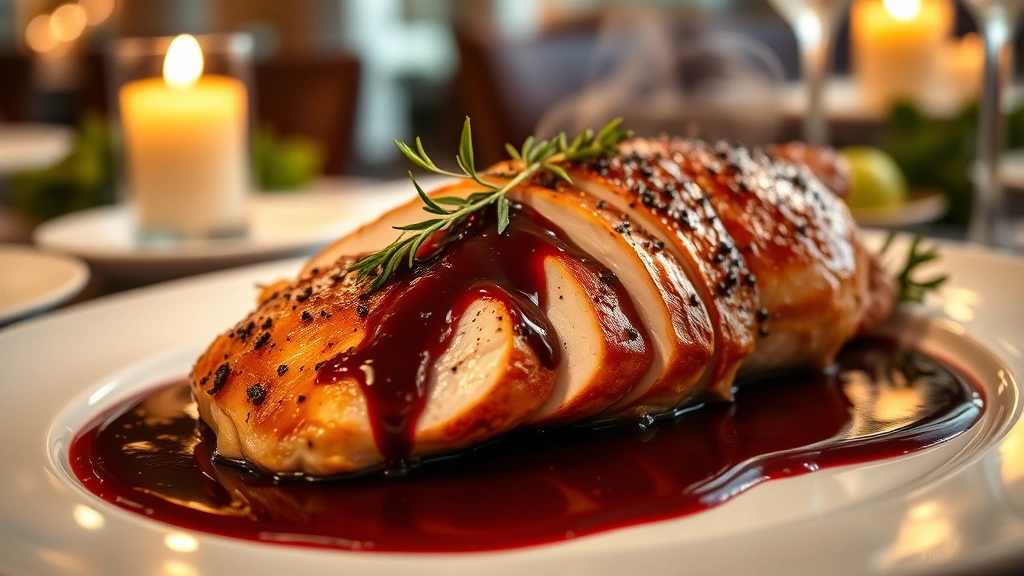
The restaurant landscape has evolved dramatically in recent years, with establishments recognizing that Thanksgiving dining extends far beyond the home kitchen. From intimate bistros to grand fine-dining establishments, top restaurants are curating special menus that honor the holiday’s essence while showcasing their unique culinary philosophies. The experience of tasting a perfectly executed herb-brined turkey breast, paired with creative sides that reinterpret traditional favorites, represents a sophisticated approach to holiday dining that appeals to both seasoned food enthusiasts and families seeking a memorable celebration.
This comprehensive guide explores the finest restaurants open for Thanksgiving 2024, examining their menus, philosophies, and what makes each establishment worthy of your holiday reservation. We’ll navigate the diverse options available across the country, from classical French bistros to contemporary American fine dining, ensuring you find the perfect venue for your Thanksgiving experience.
Fine Dining Excellence: Premium Thanksgiving Experiences
The pinnacle of Thanksgiving restaurant dining exists within establishments where culinary artistry reaches its zenith. These temples of gastronomy approach the holiday with the reverence it deserves, crafting multi-course tasting menus that deconstruct and reimagine every element of the traditional American feast. When you sit at the table of a Michelin-starred restaurant on Thanksgiving, you’re not simply eating dinner—you’re experiencing the culmination of months of menu planning, ingredient sourcing, and technique refinement.
Fine dining establishments typically offer prix-fixe menus specifically designed for Thanksgiving, ranging from five to eight courses. The journey often begins with an amuse-bouche that whispers autumn flavors—perhaps a silken butternut squash foam with sage-infused brown butter, or a delicate tartlet filled with wild mushroom duxelles and truffle oil. Each preliminary course serves as a palate-awakening prelude to the main event. The turkey course itself becomes a meditation on poultry perfection: supremely moist breast meat accompanied by a silky morel mushroom sauce, perhaps with a side of chestnut puree that evokes the earthy richness of traditional Thanksgiving flavors.
What distinguishes these establishments from home cooking is their access to exceptional ingredients and their mastery of technique. The turkey itself may be sourced from heritage breed producers, birds raised with meticulous attention to diet and living conditions that result in superior flavor and texture. The brining process might incorporate aromatics like juniper berries, star anise, and thyme, creating a complexity that elevates the poultry beyond ordinary standards. Sauces are developed through patient reduction of stocks enriched with wine, cognac, and carefully balanced aromatics.
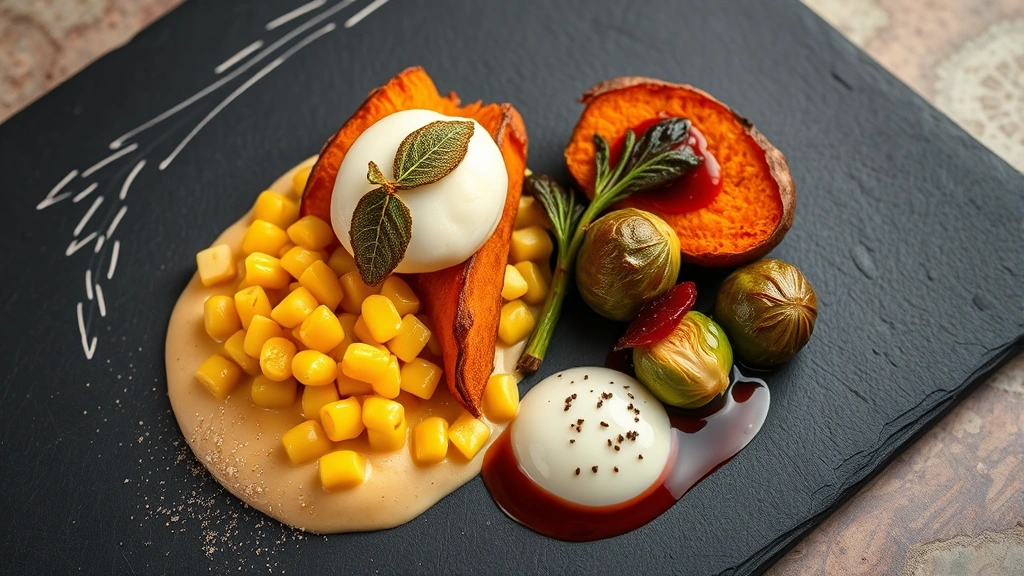
The sides at fine dining establishments transform humble vegetables into showpieces of culinary skill. Creamed corn might be prepared with corn silk-infused cream and finished with brown butter and crispy sage leaves. Sweet potato receives treatment as sophisticated as any vegetable in a classical French kitchen—perhaps roasted until caramelized, then combined with a delicate foam infused with cardamom and cinnamon. Cranberry components transcend the canned standard entirely, becoming palate-cleansing sorbets, sophisticated gastrique sauces, or jewel-like compotes studded with pomegranate seeds and fresh herbs.
Dessert at fine dining venues represents the crescendo of the evening. Rather than traditional pie, expect a composed plate featuring multiple textural and flavor elements: perhaps a pumpkin mousse with a brown butter cake base, accompanied by a spiced caramel sauce, candied pumpkin seeds, and a quenelle of vanilla bean crème fraîche. The pastry chef’s creativity knows few bounds, and the final course should leave an indelible impression of elegance and innovation.
When selecting a good restaurant near you for dinner on Thanksgiving, fine dining establishments often provide the most comprehensive experience, with sommeliers on hand to suggest wine pairings that enhance each course. The service itself becomes part of the experience—knowledgeable servers who understand flavor profiles and can discuss the provenance of ingredients elevate the meal beyond mere sustenance into genuine entertainment.
Contemporary American Restaurants with Holiday Innovation
The contemporary American restaurant movement has fundamentally transformed how we approach holiday dining. These establishments celebrate American culinary traditions while embracing innovation, local sourcing, and seasonal ingredient availability. For Thanksgiving 2024, many contemporary American restaurants are crafting menus that honor the holiday’s heritage while showcasing regional specialties and modern cooking techniques.
The beauty of contemporary American restaurants lies in their flexibility and regional identity. A restaurant in the Pacific Northwest might incorporate fresh cranberries from local bogs, pairing them with smoked salmon and brown butter. A Charleston establishment might feature Low Country ingredients—perhaps incorporating shrimp into a traditional stuffing or serving turkey with she-crab soup as an opening course. These restaurants understand that Thanksgiving, while nationally celebrated, carries distinct regional flavors and preferences.
Many contemporary American establishments adopt a family-style service approach for Thanksgiving, presenting platters of food that encourage sharing and communal dining. This approach perfectly captures the spirit of the holiday while allowing diners to experience multiple dishes. You might find yourself passing around herb-roasted turkey alongside braised short ribs, wild mushroom risotto, and seasonal vegetable preparations. This format encourages conversation and creates a festive, relaxed atmosphere that contrasts beautifully with the formality of fine dining.
The cocktail programs at contemporary American restaurants deserve special attention during Thanksgiving. Bartenders craft seasonal libations that complement the meal’s flavors—perhaps an apple brandy cocktail with cinnamon and fresh thyme, or a cranberry-infused bourbon drink with a touch of orange bitters. These beverages serve as palate primers, awakening the taste buds and preparing them for the complex flavors to follow.
What makes contemporary American restaurants particularly appealing for Thanksgiving is their commitment to ingredient transparency. Many publish detailed information about their ingredient sources, allowing diners to understand exactly where their turkey originated, which farm grew their vegetables, and how their butter was produced. This farm-to-table philosophy aligns perfectly with Thanksgiving’s agricultural roots and creates a deeper connection between diner and food.
Consider exploring Italian restaurants near you as well, as many contemporary establishments incorporate Italian techniques and ingredients into their Thanksgiving menus, creating fascinating cross-cultural celebrations that blend traditions.
Intimate Bistros and Casual Elegance
For those seeking a more relaxed yet still refined Thanksgiving experience, intimate bistros and casual-elegant establishments offer the perfect middle ground. These restaurants typically feature smaller dining rooms, more personalized service, and menus that feel both approachable and skillfully executed. The atmosphere encourages lingering over wine and conversation without the formality that sometimes accompanies fine dining.
Bistro-style Thanksgiving menus often feature classic preparations executed with modern precision. A bistro might offer traditional French preparations alongside American holiday staples—perhaps beef bourguignon alongside herb-roasted turkey, or duck confit served with cranberry gastrique. This culinary dialogue between traditions creates interesting flavor combinations and appeals to adventurous palates seeking something beyond the standard holiday meal.
The intimacy of bistro dining means that staff genuinely engage with diners. Your server becomes a knowledgeable guide through the menu, offering suggestions based on your preferences and dietary considerations. This personal touch transforms the meal from a transaction into an experience. Chefs sometimes emerge from the kitchen to discuss their preparations, sharing insights about ingredient selection and cooking techniques that add depth to your appreciation of the food.
Casual-elegant restaurants often feature open kitchens, allowing diners to witness the choreography of professional cooking. Watching skilled cooks work in perfect synchronization—plating dishes with precision, adjusting seasoning, ensuring every element arrives at your table simultaneously—adds theater to the dining experience. The aroma of roasting turkey, sautéed mushrooms, and caramelizing vegetables becomes part of the ambiance, triggering anticipation and appetite.
These establishments frequently offer more flexible menu options than fine dining venues. While prix-fixe menus exist, many bistros also offer à la carte selections, allowing you to customize your Thanksgiving experience. Perhaps you want to skip the turkey entirely and focus on exceptional sides, or maybe you’d prefer to order multiple appetizers rather than follow the traditional progression. This flexibility appeals to families with diverse preferences and dietary needs.
For those with specific dietary requirements, these restaurants often prove more accommodating. Whether you’re seeking gluten-free restaurants near you or establishments offering vegan Thanksgiving options, many bistros pride themselves on creative adaptations that don’t compromise on flavor or presentation.
Ethnic and Fusion Cuisines Reimagining Thanksgiving
One of the most exciting developments in Thanksgiving restaurant dining is the emergence of ethnic and fusion establishments creating innovative interpretations of the holiday. These restaurants honor Thanksgiving’s spirit—gathering, gratitude, seasonal celebration—while infusing it with flavors and techniques from diverse culinary traditions.
Asian fusion restaurants, for example, might reimagine Thanksgiving through the lens of Japanese or Chinese cuisine. Imagine a turkey course prepared using Chinese five-spice brining techniques, served with ginger-scallion oil and accompanied by a side of Asian pear salad. Or consider a Japanese-inspired menu featuring turkey prepared with miso glaze, served alongside miso-roasted vegetables and a sake-infused cranberry reduction. These creative reinterpretations introduce diners to new flavor profiles while maintaining the essential comfort and familiarity of holiday dining.
Latin American restaurants bring their own vibrant energy to Thanksgiving. A Mexican-inspired celebration might feature turkey prepared with mole negro, a complex sauce combining chocolate, chilies, and spices developed over centuries of culinary tradition. Brazilian establishments might offer turkey with tropical fruit preparations, combining the richness of poultry with bright citrus and exotic flavors. These approaches celebrate the Americas’ agricultural bounty while acknowledging the multicultural nature of contemporary American society.
Mediterranean restaurants offer another fascinating approach, drawing inspiration from Italian, Spanish, and Greek traditions. A Mediterranean Thanksgiving might feature turkey with herb-infused olive oil, accompanied by roasted vegetables seasoned with za’atar, pomegranate molasses, and fresh herbs. This approach brings bright, acidic flavors that cut through the richness of traditional Thanksgiving fare, creating a more refreshing dining experience.
The beauty of fusion and ethnic Thanksgiving dining lies in its celebration of culinary diversity. Rather than viewing Thanksgiving as a fixed tradition requiring strict adherence to specific recipes, these establishments recognize the holiday as an opportunity to gather and celebrate with food that reflects our increasingly multicultural society. A fusion restaurant might offer multiple cultural traditions on the same menu, allowing diners to experience several different approaches to the holiday within a single meal.
Special Dietary Accommodations and Inclusive Dining
Modern restaurants recognize that Thanksgiving dining must accommodate diverse dietary needs and preferences. Whether guests follow vegetarian, vegan, kosher, halal, or allergy-conscious diets, top restaurants ensure that every diner experiences a memorable, inclusive celebration.
Vegetarian and vegan Thanksgiving menus have evolved far beyond simple substitutions. Rather than simply removing turkey from a plate, innovative chefs create entirely new culinary experiences. A vegetarian Thanksgiving might feature a centerpiece of roasted cauliflower steak, prepared with techniques typically reserved for meat—perhaps seared until deeply caramelized, then finished with herb butter and accompanied by rich mushroom gravy. Vegan diets receive similar respect, with chefs creating cashew cream sauces, nutritional yeast-based umami elements, and vegetable preparations that satisfy without relying on animal products.
Establishments offering gluten-free dining options ensure that celiac guests never feel excluded from Thanksgiving celebration. Rather than offering only plain roasted vegetables, these restaurants prepare gluten-free bread stuffing using quality bread alternatives, thicken gravies with cornstarch or arrowroot instead of flour, and verify that all components meet strict gluten-free standards. The experience should feel celebratory and complete, not compromised.
Allergy accommodations extend beyond simple ingredient avoidance. Knowledgeable restaurants maintain detailed information about every component of their dishes, understanding cross-contamination risks and working with guests to create safe, delicious meals. A guest with tree nut allergies can feel confident that their cranberry sauce contains no hidden nut oils, and someone with shellfish allergies knows their vegetables weren’t prepared on shared equipment.
Some restaurants go further, offering accommodations for guests with mobility challenges, hearing impairments, or other accessibility needs. Wheelchair-accessible dining areas, staff trained in communicating with deaf guests, and menus available in large print or digital formats ensure that everyone can participate fully in the Thanksgiving celebration.
The most inclusive restaurants also recognize cultural dietary practices. Kosher Thanksgiving menus might feature turkey prepared under rabbinical supervision, with all ingredients certified appropriate. Halal-conscious establishments source their poultry from halal-certified suppliers and ensure prayer space availability for Muslim guests. These considerations demonstrate genuine respect for diners’ values and beliefs.
Making Your Reservation and Planning Ahead
Successfully securing a Thanksgiving reservation at a top restaurant requires strategy and advance planning. Most establishments accept reservations beginning 60 days prior to the holiday, and the finest venues fill completely within days of opening their booking windows. Setting calendar reminders ensures you don’t miss your opportunity to dine at your preferred establishment.
When making reservations, provide detailed information about your party. Mention any dietary restrictions, allergies, or special occasions—perhaps this is a milestone birthday celebration or an anniversary dinner. Communicate preferences regarding seating; some restaurants accommodate requests for quiet corners or window views. This information helps staff prepare an experience tailored to your needs.
Consider the timing of your reservation carefully. Early seatings (typically 5:00-6:30 PM) often feel rushed and may not showcase the restaurant’s finest service, as staff manage multiple seatings. Later seatings (8:00 PM or later) allow more leisurely pacing but might feel too late for families with young children. Mid-range times (6:30-7:30 PM) often provide the optimal balance, allowing unhurried dining without excessive lateness.
Budget appropriately for your restaurant experience. Fine dining establishments typically charge $150-$300+ per person for Thanksgiving prix-fixe menus, before beverages, tax, and gratuity. Contemporary American restaurants might range from $80-$150 per person, while casual establishments often offer $40-$80 price points. Wine pairings add significant cost but enhance the experience considerably; expect $40-$100+ per person for thoughtfully curated selections.
Arrive 10-15 minutes early, allowing time to settle, review menus, and begin with an aperitif. Silence your mobile device and commit fully to the experience. Thanksgiving restaurant dining represents an investment in culinary excellence and shared celebration—approaching it with presence and appreciation maximizes its value.
Many restaurants offer classic bistro experiences that capture the essence of elegant yet approachable dining, perfect for those seeking familiar comfort alongside culinary skill.
For those interested in extending their culinary exploration beyond the main meal, some establishments offer dessert experiences that might inspire your own kitchen creations after the holiday.
FAQ
How far in advance should I make Thanksgiving restaurant reservations?
Most top restaurants open Thanksgiving reservations 60 days in advance. Book immediately when reservations become available, as popular establishments fill within days. Some restaurants may maintain waitlists for fully booked dates, offering an alternative if your preferred time unavailable.
What is the typical cost of Thanksgiving dining at fine dining restaurants?
Fine dining Thanksgiving prix-fixe menus typically range from $150-$300+ per person, before beverages, tax, and gratuity. Wine pairings add $40-$100+ per person. Contemporary American restaurants generally cost $80-$150 per person, while casual establishments range $40-$80.
Can restaurants accommodate vegetarian or vegan Thanksgiving menus?
Absolutely. Top restaurants recognize the importance of inclusive dining and create thoughtful vegetarian and vegan Thanksgiving menus. Rather than simple substitutions, chefs develop complete culinary experiences using vegetables, legumes, and plant-based ingredients to create satisfying centerpieces and sides.
Should I inform the restaurant about dietary restrictions when making reservations?
Yes. Communicating dietary restrictions, allergies, and preferences when booking allows the restaurant to prepare appropriate accommodations. Provide specific details about allergies and severity, as this information helps prevent cross-contamination and ensures safe, enjoyable dining.
What should I expect regarding dress code for Thanksgiving restaurant dining?
Fine dining establishments typically require business casual or formal attire; confirm specific dress codes when reserving. Contemporary American restaurants and bistros generally accept business casual. Casual establishments often have no formal dress code but appreciate guests making an effort for the holiday.
Is wine pairing recommended for Thanksgiving restaurant dining?
Wine pairings enhance the Thanksgiving restaurant experience significantly, with sommeliers selecting wines that complement each course’s flavors. However, pairings are optional and add considerable cost. If budgeting is a concern, ordering by the glass or selecting a house wine provides excellent value.
How long should I expect to spend at a Thanksgiving restaurant meal?
Fine dining experiences typically last 2.5-3.5 hours, allowing proper pacing between courses and enjoyment of beverages and conversation. Contemporary American and bistro dining usually takes 2-2.5 hours. Casual establishments might be completed in 1.5-2 hours.