Best River Street Restaurants in Savannah: A Local’s Guide to Culinary Excellence
River Street in Savannah stands as one of the South’s most iconic dining destinations, where cobblestone charm meets world-class cuisine. This historic waterfront district has evolved into a gastronomic hub that attracts both seasoned food enthusiasts and casual diners seeking authentic Low Country flavors. Whether you’re wandering the moss-draped streets for the first time or returning as a devoted local, the restaurant scene here offers an intoxicating blend of Southern tradition, innovative coastal cooking, and international influences that reflect Savannah’s rich cultural tapestry.
The palate-defining experiences along River Street extend far beyond simple meals—they’re immersive journeys through regional ingredients, time-honored preparation techniques, and the passionate vision of chefs who understand the soul of Lowcountry cuisine. From shrimp bursting with briny sweetness to perfectly seared scallops kissed with butter and local herbs, each establishment brings its own interpretation to the treasures pulled from Georgia’s coastal waters. This guide distills the finest dining experiences into essential recommendations that capture what makes River Street’s restaurant scene truly exceptional.
Signature Fine Dining Establishments
The pinnacle of River Street’s culinary offerings resides in establishments that have earned their reputation through unwavering commitment to excellence and ingredient integrity. These restaurants command attention through their sophisticated approach to Lowcountry traditions, where every plate tells a story of careful sourcing, precise technique, and deep respect for the region’s gastronomic heritage.
The finest dining venues along River Street elevate the dining experience through carefully curated wine lists featuring both established and boutique vineyards, service that anticipates every need without hovering, and kitchen teams that treat each ingredient as a precious resource. The sensory experience begins before the first bite—with the aroma of coastal herbs mingling with the salty river breeze, the visual presentation of plates that reflect both artistry and restraint, and the anticipatory silence before tasting something truly memorable.
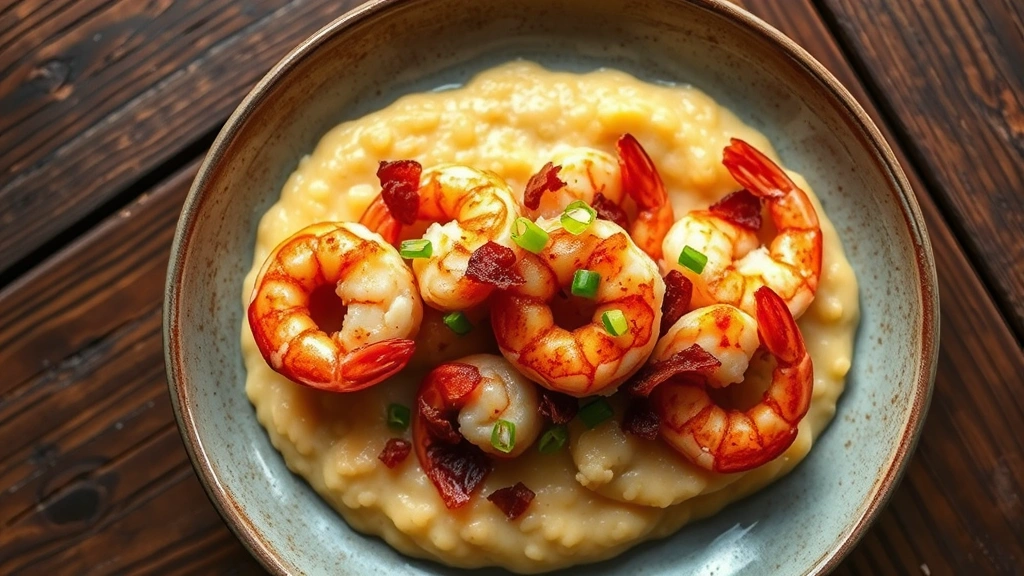
When exploring fine dining options through our blog, you’ll discover establishments where shrimp and grits transcend casual breakfast fare and become a meditation on texture contrasts—creamy polenta against the delicate sweetness of wild Georgia shrimp, accented with smoked bacon that whispers rather than shouts. The preparation of local flounder showcases the fish’s delicate, slightly sweet flesh through techniques like pan-searing that create a golden crust while maintaining a tender, flaky interior. Seasonal menus shift with the tides, ensuring that your dining experience captures the precise moment when ingredients reach their peak flavor expression.
These establishments often source directly from local fishermen and farmers, creating relationships that span decades. This direct connection to ingredient sources means that chefs understand not just what they’re cooking, but the specific waters where fish were caught, the soil composition where vegetables grew, and the exact conditions that influenced the final flavor profile. It’s this granular level of attention that distinguishes truly exceptional dining from merely expensive meals.
Casual Waterfront Favorites
Not every River Street restaurant requires formal attire or advanced reservations months in advance. The casual dining scene thrives with establishments that capture the relaxed spirit of waterfront living while maintaining serious culinary standards. These venues welcome families, celebrate spontaneous gatherings, and serve food that tastes as comfortable as it is delicious.
Casual waterfront dining in Savannah emphasizes the joy of eating rather than the formality of fine dining. You’ll encounter crab-stuffed flounder prepared with straightforward excellence, where the sweetness of fresh crab meat mingles with delicate fish flesh without unnecessary embellishment. Fried green tomatoes arrive with their characteristic tartness still present, breaded in cornmeal that shatters between your teeth, served alongside remoulade that tingles with mustard and spice. Pulled pork sandwiches showcase meat so tender it dissolves on the tongue, smoky undertones suggesting hours over low heat, balanced with tangy slaw that cuts through the richness.
When seeking best lunch restaurants near you, River Street delivers options where you can enjoy your meal while watching river traffic, feeling the Atlantic breeze, and experiencing Savannah’s unhurried pace. The casual atmosphere encourages lingering—ordering another sweet tea, sharing appetizers with companions, and allowing conversations to meander as naturally as the Savannah River itself.
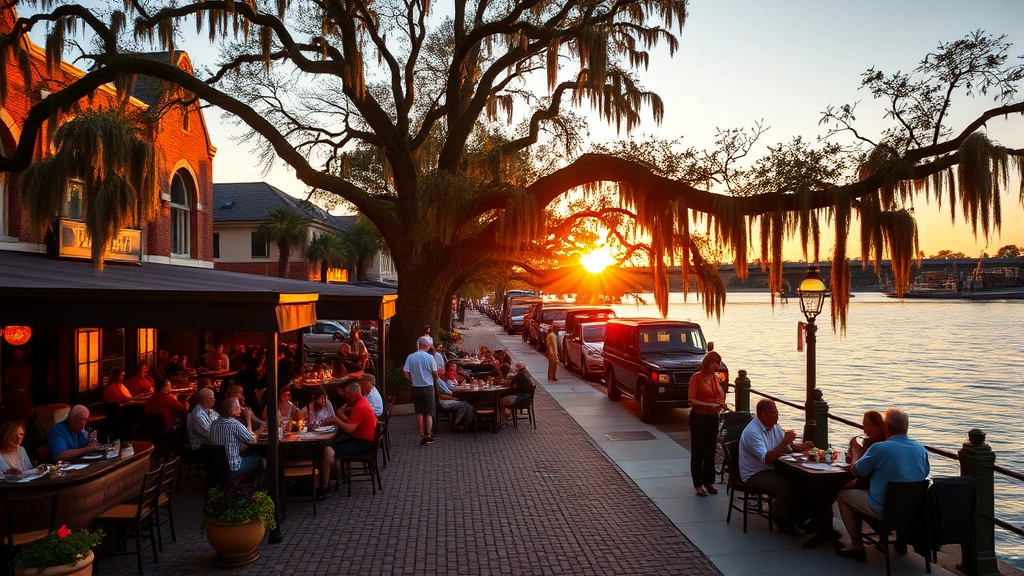
These restaurants often feature outdoor seating with unobstructed river views, creating an atmosphere where the meal becomes secondary to the overall sensory experience of being present in this historic location. The clinking of ice in glasses, laughter mixing with the calls of river birds, and the gentle lapping of water against the seawall all contribute to the memorable nature of casual River Street dining.
Seafood-Focused Destinations
The Savannah River provides not just scenic beauty but also direct access to some of the Atlantic’s finest seafood. Restaurants specializing in oceanic treasures understand the nuances of preparation that allow each species to shine with authentic character rather than masked by heavy sauces.
Shrimp, the undisputed star of Lowcountry cooking, appears in countless preparations along River Street. The finest preparations start with the ingredient itself—wild Georgia shrimp possess a sweetness and texture impossible to replicate with farmed varieties. When prepared simply with butter and garlic, this sweetness emerges as the primary flavor, with the shrimp’s firm yet tender flesh providing textural contrast. Pan-seared until the exterior develops a golden crust, the interior remains barely cooked, maintaining maximum juiciness and delicate flavor. Boiled shrimp served with cocktail sauce showcase the ingredient’s briny character, while shrimp and grits combine the protein with creamy polenta, creating a dish that feels simultaneously humble and sophisticated.
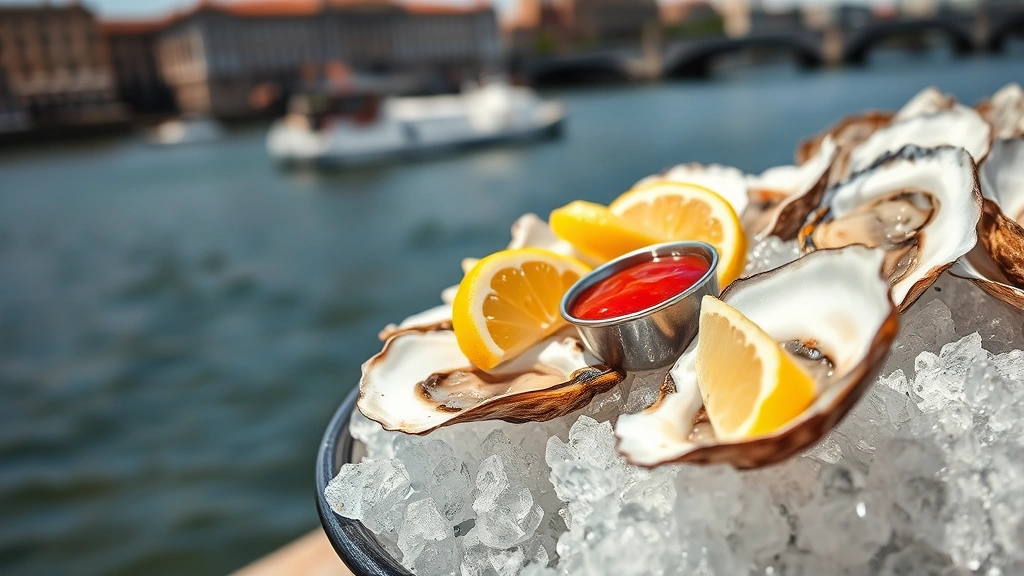
Oysters represent another essential Lowcountry ingredient, available raw on the half shell where you can taste the specific terroir of the waters where they grew. Briny, mineral-forward, with subtle sweetness that emerges as you chew, oysters connect directly to the geography of Savannah’s coastal waters. Chargrilled oysters topped with herb butter and breadcrumbs transform the raw bivalve into something warm and rich, the butter infusing into the meat while heat firms the texture slightly.
Flounder, crab, scallops, and seasonal fish rotate through menus based on availability and peak flavor seasons. A whole roasted fish prepared tableside demonstrates the kitchen’s confidence in ingredient quality and technique. Crispy skin shatters under your fork while flesh inside remains impossibly moist, flavored only with salt, lemon, and perhaps a whisper of fresh herbs. The restaurants open late near you often feature seafood specials that showcase whatever the day’s catch brought in, allowing adventurous diners to experience ingredients at their absolute peak freshness.
The preparation philosophy in seafood-focused restaurants emphasizes restraint—allowing the ingredient to speak rather than drowning it in sauce. This approach requires absolute confidence in sourcing quality, as there’s nowhere to hide inferior product. The best River Street seafood restaurants maintain relationships with specific fishermen, often knowing the exact boats that caught their fish and the precise waters where those boats operate.
International and Fusion Concepts
While Lowcountry cuisine provides the foundation for River Street’s culinary identity, the district’s restaurants increasingly explore global influences and fusion approaches that add complexity and excitement to traditional preparations.
Mediterranean influences appear throughout River Street’s restaurant scene, with olive oil-forward cooking, fresh herbs, and ingredient-driven preparations that complement Lowcountry foundations. Italian techniques combine with Southern ingredients—imagine fresh pasta infused with local herbs, topped with shrimp that carries both briny ocean flavor and the subtle sweetness characteristic of Georgia waters. Spanish influences introduce techniques like charring and smoking that enhance rather than obscure the fundamental character of ingredients.
Asian fusion approaches bring umami-forward flavor profiles and cooking techniques that challenge traditional Lowcountry preparations while respecting their core philosophy of ingredient respect. Soy-based broths complement seafood without overwhelming delicate flavors. Ginger and garlic create aromatic backdrops that enhance rather than dominate. Wasabi’s sharp heat provides textural contrast to rich, buttery scallops. These international influences, when executed with sophistication, expand the palate’s possibilities while remaining true to the region’s ingredient-focused philosophy.
When considering vegan restaurant options, many River Street establishments now offer plant-based preparations that demonstrate equal creativity and technical skill as their seafood counterparts. Vegetable preparations showcase seasonal produce through techniques like charring, roasting, and careful seasoning that build layers of flavor complexity. These restaurants prove that sophisticated dining transcends protein-centric approaches.
Hidden Gems and Local Secrets
Beyond the most obvious riverside establishments, River Street and its immediate surroundings harbor restaurants known primarily to locals—places where the food quality rivals more celebrated venues but without the tourist crowds or premium pricing.
These hidden gems often occupy less prominent locations, accessible through narrow alleyways or side streets that reward exploration. The chefs operating these establishments frequently possess deep roots in Savannah, understanding the regional food culture with an intimacy that outsiders struggle to replicate. Menu items reflect personal food memories, family recipes adapted with modern technique, and ingredient relationships developed through years of working with the same suppliers.
Supporting Black owned restaurants throughout Savannah connects diners to establishments that bring authentic cultural perspectives to Lowcountry cuisine. These restaurants often serve as cultural anchors, preserving traditional preparation methods while innovating for contemporary palates. The hospitality feels genuine rather than performative, with staff who view diners as guests in their community rather than transactions to be processed.
For those planning restaurants with party rooms near you, several hidden gem establishments offer private dining spaces perfect for celebrations while maintaining the quality and authenticity that makes casual dining memorable. These venues often provide more personalized attention than larger establishments, with chefs willing to customize menus based on dietary preferences or ingredient preferences.
Dining Tips and Seasonal Considerations
Maximizing your River Street restaurant experience requires understanding seasonal patterns, reservation strategies, and timing considerations that separate memorable meals from disappointing experiences.
Seasonal Ingredient Peaks: River Street restaurants operate within seasonal rhythms dictated by ingredient availability. Spring brings softer, more delicate flavors as new vegetables reach maturity and fish species shift their migrations. Summer offers peak shrimp season with the sweetest, most tender specimens, while abundant local produce reaches its flavor apex. Fall introduces richer flavors as ingredients develop deeper complexity, and cooler weather encourages heartier preparations. Winter features more robust, sustained flavors as cold storage and preservation techniques highlight ingredients’ keeping qualities.
Timing Your Visit: Lunch service typically runs from 11:30 AM to 2:30 PM, offering lighter preparations and a more casual atmosphere than dinner. The pre-theater crowd (around 5:00-6:00 PM) brings tourists and locals seeking quick service before evening entertainment. Prime dinner service peaks between 7:00-8:30 PM, when kitchens operate at maximum intensity and wait times extend significantly. Late-night dining after 10:00 PM offers a more relaxed atmosphere, often with modified menus but less crowded conditions.
Reservation Strategies: Fine dining establishments require reservations weeks in advance during peak season (April-May and October-November). Casual venues typically accommodate walk-ins but may experience waits during peak hours. Many restaurants hold tables for online reservations through platforms that allow you to secure your preferred time slot. Calling directly often yields better results than app-based reservations, as staff can note special occasions, dietary restrictions, or preference for specific seating areas.
Weather Considerations: Savannah’s subtropical climate creates dramatic seasonal variations. Summer heat (often exceeding 90°F with high humidity) makes outdoor dining challenging despite riverside breezes. Winter temperatures rarely drop below freezing but create occasional rain and wind that affect outdoor seating comfort. Spring and fall offer ideal conditions with moderate temperatures, lower humidity, and minimal precipitation—these seasons attract peak tourist crowds and require earlier reservations.
Ingredient Quality Indicators: The finest restaurants update menus frequently (sometimes daily) based on ingredient availability. Menus featuring limited options with detailed descriptions often indicate careful sourcing and preparation. Restaurants prominently noting supplier names, fishing boats, or farm sources demonstrate transparency about ingredient origins. Price points should reflect ingredient quality—suspiciously inexpensive seafood suggests inferior sourcing or improper handling.
Wine and Beverage Pairings: River Street’s best restaurants maintain wine lists developed by knowledgeable sommeliers who understand regional pairings. Rather than defaulting to expensive bottles, ask your server for recommendations at specific price points—educated staff can identify excellent values that enhance your meal without inflating the bill. Local craft beverages, including Georgia-produced wines and craft cocktails featuring regional ingredients, offer authentic pairing options.
FAQ
What is the best time to visit River Street restaurants without crowds?
Weekday lunches (Tuesday-Thursday) offer the most relaxed atmosphere with shorter waits and easier table availability. Late evening service after 10:00 PM provides a quieter experience, though some restaurants may offer limited menus. Winter months (January-March) see fewer tourists than peak spring and fall seasons, allowing for more spontaneous dining without reservations.
Are there restaurants suitable for large groups or private events?
Yes, many River Street establishments offer restaurants with party rooms designed for celebrations. Contact restaurants directly to discuss group sizes, menu customization options, and pricing structures. Private dining rooms often require minimum spending thresholds but provide personalized service and customized menu experiences.
Which restaurants offer the most authentic Lowcountry cuisine?
Establishments with deep local roots, family ownership spanning generations, and menus featuring traditional preparations prepared with high-quality ingredients offer the most authentic experiences. Look for restaurants where the chef has family connections to the region and where menu items reflect personal food heritage rather than trend-chasing.
How far in advance should I make reservations?
Fine dining establishments recommend reservations 4-8 weeks in advance during peak seasons (April-May, October-November). Casual restaurants typically accommodate walk-ins or same-day reservations. Holiday periods (Thanksgiving, Christmas, New Year’s) require the earliest planning, sometimes 8-12 weeks in advance.
What dietary accommodations do River Street restaurants provide?
Most establishments accommodate vegetarian, vegan, and gluten-free diets with advance notice. When booking, mention dietary restrictions so kitchens can plan appropriate preparations. Vegan restaurant options along River Street demonstrate that plant-based dining receives equal creative attention as seafood preparations.
Are there options for late-night dining?
Several restaurants open late near you maintain service until 11:00 PM or midnight. Late-night menus often feature lighter options, bar snacks, and appetizers rather than full entrees. Call ahead to confirm late-night availability and menu offerings.
What should I expect to spend at River Street restaurants?
Casual dining ranges from $12-25 per entree, while fine dining typically runs $35-65+ per entree before beverages and service charges. Lunch generally costs 30-40% less than dinner at the same establishment. Budget an additional 20-25% for service charges and alcohol if consuming beverages.
Authoritative Sources Referenced: International Association of Culinary Professionals | Chef’s Forum – Professional Culinary Standards | Institute for Flavor Science and Research | Georgia Restaurant Association | Slow Food USA – Ingredient Sourcing Standards


