Top San Luis Obispo Eats: Discover Local Favorites That Define the Central Coast
San Luis Obispo, nestled in California’s picturesque Central Coast, has blossomed into a culinary destination that rivals much larger metropolitan areas. This charming college town, often called SLO, offers an extraordinary array of dining experiences that reflect both its agricultural heritage and cosmopolitan ambitions. From farm-to-table establishments celebrating local produce to innovative fusion concepts, the restaurant scene here captures the essence of California’s most dynamic food culture.
The dining landscape in San Luis Obispo tells a compelling story of regional pride, sustainable sourcing, and chef-driven creativity. Whether you’re seeking intimate neighborhood gems or destination-worthy establishments, this guide explores the restaurants and culinary experiences that have earned passionate followings among locals and visitors alike. The food community here thrives on quality ingredients, personal connections, and an unwavering commitment to excellence that transforms every meal into a memorable occasion.
Farm-to-Table Excellence: Where Local Ingredients Shine
San Luis Obispo’s farm-to-table movement represents far more than a trendy dining concept—it’s a philosophical commitment that shapes the entire culinary identity of the region. Restaurants here maintain direct relationships with local farmers, ranchers, and producers, creating menus that shift seasonally and reflect the bounty of the moment. This approach ensures that every plate celebrates the peak flavors of ingredients harvested mere miles away.
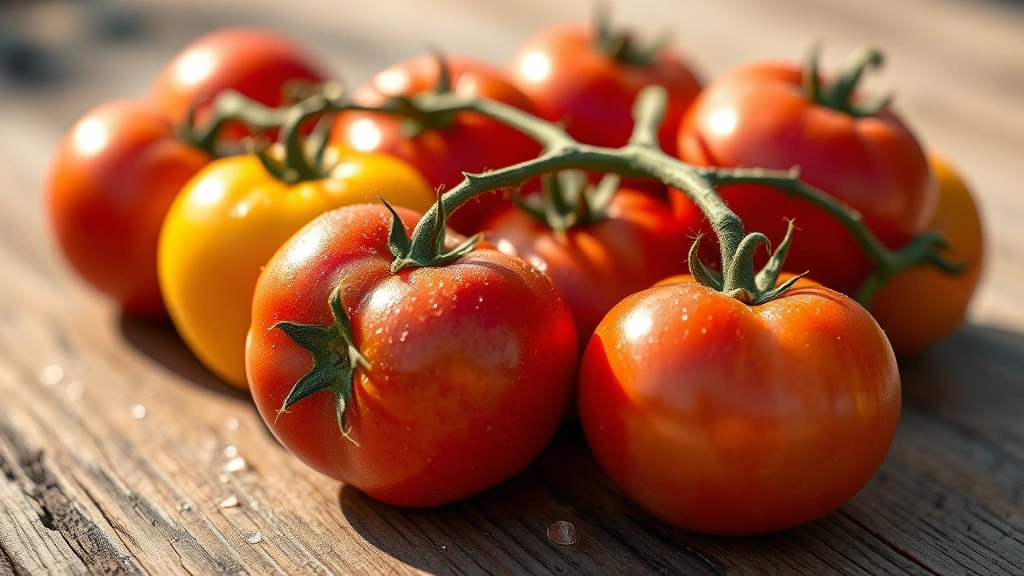
The sensory experience of farm-to-table dining in SLO is extraordinary. Imagine biting into heirloom tomatoes bursting with concentrated sweetness, their flavors so intense and complex that they demand nothing more than a whisper of excellent olive oil and fleur de sel. Picture tender spring asparagus with its delicate, mineral-forward character, or summer stone fruits with flavors so vivid they seem almost unreal. These aren’t simply ingredients—they’re the foundation of culinary storytelling.
Many establishments in San Luis Obispo have earned recognition for their dedication to sustainable dining practices and transparent sourcing. Chefs here often feature ingredient provenance on their menus, proudly naming the specific farms and producers behind each component. This transparency builds trust and deepens the connection between diners and the land that sustains them. The commitment extends beyond produce to include locally-raised proteins, artisanal cheeses, and small-batch condiments crafted by regional food artisans.
The preparation philosophy emphasizes restraint and respect for ingredient quality. Rather than masking flavors through heavy sauces or complicated techniques, chefs employ precise cooking methods that highlight natural characteristics. A perfectly seared piece of local fish might be accompanied by nothing more than seasonal vegetables, a squeeze of citrus, and a drizzle of local olive oil—yet the result is profoundly satisfying because each element speaks clearly.
Authentic Italian Treasures: Pasta and Tradition
San Luis Obispo boasts several exceptional Italian restaurants that deliver genuine expressions of Italian culinary tradition. These establishments go beyond mere imitation, instead demonstrating deep understanding of regional Italian cooking and commitment to traditional techniques. Whether you’re exploring authentic Italian restaurants or seeking specific regional specialties, SLO’s Italian dining scene offers remarkable depth.
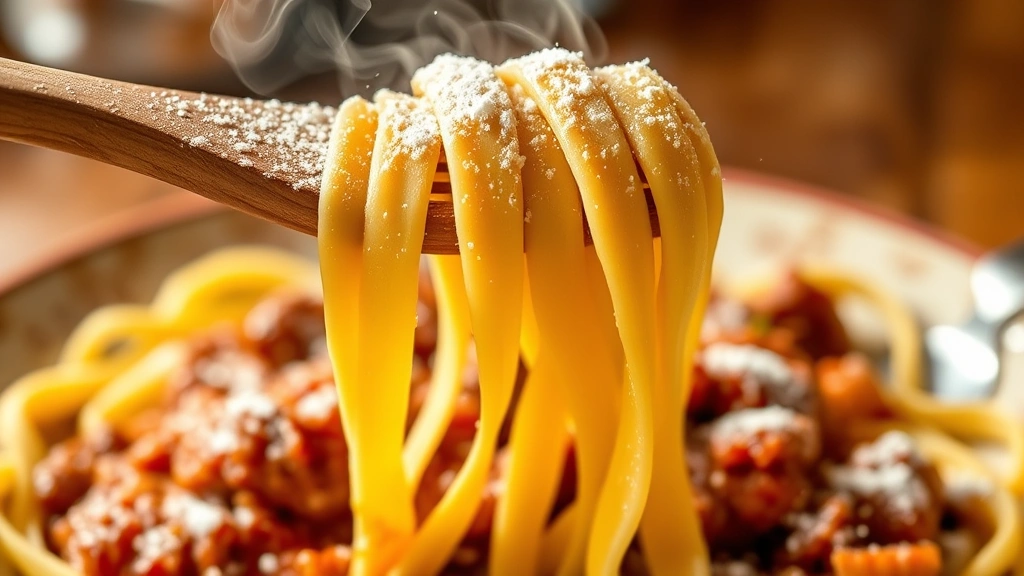
Fresh pasta-making represents a cornerstone of these restaurants’ identities. The texture of house-made tagliatelle—silky, supple, and impossibly tender—provides the perfect canvas for rich ragùs that have simmered for hours. These sauces achieve their complexity through patient cooking, allowing flavors to meld and deepen. A proper Bolognese ragù requires time and technique; the meat breaks down gradually, aromatics soften completely, and tomatoes concentrate into something far more sophisticated than their raw form suggests.
Handmade ravioli showcases the artistry embedded in Italian cooking. The delicate pasta sheets envelop carefully considered fillings—perhaps ricotta infused with herbs and lemon, or a mixture of roasted vegetables and aged cheese. The filling’s texture contrasts beautifully with the pasta’s tender bite. Sauces remain purposefully simple: brown butter with sage, a light tomato reduction, or perhaps just a whisper of cream and Parmigiano-Reggiano.
Beyond pasta, these restaurants often feature house-cured charcuterie, fresh burrata with heirloom tomatoes, and seafood preparations that reflect Italian coastal traditions. Branzino might be roasted whole, its delicate white flesh infused with herbs and citrus. Risotto showcases the technique required to coax creamy, luxurious texture from rice through constant attention and measured additions of warm stock.
For those interested in creating Italian flavors at home, exploring homemade pizza dough recipes and easy homemade pasta sauce guides can deepen appreciation for the techniques employed by professional chefs.
Beloved Casual Favorites: Where Community Gathers
Some of San Luis Obispo’s most cherished dining establishments operate in deliberately casual environments. These restaurants prioritize comfort, accessibility, and genuine hospitality over pretension. They’re the places where locals return repeatedly, where staff remember regulars’ preferences, and where the food nourishes both body and spirit.
Casual dining in SLO doesn’t mean compromised quality. Rather, it reflects a philosophy that excellent food shouldn’t require formal dress codes or intimidating service protocols. These establishments often feature open kitchens where diners can observe the organized chaos of food preparation. The energy is convivial, the portions generous, and the prices reasonable enough to justify frequent visits.
Many casual favorites specialize in comfort-food interpretations elevated through quality ingredients and thoughtful technique. Burgers feature house-ground meat with interesting flavor profiles, perhaps incorporating local herbs or specialty preparations. Fried chicken achieves remarkable textural contrast—crispy, seasoned exterior giving way to impossibly tender, juicy meat. Fish and chips showcase pristine seafood in light, crispy batter alongside hand-cut fries with perfect interior fluffiness.
The beverage programs at casual restaurants often rival those of more formal establishments. Local craft breweries provide excellent beer options, while natural wine selections offer sophisticated accompaniment to casual fare. Coffee programs take the afternoon beverage seriously, with skilled baristas preparing espresso-based drinks with precision and care.
Vegetarian & Plant-Based Dining: Innovation Beyond Vegetables
San Luis Obispo’s progressive food culture has fostered a thriving vegetarian and plant-based dining scene. Rather than treating vegetarian cuisine as a limitation, chefs here embrace it as an opportunity for creative exploration. When exploring options, consider visiting restaurants focused on best vegetarian restaurants near you for inspiration.
The finest vegetarian cooking in SLO demonstrates that vegetables possess remarkable flavor complexity when treated with appropriate respect and technique. Heirloom vegetables—some nearly forgotten varieties—become centerpieces rather than supporting players. A roasted carrot develops concentrated sweetness and caramelized depth. Brassicas, when properly prepared, offer nutty, mineral characteristics that satisfy in unexpected ways.
Grain-based dishes showcase the versatility of ancient and heritage grains. Farro, spelt, and barley provide interesting textural variety and subtle flavor profiles that complement both vegetables and legumes. These grains anchor bowls and plates, providing substance and satisfaction. Legumes—lentils, beans, chickpeas—contribute protein, fiber, and earthy flavor complexity that creates genuinely nourishing meals.
Fermented and preserved vegetables play crucial roles in vegetarian menus. Housemade pickles provide acidic counterpoints and textural contrast. Fermented grains and vegetables offer probiotic benefits alongside complex, developed flavors. These preparations represent techniques that extend ingredient seasons, reduce waste, and create layers of flavor that elevate simple vegetables into something remarkable.
Vegetarian chefs in San Luis Obispo often employ sophisticated cooking techniques—sous vide, precision roasting, careful sauce-making—to create dishes that satisfy omnivores and herbivores equally. The result is vegetarian dining that never feels like compromise, instead offering genuine culinary excitement.
Wine Country Experiences: Pairing Food and Local Wines
San Luis Obispo County sits at the heart of California’s wine country, and the restaurant scene reflects this proximity through thoughtfully curated wine programs. Many establishments feature local wines exclusively or predominantly, offering diners opportunities to explore regional varietals and producers alongside carefully composed cuisine.
The relationship between San Luis Obispo’s food and wine communities represents genuine partnership. Chefs and sommeliers work collaboratively to create pairings that enhance both components. A Pinot Noir from local producers offers sufficient structure and acidity to complement delicate seafood preparations. Crisp Albariño or Sauvignon Blanc pairs beautifully with fresh vegetables and light preparations. Fuller-bodied Cabernet Sauvignon stands alongside richer meat dishes with confidence.
Wine-focused restaurants often feature tasting menus designed specifically for wine pairing, with small courses allowing multiple varietals to shine without overwhelming diners. These experiences educate palates while creating memorable evenings. The sommelier’s expertise becomes apparent through thoughtful selections that reveal unexpected affinities between wines and dishes.
Many establishments maintain relationships with local winemakers, occasionally hosting special events featuring producer tastings alongside specially designed menus. These occasions celebrate the interconnected food and wine culture that defines San Luis Obispo’s culinary identity.
International Flavors: Global Cuisine with Local Touch
While celebrating local and regional traditions, San Luis Obispo’s dining scene embraces international cuisines with genuine respect and authentic preparation. Chefs trained in various culinary traditions bring expertise and passion to their respective cuisines, creating restaurants that offer genuine cultural experiences rather than diluted approximations.
Mexican restaurants feature house-made tortillas, traditional moles prepared through time-consuming processes, and fresh salsas that celebrate the bright flavors of locally-sourced produce. The depth of authentic Mexican cuisine reveals itself through patient exploration of regional specialties.
Asian cuisines appear throughout San Luis Obispo, from Japanese restaurants featuring pristine sashimi and carefully constructed sushi to Thai establishments preparing curries with proper balance of heat, sweet, salty, and sour elements. Vietnamese restaurants offer aromatic broths and bright, herbaceous flavor profiles. Korean dining brings fermented complexity and bold seasoning approaches.
Mediterranean cuisines beyond Italy—Spanish, Greek, Turkish, North African—contribute diverse flavor profiles and cooking techniques to the SLO dining landscape. These cuisines showcase different approaches to vegetable cookery, spice usage, and ingredient combinations, enriching the overall culinary vocabulary available to diners.
The most successful international restaurants in San Luis Obispo maintain authenticity while thoughtfully adapting to local ingredient availability and cultural context. This approach honors culinary traditions while acknowledging the specific place where cooking occurs.
FAQ
What makes San Luis Obispo’s restaurant scene distinctive?
San Luis Obispo’s dining culture emphasizes farm-to-table sourcing, chef-driven creativity, and genuine community connection. The proximity to agricultural regions, wine country, and the Pacific Ocean provides exceptional ingredient access. Additionally, the college town atmosphere fosters culinary innovation and cultural diversity alongside respect for traditional techniques.
Are reservations necessary at San Luis Obispo restaurants?
Many fine dining establishments and popular casual spots strongly recommend or require reservations, particularly during weekends and tourist seasons. However, numerous excellent restaurants operate on first-come, first-served bases. Checking individual restaurant policies before visiting ensures smooth dining experiences.
What dietary accommodations can I expect?
San Luis Obispo’s progressive restaurant scene readily accommodates vegetarian, vegan, gluten-free, and other dietary requirements. Most establishments maintain flexibility and creativity in modifying dishes to suit specific needs. Communicating dietary preferences clearly when making reservations ensures restaurants can prepare appropriately.
When is the best time to visit San Luis Obispo for dining?
Spring through early fall offers peak agricultural seasons, meaning maximum ingredient variety and restaurant creativity. However, winter months bring different seasonal ingredients and often feature special tasting menus and wine events. Summer attracts larger crowds, while shoulder seasons offer pleasant weather with fewer tourists.
How do I discover hidden gem restaurants?
Exploring downtown San Luis Obispo on foot reveals numerous casual favorites and neighborhood spots. Speaking with hotel staff, locals, and other diners often uncovers recommendations for lesser-known establishments. Following local chefs and restaurants on social media provides insight into daily specials, ingredient highlights, and special events.
What external resources help understand San Luis Obispo’s culinary scene?
The World Association of Chefs Societies provides resources for understanding professional culinary standards. The International Association of Culinary Professionals offers insights into contemporary cooking trends and chef philosophies. For agricultural connections, the California Egg Commission and similar regional agricultural organizations highlight ingredient sourcing practices. The San Luis Obispo County Vintners Association provides comprehensive wine region information. Additionally, flavor science research helps explain why certain ingredient pairings and cooking techniques create particularly satisfying culinary experiences.