Santa Fe Cuisine: Top Picks from Local Foodies
Santa Fe’s culinary landscape represents one of America’s most distinctive and celebrated food destinations, where centuries-old traditions blend seamlessly with contemporary innovation. The high desert cuisine of New Mexico’s capital city draws inspiration from Native American, Spanish colonial, and modern American influences, creating a flavor profile that’s simultaneously earthy, bold, and refined. Local foodies have spent years navigating the Plaza and surrounding neighborhoods to identify the restaurants that truly capture the essence of Santa Fe’s gastronomic identity.
The city’s food scene thrives on authenticity and local sourcing, with chefs prioritizing relationships with regional farmers, ranchers, and artisanal producers. Whether you’re seeking traditional red and green chile dishes that have defined the region for generations or innovative reinterpretations of classic New Mexican fare, Santa Fe delivers an unforgettable tasting journey. This guide compiles the most passionate recommendations from local food enthusiasts who understand that great dining in Santa Fe transcends mere sustenance—it’s a cultural experience.
The Soul of Santa Fe: Understanding Local Cuisine
Santa Fe’s culinary identity cannot be separated from its geography and history. Perched at 7,000 feet elevation in the Sangre de Cristo Mountains, this enchanting city has developed a cuisine as unique as its landscape. The foundation rests on the holy trinity of New Mexican cooking: red chile, green chile, and cumin. These ingredients appear across virtually every menu, from breakfast establishments to fine dining venues, yet their applications vary dramatically based on chef philosophy and technique.
The distinction between Santa Fe cuisine and broader New Mexican food lies in sophistication and experimentation. While traditional New Mexican food celebrates comfort and heritage, Santa Fe’s restaurants often elevate these foundational flavors through refined plating, unexpected ingredient pairings, and French or Asian-influenced techniques. Local foodies appreciate this balance—restaurants that honor tradition while pushing culinary boundaries attract the most devoted following.
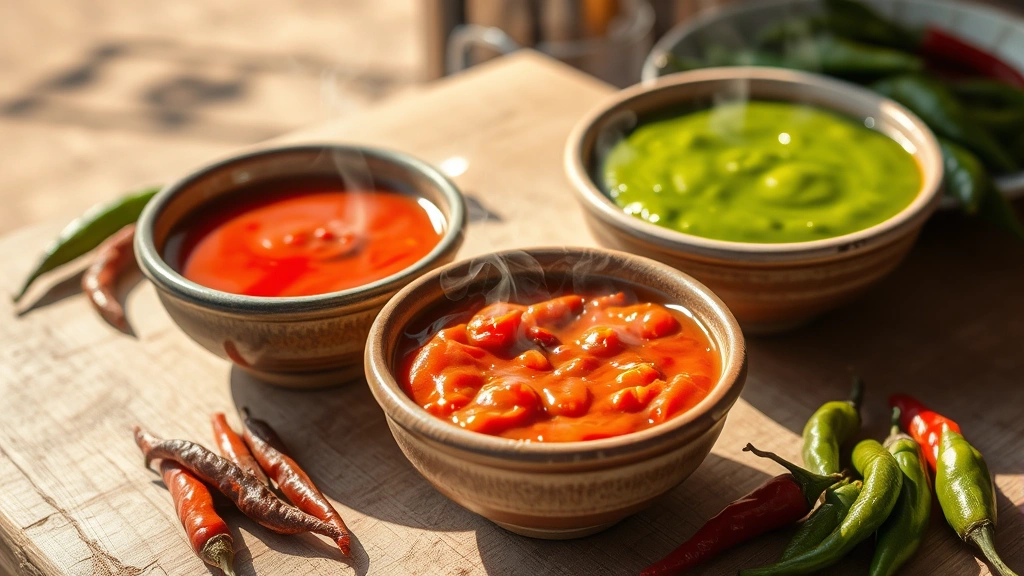
Red chile, derived from the distinctive local variety that thrives in New Mexico’s climate, offers deep, complex flavors with subtle heat. Green chile, harvested earlier in the season, delivers brighter, fresher notes with a sharper bite. The interplay between these two chile varieties creates the famous “Christmas” plate—half red sauce, half green sauce—a dish that represents Santa Fe’s commitment to duality and balance. Understanding this dynamic is essential to appreciating why local foodies hold certain restaurants in such high regard.
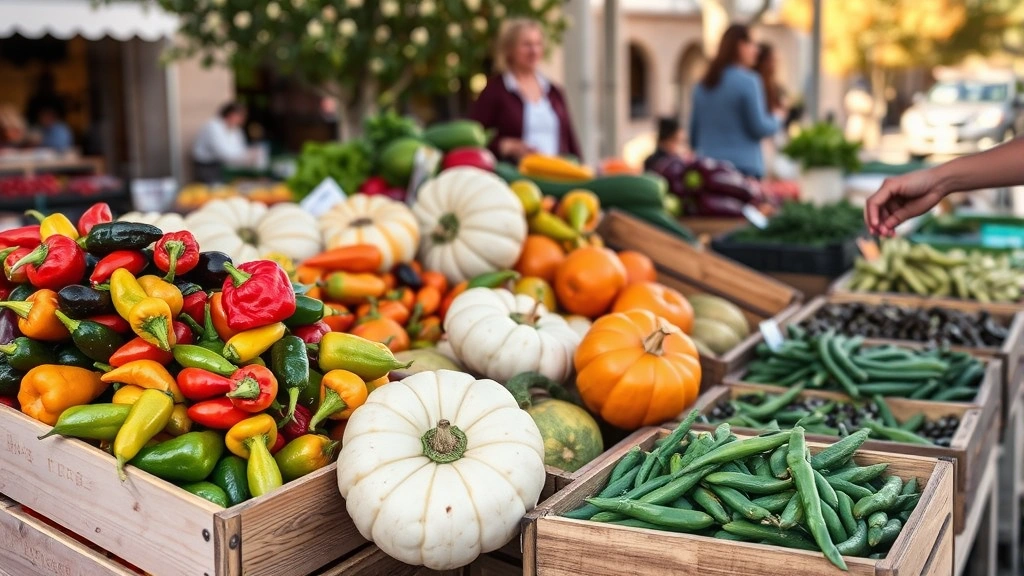
The agricultural heritage surrounding Santa Fe plays a crucial role in the region’s food culture. Farmers markets burst with heirloom varieties of beans, squash, and corn that have been cultivated in these high desert soils for centuries. Progressive restaurants partner directly with these growers, creating seasonal menus that reflect the land’s bounty. This farm-to-table philosophy isn’t trendy in Santa Fe—it’s foundational, rooted in necessity and tradition.
Iconic Restaurants Every Visitor Must Experience
Several establishments have earned legendary status among Santa Fe foodies through decades of consistent excellence and unwavering commitment to regional cuisine. These aren’t just restaurants; they’re cultural institutions that have shaped how both locals and visitors understand Santa Fe dining.
Coyote Cafe stands as perhaps the most influential restaurant in Santa Fe’s modern culinary history. Chef Mark Miller’s vision of contemporary Southwestern cuisine established the template that countless restaurants have followed. The menu balances reverence for traditional New Mexican flavors with sophisticated techniques and unexpected ingredients. The red chile sauce here achieves an almost legendary status among devoted diners—smooth, deeply complex, with layers of flavor that unfold across the palate. Foodies particularly praise the seasonal tasting menu, where Miller’s creativity reaches its apex.
For those seeking restaurants open late, many of Santa Fe’s top establishments accommodate evening diners, though reservations prove essential given the city’s popularity. The rooftop bar at Coyote Cafe offers stunning city views alongside exceptional cocktails crafted with local spirits and fresh ingredients.
The Shed represents the opposite end of the sophistication spectrum, yet local foodies revere it equally. This historic establishment, housed in a 1692 adobe compound, serves traditional New Mexican cuisine in a casual, unpretentious setting. The red chile here tastes like home to generations of Santa Fe residents. Their famous sopaipillas—puffy fried bread served with honey—represent comfort food elevated to art form. The ambiance, with its low ceilings, intimate rooms, and centuries of accumulated character, transports diners to old Santa Fe.
Geronimo occupies a unique position in Santa Fe’s dining landscape, melding global influences with Southwestern foundations. Chef Eric DiStefano sources ingredients from around the world while maintaining deep connections to local producers. The result is cuisine that surprises and delights without losing its regional moorings. Foodies particularly appreciate Geronimo’s wine program, which features exceptional New Mexico wines alongside international selections.
Hidden Gems Off the Beaten Path
Beyond the well-known establishments, Santa Fe harbors numerous restaurants that local foodies consider absolute treasures. These venues often operate with less fanfare but deliver consistently exceptional experiences.
Cafe Pasqual’s operates on principles of seasonal eating and organic ingredients, with a kitchen that celebrates Mexican and Southwestern traditions. The breakfast menu here has inspired pilgrimages from foodies across the region. Their chilaquiles, made with house-made tortillas and fresh eggs, represent the category’s pinnacle. The dining room, adorned with vibrant artwork, creates an atmosphere that feels like dining in an artist’s home rather than a commercial establishment.
For lunch restaurants that showcase Santa Fe’s casual excellence, several neighborhood spots deserve exploration. These venues often feature limited menus focused on a single category executed with obsessive attention to detail.
The Pantry specializes in simple, ingredient-driven cooking that allows each component to shine. Their approach to green chile—charred, peeled, and prepared fresh daily—exemplifies the philosophy that great cooking requires exceptional raw materials and restraint. Foodies describe their New Mexican dishes as tasting like concentrated essence of the region.
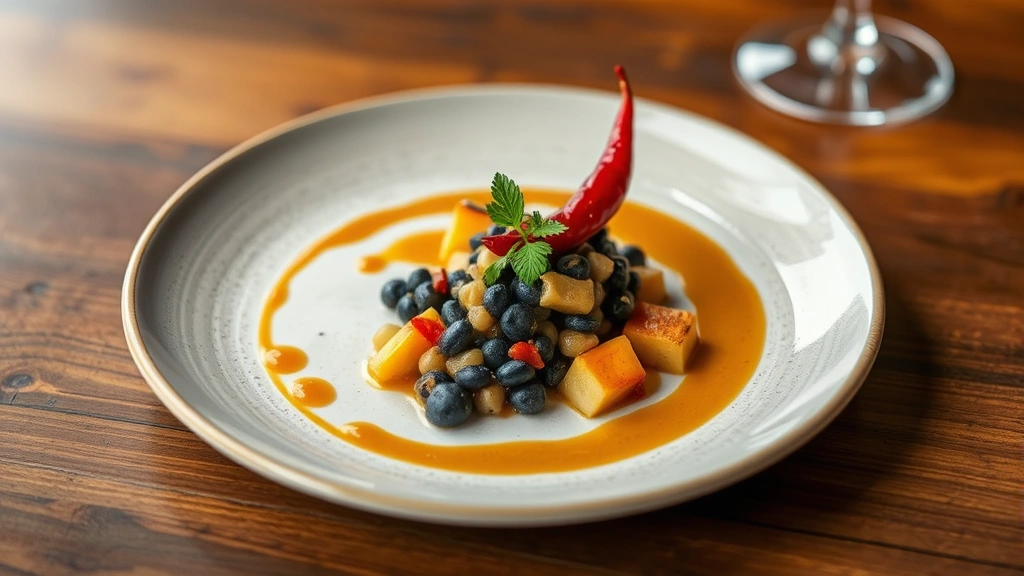
Quintogroup represents Santa Fe’s commitment to culinary innovation while respecting tradition. Their tasting menus feature artistic presentations that challenge expectations while delivering authentic flavor. Each course tells a story about New Mexican ingredients, techniques, or cultural influences. Local foodies often book months in advance for this experience.
Casual Dining Excellence
Santa Fe’s casual dining scene punches well above typical weight. These restaurants prove that exceptional food doesn’t require formal settings or haute couture presentations.
Bumacampo brings elevated Mexican cuisine to a relaxed setting. Their mole, developed over months of refinement, showcases the complexity possible when a chef treats traditional recipes with scholarly rigor. Foodies appreciate how the menu balances familiar favorites with unexpected creations, like their chile-spiced chocolate desserts that play with the region’s culinary traditions.
For family restaurants near me, Santa Fe offers numerous options where children and adults alike enjoy authentic regional cuisine in welcoming environments. Many establishments pride themselves on accommodating diverse palates while maintaining culinary integrity.
Santa Fe Bite operates as a tiny establishment that locals line up for daily. Their red and green chile burros represent the category’s gold standard. The kitchen, visible from the dining area, operates with military precision despite the casual atmosphere. Foodies describe the experience as watching artisans at work, each burro assembled with the care of a craftsperson.
Horseman’s Haven has served Santa Fe’s south side for decades, creating an institution beloved by locals who value consistency and authenticity above trendy innovation. Their red chile has achieved almost mythical status—deep, complex, with a heat that builds gradually rather than striking immediately. The sopapillas here arrive at your table warm and crispy, demanding immediate consumption before they lose their textural integrity.
Tasting Menus and Culinary Adventures
Santa Fe’s fine dining establishments increasingly offer tasting menus that allow chefs to showcase their full creative vision. These experiences appeal to serious foodies seeking immersive culinary journeys.
Geronimo’s tasting menu takes diners on a global journey while maintaining Southwestern anchors. Each course represents a different ingredient, technique, or cultural influence, yet the progression feels organic rather than scattered. The wine pairings, curated by an expert sommelier, elevate each course through thoughtful beverage selection.
For romantic restaurants near me, several establishments offer tasting menu experiences specifically designed for special occasions. The intimate pacing, artistic presentations, and carefully choreographed service create unforgettable memories alongside exceptional food.
Coyote Cafe’s seasonal tasting menu represents the pinnacle of Mark Miller’s creative vision. During autumn, when local chiles reach peak ripeness, the menu celebrates these ingredients through multiple preparations. Diners might experience chile in sauce, gel, powder, and fresh forms across a single meal, understanding the ingredient’s versatility and depth. The progression demonstrates how a single ingredient can anchor an entire culinary narrative.
These tasting menus typically require advance reservations and represent significant investments. Local foodies consider them essential experiences for understanding Santa Fe’s culinary sophistication. The multi-hour experiences allow chefs to build narratives, develop themes, and create anticipation through carefully paced courses.
Seasonal Dining and Local Ingredients
Santa Fe’s high desert location creates dramatic seasonal variations that profoundly influence the restaurant scene. Understanding these cycles helps foodies time their visits to experience the best each season offers.
Autumn represents peak season for Santa Fe dining. The chile harvest reaches maturity in late August through September, transforming menus across the city. Restaurants feature fresh roasted chiles, chile-based sauces, and dishes celebrating the season’s most prized ingredient. The cooler weather creates perfect conditions for enjoying hearty, flavorful cuisine. Foodies prioritize autumn visits specifically to experience chile season at its peak.
The famous Santa Fe Plaza and surrounding neighborhoods host farmers markets bursting with seasonal produce. Local chefs source extensively from these markets, creating menus that reflect weekly availability. This variability means repeat visits to the same restaurant yield different experiences based on seasonal ingredient availability.
Winter brings comfort-food focus to many establishments. Hearty stews, braised meats, and warming spices dominate menus. The lower tourist season means reservations become easier to obtain, and local foodies often reclaim their favorite restaurants from visitor crowds.
Spring introduces fresh herbs, tender vegetables, and lighter preparations. Menus shift toward brighter, fresher flavors after months of heavier winter fare. The asparagus that grows in local gardens creates a brief season of menu innovation as chefs celebrate its arrival.
Summer brings stone fruits, berries, and an abundance of fresh vegetables. Outdoor dining becomes prevalent, and restaurants emphasize lighter preparations that celebrate ingredient quality without heavy sauces or complex techniques. The abundant sunshine seems to influence culinary philosophy toward brightness and clarity.
Local foodies understand that Santa Fe’s best restaurants embrace this seasonality rather than fighting it. Menus change regularly, sometimes weekly, reflecting what’s available from local producers. This approach requires culinary flexibility and deep product knowledge from chefs, explaining why Santa Fe’s top restaurants maintain such devoted followings.
The relationship between Santa Fe restaurants and local agriculture extends beyond mere sourcing. Many chefs maintain relationships with specific farmers, sometimes commissioning particular varieties or preparations. This direct connection ensures ingredient quality and allows for menu flexibility based on harvest realities rather than predetermined plans.
For visitors interested in exploring this connection, several restaurants offer farm-to-table experiences that include visits to local producers. These programs provide context for understanding how geography, climate, and cultivation practices influence flavor profiles.
The chile harvest specifically creates a unique seasonal moment. In late summer, local farmers bring fresh chiles to the Plaza, and restaurants feature special menus celebrating the season. The roasting of chiles, with smoke filling downtown streets, creates a sensory experience that defines Santa Fe autumn. Foodies plan trips around this phenomenon, understanding that the fresh-roasted chile season represents a brief window of unique culinary opportunity.
Beyond produce, Santa Fe’s dining scene celebrates local meats and dairy. Grass-fed beef from regional ranches, lamb from herds that graze high desert pastures, and artisanal cheeses from small producers feature prominently on restaurant menus. These ingredients taste distinctly different from their conventional counterparts, reflecting the unique terroir of New Mexico’s high country.
The restaurant community actively supports local producers through cooperative purchasing and promotional efforts. Several establishments feature producer names on menus, educating diners about the people and places behind their meals. This transparency builds community while celebrating the agricultural heritage that makes Santa Fe cuisine possible.
FAQ
What makes Santa Fe cuisine distinct from other Southwestern food?
Santa Fe cuisine emphasizes fine dining sophistication and culinary innovation alongside traditional New Mexican foundations. While broader Southwestern food celebrates regional comfort food traditions, Santa Fe restaurants often employ French techniques, global ingredients, and artistic presentations while maintaining deep connections to local ingredients and heritage. The result is cuisine that honors tradition while pushing creative boundaries.
When is the best time to visit Santa Fe for food experiences?
Autumn, particularly August through October, represents peak season for Santa Fe dining. The chile harvest reaches maturity, menus celebrate this prized ingredient, and weather permits comfortable outdoor dining. However, each season offers distinct culinary experiences. Winter brings hearty comfort food, spring features fresh vegetables, and summer celebrates stone fruits and lighter preparations.
How important is chile to Santa Fe cuisine?
Chile represents the foundational ingredient of Santa Fe cuisine. Red and green chile appear on virtually every menu, prepared in countless ways. Understanding the distinction between these varieties—red chile’s deep complexity versus green chile’s bright freshness—is essential to appreciating Santa Fe’s food culture. Many foodies consider the quality of a restaurant’s chile preparation the ultimate measure of culinary competence.
Are reservations necessary at Santa Fe restaurants?
Yes, reservations prove essential at most of Santa Fe’s notable restaurants, particularly during peak tourist seasons. Many establishments book weeks or months in advance. For casual dining, walk-ins may find availability, though waits can be substantial during busy periods. Visitors should plan ahead and book reservations early.
What ingredients should I understand before visiting Santa Fe?
Beyond chile, understanding local ingredients enhances the Santa Fe dining experience. Heirloom beans, squash, and corn varieties appear frequently on menus. Coyote, venison, and other game meats reflect the region’s hunting traditions. Blue corn, posole, and sopapillas represent iconic preparations worth seeking. Local honey, often infused with chiles or herbs, appears in both savory and sweet applications.
How do local foodies approach discovering new restaurants?
Santa Fe’s food community remains relatively tight-knit, with local foodies following chefs as they open new ventures or hearing recommendations through personal networks. Farmers market visits provide opportunities to interact with producers and gather recommendations. Food-focused publications and websites covering regional cuisine offer reliable guidance for visitors seeking authentic local perspectives.
What’s the typical price range for dining in Santa Fe?
Santa Fe offers dining across all price points. Casual establishments serving traditional New Mexican fare cost $10-20 per person. Mid-range restaurants typically charge $25-50 per person. Fine dining tasting menus range from $75-150+ per person, often with wine pairings adding significant additional cost. The quality of ingredients and chef expertise justify higher prices at top establishments.
Can visitors experience local food culture beyond restaurants?
Absolutely. The Santa Fe Farmers Market, operating year-round with expanded offerings during peak harvest seasons, provides direct access to local producers and seasonal ingredients. Cooking classes taught by local chefs offer hands-on education in regional techniques. Food tours led by knowledgeable guides provide historical context and access to multiple venues. Some restaurants offer chef’s table experiences providing kitchen access and direct interaction with culinary staff.