Table of Contents
Introduction
There’s something magical about seafood that just makes everything taste better. Maybe it’s the way shrimp sizzles in garlic butter, or how salmon flakes apart perfectly after a quick pan-sear. Whatever it is, seafood has this amazing ability to turn an ordinary Tuesday night dinner into something that feels special—without requiring you to spend hours in the kitchen or hunt down exotic ingredients.
Here’s the thing about cooking seafood: it’s way less intimidating than most people think. Sure, you might worry about overcooking it or not knowing when it’s done, but the truth is, seafood actually wants to be delicious. From buttery scallops to flaky cod, these ingredients are naturally flavorful and cook quickly. The best seafood dishes often embrace simplicity—just like how the easiest baked goods often taste the best, as you’ll discover in this helpful guide on baking recipes for beginners. Sometimes the most straightforward approach gives you the most impressive results.
But let’s talk about why you should be eating more seafood beyond just the taste factor. This stuff is seriously good for you. We’re talking omega-3 fatty acids that keep your heart happy and your brain sharp, plus high-quality protein that doesn’t weigh you down. When you’re planning your meals for the week, seafood fits beautifully into any healthy eating strategy—and if you’re looking to overhaul your entire approach to nutrition, this comprehensive healthy nutrition plan can help you build the perfect foundation. The key is choosing fresh, sustainable options that taste great and feel good to eat.
Now, if you’re anything like me, you probably love exploring different types of recipes once you get comfortable with one area of cooking. Maybe you’re already crushing it with quick morning meals (and if not, these quick breakfast recipes will change your mornings forever). Or perhaps you’re curious about whether it’s worth spending extra on organic ingredients—the breakdown in this organic vs non-organic food comparison might surprise you. Building a well-rounded cooking skill set means having confidence with everything from seafood dinners to weekend breakfast spreads.
What You’ll Learn in This Guide
Ready to become the seafood cook you’ve always wanted to be? We’re going to walk through everything you need to know, from picking out the best ingredients at the store to getting dinner on the table in 20 minutes or less.
- Popular Seafood Ingredients: We’ll explore the stars of the seafood world—shrimp, salmon, scallops, and more—plus share insider tips for spotting the freshest options at your local market.
- Essential Preparation and Cooking Tips: Learn the fundamental techniques that make all the difference, from proper prep work to mastering basic cooking methods like grilling, baking, and pan-searing that bring out incredible flavors.
- Easy Recipe Ideas: Get ready for simple, foolproof recipes that require just a handful of ingredients—think buttery shrimp scampi and perfectly baked garlic salmon that’ll have everyone asking for seconds.
- Health Benefits of Eating Seafood: Discover why nutritionists can’t stop raving about seafood, from those famous omega-3s to the complete proteins and essential nutrients that support your overall wellness.
As we dive deeper into this guide, you’ll see just how easy it is to make seafood a regular part of your cooking rotation. We’ll explore dishes from different cuisines that prove you don’t need to be fancy to be delicious. Plus, I’ll share the preparation techniques that take the guesswork out of cooking seafood safely and perfectly every single time.
You’ll also get the inside scoop on shopping for seafood like a pro—how to spot the good stuff, what questions to ask your fishmonger, and how to store everything properly so it stays fresh. We’ll master the basic cooking methods that work for almost any type of seafood, and if you’re interested in expanding your kitchen skills even further, that baking recipes for beginners guide offers the same kind of confidence-building approach for your sweet treats.
By the time you finish reading this, you’ll have everything you need to whip up amazing seafood dinners without breaking a sweat. Your family will think you’ve been taking secret cooking classes, and you’ll wonder why you ever thought seafood was complicated in the first place. Let’s get started—your taste buds (and your health) will thank you!
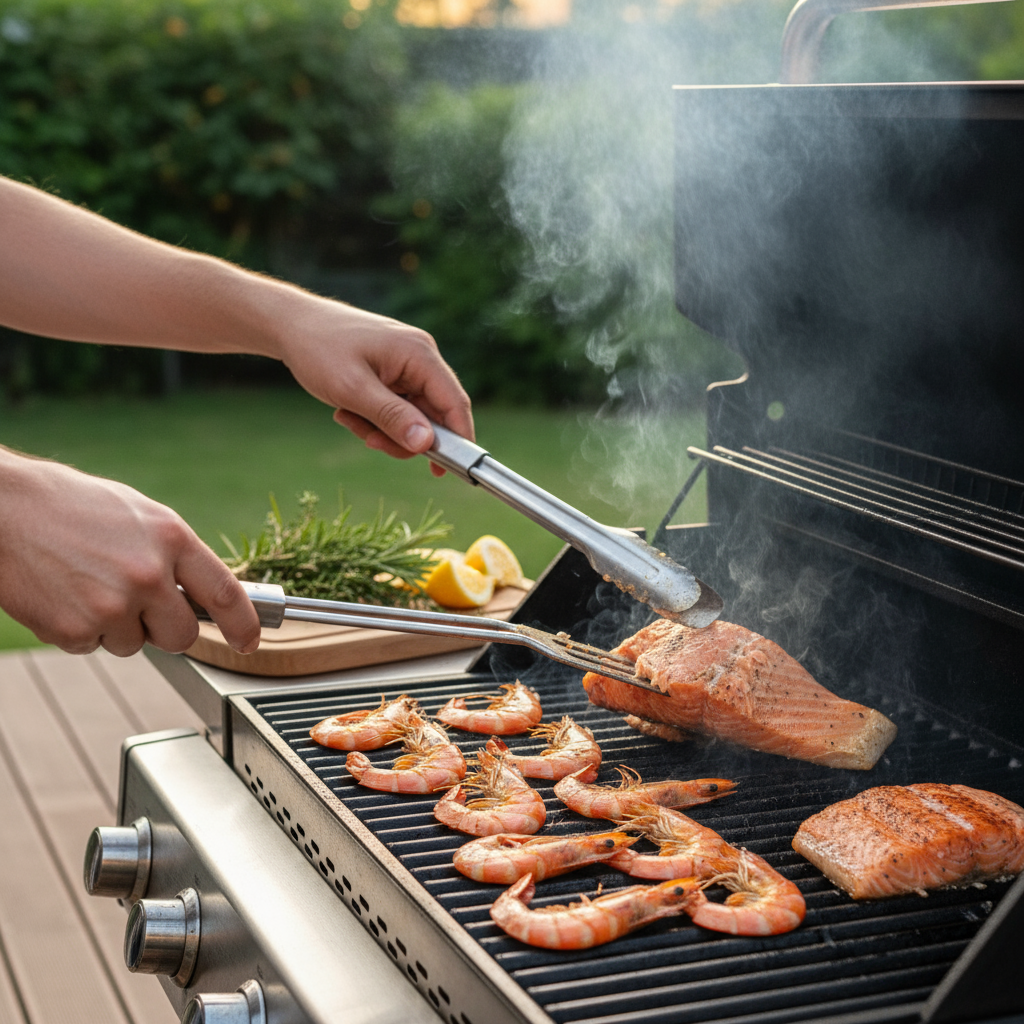
Let’s be honest—seafood can feel intimidating. One minute you’re confidently browsing the fish counter, and the next you’re wondering if that salmon looks too… fishy? But here’s the thing: cooking seafood at home doesn’t have to be scary. In fact, some of the most impressive dishes you can make are surprisingly simple. We’re going to walk through everything you need to know about quick seafood recipes that’ll make you look like a kitchen pro, plus the essential tips that’ll keep your fish tender (not rubbery) and absolutely delicious. Ready to dive in?
Popular Types of Simple Seafood Recipes
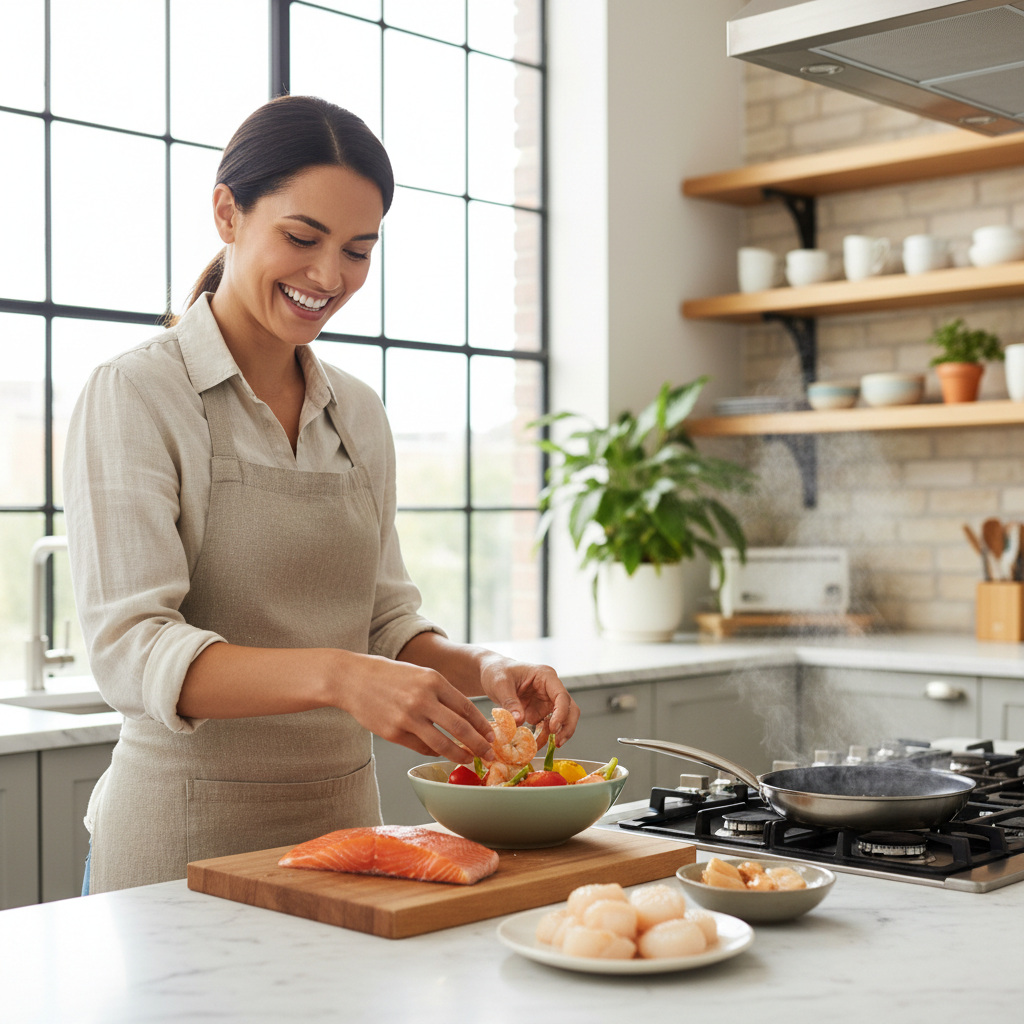
Here’s what I love about seafood—it’s incredibly forgiving once you know the basics. Shrimp, salmon, tuna, cod, and scallops are your best friends in the kitchen. Each one has its own personality and strengths. Shrimp cooks in minutes and tastes great with almost anything. Salmon? Rich and flaky, perfect for beginners because it’s hard to mess up. Tuna can handle high heat, while cod is mild enough to win over even the pickiest eaters. And scallops… well, they’re like little flavor sponges that make you feel fancy. If you’re just starting your cooking journey, checking out baking recipes for beginners can actually teach you timing and temperature skills that translate beautifully to seafood cooking.
Now, let’s talk about the fun part—what you can actually make with all this seafood. You’ve got your grilled options (think garlic butter shrimp that takes maybe 5 minutes). Baked dishes are perfect for busy weeknights—just season, pop in the oven, and you’re done. Seafood salads are fresh and light, while seafood pasta dishes can turn a simple Tuesday into something special. And don’t even get me started on seafood soups and stews—they’re comfort food at its finest. The beauty of these categories? You can start simple and get creative as you go. Grilled shrimp with just lemon and salt tonight, fancy seafood pasta with white wine sauce next week. Want to keep things healthy? Pairing these dishes with insights from low carb dinner recipes can help you create balanced, satisfying meals that don’t leave you feeling heavy.
Key Aspects of Popular Seafood Recipes
What makes seafood recipes so appealing? Let me break it down for you:
- Versatile Ingredients: Seafood like shrimp and salmon adapts to diverse cooking methods, making them perfect staples for quick preparation and delightful textures.
- Simple Flavor Profiles: Utilizing fresh herbs, citrus, and garlic elevate seafood’s natural flavors without overwhelming, perfect for beginner cooks aiming for effortless deliciousness.
- Different Cooking Techniques: Methods such as grilling and baking allow for healthy, hands-off cooking that guarantees tender, flavorful results with minimal fuss.
- Global Influence: Seafood dishes draw inspiration from many cuisines, encouraging experimentation with spices, sauces, and pairings to keep meals exciting and varied.
Once you understand these fundamentals, you’ll start seeing seafood differently. It’s not this mysterious ingredient that requires culinary school training—it’s actually one of the most straightforward proteins to work with. But (and this is important) there are some key preparation and cooking secrets that separate good seafood from great seafood.
Essential Preparation and Cooking Tips
Okay, let’s talk about the make-or-break moments in seafood cooking. First up: buying the good stuff. I know it sounds obvious, but fresh seafood is everything. When you’re at the market, trust your nose—fresh fish should smell like the ocean, not… well, fishy. Look for firm flesh that springs back when you touch it, and if you’re buying whole fish, the eyes should be clear and bright. (Cloudy eyes are a red flag.) Choosing sustainable options isn’t just good for the planet—it usually means better quality too. If you want to dive deeper into selecting quality ingredients for healthy cooking, low carb dinner recipes offer great insights on choosing fresh, nutrient-rich ingredients that enhance both flavor and nutrition.
Now for the cooking part—and this is where many people panic unnecessarily. The truth? Seafood wants to be cooked simply. Grilling gives you those beautiful char marks and smoky flavor. Baking is foolproof (set it and forget it). Pan-searing creates a gorgeous golden crust. Steaming keeps things light and delicate, while poaching is like giving your fish a gentle spa treatment. The biggest mistake people make? Overcooking. Seriously, seafood continues cooking even after you remove it from heat, so err on the side of slightly underdone. You can always cook it a bit more, but you can’t undo that rubbery texture. Keep your seasonings simple—a little salt, some fresh herbs, maybe a squeeze of lemon. That’s often all you need to let the seafood shine.
Key Aspects of Preparation and Cooking
These are the non-negotiables for great seafood every time:
- Inspecting Freshness on Purchase: Look for visual and olfactory indicators to confirm the seafood’s quality, reducing risk and enhancing flavor outcomes.
- Storing Properly at Home: Maintain cold temperatures and avoid cross-contamination by using sealed containers and consuming seafood promptly to preserve freshness.
- Choosing Appropriate Cooking Methods: Match seafood types to cooking techniques to complement texture and flavor, whether quick searing for scallops or gentle poaching for cod.
- Mindful Seasoning and Timing: Enhance delicate flavors with minimal seasoning and monitor cooking duration precisely to prevent overcooking and preserve moisture.

Here’s the beautiful thing about seafood—it doesn’t need a lot of fuss to taste amazing. Whether you’re throwing some shrimp in a hot pan with garlic and butter or sliding a piece of salmon into the oven, you’re just minutes away from something really special. And the best part? You don’t need to be a chef to pull it off. Fresh ingredients, simple techniques like grilling or baking, and a squeeze of lemon—that’s pretty much all you need to make magic happen in your kitchen.
But let’s talk about why seafood deserves a regular spot on your dinner table. Beyond tasting incredible, it’s genuinely good for you. We’re talking high-quality protein, those omega-3s your brain loves, and nutrients that keep your heart happy. Plus, seafood meals tend to be lighter and more satisfying than you’d expect. From buttery scallops to mild, flaky cod—there really is something for everyone, even if you’re usually picky about fish.
What I love most is how seafood cooking builds your confidence in the kitchen. Once you nail the timing and get comfortable with the basics, you’ll find yourself reaching for it whether you need a quick Tuesday night dinner or want to wow some friends without breaking a sweat. It’s all about embracing the freshness, getting your timing right, and trusting that simple flavors work best. No need to overthink it.
Ready to dive in? Start with something foolproof like shrimp scampi or garlic butter salmon—both come together in under 30 minutes and taste like you spent way more effort than you actually did. Want to level up your overall kitchen game? Check out these baking recipes for beginners—the timing and temperature skills you’ll learn translate perfectly to seafood cooking. And if you’re keeping things healthy, our low carb dinner recipes pair beautifully with fresh seafood.
Here’s a pro tip: shopping smart makes all the difference. Learn to spot the freshest catch and store it properly—your taste buds will thank you. While you’re building your cooking confidence, why not try our homemade pizza dough recipe? It’s another win that’ll make you feel like a kitchen rockstar. And if you want to take a bigger-picture approach to eating well, this healthy nutrition plan will help you build lasting habits that support all your culinary adventures.
So there you have it—everything you need to make seafood a regular, exciting part of your cooking routine. Trust me, once you get the hang of it, you’ll wonder why you ever thought seafood was intimidating. Each meal is a chance to get a little better, try something new, and enjoy the satisfaction that comes from cooking something fresh and delicious. Keep it simple, keep it fresh, and most importantly—have fun with it. Your kitchen is ready, your skills are ready, now go create something amazing!
Frequently Asked Questions
-
What is the easiest seafood to cook?
- Shrimp is often considered the easiest due to its quick cooking time and versatility.
-
How do I know if seafood is fresh?
- Look for clear eyes, firm texture, and a fresh ocean smell.
-
Can I freeze seafood for later?
- Yes, freezing seafood properly can preserve its freshness for months.
-
Are seafood recipes healthy?
- Yes, seafood is rich in omega-3 fatty acids, protein, and essential nutrients.
-
What are some quick cooking methods for seafood?
- Grilling, pan-searing, and baking are quick and easy cooking methods.