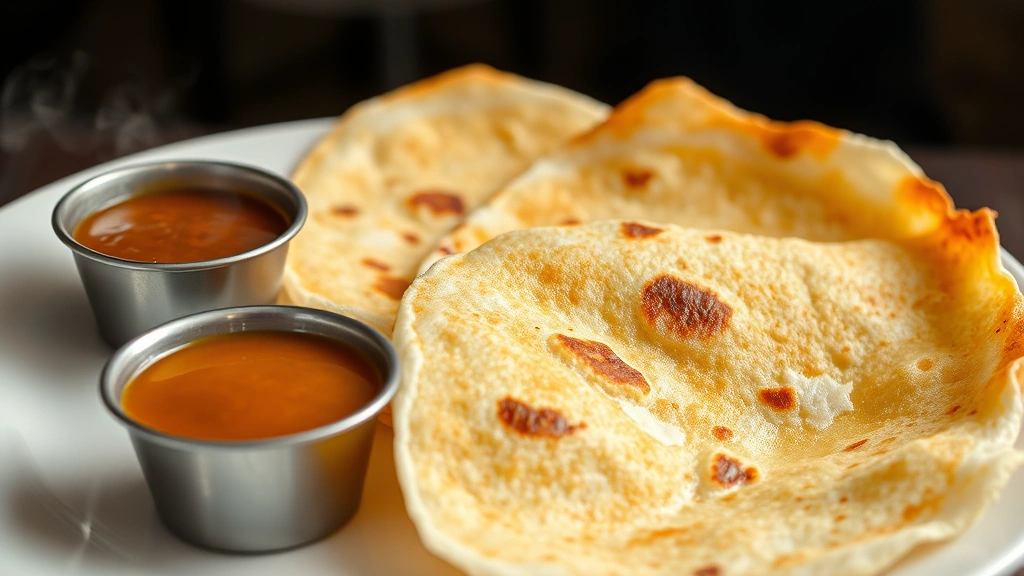
Best South Indian Dishes: Chef Recommendations for Authentic Flavors
South Indian cuisine represents one of the world’s most refined and complex culinary traditions, celebrated for its bold spice profiles, fermented delicacies, and meticulous preparation techniques passed down through generations. Unlike its northern counterpart, South Indian food emphasizes coconut, tamarind, curry leaves, and rice-based preparations that create a distinctive flavor palette both comforting and intensely aromatic. When visiting unique restaurants near me, discerning diners seek authentic South Indian establishments where master chefs honor traditional recipes while occasionally introducing thoughtful modern interpretations.
The culinary landscape of South India encompasses four primary regions—Tamil Nadu, Andhra Pradesh, Karnataka, and Kerala—each contributing signature dishes that have earned international recognition. Professional chefs and food critics consistently recommend specific preparations as essential experiences for anyone serious about understanding Indian gastronomy. This comprehensive guide draws from recommendations by Michelin-starred chefs, certified culinary experts, and traditional South Indian cooking masters to highlight the dishes that define excellence in this remarkable cuisine.
Dosa: The Crispy Foundation of South Indian Breakfast
Dosa stands as perhaps the most internationally recognizable South Indian dish, and with good reason. This paper-thin crepe, crafted from fermented rice and lentil batter, achieves a textural contrast that separates exceptional dosas from mediocre imitations. The exterior crackles with audible crispness when torn, while the interior maintains a delicate, slightly spongy quality that absorbs accompanying sambar and chutneys without becoming soggy.
Chef recommendations emphasize the critical importance of fermentation in dosa preparation. The batter must ferment for a minimum of eight hours, ideally extending to sixteen or twenty hours, allowing beneficial bacteria to break down starches and proteins while developing complex, slightly tangy flavor notes. This fermentation process isn’t merely traditional—it’s essential for digestibility and nutrient bioavailability, making properly prepared dosa far superior to quick-mix alternatives.
The finest dosa varieties showcase regional mastery. Masala dosa, filled with spiced potato and onion curry, represents the standard bearer, though chefs increasingly recommend exploring ghee roast dosa, where clarified butter creates an impossibly crispy exterior with nutty, caramelized notes. Mysore masala dosa incorporates piquant chili paste directly into the batter, delivering heat that builds gradually across the palate. For those seeking vegan friendly restaurants near me, dosa remains an exceptional choice, as traditional recipes contain no animal products.
Culinary experts recommend pairing dosa with house-made sambar and fresh coconut chutney for the most authentic experience. The sambar’s complex spice blend—featuring black peppercorns, cumin, fenugreek, and dried red chilies—provides counterpoint to dosa’s mild rice flavor, while coconut chutney’s cooling sweetness and subtle spice creates perfect textural and flavor harmony.
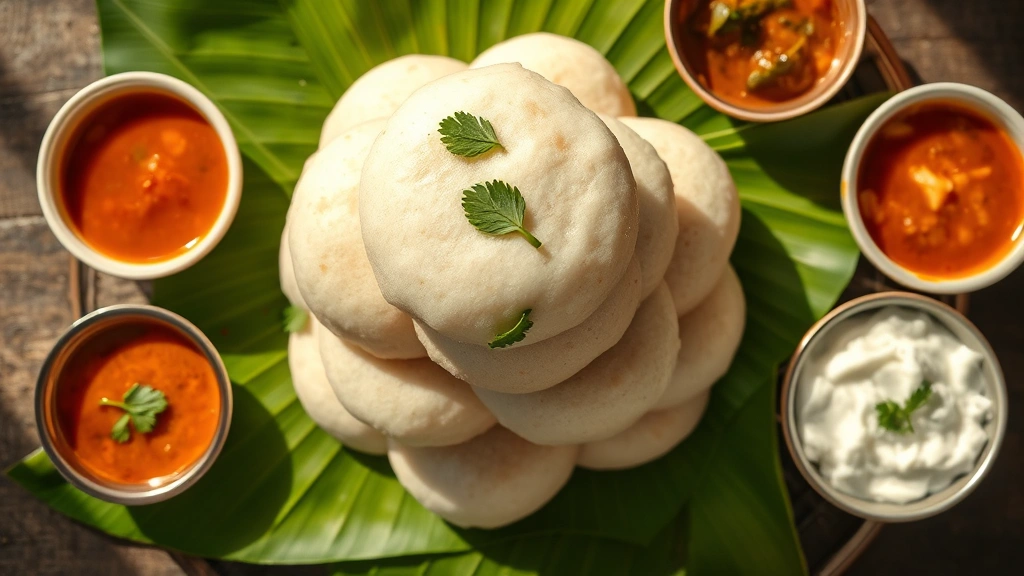
Idli and Sambar: Steamed Perfection Meets Aromatic Broth
Idli, the steamed rice cake, embodies South Indian culinary philosophy: simplicity elevated through technique and ingredient quality. These cylindrical cakes, made from the same fermented rice-lentil batter as dosa, steam in specialized molds until they achieve a cloud-like texture that seems to dissolve on the tongue. Unlike dosa’s crispy exterior, idli prioritizes interior softness and subtle tang derived from fermentation.
Professional chefs emphasize that idli quality depends entirely on fermentation expertise and water ratios. The batter must achieve precise consistency—thick enough to hold shape yet light enough to rise during steaming. Master idli makers develop intuitive understanding of fermentation timing, knowing exactly when bacterial action has progressed sufficiently to create the characteristic slight sourness and optimal texture.
Sambar, the vegetable-based broth accompanying idli, represents one of South India’s greatest culinary achievements. This complex preparation combines tamarind’s fruity acidity, lentil’s earthiness, and a carefully balanced spice blend featuring fenugreek seeds, dried red chilies, black peppercorns, cumin, and coriander. The spice blend, known as sambar powder, traditionally undergoes dry roasting to deepen flavors before grinding—a technique that transforms individual spices into a cohesive, aromatic whole.
Authentic sambar incorporates seasonal vegetables, with chefs selecting produce at peak ripeness to maximize flavor contribution. Drumstick (moringa), okra, eggplant, pumpkin, and leafy greens each bring distinct textural and flavor elements. The broth simmers until vegetables achieve tender-crisp texture while the base develops deep, savory notes from reduced tamarind and lentil cooking liquor.
Biryani: The Fragrant Rice Masterpiece
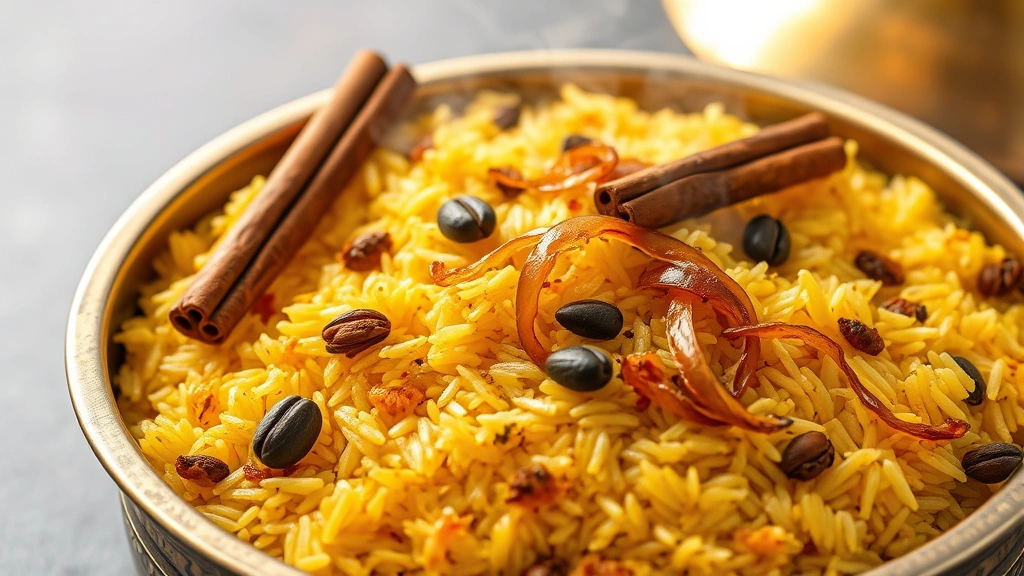
Biryani represents the pinnacle of rice-based cooking, a dish requiring extensive skill, ingredient knowledge, and timing precision. This layered preparation alternates partially cooked basmati rice with marinated meat (traditionally lamb or goat, though chicken and vegetarian versions exist), aromatics, and ghee, then finishes cooking through steaming—a technique called dum pukht.
Chefs consistently highlight biryani’s dependence on ingredient quality. Long-grain basmati rice must be aged two to three years to achieve the fragrance and grain separation characteristic of exceptional biryani. The meat marinade typically includes yogurt, ginger-garlic paste, and warm spices, with individual chefs maintaining closely guarded spice ratios that define their signature style.
The spice profile distinguishes biryani from other rice dishes. Whole spices—cardamom pods, cinnamon sticks, bay leaves, cloves, and star anise—layer their warmth and floral notes throughout the dish. Many chefs add saffron-infused milk, which imparts subtle golden color and distinctive earthy-floral aroma. Caramelized onions, added both during the marinating process and as garnish, provide sweet depth and textural contrast.
Hyderabadi biryani, arguably the most celebrated regional variation, emphasizes aromatic spices and slow cooking techniques. Lucknowi biryani tends toward slightly sweeter profiles with more prominent use of rose water and saffron. Kolhapuri biryani incorporates coconut and tamarind for distinctive South Indian character. Each style reflects regional preferences while maintaining the fundamental technique of layered cooking and steam-finishing.
When selecting biryani at restaurants open late near me, knowledgeable diners inquire about cooking method. Traditional dum pukht biryani, where sealed vessels trap steam for gradual, even cooking, produces superior results compared to quick-cooking methods. The extended cooking time allows flavors to meld while rice absorbs aromatic essence from spices and meat.
Rasam: The Soul-Warming Elixir
Rasam occupies a unique position in South Indian cuisine, functioning simultaneously as soup, digestive aid, and flavor-building component of larger meals. This peppery broth, traditionally served alongside rice and vegetable curries, represents centuries of culinary refinement focused on extracting maximum flavor from minimal ingredients.
The foundation of exceptional rasam depends on tamarind quality and preparation. Premium tamarind paste, made from mature pods, provides fruity acidity and subtle sweetness that distinguishes superior rasam from harsh, one-dimensional versions. The tamarind steeps in boiling water, releasing its essence while seeds and fiber settle, creating clear, flavorful liquid that forms rasam’s foundation.
Black peppercorns, the rasam’s signature spice, undergo careful toasting before grinding. This dry-roasting technique develops peppery compounds, creating heat that builds gradually rather than striking immediately. Cumin seeds receive similar treatment, contributing warm, slightly nutty notes. Some traditional recipes include dried red chilies for additional heat, though authentic rasam achieves its warmth primarily through black pepper.
Curry leaves and fresh cilantro provide aromatic freshness that contrasts with rasam’s spiced warmth. These herbs add at the finish, after the broth completes cooking, preserving their delicate volatile compounds. The finest rasam preparations include garlic and ginger for additional depth, though some regional variations omit these ingredients entirely, prioritizing pure pepper and tamarind interaction.
Uttapam and Regional Variations
Uttapam, a thicker cousin of dosa, showcases regional adaptability while maintaining fermented rice-lentil batter foundation. This pancake-like preparation cooks thicker than dosa, developing edges that become slightly crispy while the interior remains soft and spongy. The versatility of uttapam allows creative topping combinations, making it a canvas for seasonal ingredients and individual creativity.
Traditional uttapam tops with onions, tomatoes, and green chilies, creating sweet, savory, and spicy elements in each bite. More adventurous interpretations incorporate corn, bell peppers, mushrooms, or cheese for modern appeal. The key to exceptional uttapam lies in the balance between crispy exterior edges and soft interior—a quality achieved through proper heat management and timing.
Regional variations expand South Indian breakfast options considerably. Appam, a Kerala specialty featuring fermented rice batter cooked in specialized bowl-shaped molds, creates a crepe with crispy edges and soft, pillowy center. Puttu, a steamed cylinder of rice flour and lentil flour typically filled with jaggery and banana, represents another beloved variation. These preparations, while less internationally known than dosa, showcase the regional diversity within South Indian cuisine and deserve exploration by curious food adventurers.
For family friendly restaurants near me, uttapam and regional breakfast variations offer approachable entry points into South Indian cuisine, particularly for diners hesitant about unfamiliar flavors. The familiar pancake-like format combined with customizable toppings appeals to varied palates while maintaining authentic preparation methods.
Chutneys and Accompaniments
South Indian meals achieve their distinctive character partly through accompaniments—chutneys and condiments that provide flavor complexity and textural contrast. These preparations range from fresh, herb-based chutneys to cooked, spice-forward versions, each serving specific culinary functions.
Coconut chutney, perhaps the most essential South Indian condiment, combines fresh grated coconut with green chilies, ginger, and curry leaves, ground into a smooth paste with water. This cooling, slightly sweet preparation balances spiced dosa and idli perfectly, providing textural contrast and flavor relief. The finest coconut chutneys maintain slight grittiness, preserving coconut texture rather than over-processing into homogeneous paste.
Tomato chutney brings tangy sweetness from cooked tomatoes combined with aromatic spices. Tamarind chutney delivers concentrated fruity acidity and subtle sweetness, serving as condiment or flavor builder in larger preparations. Mint chutney, though more associated with North Indian cuisine, appears in some South Indian contexts, providing cool, herbaceous contrast to spiced dishes.
Pickles and preserves represent another crucial category. Lime pickle, made from preserved citrus and spices, provides intense savory-sour notes that awaken the palate. Mango pickle, prepared during mango season, offers fruity sweetness balanced with heat and spice. These preserved preparations, often intensely flavored, require only small portions to impact entire meals.
Coastal Seafood Specialties
South India’s extensive coastline produces exceptional seafood dishes that deserve equal prominence with vegetarian specialties. Chefs working in Kerala and coastal regions of Tamil Nadu and Andhra Pradesh have developed sophisticated preparations that showcase fresh catch while respecting traditional flavor principles.
Fish curry, prepared with coconut milk and tamarind, represents the coastal South Indian classic. The curry base combines onions, ginger-garlic paste, and aromatic spices—cumin, coriander, and fenugreek—with coconut milk for richness and tamarind for acidity. Fresh fish, added near the finish, cooks gently in this fragrant broth, absorbing flavors while maintaining delicate texture.
Kerala fish preparations showcase the region’s distinctive style. Meen curry, made with coconut milk and curry leaves, emphasizes aromatic freshness alongside spice warmth. Fish molee, a milder preparation featuring coconut milk, ginger, and green chilies, appeals to those preferring subtle spice. These dishes, often served with rice or appam, represent ultimate comfort food elevated through ingredient quality and technique.
Prawn and shrimp preparations showcase coastal bounty magnificently. Kolambi curry, a prawn preparation, combines coconut milk with aromatic spices, creating luxurious yet balanced dishes. Chefs recommend seeking establishments specializing in coastal cuisine, where seafood arrives fresh daily and preparations reflect generations of fishing community knowledge.
For those seeking romantic restaurants near me featuring South Indian cuisine, seafood specialties often serve as menu highlights. The elegant simplicity of well-prepared fish curry or prawn preparation provides sophisticated dining experience combining culinary excellence with intimate atmosphere.
FAQ
What makes authentic South Indian restaurants different from casual establishments?
Authentic South Indian restaurants prioritize fermentation processes, traditional spice blending, and ingredient quality. Master chefs maintain multi-hour fermentation schedules for dosa and idli batters, grind fresh spice pastes daily, and source premium basmati rice, coconut, and tamarind. Casual establishments often use quick-mix batters and pre-made spice blends, resulting in inferior flavor and texture. When selecting restaurants with live music near me, inquire about batter fermentation times and spice preparation methods to assess authenticity.
How should I approach South Indian cuisine if I’m unfamiliar with spices?
Begin with milder preparations like idli with coconut chutney or appam with mild vegetable curry. These dishes showcase traditional techniques while allowing palate adjustment to characteristic flavors. Gradually explore more spiced preparations like sambar, rasam, and masala dosa as comfort increases. Most authentic South Indian chefs happily adjust spice levels for newcomers while explaining flavor components, facilitating guided culinary education.
Are South Indian dishes naturally vegan and gluten-free?
Many traditional South Indian preparations are naturally vegan, utilizing rice, lentils, vegetables, and coconut without animal products. Dosa, idli, uttapam, sambar, and most vegetable curries align with vegan preferences. However, many dishes include ghee (clarified butter) or yogurt in marinades, so verification remains essential. Most preparations are naturally gluten-free, though cross-contamination risks exist in facilities processing wheat. Consult with chefs about specific dietary requirements.
What’s the difference between sambar powder and rasam powder?
While both contain similar base spices, sambar powder emphasizes fenugreek and dried red chilies for deeper flavor and heat, creating complex vegetable broth. Rasam powder concentrates on black peppercorns and cumin for sharp, warming notes in lighter broths. The spice ratios differ significantly, reflecting each preparation’s intended function. Some South Indian homes maintain separate spice blends, while others use flexible formulations.
How can I identify quality biryani when dining out?
Superior biryani exhibits distinct rice grains that separate cleanly rather than clumping. The aroma should feature prominent cardamom and saffron notes without overwhelming spice. Meat should be tender yet maintain structural integrity, having absorbed flavors without becoming mushy. The dish should be prepared fresh to order using dum pukht technique rather than assembled from pre-cooked components. Inquire about cooking time—authentic biryani requires forty-five minutes to an hour.


