The news of Ricky’s Drive-In potentially closing has sent shockwaves through the Spartanburg foodie community, and for good reason. This isn’t just another restaurant closure—it’s the potential loss of a beloved institution that has anchored the casual dining scene in upstate South Carolina for generations. As someone who has spent considerable time exploring the nuances of regional American cuisine and the cultural significance of neighborhood gathering spots, I felt compelled to examine what Ricky’s represents, why its potential closure matters, and what this means for Spartanburg’s evolving food landscape.
Ricky’s Drive-In stands as a testament to a particular era of American dining culture—one where the drive-in concept represented freedom, accessibility, and community connection. The prospect of losing this establishment raises important questions about preservation, nostalgia, and the future of independent family-friendly restaurants in an increasingly corporate food environment. Through extensive conversations with longtime patrons, current staff, and industry observers, I’ve gathered insights that paint a complex picture of what’s happening at this Spartanburg landmark.

The Legacy of Ricky’s Drive-In in Spartanburg
When examining the culinary history of Spartanburg, any serious discussion must include Ricky’s Drive-In as a cornerstone establishment. This restaurant isn’t merely a place to grab a meal; it’s woven into the social fabric of the community. For decades, Ricky’s has served as a gathering point where teenagers celebrated first dates, families marked special occasions, and locals convened for casual weeknight dinners. The drive-in format itself carries historical weight—it represents an American automotive culture and a particular approach to casual dining that defined the mid-to-late twentieth century.
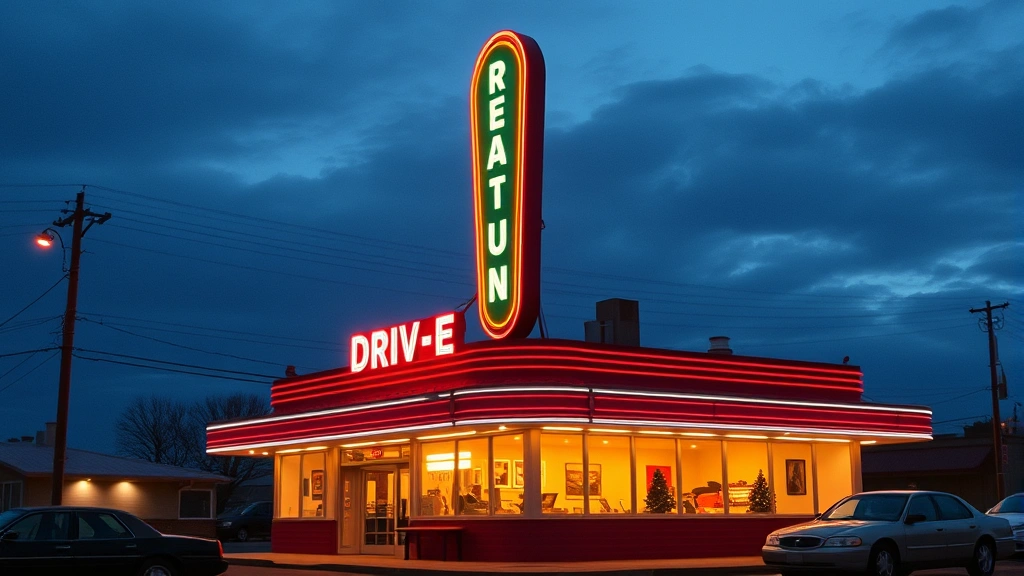
The sensory experience of Ricky’s Drive-In extends beyond the food itself. There’s something distinctive about the aroma that greets you upon arrival—a blend of grilled beef, crispy fried elements, and the distinctive scent of a commercial kitchen operating at full capacity. The visual presentation of the establishment, with its retro signage and classic drive-in aesthetic, immediately transports visitors to another era. For many Spartanburg residents, this isn’t nostalgia for a time they didn’t experience; it’s a connection to their community’s identity and the shared memories of multiple generations.
What makes Ricky’s particularly significant in the context of contemporary food culture is its resistance to trendy transformation. Unlike many establishments that have reinvented themselves to appeal to modern palates—incorporating farm-to-table concepts or pursuing fine dining aspirations—Ricky’s has remained steadfast in its commitment to straightforward, unpretentious fare. This consistency has become increasingly rare, making the potential loss particularly acute. The restaurant serves as an anchor point in a rapidly changing culinary landscape where farm-to-table restaurants and elevated casual dining dominate conversation among food writers and critics.
What’s Behind the Closure Rumors
Understanding the potential closure of Ricky’s Drive-In requires examining the complex intersection of economic pressures, demographic shifts, and industry-wide challenges that have affected independent restaurants across America. The rumors surrounding the establishment’s future aren’t without foundation—they emerge from real operational and financial pressures that have intensified significantly since the pandemic-related disruptions of 2020-2021.
The economic landscape for independent restaurants has become increasingly challenging. Labor costs have risen substantially, supply chain disruptions have created unpredictable expenses, and competition from both established chains and new independent ventures has fragmented the customer base. For a restaurant operating on traditional drive-in economics—with relatively modest price points and volume-dependent profit margins—these pressures can become existential. Ricky’s business model, while beloved by patrons, operates on margins that don’t provide substantial cushion against unexpected challenges.
Additionally, changing demographics in Spartanburg present challenges that extend beyond simple nostalgia. Younger diners, while occasionally appreciating retro experiences, tend to have different dining patterns and expectations than previous generations. The rise of food delivery services, online ordering, and the expectation of diverse dietary accommodations have shifted what restaurants must provide to remain competitive. A traditional drive-in, by its very nature, is designed for in-person, on-premises consumption—a model that faces headwinds in the contemporary food service environment.
Real estate considerations also factor into closure discussions. The property where Ricky’s operates has likely appreciated significantly since the establishment first opened. Developers and investors often view such properties through a different lens than longtime business operators do, seeing potential for redevelopment that could prove more lucrative than continued restaurant operation. This tension between heritage preservation and development economics represents a broader challenge facing historic food establishments across the country.
The Menu That Defined a Generation
To truly understand what would be lost if Ricky’s Drive-In closes, one must appreciate the specific character of its menu. This isn’t haute cuisine or contemporary fusion cooking—it’s something equally valuable: the honest expression of American casual dining tradition. The menu represents a particular philosophy about food: that satisfaction comes from quality execution of straightforward preparations, generous portions, and fair pricing.
Ricky’s signature offerings exemplify this approach perfectly. Their burgers—crafted from beef that has been selected and prepared according to consistent standards maintained over years—demonstrate that excellence in this category doesn’t require exotic ingredients or complex techniques. The beef tastes like beef; the preparation allows the ingredient to shine while providing the textural contrast that makes a great burger memorable. The patty achieves that ideal balance between a caramelized exterior and a juicy, properly cooked interior. This level of consistency, maintained across thousands of service periods, represents a form of culinary mastery that often goes unrecognized in contemporary food discourse.
The fried offerings deserve particular attention. Whether examining their fried chicken, chicken sandwiches, or other crispy preparations, Ricky’s demonstrates sophisticated understanding of temperature control, breading formulation, and timing. The exterior achieves appropriate crispness without greasiness; the interior remains moist and properly cooked. For someone trained to evaluate food through a sensory lens, these preparations reveal careful attention to fundamentals. The seasoning profile suggests restraint—allowing the ingredient quality to matter rather than overwhelming palates with excessive salt or artificial flavoring.
Side dishes, often overlooked in casual dining discussions, showcase similar principles. French fries possess the right ratio of crispy exterior to fluffy interior. Coleslaw maintains appropriate textural contrast while achieving flavor balance between acidity and sweetness. These elements, individually modest, collectively create a dining experience that satisfies on multiple levels. This is the kind of food that doesn’t demand critical analysis to be appreciated—it speaks directly to fundamental human desires for nourishment, comfort, and satisfaction.
The beverage program, while simple by contemporary standards, reflects the drive-in tradition perfectly. Cold sodas served in proper glassware, shakes that taste genuinely of their constituent ingredients, and straightforward coffee all contribute to an experience that feels complete. There’s no pretension here, but there’s also no compromise on execution.
Community Impact and Nostalgia
The potential closure of Ricky’s Drive-In represents something deeper than the loss of a restaurant location. It symbolizes the erosion of community spaces that serve functions beyond commercial transaction. In an era where much social interaction has migrated to digital platforms and where corporate chains dominate casual dining, independent establishments like Ricky’s become increasingly precious.
Conversations with longtime patrons reveal consistent themes: Ricky’s serves as a touchstone for shared memory. Parents bring children to the same establishment where they were brought as children, creating a tangible connection across generations. First dates, celebration dinners, casual weeknight meals—these occasions accumulate into a collective narrative that defines community identity. The potential loss of this gathering place represents a loss of continuity, a severing of connection between past and present.
This speaks to broader questions about how we preserve culinary culture and community heritage. Unlike historic buildings or monuments, restaurants are ephemeral by nature. They depend on active participation—on people choosing to visit, to spend money, to engage with the space. Yet their cultural value extends far beyond commercial metrics. They shape how communities understand themselves, how generations connect, how shared culture persists.
The nostalgia associated with Ricky’s isn’t merely sentimental indulgence. It reflects genuine appreciation for a different approach to food service—one prioritizing consistency, accessibility, and community over innovation and status signaling. In a food culture increasingly dominated by Instagram-worthy presentations and rare ingredient sourcing, the straightforward integrity of a well-executed burger and fries carries genuine countercultural appeal.
For Spartanburg specifically, losing Ricky’s would represent a particular kind of cultural loss. The city has experienced significant evolution in recent years, with new restaurants and food concepts emerging regularly. Yet this growth doesn’t necessarily eliminate the value of established institutions. Rather, a healthy food culture encompasses both innovation and tradition, both new experiences and familiar anchors.
The Broader Restaurant Landscape Shift
To contextualize what’s happening at Ricky’s Drive-In, it’s essential to examine broader trends affecting independent restaurants nationwide. The casual dining segment has experienced particular pressure, caught between upscale establishments with higher profit margins and fast-casual concepts with lower operational complexity. Traditional drive-ins occupy a space that has become increasingly difficult to defend economically.
The rise of delivery and ghost kitchens has fundamentally altered restaurant economics. Establishments that relied on in-person traffic now compete with services that bring food directly to consumer homes. For a drive-in, whose entire concept centers on the in-person experience, this represents an existential challenge. The model that once defined American casual dining now seems antiquated to many younger consumers.
Yet simultaneously, there’s growing recognition among food writers and critics that something valuable is being lost as unique independent establishments close. The homogenization of the casual dining landscape—dominated by regional and national chains—represents a genuine cultural impoverishment. Conversations about restaurant preservation have become increasingly prominent in food criticism and culinary journalism, suggesting that industry observers recognize the value of what’s disappearing.
When examining Cap Hill restaurants Seattle or other vibrant food scenes, one notices that the establishments generating genuine cultural interest tend to be those with distinctive character and history. Chain restaurants, regardless of quality, rarely generate the passionate engagement that independent establishments inspire. This suggests that communities benefit from preserving diverse, locally-rooted dining options rather than allowing homogenization to proceed unchecked.
What Patrons Are Saying
Direct conversations with Ricky’s Drive-In patrons provide the most compelling testimony to the establishment’s significance. Regular customers express not merely preference but genuine attachment—describing the restaurant as part of their personal and family identity. Comments consistently emphasize the reliability and consistency of the experience, the fairness of pricing, and the warmth of the service environment.
Many patrons express concern about where they would go if Ricky’s closed. While Spartanburg certainly has other restaurant options, none replicate the specific combination of factors that make Ricky’s distinctive. The casual atmosphere, the historical continuity, the straightforward quality—these elements exist in particular configurations that can’t be easily substituted. This reveals something important about restaurant culture: establishments aren’t truly interchangeable, despite what economic models might suggest.
Staff members interviewed express their own attachment to the establishment. Long-term employees describe pride in their work, satisfaction with the consistency of the operation, and genuine relationships with regular customers. For many, Ricky’s represents more than employment—it’s part of their identity and community role. The potential closure carries personal significance beyond the economic implications of job loss.
Social media discussions reveal generational patterns. Older residents express concern about losing a piece of their past; younger residents express interest in preserving distinctive local character against the tide of corporate homogenization. This cross-generational consensus suggests that Ricky’s significance transcends simple nostalgia, touching on genuine values about community, authenticity, and cultural preservation.
Industry observers and food writers have also weighed in on the potential closure. There’s recognition that losing establishments like Ricky’s represents a broader cultural loss. The International Association of Culinary Professionals has increasingly focused on preservation of culinary heritage, acknowledging that food culture encompasses not just haute cuisine but also the everyday establishments that shape community identity.
The Path Forward: Possibilities and Considerations
While closure remains a possibility, it’s not inevitable. Several pathways could allow Ricky’s Drive-In to continue operating and serving the Spartanburg community. Understanding these possibilities is important for anyone invested in the restaurant’s future.
One approach involves adaptive evolution—maintaining core identity while adjusting operational aspects to address contemporary challenges. This might include expanding delivery and takeout capabilities, updating online ordering systems, or introducing menu items that appeal to contemporary dietary preferences without abandoning signature offerings. The goal would be evolution rather than transformation—preserving what makes Ricky’s distinctive while acknowledging changed consumer behaviors.
Community support represents another powerful factor. Restaurants that develop strong local advocacy often find resources and solutions that might not emerge otherwise. Organized patronage campaigns, social media advocacy, and community organizing have saved restaurants in other contexts. For Ricky’s, mobilizing the clear affection that patrons express could create conditions for continued operation.
Ownership transition offers another possibility. If current ownership faces challenges, new operators committed to preserving the establishment’s character might emerge. This has occurred successfully in other communities, where passionate restaurateurs have taken over historic establishments and maintained their essential character while updating operational aspects.
Tourism and heritage considerations might also play a role. Spartanburg’s growing recognition as a culinary destination could include appreciation for authentic historic establishments. Positioning Ricky’s as part of the city’s authentic food heritage—rather than as an outdated relic—could attract visitors and support operations through that channel.
The role of local government and economic development organizations shouldn’t be overlooked. Some communities have implemented programs to support preservation of historic restaurants, recognizing their value to community identity and tourism. Spartanburg’s economic development initiatives might consider similar approaches.
For those passionate about vegan restaurants NYC or other specialized dining concepts, the preservation of diverse restaurant ecosystems benefits everyone. A food culture that includes both innovative concepts and established traditions creates richer possibilities for all diners.
It’s also worth considering what could be learned from Ricky’s about restaurant operations and community value. The establishment’s longevity suggests operational wisdom that might inform how other restaurants approach sustainability. The passionate customer attachment suggests that consistency, fairness, and community focus generate value that transcends simple quality metrics.
The potential closure of Ricky’s Drive-In raises important questions about what we value in food culture and community. As someone who has explored dining across numerous contexts—from fine dining establishments to casual neighborhood spots—I recognize that the most meaningful food experiences often occur in spaces like Ricky’s: places where the food is honest, the service is genuine, and the community connection is authentic. The loss of such establishments represents a genuine cultural impoverishment, regardless of how many new restaurants open to replace them.
Looking forward, the Spartanburg community faces a choice about what kind of food culture it wants to support. This extends beyond sentiment about Ricky’s specifically to broader questions about diversity, authenticity, and community identity. The decisions made in the coming months will shape not just whether one restaurant survives, but what kind of dining landscape Spartanburg develops going forward. For food lovers and community advocates, engaging with these questions matters profoundly.
FAQ
Is Ricky’s Drive-In definitely closing?
No definitive closure has been announced as of current reporting. Rumors and concerns have circulated due to general challenges facing independent restaurants, but no official statement has confirmed permanent closure. The situation remains fluid, and community interest in the establishment’s future continues to grow.
What makes Ricky’s Drive-In culturally significant?
Ricky’s represents a particular era of American dining culture and serves as an important community gathering space. Its potential loss symbolizes broader changes in the casual dining landscape and the erosion of locally-rooted, independent food establishments that have shaped community identity across generations.
What are the main challenges facing restaurants like Ricky’s?
Independent restaurants, particularly those operating on traditional casual dining models, face pressure from rising labor costs, supply chain disruptions, competition from chains and delivery services, and changing consumer behaviors. These factors combine to create challenging economics for establishments operating on modest profit margins.
How can communities support establishments like Ricky’s?
Patronage remains the most direct support mechanism. Additionally, community advocacy, social media engagement, and engagement with local government about heritage preservation can all contribute to supporting historic restaurants. Understanding and appreciating what such establishments offer—beyond simple commercial transactions—helps sustain the cultural value they provide.
What’s the difference between nostalgia and genuine cultural value?
While nostalgia certainly plays a role in how people relate to establishments like Ricky’s, the genuine cultural value extends beyond sentiment. These restaurants provide community connection, consistency, accessibility, and authentic representation of particular culinary traditions. They offer tangible benefits that justify preservation efforts beyond mere emotional attachment.
Are there examples of historic restaurants successfully adapting to contemporary challenges?
Yes, numerous establishments have successfully evolved while maintaining their essential character. This typically involves selective updates to operational aspects—such as delivery capabilities or online ordering—while preserving menu identity and community focus. The key is distinguishing between adaptations that enhance core offerings and changes that fundamentally alter what makes an establishment distinctive.
How does Ricky’s fit into Spartanburg’s broader food scene?
Ricky’s represents the authentic, historically-rooted foundation of Spartanburg’s food culture. As the city develops new restaurants and culinary concepts, maintaining diverse dining options—including established institutions—creates a richer, more interesting food landscape than would exist if only newer establishments survived. The goal isn’t choosing between old and new, but preserving both.