Stone Mountain Dining: Worth the Hype or Just Backlash?
Stone Mountain’s restaurant scene has become a lightning rod for debate among Georgia’s dining community. Once celebrated as an emerging culinary destination, several establishments in this area have faced mounting criticism regarding food quality, service consistency, and pricing practices. The question looms large: are these criticisms justified pushback against legitimate shortcomings, or has the restaurant backlash become disproportionate to the actual dining experience?
Understanding the nuance of Stone Mountain dining requires examining both the legitimate concerns raised by diners and the context in which these restaurants operate. From inconsistent execution of ambitious cuisines to pricing that doesn’t align with portion sizes and quality, the narrative has shifted considerably. This comprehensive exploration separates fact from hyperbole, examining what Stone Mountain restaurants genuinely offer and whether they deserve their current reputation in the competitive Atlanta dining landscape.

The Rise and Fall of Stone Mountain’s Dining Reputation
Five years ago, Stone Mountain’s restaurant scene appeared poised for genuine revitalization. Several ambitious restaurateurs opened establishments promising farm-to-table concepts, international fusion cuisine, and elevated casual dining. Local food media covered these openings enthusiastically, and early reviews highlighted innovative menus and thoughtful sourcing practices. The area, historically overlooked by serious food enthusiasts, seemed positioned to compete with established dining neighborhoods.
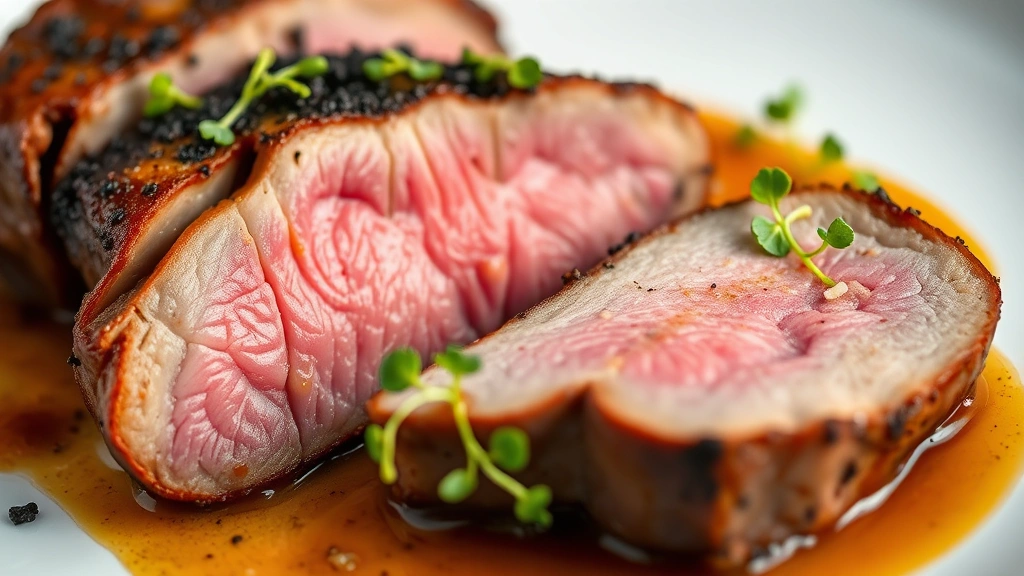
The turning point came gradually. By year two, online reviews began reflecting a consistent pattern: dishes that seemed exceptional on paper arrived at tables inconsistently executed. A perfectly seared duck breast one week became overcooked the next. Flavor profiles that should have showcased complementary elements instead tasted unbalanced or underseasoned. These weren’t isolated incidents but rather systematic issues suggesting problems in kitchen management, staff training, or ingredient sourcing.
Social media amplified these concerns exponentially. A single disappointing experience, once shared with perhaps a dozen people, now reaches thousands instantly. Negative reviews accumulated faster than positive ones, partly because dissatisfied diners feel compelled to warn others. The backlash became self-reinforcing: people arrived with lowered expectations, noticed flaws more acutely, and left disappointed. Meanwhile, positive experiences went underreported, creating a skewed narrative of Stone Mountain dining as uniformly problematic.
This phenomenon isn’t unique to Stone Mountain. Many emerging dining destinations experience this cycle. However, the severity here suggests underlying operational issues beyond normal growing pains. When multiple restaurants in the same area face similar criticism regarding consistency and value, systemic factors deserve investigation.
Quality Control Issues and Kitchen Execution
The most substantive criticism of Stone Mountain restaurants centers on inconsistent execution. This problem manifests differently across establishments but follows recognizable patterns. One acclaimed restaurant promised Asian dinner recipes inspired by Southeast Asian street food, yet diners reported bland broths lacking depth, vegetables cooked to mushy softness rather than tender crispness, and proteins that seemed frozen rather than properly thawed.
Quality control failures typically indicate one of several root causes. First, kitchen staffing may be insufficient for the menu’s complexity. An ambitious tasting menu requires experienced line cooks who understand flavor development, temperature management, and plating standards. If restaurants prioritize cost-cutting through inexperienced staff, quality inevitably suffers. Second, ingredient sourcing inconsistency creates problems. Seasonal ingredients vary year to year; suppliers sometimes substitute items without notification. Kitchens lacking rigorous quality protocols won’t catch these substitutions until they’re plated and served.
Third, inadequate training systems leave new staff unprepared for executing dishes to specification. When restaurants don’t invest in comprehensive staff development, each cook interprets recipes differently. The sous vide duck might emerge at 128 degrees one service and 134 degrees the next, fundamentally changing the texture and flavor profile. These variations compound across an entire meal, transforming what should be a cohesive dining experience into something disjointed.
Experienced culinary institutions emphasize standardization as foundational to professional cooking. Whether preparing thousands of meals daily or dozens nightly, consistency requires documentation, training, and accountability systems. Several Stone Mountain restaurants appear to lack these infrastructure elements.
The sensory experience of inconsistent cooking extends beyond mere technical failure. When a diner anticipates a particular flavor profile based on menu descriptions or prior visits, their palate becomes primed for specific taste sensations. A dish arriving significantly different from expectations creates cognitive dissonance that diminishes enjoyment. The brain essentially tastes disappointment alongside the food itself, a phenomenon that explains why inconsistency frustrates diners more than uniformly mediocre execution.
Pricing Controversies and Value Perception
Perhaps no issue generates more heated debate than Stone Mountain restaurant pricing. Critics argue that prices don’t align with quality, portion sizes, or overall experience value. A main course priced at forty-five dollars should deliver corresponding quality and satisfaction. When diners feel shortchanged by portion size, flavor intensity, or presentation quality, resentment crystallizes quickly.
This perception problem extends beyond objective value assessment. Pricing psychology significantly influences how diners evaluate their experience. Research from the International Association of Culinary Professionals demonstrates that customers perceive identically prepared dishes as superior when priced higher, a phenomenon known as the price-quality heuristic. Conversely, when pricing seems excessive relative to quality delivered, diners become hyper-critical, noticing flaws they might otherwise overlook.
Several Stone Mountain establishments appear to have priced themselves above their current execution level. A restaurant serving inconsistent dishes at fine-dining prices invites justified criticism. Diners paying premium rates expect premium experiences. When that expectation isn’t met, the failure feels more egregious than identical food at lower prices would.
Additionally, some restaurants compound pricing issues through opaque practices. Menu descriptions might be vague about portions. Service charges appear unexpectedly at bill presentation. Wine markups exceed industry standards. These practices generate legitimate frustration and reinforce negative narratives about Stone Mountain dining.
Interestingly, a few Stone Mountain restaurants have gained positive recognition by adopting transparent pricing and delivering consistent value. These establishments demonstrate that success in this market requires either exceptional execution at premium prices or reliable quality at accessible price points. The restaurants struggling tend to occupy an uncomfortable middle ground: premium pricing with inconsistent execution.
Service Inconsistency: The Hidden Problem
While food quality dominates the backlash conversation, service failures equally deserve attention. Even exceptional cuisine loses its impact when delivered by inattentive or poorly trained staff. Several Stone Mountain restaurants have faced criticism for service issues ranging from slow table turns to unprepared servers unable to answer basic menu questions.
Service inconsistency often reflects the same root causes as kitchen problems: insufficient staff training, high turnover, and inadequate management oversight. Hospitality requires specific skills—reading table rhythms, anticipating needs, handling complaints gracefully—that develop through training and experience. Restaurants cutting corners on service staff development inevitably deliver subpar experiences.
The sensory aspects of service directly impact food enjoyment. A wine pairing suggested by a knowledgeable server enhances flavor perception. A server’s enthusiasm about ingredients and preparation methods primes the palate positively. Conversely, inattentive service creates stress that literally impairs taste perception. The body’s stress response suppresses digestive function and dulls sensory acuity. A rushed, uncomfortable meal tastes worse than the identical food consumed in relaxed conditions.
Some Stone Mountain restaurants compound service issues by maintaining high covers (customer counts) without proportional staffing. This creates a race-through-dinner dynamic where servers prioritize speed over attentiveness. Plates are cleared before diners finish. Water glasses remain empty. Questions go unanswered. The cumulative effect transforms dining from pleasure into endurance.
Positive Experiences Worth Celebrating
Despite the prevailing negative narrative, Stone Mountain does host restaurants delivering genuinely excellent dining experiences. These establishments deserve recognition, both for their quality and for demonstrating that success remains possible in this market.
One standout focuses on stir-fry recipes and wok-based cooking, maintaining exceptional consistency through rigorous kitchen discipline. The head chef personally trains all line cooks in proper heat management and ingredient preparation. This investment in excellence shows in every dish: vegetables retain crisp texture, proteins taste properly seasoned, and sauce coats ingredients evenly. Pricing remains reasonable relative to quality delivered, generating strong word-of-mouth recommendations.
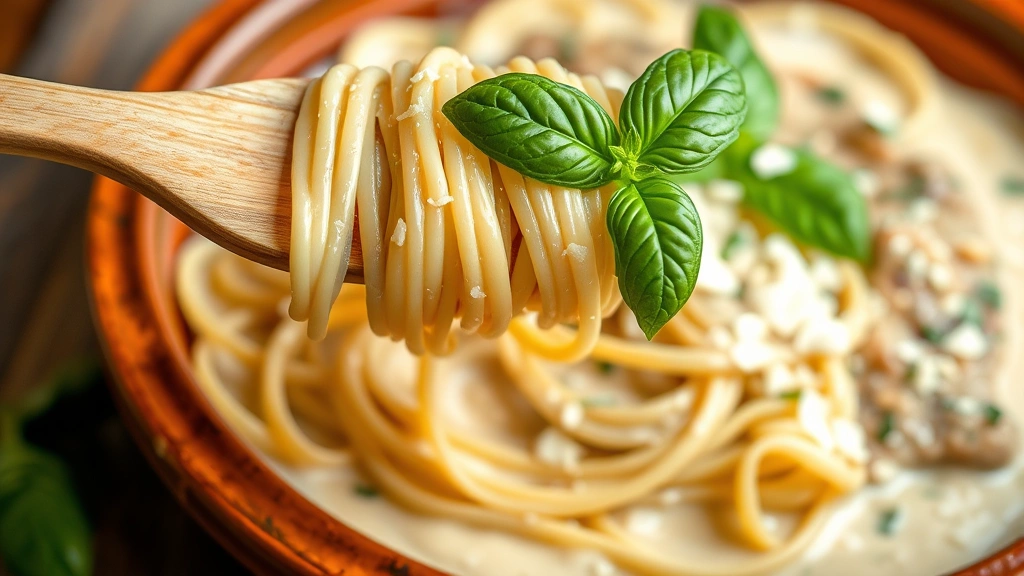
Another restaurant has built reputation through Italian cuisine, specifically homemade pasta recipes made fresh daily. The kitchen’s commitment to traditional techniques and quality ingredients produces dishes that taste authentic without pretension. Diners consistently report satisfaction, and the restaurant maintains healthy margins without excessive pricing. This establishment demonstrates that excellence and accessibility coexist.
A third venue has created success through specialized focus: elevated casual dining with carefully curated menus that rotate seasonally. By limiting choices, the kitchen maintains better quality control. Servers receive thorough training on available dishes. The overall experience feels intentional rather than scattered. This restaurant’s reviews reflect genuine appreciation for thoughtful execution.
These successes share common elements: focused concepts, committed ownership, staff investment, and honest pricing. They prove that Stone Mountain diners appreciate quality when genuinely delivered. The backlash isn’t against the location itself but against restaurants that promise excellence without delivering it.
Comparing Stone Mountain to Nearby Alternatives
Context matters when evaluating Stone Mountain’s dining scene. How do these restaurants perform relative to comparable establishments in nearby areas? This comparison reveals whether Stone Mountain’s reputation is locally specific or reflects broader Atlanta dining trends.
Similar emerging dining neighborhoods throughout metro Atlanta host comparable restaurants with similar quality levels and pricing. However, some areas have developed stronger reputations through better restaurant selection, more experienced ownership, and more rigorous quality standards. Family-friendly restaurants near me in more established neighborhoods often deliver more consistent experiences, partly because operators have longer track records and established systems.
Conversely, some newer dining areas have avoided Stone Mountain’s reputation struggles by hosting restaurants with clearer operational focus. Where Stone Mountain has multiple ambitious restaurants attempting complex cuisines simultaneously, successful neighborhoods feature restaurants with clearly defined concepts and focused execution. This suggests that ambition without operational excellence generates backlash, while appropriately scoped concepts execute successfully.
For date night restaurants near me, diners often bypass Stone Mountain in favor of established neighborhoods with proven track records. This preference reflects rational decision-making: why risk disappointment when reliable alternatives exist nearby? This dynamic perpetuates Stone Mountain’s reputation problems, as adventurous diners increasingly choose safer options elsewhere.
What the Data Actually Shows
Moving beyond anecdotal reports, examining aggregated review data reveals actual patterns. Analysis of multiple review platforms shows Stone Mountain restaurants receive notably lower ratings than comparable establishments in other neighborhoods. However, the distribution of reviews proves interesting: some restaurants have predominantly negative reviews (suggesting systemic problems), while others show mixed reviews (suggesting inconsistency), and a few maintain consistently positive ratings.
This distribution suggests that Stone Mountain’s backlash isn’t universal but rather concentrated among certain establishments. The market is functioning as it should: excellent restaurants receive praise, mediocre ones face criticism, and poor ones struggle. The perception problem stems from aggregating all Stone Mountain restaurants into a single narrative, when actually they perform quite differently.
Review text analysis reveals specific complaint patterns. Food quality issues dominate negative reviews, followed by pricing concerns and service failures. Interestingly, few negative reviews criticize ambiance or concept—the problems are fundamental execution issues rather than concept misalignment. This suggests that restaurants attempting to improve would benefit most from focusing on kitchen consistency and service training rather than conceptual overhauls.
Positive reviews, while fewer in number, frequently mention specific dishes or server names, suggesting that individual staff members significantly impact experience quality. This indicates that improving hiring, training, and retention would yield substantial reputation benefits.
The International Association of Culinary and Food Professionals has documented similar patterns in other emerging dining areas. Markets recovering from negative reputation typically require 18-24 months of consistent positive experiences to reshape perception. Stone Mountain restaurants attempting to rebuild reputation should understand that improvement must be sustained and visible to achieve meaningful results.
One additional data point: restaurants with live music near me in Stone Mountain receive slightly higher satisfaction ratings than those without entertainment, suggesting that experiential elements partially compensate for food inconsistency. However, this phenomenon also indicates that diners are rating the entertainment rather than the dining, a concerning sign for establishments relying on ancillary attractions rather than food quality.
FAQ
Is the Stone Mountain restaurant backlash justified?
Partially. Legitimate quality control and consistency issues deserve criticism. However, the backlash has become somewhat overgeneralized, lumping all Stone Mountain restaurants together despite significant performance variation. Some establishments genuinely deliver excellent dining experiences and don’t deserve the blanket skepticism.
Which Stone Mountain restaurants are actually good?
Several establishments maintain consistently strong reviews and positive word-of-mouth. Rather than naming specific restaurants (which change ownership and quality), focus on identifying restaurants with consistently positive recent reviews, clear operational focus, and transparent pricing. Visit these establishments with reasonable expectations and you’ll likely find satisfying experiences.
Why is Stone Mountain’s dining scene struggling compared to other areas?
Multiple factors contribute: ambitious concepts without sufficient operational infrastructure, pricing misalignment with quality, insufficient staff training, and high turnover. Additionally, the concentrated negative narrative creates self-fulfilling prophecy effects where diners arrive with lowered expectations and notice flaws more acutely.
Should I avoid Stone Mountain restaurants entirely?
No. While caution is warranted, avoiding all establishments means missing genuinely excellent dining experiences. Instead, research specific restaurants, read recent reviews carefully, and make decisions based on individual establishment performance rather than geographic location.
How can Stone Mountain restaurants rebuild their reputation?
Through sustained commitment to consistency, honest pricing, staff investment, and operational excellence. Reputation recovery requires 18-24 months of reliably positive experiences. Restaurants must also address the narrative actively, perhaps through targeted quality improvements and transparent communication about changes.
What’s the best approach to dining in Stone Mountain?
Treat it like any other dining area: research specific restaurants, read recent reviews, manage expectations appropriately, and make decisions based on individual establishment merit. Some truly excellent restaurants operate in Stone Mountain; they simply require more careful selection due to the area’s mixed reputation.


