Is Ten Ten Dim Sum Worth the Hype? A Food Critic’s Comprehensive Review
Ten Ten Chinese Seafood Dim Sum (天天渔港) has emerged as one of the most talked-about dim sum destinations in recent months, drawing crowds of enthusiastic diners seeking authentic Cantonese cuisine. The restaurant’s reputation precedes it, with social media buzzing about steaming baskets of har gow, siu mai, and innovative seafood creations that challenge traditional dim sum conventions. But does this establishment truly deserve the accolades, or is it merely riding the wave of culinary nostalgia and Instagram aesthetics? After multiple visits spanning different times of day and seasons, I’ve conducted an exhaustive exploration of Ten Ten’s menu, service quality, ambiance, and overall dining experience to answer this pressing question.
The dim sum culture represents centuries of Cantonese tradition, where small plates of delicacies accompany tea in a ritualistic celebration of flavor and craftsmanship. Ten Ten positions itself as a modern interpreter of this heritage, blending classical techniques with contemporary presentations. My investigation reveals a restaurant that generally delivers on its promises, though with notable inconsistencies that prevent it from achieving perfection. This review examines every dimension of the experience, from the moment you step through the doors to the final sip of jasmine tea.
First Impressions and Ambiance
Walking into Ten Ten, you’re immediately enveloped in the sensory theatre of a bustling dim sum parlor. The dining room spans two levels, with a soaring ceiling that captures the energy of hundreds of simultaneous conversations in Cantonese, Mandarin, and English. Red lanterns cast a warm, amber glow across tables laden with porcelain teacups and bamboo steamers. The aesthetic deliberately evokes Hong Kong’s legendary dim sum halls—think of the legendary City Hall Dim Sum in Central—while maintaining modern cleanliness standards and comfortable seating.
The restaurant’s design philosophy embraces controlled chaos. Rather than the sterile minimalism of some contemporary Chinese restaurants, Ten Ten leans into authentic disorder: servers navigating tight aisles with laden carts, the persistent clatter of ceramic on ceramic, the theatrical calling out of dishes as they emerge from the kitchen. For enthusiasts of genuine dim sum culture, this atmospheric authenticity registers as a significant strength. The noise level, however, reaches levels that might challenge those seeking intimate conversation; I recommend positioning yourself away from the kitchen entrance if tranquility matters to your experience.
Seating arrangements deserve mention because they reveal operational priorities. Tables are positioned close together, maximizing capacity over personal space. While this mirrors traditional dim sum house philosophy, it means your neighbors’ conversations become your ambient soundtrack. The restaurant thoughtfully provides individual tea settings and water glasses, though I noticed inconsistency in glassware quality across visits—sometimes crystalline, sometimes cloudy.
Dim Sum Classics: The Foundation
Any credible dim sum establishment must master the fundamentals. These aren’t vehicles for innovation; they’re tests of technique, ingredient quality, and respect for tradition. Ten Ten’s execution of classics demonstrates both strengths and occasional missteps.
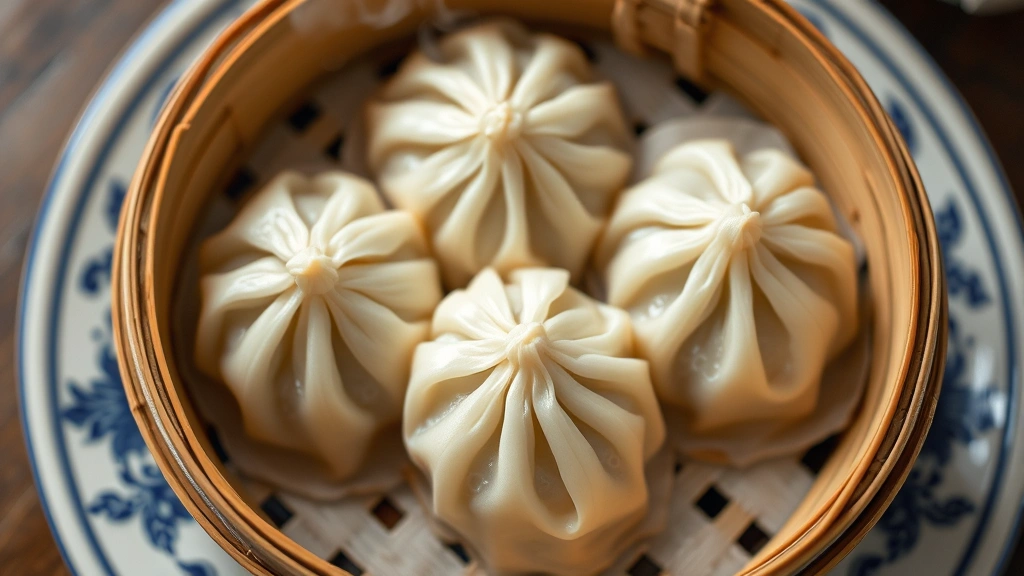
Har Gow (Shrimp Dumplings) represent the technical apex of dim sum craftsmanship. The wrapper—that delicate, translucent envelope of wheat starch and tapioca—must achieve a specific texture: tender enough to yield to your teeth without tearing, yet structured enough to contain the filling. Ten Ten’s har gow exemplifies consistency. Each dumpling presents a pristine pleated crown, the wrapper glistening with a subtle sheen that indicates proper steaming technique. The shrimp filling maintains a firm, springy texture that suggests fresh, quality seafood rather than frozen components. The filling-to-wrapper ratio leans slightly toward generous shrimp content, which some purists might view as imbalanced, though most diners celebrate the abundance of protein.
The accompanying bamboo steamer arrives at an optimal temperature—hot enough that steam rises visibly, but not so scorching that the wrapper becomes overly soft. This temperature control speaks to kitchen coordination and timing precision. I’ve sampled har gow at restaurants where the steamers sat in warming stations too long, resulting in slightly gummy textures; Ten Ten avoids this pitfall.
Siu Mai (Pork and Shrimp Dumplings) showcase similar technical competence. These open-topped dumplings feature a filling blend of seasoned pork, shrimp, and mushroom, topped with a single shrimp roe that provides visual appeal and textural contrast. The wrapper maintains structural integrity while remaining tender. The filling exhibits proper seasoning—neither oversalted nor underseasoned—with discernible individual components rather than a homogeneous paste. Ten Ten’s version includes a subtle umami depth suggesting the use of quality stock in the filling preparation.
Where Ten Ten occasionally falters involves the dim sum classics like chicken feet and offal preparations. During my third visit, the chicken feet (feng zhao) arrived underseasoned, lacking the robust soy-and-ginger profile that makes this dish memorable. The texture was appropriately tender—indicating proper braising—but the flavor profile felt muted. A subsequent visit yielded superior results, suggesting inconsistent seasoning protocols across kitchen shifts.
Cha Siu Bao (Barbecue Pork Buns) deserve particular attention because they reveal a restaurant’s baking philosophy. Ten Ten offers both the traditional steamed white bao and a baked golden version. The steamed iteration features a cloud-like crumb structure with a subtle sweetness from the dough. The cha siu filling—tender pork suspended in a glossy, caramelized sauce—distributes evenly throughout, with each bite delivering consistent flavor. The baked version presents a crispier exterior with a slightly drier crumb, which some prefer for textural contrast.
Seafood Innovations: Where Ten Ten Shines
Beyond dim sum classics, Ten Ten’s seafood-forward menu reveals where the kitchen’s creativity and ingredient access genuinely distinguish it. These dishes justify the restaurant’s name and positioning.
Scallop and Pea Shoot Dumplings represent sophisticated execution. The delicate scallop filling—barely seasoned to preserve the mollusk’s natural brine-forward sweetness—pairs beautifully with tender pea shoots that contribute peppery freshness. The wrapper receives a gentle pan-sear on one side, creating a golden, crispy base that contrasts with the steamed top. This textural interplay elevates the dumpling beyond standard preparations. The scallops themselves taste pristine, suggesting either exceptional sourcing or rapid turnover of inventory.
Shrimp Toast with Crispy Seaweed showcases kitchen confidence in executing Western-influenced dim sum. The shrimp paste, ground with minor aromatics, adheres beautifully to toasted bread triangles. The exterior achieves that coveted crispness—the result of proper oil temperature and brief frying duration—while the interior remains moist from the shrimp filling. A delicate seaweed garnish adds umami depth and visual sophistication. This dish represents the kind of fusion creativity that works when grounded in technical competence.
Lobster and Scallop Har Gow illustrates Ten Ten’s willingness to experiment with premium proteins. Rather than standard shrimp, this variation incorporates tender lobster knuckle meat and scallop chunks within the traditional wheat starch wrapper. The flavor profile becomes more complex—the lobster’s briny sweetness mingling with scallop’s delicate mineral notes. The wrapper itself must be sufficiently robust to contain these denser proteins without rupturing. Ten Ten executes this balance admirably, though the premium pricing (approximately double standard har gow cost) means you’re paying significantly for ingredient elevation rather than technique advancement.
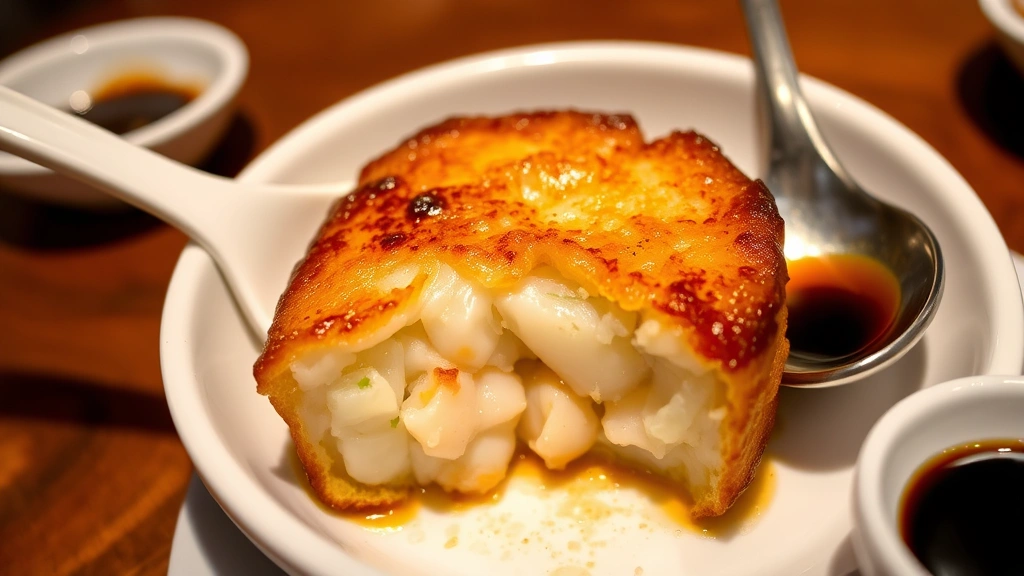
Pan-Fried Scallop and Vegetable Cake (sometimes listed as scallop radish cake) demonstrates the kitchen’s technical range beyond steamed preparations. The crispy exterior—achieved through patient pan-frying—gives way to a tender, custardy interior studded with scallop chunks and shredded daikon. The textural contrast between the caramelized exterior and soft interior provides genuine satisfaction. Accompaniments of light soy and chili oil allow customization of flavor intensity.
Service Experience and Pacing
Dim sum service operates under unique parameters compared to conventional dining. The traditional cart system, where servers navigate the dining room offering items directly, creates an interactive theatre but limits efficiency. Ten Ten employs a hybrid approach: certain items arrive via cart, while others are ordered from laminated menus.
The service staff demonstrates genuine knowledge of offerings and can articulate dish components, preparation methods, and flavor profiles. During one visit, a server accurately described the sourcing of live scallops and explained the seasonal variations in sweetness. This level of expertise suggests training programs emphasizing product knowledge beyond mere menu memorization.
However, pacing presents challenges. During peak hours (typically 11 AM to 1 PM on weekends), the kitchen struggles to maintain consistent delivery times. Ordered items might arrive within three minutes or twenty, seemingly without pattern. This inconsistency frustrates diners accustomed to more predictable service rhythms. Early morning visits (before 10:30 AM) yield significantly faster service, suggesting kitchen staffing optimization during peak periods remains incomplete.
Tea service deserves specific mention. Ten Ten offers an extensive selection of premium teas, from affordable house jasmine to aged pu-erh that commands substantial pricing. The tea preparation itself is competent—proper water temperature, appropriate steeping times—though I noted occasional lapses in tea freshness during afternoon visits, suggesting the leaves hadn’t been changed since lunch service began.
Value Assessment and Pricing
Pricing represents perhaps the most contentious aspect of Ten Ten’s positioning. The restaurant positions itself as premium dim sum, and pricing reflects this positioning. Standard har gow and siu mai cost $4-5 per order (typically three pieces), compared to $2.50-3.50 at less prestigious establishments. The question becomes whether the quality differential justifies the price premium.
For classical dim sum items, the value proposition is debatable. The har gow exhibits measurable superiority—fresher shrimp, more delicate wrappers, superior seasoning—but perhaps not to a degree that justifies 50-60% price inflation. However, specialty seafood items represent stronger value. The lobster har gow, scallop dumplings, and premium preparations command prices that align with ingredient costs and technical execution.
A typical dim sum experience for two diners—consuming 8-10 orders of dumplings, several vegetable or meat items, a dessert component, and tea—runs approximately $45-60 before tax and tip. This positions Ten Ten in the upper-middle tier of dim sum pricing, comparable to upscale establishments in major metropolitan areas but notably higher than casual dim sum parlors.
The value equation improves if you focus on specialty items rather than classics, and if you visit during off-peak hours when you can pace your meal leisurely. The restaurant’s ambiance and service quality justify some premium pricing, though not all of it.
Seasonal and Special Offerings
Ten Ten’s menu evolves with seasons and ingredient availability, a practice that honors dim sum tradition. During my spring visit, fresh bamboo shoot dumplings appeared—a delicate preparation where tender shoots are paired with minced pork and wrapped in delicate wrappers. The bamboo imparts subtle sweetness and a pleasant textural contrast. These seasonal items offer opportunities to experience the kitchen’s responsiveness to ingredient quality.
The restaurant occasionally features limited-time offerings announced via social media. During one visit, white truffle har gow appeared as a special—an ambitious preparation that, frankly, seemed unnecessary. The truffle’s earthy intensity clashed with the delicate shrimp and wrapper rather than complementing them. This experiment, while appreciated for its creativity, illustrated the risks of over-innovation on foundational items.
Dessert selections range from traditional egg tarts (rendered competently, with crispy pastry and silky custard) to more contemporary creations. Matcha panna cotta dumplings represent Ten Ten’s willingness to experiment with unexpected flavor combinations. The execution demonstrates technical competence—the panna cotta achieves proper texture, the matcha flavor registers clearly—though the conceptual pairing of Italian dessert technique with dim sum presentation feels somewhat forced.
The Verdict: Worth the Hype?
Ten Ten Dim Sum delivers a dining experience that justifies considerable enthusiasm while remaining imperfect. The restaurant excels in several critical dimensions: ingredient quality, particularly seafood sourcing; technical execution of classical dim sum items; ambiance that authentically evokes Hong Kong dim sum culture; and kitchen creativity that produces genuinely innovative preparations.
However, inconsistency—particularly in seasoning protocols, service pacing during peak hours, and occasional over-ambition in seasonal specials—prevents Ten Ten from achieving the rarefied status of truly elite dim sum establishments. The pricing, while defensible for specialty items, feels slightly aggressive for classical preparations that, while excellent, don’t dramatically exceed quality available at lower price points.
For enthusiasts of dim sum dining seeking a special occasion destination, Ten Ten warrants a visit, particularly if you time it for off-peak hours and focus on seafood-forward specialties. The har gow and scallop preparations alone justify the experience. For casual dim sum consumption, more economical alternatives exist that deliver nearly equivalent satisfaction.
Ten Ten represents the contemporary evolution of dim sum culture—respecting tradition while embracing innovation, prioritizing ingredient quality while maintaining culinary playfulness. The hype, while occasionally exceeding reality, isn’t entirely unwarranted. The restaurant occupies a genuine niche: elevated dim sum that takes itself seriously without descending into pretension.
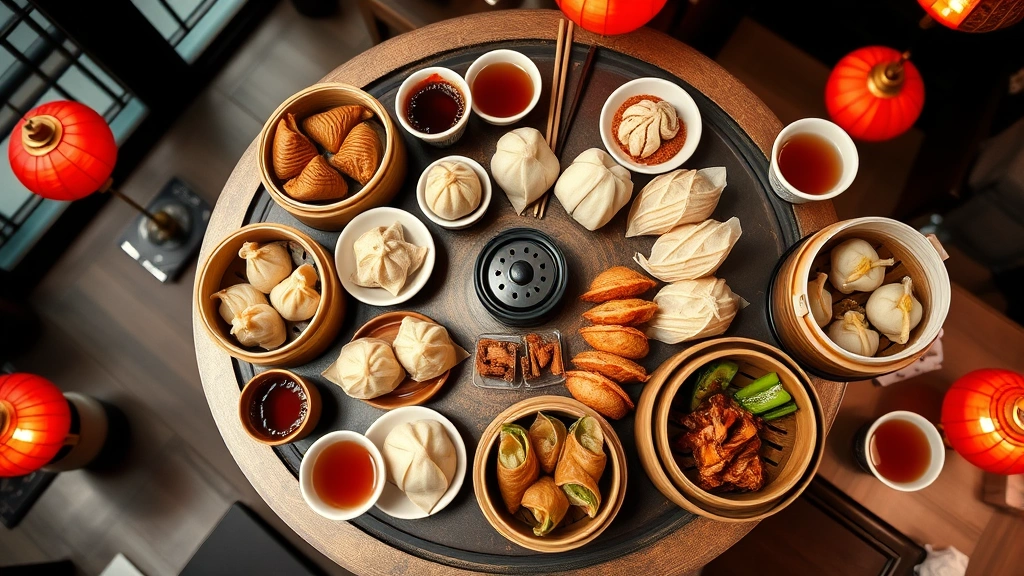
My recommendation: visit Ten Ten, but approach it with calibrated expectations. Come for the seafood specialties, arrive before 10:30 AM when possible, and order selectively rather than attempting to sample everything. The experience won’t revolutionize your understanding of dim sum, but it will provide genuine culinary satisfaction and validate why the restaurant has generated such considerable conversation.
For additional context on dim sum dining, consider exploring how restaurants accommodate dietary preferences within traditional dim sum frameworks. Many establishments, including Ten Ten, have expanded vegetarian offerings to include creative vegetable-based dumplings and plant-forward specialties that deserve attention.
FAQ
What time should I visit Ten Ten Dim Sum to avoid crowds?
Arrive before 10:30 AM on weekdays or immediately at opening (typically 10 AM) on weekends. Peak dining occurs between 11 AM and 1 PM, when service slows considerably. Afternoon service (after 3 PM) offers reduced crowds but diminished dim sum selection as the kitchen focuses on dinner preparations.
Does Ten Ten offer reservations for dim sum service?
Most dim sum establishments, including Ten Ten, operate on first-come, first-served basis during traditional dim sum hours. However, you can call ahead to inquire about wait times. For large parties (8+ people), advance reservations are typically recommended and may be accepted.
Are the dumplings at Ten Ten made fresh daily?
Yes, dim sum dumplings are prepared fresh throughout service. The wrappers are made in-house, and fillings are prepared daily using fresh ingredients. This is why timing matters—dumplings prepared during the morning rush taste superior to those prepared during slower afternoon service when filling components may have oxidized.
What should I order if I’m new to dim sum?
Begin with har gow (shrimp dumplings), siu mai (pork dumplings), and char siu bao (pork buns)—the foundational classics. Progress to chicken feet and tripe only if you’re comfortable with offal. At Ten Ten specifically, the scallop dumplings and lobster har gow represent excellent entry points into the restaurant’s specialty offerings.
How does Ten Ten’s dim sum compare to other high-end establishments?
Ten Ten occupies the upper-middle tier of dim sum pricing and quality. It exceeds casual dim sum parlors in ingredient quality and technical execution but doesn’t quite match the legendary status of institutions like traditional Hong Kong dim sum houses or Michelin-recognized establishments. For North American dining, it represents genuinely excellent execution.
Does Ten Ten accommodate dietary restrictions?
The restaurant offers vegetable-based dumplings and can accommodate some allergies, though cross-contamination risk exists in a busy kitchen. Inform servers of severe allergies immediately. Vegetarian diners should note that vegetable dumplings are prepared in the same kitchen as shellfish and seafood products.
What is the typical cost for a dim sum meal at Ten Ten?
Budget $35-50 per person for a satisfying meal including 8-10 dumpling orders, vegetable or meat items, dessert, and tea. Premium items like lobster har gow increase costs. Beverages beyond tea add additional expenses.
Can I order dim sum items for takeout?
Yes, Ten Ten offers takeout service, though dumplings don’t travel as well as dine-in preparations. Steamed items become slightly less tender during transport. Crispy items like scallop cake or shrimp toast maintain quality better than delicate steamed dumplings.