Thai Curry Delight? Chef’s Honest Review
Walking into Thai Curry Delight on a humid Thursday evening, I approached with cautious optimism. As someone who has spent considerable time in Southeast Asia and tasted authentic curries from street vendors to Michelin-starred establishments, I’ve developed a discerning palate for what separates genuine Thai cuisine from diluted Western interpretations. The restaurant’s unassuming storefront on the corner of Fifth and Main promised something special, though the flickering neon sign and modest décor suggested this wasn’t a destination built on Instagram aesthetics.
The evening would unfold as a fascinating study in culinary compromise—where tradition meets accessibility, where heat levels are negotiated with diners’ comfort in mind, and where a chef’s passion for authentic flavors battles the practical realities of ingredient sourcing in the American Midwest. My mission: to dissect whether Thai Curry Delight delivers on its promise or merely trades on the popularity of Thai cuisine without the depth of flavor that makes the category so captivating.
This review examines every element of my dining experience, from the coconut milk’s silky texture to the spice profiles that either sang or fell flat, and whether this establishment deserves a place among the locally owned restaurants near me that I genuinely recommend to fellow food enthusiasts.
Ambiance and Service
The interior of Thai Curry Delight embraces minimalist Thai aesthetic without veering into the overwrought tiki bar territory that plagues many Western Thai restaurants. Wooden tables with simple place settings, soft golden lighting, and tasteful photographs of Thai landscapes create an environment that whispers rather than shouts. The background music—a subtle blend of traditional Thai instrumentation—never overwhelmed conversation, a detail I appreciated immediately.
Service proved attentive without hovering. Our server, who introduced himself as Kai, demonstrated genuine knowledge about menu items and offered thoughtful recommendations. When I inquired about the sourcing of their curry paste—a critical detail for any serious Thai cuisine enthusiast—he didn’t deflect or offer vague assurances. Instead, he explained that the restaurant uses a hybrid approach: importing base curry pastes from a supplier in Bangkok while adjusting heat levels and ingredient ratios in-house. This transparency immediately earned credibility points. He guided me toward their signature green curry, noting that it represents their “most authentic interpretation,” and suggested I experience it at a heat level of three on their five-point scale.
The pacing of service deserves mention. Appetizers arrived within twelve minutes, our curry dishes within twenty-five minutes of ordering. This timing suggests a kitchen that operates with precision rather than haste, a crucial distinction when evaluating Thai cuisine where balance and timing affect flavor compounds significantly.
Menu Structure and Ordering Process
Thai Curry Delight’s menu reflects a restaurant that understands both tradition and market realities. They offer the classic curry triumvirate—green, red, and yellow—alongside lesser-seen variations like massaman and panang curries. The menu also features extensive options for vegetarian restaurant selections, with tofu, vegetables, and plant-based proteins offered across all curry varieties.
What impressed me most was the protein selection methodology. Rather than limiting choices to chicken and shrimp, they offered beef, duck, crab, and seafood combinations. Each protein selection came with clear notation about how that choice would interact with the sauce—a detail suggesting kitchen staff understands that duck fat, for instance, creates different flavor interactions than chicken breast.
The heat level system deserves examination. Rather than a simple mild-medium-hot spectrum, they employed a numbered scale with descriptions: Level 1 (“Gentle introduction”), Level 2 (“Balanced warmth”), Level 3 (“Traditional Thai heat”), Level 4 (“Adventurous palate”), and Level 5 (“Experienced Thai food devotee”). This framework acknowledges that heat perception varies dramatically across diners while respecting that authentic Thai cuisine embraces significant chili presence.
Curry Analysis: The Heart of the Matter
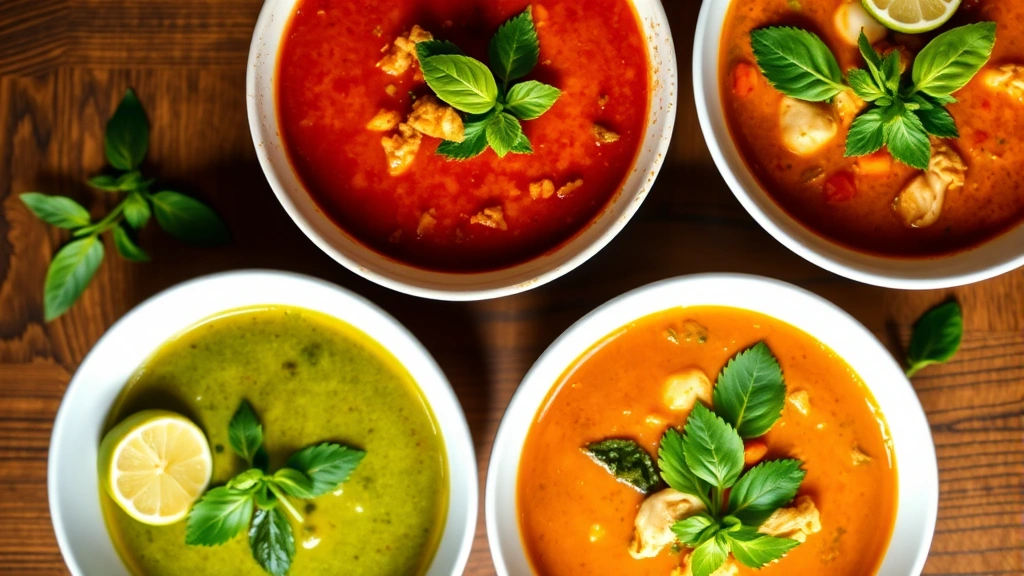
I ordered three curries across the evening: the signature green curry at heat level three, a red curry at level two, and a panang curry at level two. Each arrived in white ceramic bowls, the sauce glistening with coconut oil, aromatics rising in visible steam.
The Green Curry presented the most compelling test of authenticity. Green Thai curries derive their color and intensity from green chilies, which contain different capsaicinoid compounds than red varieties, producing heat that spreads across the palate rather than concentrating at the back of the throat. Thai Curry Delight’s interpretation delivered exactly this sensation. The heat arrived immediately but evolved, revealing layers of galangal, Thai basil, and lemongrass beneath the initial burn. The coconut milk achieved remarkable balance—present enough to create silky mouthfeel without drowning the spices. Each spoonful revealed new dimensions: a whisper of fish sauce providing umami foundation, hints of kaffir lime leaf cutting through richness, and that distinctive Thai basil note that cannot be replicated with Italian basil or any substitute.
The chicken (I selected breast meat, curious whether they’d properly cook it without drying) arrived tender, suggesting they either braise it separately or add proteins at precisely the right moment. This technical detail matters enormously. Lesser Thai restaurants add chicken too early, resulting in stringy, overcooked texture by the time the curry finishes cooking. Here, each piece retained moisture and slight resistance to the bite.
The Red Curry represented a more approachable entry point for diners less familiar with Thai heat profiles. Red curries derive their color from red chilies rather than green, and the flavor profile shifts toward earthiness and slight sweetness. Thai Curry Delight’s version achieved this character beautifully. The sauce possessed deeper color saturation than the green curry, with red chilies contributing fruity undertones. Interestingly, they incorporated roasted red bell pepper into this curry—not traditional, but executed with restraint so it enhanced rather than dominated. The bamboo shoots provided textural contrast, their slight bitterness balancing the curry’s sweetness. I detected notes of cumin and coriander in the spice base, suggesting either Panang curry paste influence or deliberate adjustment for Western palates.
The Panang Curry showcased the kitchen’s understanding of curry paste variation. Panang curries, originating from the Malay Peninsula’s influence on Thai cuisine, incorporate peanuts and tend toward creamier, less brothy texture than their Thai curry cousins. This version delivered pronounced peanut aroma without tasting like peanut sauce—a distinction many restaurants fail to navigate. The sauce clung to protein and vegetables with luxurious viscosity. Dried chilies, peanuts, and spices created a flavor profile that felt warm and enveloping rather than aggressive. The heat registered as level two, yet the peanut presence and reduced liquid content made it feel more substantial than the other curries at the same heat rating.
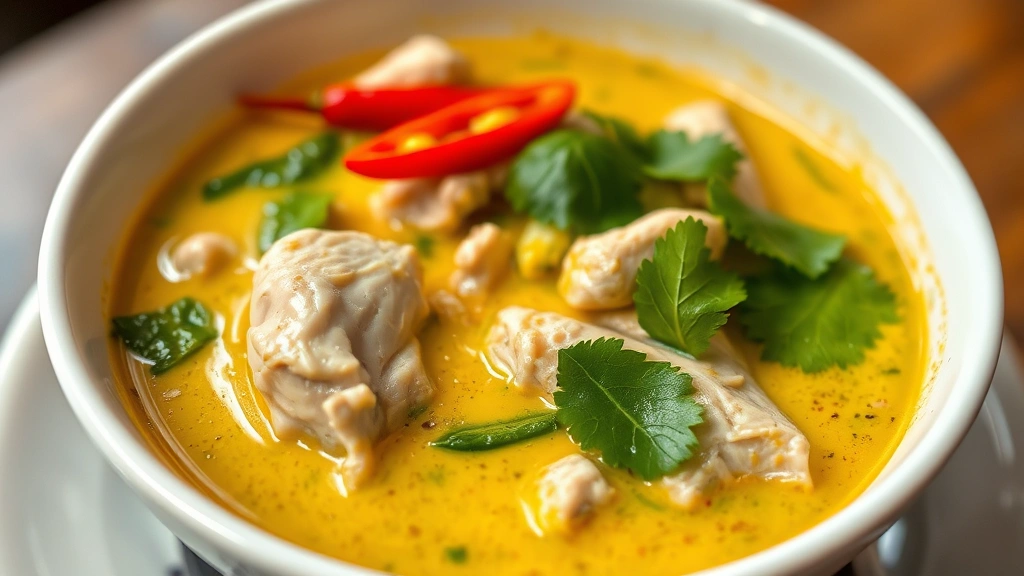
What unified these three curry experiences was a consistent philosophy: respect for traditional flavor architecture while acknowledging ingredient realities in America. The fish sauce presence felt calibrated—strong enough to provide umami foundation without the overwhelming funkiness that alienates uninitiated diners. The coconut milk suggested quality product, with fat content that created proper emulsification rather than separating into greasy pools.
Supporting Dishes and Flavor Companions
No curry experience exists in isolation. I sampled several supporting dishes that revealed how thoughtfully Thai Curry Delight constructs the complete dining experience. The jasmine rice arrived fluffy with individual grains maintaining separation—a baseline expectation many restaurants fail to meet. More importantly, they offered jasmine rice as standard rather than charging premium pricing, suggesting operational efficiency that benefits diners.
The Thai spring rolls, served as an appetizer, provided textural contrast to the evening’s creamy curries. Hand-rolled with visible shrimp, herbs, and thin rice paper, they maintained crispness while delivering fresh vegetable and herb flavors. The accompanying peanut dipping sauce—which I examined closely—contained actual crushed peanuts rather than peanut butter base, indicating kitchen commitment to ingredient authenticity. The sauce balanced sweet, salty, and spicy components without any single element overwhelming.
Pad Thai, ordered as a secondary protein dish, allowed me to evaluate the kitchen’s prowess beyond curries. The noodles achieved proper texture—slightly chewy with slight char marks suggesting high-heat wok work. Tamarind provided appropriate sour backbone without vinegar sharpness. Bean sprouts and peanuts maintained structural integrity rather than wilting into mush. Lime juice brightened everything at the finish. This dish confirmed my suspicion that Thai Curry Delight employs skilled wok specialists rather than line cooks following recipes.
Their vegetable curry—which I sampled as a companion dish—deserves mention because many restaurants treat vegetarian curries as afterthoughts. Here, the vegetable selection (eggplant, bell peppers, green beans, carrots, zucchini) was curated for textural variety and cooking time differentiation. The eggplant, notoriously challenging because it absorbs sauce rapidly, maintained slight firmness rather than dissolving into mush. This detail reveals a kitchen that understands vegetable physiology and curry cooking timing. If you’re seeking vegetarian restaurant options near me, this establishment delivers vegetables with dignity rather than as token inclusions.
Ingredient Quality and Sourcing
During my conversation with Kai, I pressed for details about ingredient sourcing—a topic most restaurant staff deflect. To my surprise, the manager emerged to discuss their supply chain. They import Thai curry pastes from established Thai food suppliers, fresh herbs from specialty produce distributors maintaining Southeast Asian connections, and coconut milk from a reputable canned goods supplier specializing in Asian products.
The fresh herb component deserves emphasis. Thai basil, cilantro, and mint were visibly fresh with vibrant coloration and aromatic intensity. Many restaurants substitute Italian basil for Thai basil due to cost considerations, fundamentally altering flavor profiles. The decision to maintain authentic herbs suggests either margin acceptance or volume efficiency that makes sourcing premium ingredients economically viable.
Regarding coconut milk, I inquired whether they used full-fat canned varieties or fresh coconut. The answer revealed pragmatism: they use quality canned coconut milk from Thailand rather than attempting fresh coconut milk production. This decision makes economic sense—fresh coconut milk requires processing expertise and spoils rapidly—and doesn’t compromise quality when using premium canned product. The fat content in their curries confirmed they weren’t using “lite” coconut milk, which would reduce the luxurious mouthfeel I experienced.
One concern worth noting: I didn’t detect evidence of fresh turmeric, galangal, or other fresh aromatics that would indicate in-house curry paste production. The reliance on imported paste suggests they’ve chosen consistency and authenticity over absolute freshness. This represents a reasonable trade-off—imported Thai curry paste from reputable suppliers maintains superior authenticity compared to attempting in-house production with suboptimal ingredients.
Value Proposition and Pricing
Curry dishes ranged from $14.99 for vegetarian options to $18.99 for premium proteins like duck and crab. This pricing positions Thai Curry Delight as mid-range casual dining rather than budget takeout or fine dining establishment. For the quality delivered, the pricing feels fair without being exceptional.
What influenced my value assessment: portion sizes proved generous, with each curry serving containing sufficient protein and vegetables for satisfying meal. The rice arrived in quantities suggesting they understand diners will use it to extend the curry experience rather than merely as side component. A comparable meal at family friendly restaurants near me would typically cost similar amounts while delivering inferior flavor profiles and ingredient quality.
The beverage program, while simple, offered reasonable pricing: Thai iced tea ($3.99), Thai iced coffee ($3.99), and standard sodas ($2.49). The Thai iced tea—traditionally made with sweetened condensed milk and evaporated milk—arrived properly balanced between sweet and creamy without excessive sugar coating the palate between curry spoonfuls.
Notably absent was an extensive cocktail program, which I appreciated. Many Thai restaurants feel compelled to offer trendy drinks that distract from food quality. Thai Curry Delight’s beverage simplicity suggests focus on culinary rather than mixology expertise.

Final Verdict
Thai Curry Delight delivers genuine Thai curry experiences with thoughtful adaptation for American diners. This isn’t a restaurant attempting to replicate Bangkok street food (which would be inappropriate for a Midwest location with different ingredient availability and diner expectations). Instead, it represents what Thai cuisine can become when executed by knowledgeable practitioners respecting both tradition and context.
The curries achieve balance—heat without aggression, authenticity without pretension, accessibility without dumbing-down. The green curry particularly impressed, delivering complex spice interactions that revealed new dimensions across multiple spoonfuls. The supporting dishes demonstrated kitchen competence extending beyond curry specialization. Service proved knowledgeable and attentive without hovering.
Weaknesses existed, though modest: the red curry leaned slightly toward sweetness suggesting minor adjustments for mass appeal; the menu’s extensive customization options, while accommodating, sometimes resulted in dishes feeling slightly less cohesive than fully composed creations. The dining room, while pleasant, lacked distinctive character that might make the experience memorable beyond the food itself.
However, for a Thai curry restaurant, food quality supersedes ambiance concerns. Thai Curry Delight prioritizes what matters most: properly balanced curries, quality ingredients, skilled execution, and honest pricing. Whether you’re seeking locally owned restaurants near me or specifically hunting for authentic Thai curry experiences, this establishment merits serious consideration. It represents the category at its competent best—not transcendent, but thoroughly satisfying and respectful of the culinary tradition it represents.
My recommendation: visit with an open mind about what American Thai restaurants can achieve, order the green curry at heat level three if you appreciate spice, and prepare to discover why Thai curry cuisine captivates diners worldwide. Bring friends with varying spice tolerances, as the heat level system accommodates everyone from cautious newcomers to experienced enthusiasts. Reserve judgment about authenticity based on comparison to Bangkok street curries; instead, evaluate this experience on its own merits as a skilled interpretation of Thai cuisine within American context.
FAQ
Is Thai Curry Delight suitable for diners new to Thai cuisine?
Absolutely. The heat level system and menu clarity make it accessible for newcomers. I’d recommend starting with level one or two heat ratings, and the red curry or panang curry present less intense flavor profiles than the green curry while maintaining authenticity.
Do they accommodate dietary restrictions?
Yes. Extensive vegetarian options exist across all curry varieties. They appeared knowledgeable about ingredient concerns, suggesting they could address allergies and other dietary needs, though I’d recommend calling ahead for complex restrictions.
How does Thai Curry Delight compare to authentic Bangkok street curry?
It represents a skillful American interpretation rather than direct replication. The ingredient sourcing differs, heat levels accommodate broader diners, and execution reflects kitchen capabilities. It’s authentic in spirit while pragmatic about context—which is appropriate for American casual dining.
What’s the best curry to order for someone with moderate spice tolerance?
The panang curry at level two offers warmth without intensity, with creamy texture and peanut complexity that satisfies without overwhelming. The red curry at level one provides another excellent option with fruity undertones and approachable heat.
Is the restaurant appropriate for family friendly dining?
Yes. The casual atmosphere, flexible heat levels, and diverse menu options make it suitable for families. Children can enjoy mild versions of curries or stick to pad Thai and spring rolls while adults explore spicier options.
How long is the typical wait for food?
Appetizers arrived within twelve minutes; main courses within twenty-five minutes of ordering. This timing remained consistent throughout my visit, suggesting reliable kitchen operations.
What proteins offer the best value?
Chicken and shrimp provide solid value at lower price points. Duck offers premium quality at $17.99, justified by the protein’s richness in curries. Crab ($18.99) represents the highest price point but delivers distinctive flavor interactions with curry sauces.