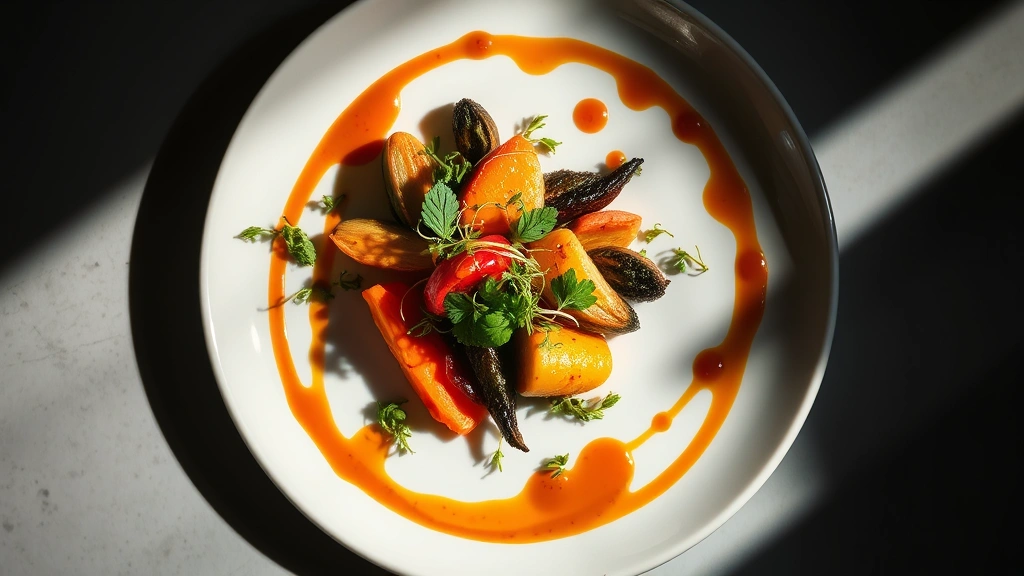
Themed Restaurants: Worth the Hype? Expert Review
Themed restaurants have become a cultural phenomenon, transforming dining into theatrical experiences that engage all the senses. From underwater-inspired establishments to medieval banquet halls, these venues promise more than just food—they offer escape, entertainment, and memorable moments. But beneath the elaborate décor and immersive atmospheres lies a critical question: do themed restaurants deliver exceptional culinary experiences, or are they primarily selling spectacle over substance? As a seasoned food tasting writer, I’ve visited dozens of themed establishments, evaluating everything from flavor profiles and ingredient quality to service consistency and overall value. This comprehensive review explores what makes themed restaurants tick, whether they’re worth your time and money, and how to identify the ones that truly excel.
The appeal of themed dining is undeniable. In our increasingly digital world, restaurants that create immersive environments tap into a primal human desire for escape and storytelling. Whether you’re seeking family-friendly restaurants near me or adventure-focused venues, themed establishments promise to transport you somewhere entirely different. However, the challenge for restaurateurs is maintaining culinary integrity while juggling elaborate production design, themed décor maintenance, and staff training. This balancing act doesn’t always succeed, and distinguishing between genuinely exceptional themed restaurants and those that prioritize ambiance over taste requires careful evaluation.
The Psychology Behind Themed Dining
Themed restaurants leverage powerful psychological principles that transform ordinary meals into memorable events. The concept of “experiential dining” has evolved significantly over the past two decades, driven by social media’s emphasis on Instagram-worthy moments and the human need for novelty. When diners enter a themed restaurant, they’re not simply consuming food—they’re participating in a narrative, adopting a role within a constructed world.
The multi-sensory engagement is crucial. Beyond taste and smell, themed restaurants employ visual design, ambient sound, lighting effects, and even tactile elements to create complete immersion. Research from the Culinary Institute of America demonstrates that environmental factors significantly influence flavor perception and overall dining satisfaction. A dish served in a dimly lit, medieval-themed tavern tastes fundamentally different than the same dish in a sterile white room, not because the food has changed, but because our brains process it differently.
This psychological advantage cuts both ways, however. While ambiance can elevate mediocre food, it can also mask poor execution. Diners may attribute disappointing flavors to the experience’s theatrical nature rather than recognizing fundamental culinary shortcomings. Conversely, exceptional food in a themed environment creates synergy—the narrative enhances rather than compensates for the cuisine.
Culinary Quality vs. Atmospheric Spectacle
The central tension in themed restaurant evaluation centers on the relationship between culinary excellence and atmospheric design. Budget constraints force difficult choices: money spent on elaborate theming is money not spent on premium ingredients, skilled chef recruitment, or kitchen innovation. High-end establishments recognize this trade-off and make strategic decisions about where to allocate resources.
Top-tier themed restaurants treat their kitchens as seriously as their front-of-house design. They employ experienced chefs, source premium ingredients, and develop sophisticated menus that complement rather than contradict their themes. When you visit a well-executed themed establishment, the food doesn’t feel like an afterthought—it’s integral to the narrative.
For example, an upscale steakhouse with a 1920s speakeasy theme should feature dry-aged beef, refined cocktails with house-made bitters, and classic preparations executed with precision. The theme enhances the experience by providing historical context and ambiance, but the primary focus remains culinary excellence. Conversely, casual-tier themed restaurants often prioritize entertainment value, accepting that food quality may be secondary to the overall experience.
Understanding a themed restaurant’s positioning within this spectrum is essential before dining. A casual pirate-themed seafood shack and a fine-dining nautical restaurant have entirely different value propositions. Both can be “worth it,” but for different reasons and with different expectations.
Types of Themed Restaurants and Their Merits
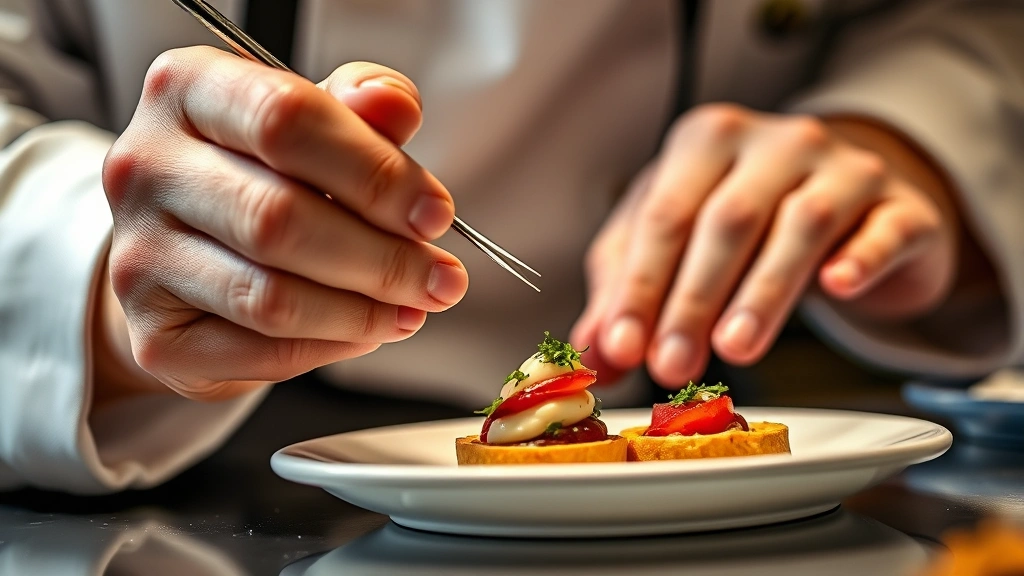
Themed restaurants exist across numerous categories, each with distinct advantages and challenges. Understanding these categories helps diners make informed decisions about which venues align with their expectations.
Historical and Period-Themed Establishments: Medieval banquet halls, Victorian tea rooms, and 1920s speakeasies offer the strongest thematic coherence. When executed well, these venues create authentic atmospheres that genuinely transport guests. The challenge lies in balancing historical accuracy with modern dining expectations. A medieval banquet hall that serves only period-accurate cuisine (heavy, meat-focused, limited vegetables) may struggle to satisfy contemporary palates expecting dietary variety. The best examples thoughtfully interpret their themes, offering creative menus that honor the period while accommodating modern sensibilities.
Location-Based Themes: Tropical tiki bars, Hawaiian-themed restaurants, and Moroccan riads immerse diners in distant cultures. These venues must navigate cultural sensitivity carefully, ensuring they celebrate rather than caricature the cultures they represent. Culinary authenticity becomes especially important here. A tiki bar that sources genuine tropical ingredients and employs bartenders trained in authentic tiki techniques offers genuine value. Those that rely on artificial flavors and shortcuts feel hollow. When seeking best lunch restaurants near me, location-themed venues often excel during daylight hours when natural illumination complements their environmental design.
Fantasy and Fictional Themes: Restaurants inspired by fantasy franchises, fictional universes, or fantastical concepts have exploded in popularity. These venues face unique challenges: they must balance fan expectations with practical dining requirements. A restaurant themed around a specific film or book series must make culinary decisions that feel thematically consistent. Does a wizard-themed restaurant serve elevated cuisine or comfort food? The answer should align with the universe’s logic, and the best examples make these choices deliberately rather than arbitrarily.
Activity-Based Themes: Dinner theaters, cooking show-inspired restaurants, and interactive dining experiences merge entertainment with eating. These concepts work best when the activity genuinely enhances rather than distracts from food quality. A dinner theater with mediocre food and amateur performances fails on both fronts. Those with professional-level entertainment and solid cuisine create genuine value through novelty and engagement.
The Hidden Costs of Themed Experiences
Themed restaurants typically command premium pricing compared to non-themed counterparts. Understanding where your money goes is essential for evaluating whether the experience justifies the expense.
Direct Costs: Elaborate décor, custom furniture, specialty lighting, and themed dishware all require significant capital investment and ongoing maintenance. These costs are reflected in menu prices. A burger at a casual burger joint costs less than an identical burger at a pirate-themed establishment, not because the food quality differs dramatically, but because the latter’s operational expenses are higher.
Labor and Training: Themed restaurants require extensively trained staff who understand their roles within the narrative. A server at a medieval banquet hall isn’t simply taking orders—they’re performing, maintaining character, and enhancing immersion. This specialized training increases labor costs. Additionally, themed establishments often have higher staff turnover as performers seek other opportunities, requiring constant recruitment and training investments.
Maintenance and Updates: Themed décor deteriorates faster than standard restaurant fixtures. Constant repainting, prop replacement, and mechanical maintenance (for animatronics, lighting effects, etc.) add ongoing expenses. Popular themed restaurants must also periodically refresh their concepts to maintain novelty, requiring additional capital investment.
Operational Complexity: Themed restaurants face unique operational challenges. Kitchen layouts must accommodate thematic requirements, sometimes compromising efficiency. A restaurant with a visible kitchen theater setup may sacrifice cooking speed for visual spectacle. These inefficiencies increase per-plate costs.
Recognizing these legitimate cost drivers helps contextualize pricing. A $28 entree at a mid-range themed restaurant may represent fair value when you account for the immersive experience, skilled performance, and specialized décor. However, if the food quality doesn’t match the pricing tier, the hidden costs feel less justified.
What Separates Excellence from Mediocrity
After evaluating numerous themed establishments, distinct patterns emerge that separate genuinely excellent venues from disappointing ones. These markers help guide your decisions when seeking halal restaurants near me or any specialized dining experience with thematic elements.
Intentional Thematic Integration: Superior themed restaurants weave their concepts throughout every element, including the menu. The food shouldn’t simply be good—it should feel thematically appropriate. Flavor profiles, preparation methods, ingredient selections, and presentation styles all reflect the established narrative. When a restaurant’s theme feels like window dressing rather than foundational concept, the experience suffers.
Ingredient Quality and Sourcing: Excellence demands commitment to ingredient quality regardless of thematic requirements. A steakhouse with a Western theme should source premium beef from reputable ranches. A Japanese-themed restaurant should source authentic ingredients from trusted suppliers. The best themed restaurants publish their sourcing practices, proudly highlighting relationships with specific farms, producers, or importers. This transparency signals confidence in their culinary standards.
Menu Development and Execution: Exceptional themed restaurants employ experienced chefs who understand both their culinary discipline and thematic requirements. These chefs don’t simply adapt existing recipes to fit themes—they develop original dishes that achieve thematic harmony while demonstrating technical skill. The menu should evolve seasonally, incorporating ingredient availability and culinary trends while maintaining thematic consistency.
Staff Training and Service Quality: Superior venues invest extensively in staff training. Servers understand menu details, can discuss ingredient sourcing, and provide knowledgeable recommendations. They maintain thematic character without allowing it to compromise service quality. If you can’t easily ask questions or modify dishes due to staff unfamiliarity, the restaurant is prioritizing performance over hospitality.
Consistency and Reliability: Excellence manifests through consistency. A themed restaurant worth revisiting delivers reliable quality across multiple visits, different times, and various menu selections. You should be able to trust that your experience won’t vary dramatically based on which chef or server you encounter. This consistency requires robust systems, thorough training, and genuine quality control.
Genuine Passion and Authenticity: The most compelling themed restaurants are created by people genuinely passionate about their concepts. Whether a chef obsessed with historical cuisine, an entrepreneur devoted to a particular fictional universe, or a team committed to cultural celebration, authentic passion manifests in decision-making. These restaurants feel alive rather than manufactured.
Finding Themed Restaurants Worth Your Money
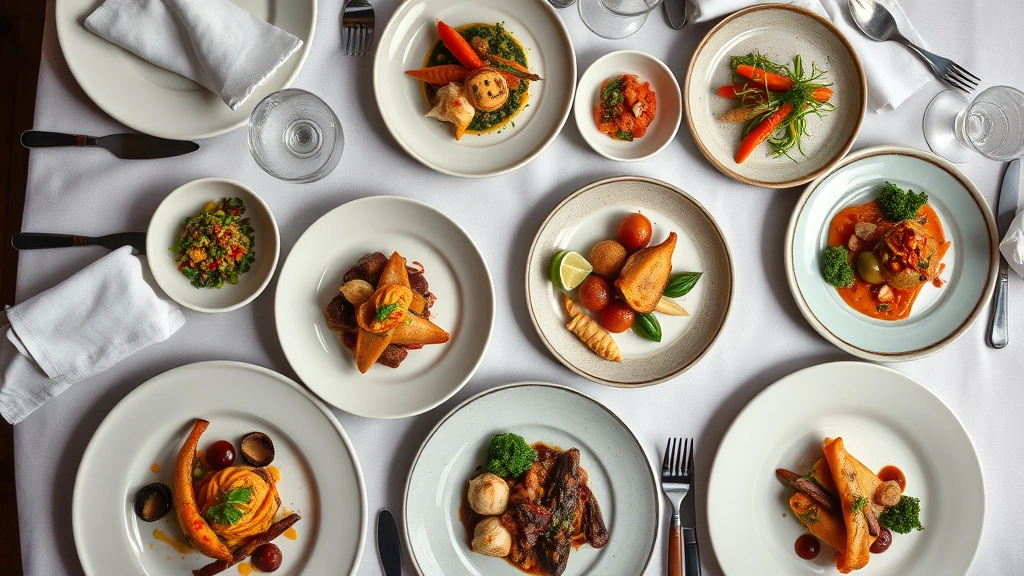
Strategic approaches help identify themed restaurants that deliver genuine value rather than merely selling spectacle.
Research Menu and Philosophy: Before visiting, thoroughly examine the restaurant’s menu, mission statement, and chef background. Restaurants with published chef biographies, sourcing statements, and thoughtful menu descriptions typically demonstrate serious culinary commitment. Look for evidence that the chef understands both their discipline and the thematic concept.
Check Professional Reviews and Ratings: Consult reviews from established food critics and culinary authorities. Sites like Zagat and Michelin Guide evaluate restaurants on culinary standards regardless of theme. If a themed restaurant receives recognition from these sources, it indicates genuine culinary excellence beyond atmospheric appeal.
Examine Social Media Thoughtfully: While Instagram photos showcase ambiance, look beyond aesthetics. Read detailed comments from diners discussing flavor, portion sizes, and value. Be skeptical of venues where 90% of discussion focuses on photo opportunities rather than food quality. Look for comments from repeat visitors—these indicate genuine satisfaction beyond novelty appeal.
Consider Your Priorities: Be honest about what you value. If you’re seeking entertainment and atmosphere for a special occasion, a mid-tier themed restaurant might be perfect. If you prioritize culinary excellence, seek themed restaurants in the fine-dining category or accept that theming is secondary to food quality. When exploring restaurants in Key West Florida or other destination venues, themed establishments often serve visitors seeking memorable experiences rather than serious food enthusiasts.
Start with Special Occasions: Test themed restaurants for special occasions rather than regular dining. This approach allows you to evaluate whether the premium pricing justifies the experience without significant financial risk. If you love it, you’ve found a venue worth revisiting. If disappointed, you’ve learned valuable information about your preferences.
Seek Recommendations from Food-Focused Communities: Consult food blogs, culinary forums, and communities of serious diners. These sources typically provide balanced perspectives that acknowledge both atmospheric appeal and culinary merit. The International Association of Culinary Professionals maintains directories of acclaimed restaurants worth exploring.
Ask About Kitchen Leadership: When making reservations, inquire about the executive chef and kitchen team. Restaurants proud of their culinary standards readily discuss their leadership. Evasive responses or inability to provide chef information suggests culinary quality may not be a priority.
Themed restaurants near you span an enormous spectrum of quality and value. The best examples prove that immersive experiences and culinary excellence aren’t mutually exclusive—they’re complementary when thoughtfully executed. Whether you’re planning best restaurants in London visits or exploring local options, approaching themed establishments with informed expectations ensures satisfying experiences.
For special occasions or when seeking what restaurants are open on Thanksgiving, themed venues offer genuine value through their combination of culinary skill and immersive entertainment. The key lies in selecting establishments where both elements receive serious attention rather than venues where one overshadows the other.
FAQ
Are themed restaurants more expensive than regular restaurants?
Generally yes. Themed restaurants carry higher operational costs including décor maintenance, specialized staff training, and unique design requirements. However, pricing varies dramatically based on the restaurant’s tier and concept. A casual themed restaurant may only cost slightly more than its non-themed equivalent, while fine-dining themed establishments command significant premiums. The question isn’t whether they’re more expensive, but whether the experience justifies the premium.
Do themed restaurants compromise food quality for ambiance?
Not necessarily. While some establishments do prioritize atmosphere over culinary excellence, many top-tier themed restaurants maintain exceptional standards for both. The distinction lies in a restaurant’s priorities and budget allocation. Establishments serious about culinary excellence allocate resources accordingly, ensuring premium ingredients and skilled kitchen leadership. Disappointing food indicates poor prioritization rather than an inherent flaw in the themed restaurant concept.
What’s the best way to evaluate a themed restaurant before visiting?
Research the chef’s background and culinary philosophy, examine the menu for thoughtful development and thematic integration, read reviews from food-focused sources, and check social media for substantive comments about food quality beyond photo opportunities. Contact the restaurant directly to ask about sourcing practices and kitchen leadership. These approaches provide reliable information about whether culinary quality matches atmospheric appeal.
Are themed restaurants good for family dining?
Many themed restaurants excel for family occasions. The entertainment value and immersive environment appeal to children and create memorable experiences. However, verify that the restaurant accommodates family needs—children’s menus, reasonable noise levels, and staff patience with younger diners. Some themed establishments prioritize adult experiences and may not welcome families, so research beforehand.
How do I know if a themed restaurant is culturally respectful?
Look for evidence of cultural consultation and education. Restaurants celebrating specific cultures should employ staff from those backgrounds, feature authentic recipes, and provide context about cultural significance. Be wary of establishments that treat cultures as costumes or reduce them to stereotypes. Read reviews from members of the represented culture—their perspectives reveal whether the restaurant celebrates or caricatures.
Should I visit themed restaurants multiple times?
If you genuinely enjoyed the experience and found the food quality high, revisiting is worthwhile. However, themed restaurants depend on novelty appeal, so subsequent visits may feel less magical than the first. Some excellent themed restaurants maintain appeal through evolving menus and seasonal updates. Others lose impact once the novelty fades. This doesn’t necessarily indicate poor quality—it reflects the nature of experiential dining.


