How to Use a 3 Compartment Sink: Chef’s Guide to Professional Dishwashing
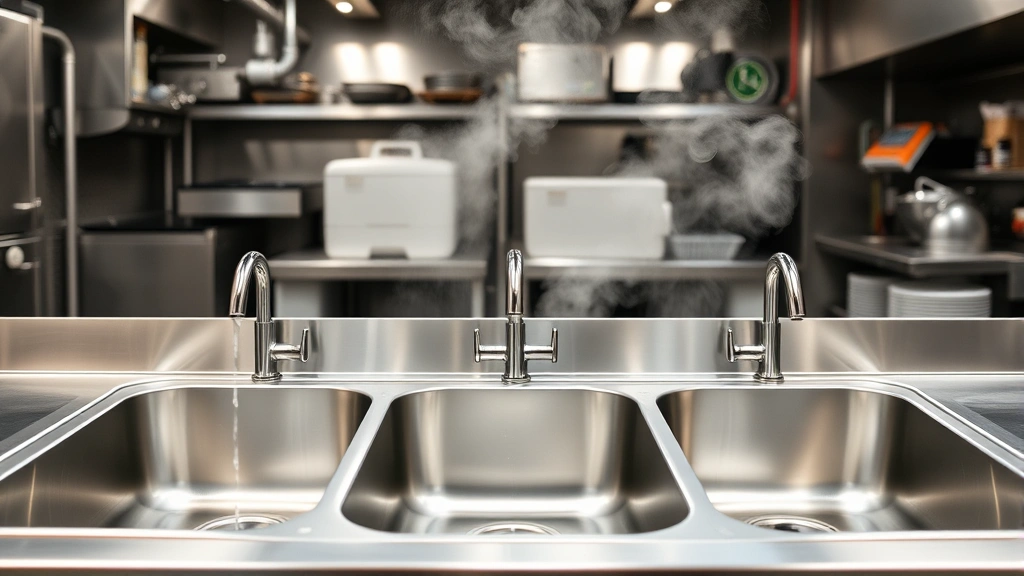
The three compartment restaurant sink stands as one of the most essential tools in any commercial kitchen, yet many home cooks and even some culinary professionals overlook its proper usage. This isn’t merely a washing station—it’s a carefully engineered system designed to maintain food safety standards, prevent cross-contamination, and ensure that every plate, utensil, and piece of cookware meets health department regulations. Whether you’re running a unique restaurant or managing a catering operation, mastering the three compartment sink technique is fundamental to your culinary success.
The beauty of this system lies in its simplicity and effectiveness. Each compartment serves a distinct purpose in the cleaning progression, creating a methodical approach that eliminates harmful bacteria, removes stubborn food particles, and sanitizes equipment to restaurant-grade standards. Understanding how to properly utilize each basin will transform your kitchen efficiency, reduce water waste, and most importantly, protect the health of everyone consuming the food you prepare. This comprehensive guide walks you through every step, from setup to maintenance, ensuring you become proficient in this critical kitchen operation.
Understanding the Three Compartment Sink Basics
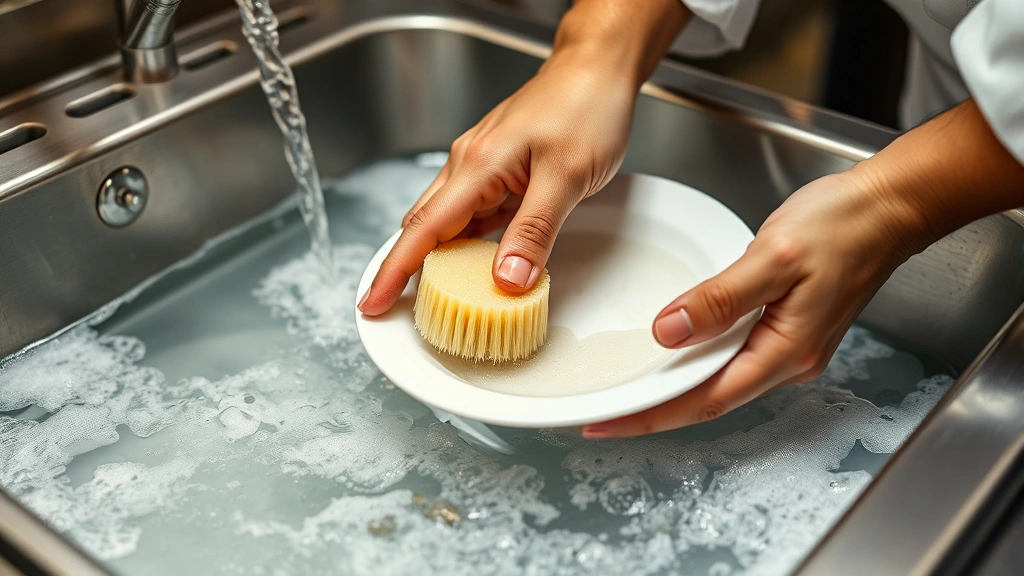
Before diving into the operational specifics, it’s essential to grasp why the three compartment restaurant sink exists and what makes it different from a standard household sink. The National Food Service Licensing Information System mandates this setup in commercial kitchens because it provides a fail-safe method for removing food debris, eliminating grease, killing pathogens, and achieving the sanitization levels necessary for food preparation areas.
Each compartment is intentionally designed with specific depths, drainage capabilities, and water retention properties. The typical setup measures approximately 18-24 inches in length per basin, with depths ranging from 12-14 inches. This standardization allows for proper water circulation, adequate soaking time, and efficient drainage. The three compartment arrangement prevents cross-contamination by ensuring dirty water never mingles with rinse or sanitizing solutions—a principle that separates professional food service operations from casual approaches.
The progression from wash to rinse to sanitize follows a logical sequence that mirrors the natural cleansing process. First, you mechanically remove visible soil and food particles. Second, you eliminate soap residue and loosened debris. Third, you apply chemical or heat-based sanitization to kill remaining microorganisms. This three-step methodology is recognized by the USDA Food Safety and Inspection Service as the gold standard for manual dishwashing in food service establishments.
First Compartment: The Wash Basin
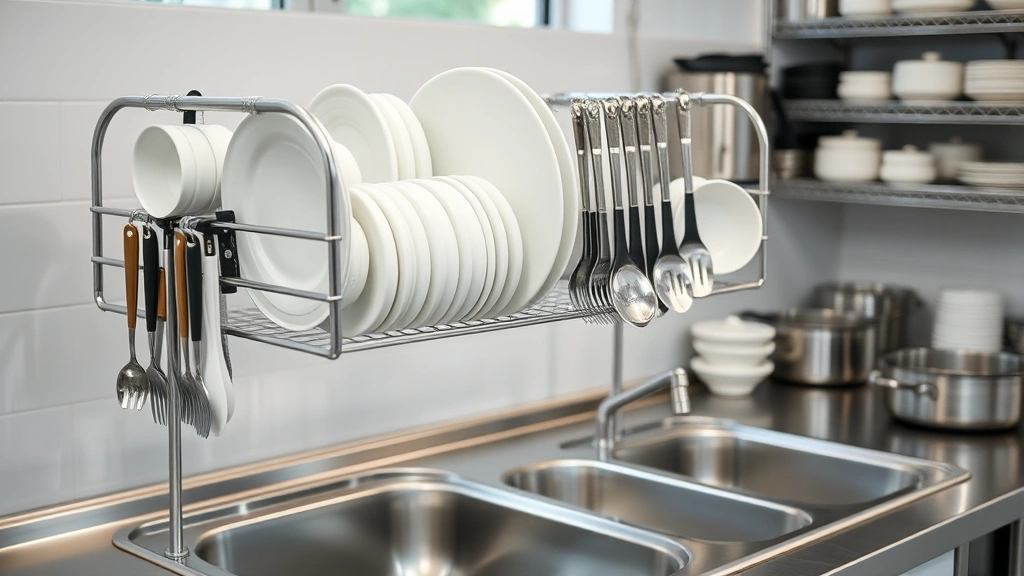
The first compartment serves as your primary cleaning station, where the hardest work happens. This basin contains hot water—typically between 110-120°F—combined with a commercial-grade detergent. The temperature is crucial; water that’s too cool won’t effectively break down grease and oils, while water that’s too hot can cause burns and reduce detergent effectiveness. The detergent you select should be specifically formulated for food service operations, designed to cut through restaurant-grade grease without leaving harmful residues.
When preparing your wash basin, fill it to approximately three-quarters capacity with hot water before adding detergent. Use the manufacturer’s recommended dosage—typically one to two ounces per full sink. Stir the solution thoroughly to ensure even distribution of cleaning agents throughout the water. The goal is to create a robust cleaning environment that can tackle everything from baked-on sauce residue to greasy sauté pans.
The actual washing process demands attention to detail. Submerge each item completely, using a soft brush or sponge to scrub away food particles and grease. Pay special attention to crevices, handles, and the undersides of plates where debris commonly hides. For items with stubborn, baked-on food, allow them to soak for several minutes before scrubbing. This softens dried particles and makes removal significantly easier. The wash basin should be changed every 4-6 hours during service or whenever the water becomes visibly cloudy or greasy—signs that it can no longer effectively clean.
Second Compartment: The Rinse Basin
The rinse basin represents your transition point, where you remove soap residue and loosened particles before sanitization. This compartment contains clean, hot water at approximately 110-120°F, free of any detergent. The absence of soap is critical; residual detergent left on dishes can affect food flavor and potentially cause digestive upset if ingested in significant quantities. Many professional kitchens use a spray nozzle attachment to rinse items, though submersion in clean water works equally well.
After washing, transfer items to the rinse basin and submerge them completely, agitating gently to remove soap bubbles and loosened food particles. If using a spray nozzle, hold items over the basin and rinse thoroughly from multiple angles. The water in this compartment should be changed frequently—typically every 2-3 hours or whenever it becomes cloudy or soapy. Some operations prefer to drain and refill the rinse basin every time they change the wash basin, ensuring consistently clean rinse water.
The rinse stage is where you can visually inspect items for cleanliness. If you notice remaining food particles or soap residue, return the item to the wash basin for additional scrubbing. Never proceed to sanitization with incompletely cleaned items, as sanitizers work best on physically clean surfaces and may be rendered less effective by food debris or grease.
Third Compartment: The Sanitize Basin
The final compartment is where sanitization occurs, the critical step that eliminates pathogenic microorganisms and reduces bacterial populations to safe levels. You have two primary options for sanitization: chemical sanitizers or hot water.
Chemical Sanitization: Most commercial kitchens use quaternary ammonium (quat) or chlorine-based sanitizers. These solutions are mixed according to manufacturer specifications—typically resulting in concentrations of 200-400 ppm (parts per million) for quats or 50-100 ppm for chlorine. The sanitizing solution should be prepared fresh daily and tested regularly using test strips to ensure proper concentration. Items are submerged for the manufacturer’s recommended time, usually 30 seconds to 1 minute, allowing the chemical to contact all surfaces.
Hot Water Sanitization: Alternatively, you can use water heated to 171°F or higher for a minimum of 30 seconds. This thermal method is particularly effective for items that may be damaged by chemicals or when chemical sanitizers are unavailable. The challenge with hot water sanitization is maintaining proper temperature; most operations use a thermometer to verify water remains in the safe range.
Regardless of your chosen method, the sanitize basin should be monitored constantly. Chemical solutions must be tested every 4 hours using appropriate test strips, with results documented for health inspections. Hot water requires a thermometer check every 30 minutes. Never reuse sanitizing solutions across multiple shifts; always prepare fresh solution when beginning a new service period.
The Complete Washing Procedure
Executing the three compartment sink process correctly requires following a specific sequence that ensures nothing falls through the cracks. Begin by preparing all three compartments before you start washing. Fill the first basin with hot water and detergent, the second with clean hot water, and the third with either sanitizing solution or hot water heated to the appropriate temperature. Verify all water temperatures and chemical concentrations before proceeding.
Scrape all large food particles and debris from dishes, pans, and utensils into the garbage or compost. This pre-rinsing step prevents food waste from accumulating in your wash basin, which would quickly reduce its effectiveness. Some operations use a pre-rinse spray station for this purpose, though a simple scraping with a rubber spatula works effectively.
Submerge items in the wash basin and scrub thoroughly with a brush or sponge. For pots and pans, pay attention to the interior surfaces, exterior bottoms, and handles. For dishes, ensure both sides are cleaned, particularly the undersides where food particles cling. Allow time for hot water and detergent to work on stubborn residue; patience here saves time and effort later.
Transfer cleaned items to the rinse basin, submerging completely and agitating to remove all soap. If you notice any remaining food or soap residue, return the item to the wash basin for additional cleaning. This quality control step prevents contaminated items from reaching your dining room.
Place rinsed items in the sanitize basin, ensuring complete submersion for the required time. Use a timer to track sanitization duration—this is not an area for guesswork. Once the timer sounds, remove items carefully and allow them to air dry in a designated clean area. Never wipe sanitized items with towels or cloths, as this reintroduces bacteria and defeats the purpose of sanitization.
Document your process. Record when you changed each basin’s water, sanitizer concentration test results, water temperatures, and any issues encountered. This documentation proves compliance with health codes and provides valuable data for identifying patterns or problems.
Water Temperature and Chemical Solutions
Temperature control represents one of the most critical yet often overlooked aspects of three compartment sink operation. Hot water serves multiple purposes: it accelerates grease breakdown, improves detergent effectiveness, kills some bacteria through thermal action, and promotes faster drying. However, water that’s too hot becomes unsafe for workers and can damage certain items like plastic handles or delicate glassware.
The recommended temperature range of 110-120°F for wash and rinse basins provides optimal cleaning without excessive heat danger. Sanitization water should reach 171°F minimum, creating a thermal kill mechanism for pathogens. Invest in accurate thermometers and check temperatures regularly throughout your service period, as water naturally cools over time.
Chemical sanitizers require precise mixing. Most commercial sanitizers come with detailed instructions specifying the exact amount needed for different water volumes. Using too little sanitizer leaves pathogens alive; using too much wastes product and potentially leaves chemical residues on food contact surfaces. Test strips provide visual confirmation of proper concentration—typically indicated by color change. Keep records of all test results for health department inspections.
Different food service establishments may prefer different sanitizers based on their specific needs. Chlorine-based sanitizers work quickly but break down rapidly in hot water and can corrode certain metals. Quaternary ammonium sanitizers remain stable longer and work effectively across a wider temperature range but may be less effective against certain pathogens. Consult with your local health department and equipment supplier to determine the best option for your operation.
Maintenance and Health Standards
Proper maintenance of your three compartment sink extends its lifespan and ensures consistent performance. Daily cleaning of the sink itself—scrubbing the basins, drains, and surrounding surfaces—prevents bacterial growth and maintains a sanitary appearance. Food debris accumulation in drain pipes can create clogs and foul odors, so regular drain cleaning is essential.
Weekly deep cleaning should include removing and cleaning drain screens, flushing drain pipes with hot water or appropriate cleaning solutions, and inspecting all compartments for damage or wear. Monthly maintenance might involve professional servicing of any spray attachments or temperature monitoring equipment.
Health code compliance requires maintaining detailed records of your three compartment sink operations. Document daily checks of water temperatures, sanitizer concentrations, and basin water changes. Create a simple log sheet that employees initial when completing these tasks, creating accountability and providing documentation during health inspections. Most health departments expect to see these records when conducting routine or complaint-based inspections.
Train all staff members on proper three compartment sink usage. Many health code violations stem from employee misunderstanding rather than malicious negligence. Regular training sessions, posted instructions near the sink, and periodic supervision ensure consistent compliance. When visiting best lunch restaurants near me, you’ll notice professional establishments emphasize this training because they understand its importance to food safety.
Common Mistakes to Avoid
Even experienced food service professionals occasionally slip into habits that compromise three compartment sink effectiveness. One common mistake involves allowing water to become too cool or too greasy before changing it. Some staff members think they’re conserving water or detergent by extending basin life, but this false economy results in inadequate cleaning and potential food safety violations. Change water and sanitizer on schedule, every single time.
Another frequent error is skipping the rinse basin entirely, moving items directly from wash to sanitize. While this might save a few seconds per item, it leaves soap residue that interferes with sanitizer effectiveness and potentially affects food flavor. The three-step process exists for valid reasons; shortcuts undermine food safety.
Improper sanitizer concentration represents another critical mistake. Some operations guess at the correct amount rather than using test strips, leading to either ineffective sanitization or chemical residue on food contact surfaces. Always measure, test, and document. Temperature inaccuracy similarly compromises sanitization; verify temperatures multiple times throughout service rather than assuming they remain constant.
Never reuse sink water across shifts. Starting fresh with each new service period ensures you’re beginning with a clean slate. Residual bacteria and debris from previous shifts can compromise current cleaning efforts. Additionally, avoid mixing different types of items with vastly different cleaning needs in the same basin change cycle; for example, heavily soiled pots should be washed before delicate glassware to prevent breakage and cross-contamination.
Finally, don’t neglect the sink itself. A dirty, debris-filled three compartment sink cannot effectively clean dishes. Daily cleaning and maintenance of the sink unit itself is just as important as proper operation of the basins.
FAQ
What’s the ideal water temperature for each compartment?
The wash and rinse basins should maintain water temperatures between 110-120°F for optimal cleaning and worker safety. The sanitize basin requires either 171°F or higher for hot water sanitization, or a properly mixed chemical sanitizer solution tested to the correct concentration. Always verify temperatures using accurate thermometers.
How often should I change the water in each basin?
The wash basin should be changed every 4-6 hours during service or immediately if the water becomes visibly cloudy or greasy. The rinse basin typically needs changing every 2-3 hours or whenever it shows signs of contamination. The sanitize basin requires fresh solution at the start of each service period and whenever chemical concentration tests indicate insufficient sanitizer levels.
Can I use a dishwasher instead of a three compartment sink?
While commercial dishwashers are excellent for high-volume operations, many establishments use three compartment sinks as backup or for items unsuitable for machine washing. The manual method provides flexibility and ensures compliance in settings where dishwashers aren’t available or practical. Many health codes actually require three compartment sink capability as a backup system.
What should I do if an item isn’t clean after the wash basin?
Return it immediately to the wash basin for additional scrubbing. Never proceed to rinse or sanitize with incompletely cleaned items. Allow extra soaking time for stubborn debris, use a stiffer brush if needed, and ensure you’re using adequate detergent concentration. Forcing dirty items through the system compromises food safety.
Are chemical or hot water sanitizers more effective?
Both methods are effective when properly implemented. Chemical sanitizers work quickly and are often preferred for high-volume operations. Hot water sanitization works well for items that might be damaged by chemicals. Your choice depends on your specific operation, equipment, and local health department recommendations. Whatever method you choose, consistency and documentation are essential.
How do I maintain my three compartment sink?
Daily cleaning of the basins and surrounding surfaces is essential. Weekly, clean drain screens and flush pipes. Check drain systems regularly to prevent clogs. Inspect basins for damage or wear that might compromise function. Professional servicing of temperature monitoring equipment or spray attachments should occur monthly. Always maintain detailed records of maintenance activities and operational checks.
What happens during a health inspection regarding the three compartment sink?
Health inspectors examine your three compartment sink setup, verify water temperatures and sanitizer concentrations, review your maintenance logs, and observe staff performing the washing procedure. They’ll ask to see documentation of temperature checks, sanitizer testing, and basin water changes. Inspectors may also test dishes to verify proper sanitization. Maintaining detailed records and following proper procedures consistently ensures passing inspections.
Can I use regular dish soap instead of commercial detergent?
No. Regular household dish soap creates excessive suds in a three compartment sink, interfering with proper rinsing and potentially leaving residues on food contact surfaces. Commercial food service detergents are specifically formulated to work effectively in hot water without creating problematic suds. Using the correct product ensures proper cleaning and compliance with health codes.


