Table of Contents
Introduction
Vegetarian pasta is having a moment—and honestly? It’s about time. Whether you’ve been vegetarian for years or you’re just trying to eat a little less meat, pasta offers this amazing canvas for flavor that doesn’t need any help from chicken or beef. More people are discovering what vegetarians have known all along: you can create incredibly satisfying, delicious meals without a single piece of meat. And the best part? Your wallet (and the planet) will thank you.
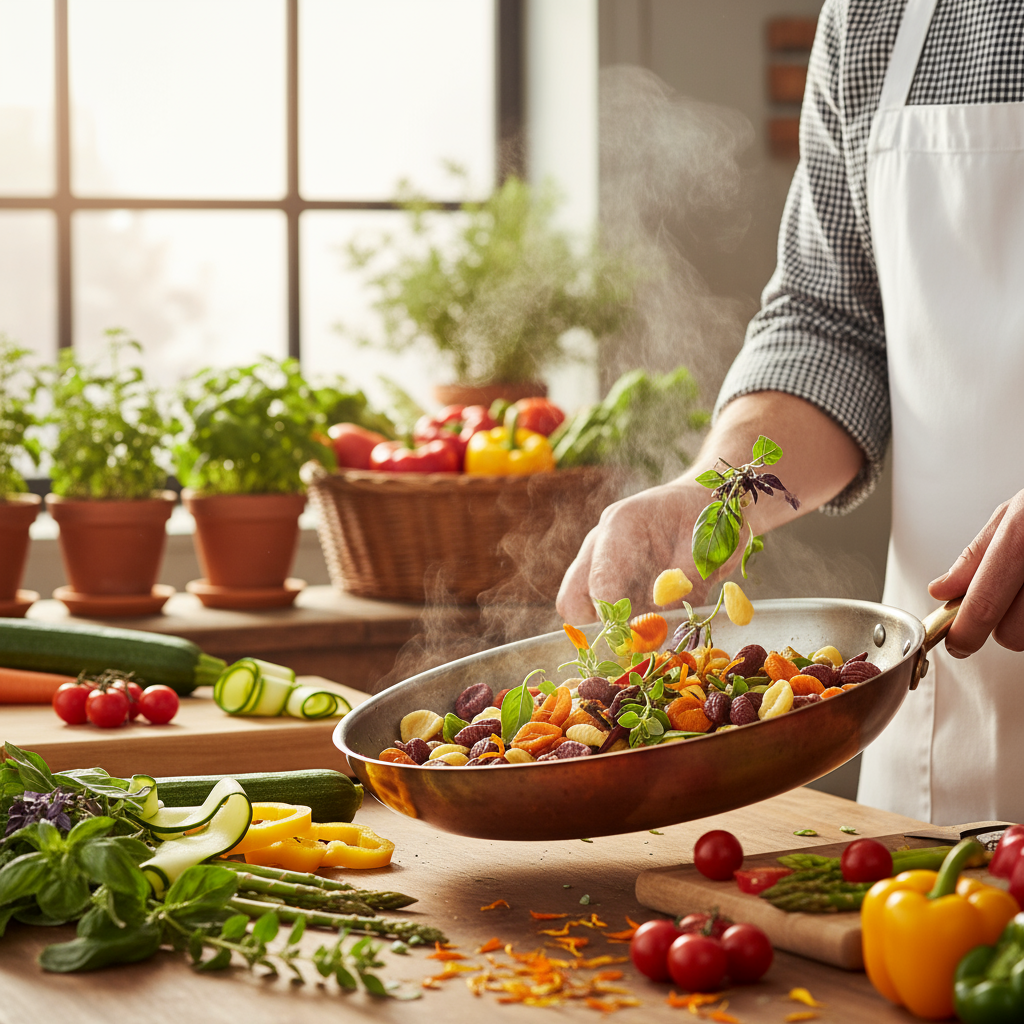
Here’s what I love about vegetarian pasta—it’s like having a blank canvas that welcomes every color in the veggie rainbow. Think vibrant red tomatoes bursting with summer flavor, earthy mushrooms that add serious depth, or fresh basil that makes everything smell like an Italian grandmother’s kitchen. From rich, creamy alfredo loaded with roasted vegetables to bright, zippy pestos that wake up your taste buds, vegetarian pasta proves that plant-based cooking is anything but boring. Want to take your veggie game to the next level? Check out these vegetarian meal prep ideas that’ll help you plan meals that actually fit into your real life.
Let’s talk nutrition for a second (because who doesn’t want to feel good about what they’re eating?). When you load up your pasta with colorful vegetables like bell peppers, spinach, zucchini, and tomatoes, you’re not just making it pretty—you’re packing in vitamins and minerals your body actually craves. But here’s the thing about vegetarian meals: protein matters. Toss in some beans, lentils, or tofu, and suddenly you’ve got a meal that’ll keep you satisfied for hours. Those foods rich in antioxidants aren’t just good for you—they taste incredible too.
Now, about pasta itself—this is where things get interesting. Sure, you could stick with regular spaghetti (and there’s nothing wrong with that), but have you tried whole wheat? It’s got this nutty flavor that’s actually amazing with robust sauces. Need gluten-free? No problem. These days you can find pasta made from chickpeas, lentils, even zucchini. Each type brings its own personality to the table, so don’t be afraid to experiment until you find your favorites.
What You’ll Learn in This Guide
We’re going to dive deep into everything that makes vegetarian pasta so special. By the time you’re done reading, you’ll have all the tools you need to create restaurant-quality dishes at home. Here’s what we’ll cover:
- Popular Vegetarian Pasta Varieties: From classic marinara to creamy cheese sauces and fresh pesto—we’ll explore what makes each style unique and when to use which.
- Nutritious Ingredients: The best vegetables, plant-based proteins, and pasta types that’ll turn your dinner into something both delicious and nourishing.
- Preparation Techniques: Step-by-step instructions for perfect pasta, killer sauces made from scratch, and how to bring everything together like a pro.
- Flavor and Presentation Enhancements: Simple tricks with herbs, spices, and plating that’ll make your dishes look (and taste) like they came from a fancy restaurant.
The beauty of vegetarian pasta? It’s surprisingly forgiving. Mess up the timing a little? No big deal. Can’t find exactly the right ingredient? Substitute away. This isn’t stuffy, complicated cooking—it’s fun, creative, and flexible enough to work with whatever you’ve got in your fridge. Speaking of creativity, if you’re feeling ambitious, these best homemade pasta recipes will take your cooking game to a whole new level.
What’s coming up next will change how you think about pasta night. We’ll walk through specific recipes that actually work, ingredient swaps that won’t leave you disappointed, and cooking techniques that guarantee success every single time. Whether you’re cooking for one on a Tuesday night or hosting a dinner party, you’ll have options that impress without stressing you out.
Ready to transform your kitchen into an Italian trattoria? Let’s make some magic happen with vegetables, pasta, and flavors that’ll have everyone asking for seconds (and thirds). Trust me—once you master these techniques, you’ll wonder why you ever thought vegetarian meant boring.

Here’s what I love about vegetarian pasta—it’s not just about removing the meat and calling it a day. These dishes have become seriously popular because they’re incredibly versatile and, let’s be honest, absolutely delicious. Whether you’re a lifelong vegetarian or just trying to eat more plants, pasta offers this amazing canvas for flavors and textures that’ll surprise you. We’re talking everything from bright, zesty tomato sauces to rich, creamy cheese-based dishes and those vibrant pestos that make your kitchen smell like heaven. Each style brings something completely different to the table, and that’s what makes vegetarian pasta so exciting to cook and eat.
Popular Types of Vegetarian Pasta
Let’s dive into the world of meat-free Italian cooking—and trust me, there’s way more variety here than you might expect. Classic tomato-based pastas? They’re all about showcasing the pure, bright flavors of fresh herbs and vegetables. There’s something magical about the way that tangy tomato sauce contrasts with the comforting, satisfying texture of good pasta. These recipes keep things simple but never boring, which is probably why they’ve become such a staple in vegetarian kitchens everywhere. If you want to take things up a notch, check out these best homemade pasta recipes—because when your pasta is made from scratch, it makes every sauce taste that much better.
Now, let’s talk about the indulgent side of things: creamy, cheese-based pastas. These are the dishes that convert skeptics into vegetarian pasta believers. Picture this—rich ricotta, sharp parmesan, and smooth cream creating this luscious sauce that clings to every piece of pasta. But here’s the thing: the best versions balance that indulgence with wholesome ingredients, so you end up with something satisfying without feeling overly heavy. And if you’re feeling inspired to round out the meal, you might want to explore some best homemade cookie recipes for the perfect sweet ending to your savory pasta feast.
Key Aspects of Popular Vegetarian Pastas
Each type of vegetarian pasta has its own personality, and knowing what makes each one special can really elevate your cooking game. Here’s what you need to know:
- Classic Tomato-Based Sauces: The secret here is all about the tomatoes—get the ripest ones you can find, whether fresh or lightly cooked. Then comes the herb magic: fresh basil, oregano, maybe some thyme. The goal is to let those bright, zesty flavors shine through, celebrating what’s in season and keeping things beautifully simple.
- Cream and Cheese-Based Sauces: Quality matters here more than anywhere else. Good parmesan or creamy ricotta, combined with butter or cream, creates that rich mouthfeel we’re after. The trick is finding the right balance—you want richness without heaviness, and those nutty or tangy cheese notes should complement, not overpower.
- Pesto and Herb-Infused Pastas: Fresh herbs are the stars of the show—basil, spinach, arugula, whatever speaks to you. Mix them with nuts and good olive oil, and you’ve got this bright, earthy flavor profile that’s both fresh and substantial. Plus, these options pack a serious nutritional punch.
- Regional and Cultural Variations: Here’s where things get really fun. Vegetarian pasta adapts to local ingredients and tastes wherever you go, which means endless possibilities for experimentation. Different vegetables, spices, and herbs from around the world can transform your basic pasta into something completely new.
Once you’ve got a handle on these popular pasta styles, the next game-changer is learning how to choose ingredients that not only taste amazing but also pack a nutritional punch.
Healthy Ingredients for Vegetarian Pasta
Here’s where vegetarian pasta really shines—choosing the right ingredients can turn a simple dish into a nutritional powerhouse without sacrificing any of the delicious factor. The beauty of colorful vegetables is that they’re not just pretty to look at; they’re loaded with vitamins, minerals, and antioxidants that make your meals more satisfying and wholesome. Think of your pasta as a vehicle for getting more good stuff into your diet.
Now, let’s address the protein question that every vegetarian gets asked. Beans, lentils, tofu, nuts—these aren’t just afterthoughts sprinkled on top. They’re the ingredients that make your pasta filling and give you sustained energy. And don’t even get me started on the variety of pasta types available now. Whole wheat, gluten-free, legume-based—there’s something for every dietary need and preference. If you want to get really organized about this healthy eating thing, check out these vegetarian meal prep ideas for some seriously practical inspiration on efficient, healthful cooking.
Key Aspects of Healthy Ingredients for Vegetarian Pasta
Building nutritious and delicious vegetarian pasta meals comes down to these essential elements:
- Vegetable Variety and Freshness: Bell peppers, spinach, zucchini, tomatoes, mushrooms—mix and match based on what looks good at the market. Fresh, seasonal vegetables not only taste better but also pack more nutrients. Your pasta dish becomes this colorful celebration of whatever’s at its peak.
- Plant-Based Protein Choices: This is where you get creative. Beans and lentils add heartiness, tofu and tempeh bring different textures, and nuts contribute healthy fats along with protein. These ingredients turn your pasta from a side dish into a complete, balanced meal that’ll keep you satisfied.
- Whole Grains and Alternative Pasta: Swapping regular pasta for whole wheat versions gives you more fiber, while gluten-free options keep everyone at the table happy. Legume-based pastas are particularly clever—they boost the protein content while often having fewer calories than traditional wheat pasta.
- Nutritional Balance and Portion Control: The key is combining ingredients thoughtfully. You want a good mix of macronutrients without overthinking it, and reasonable portions that satisfy without leaving you feeling stuffed. It’s about enjoying your food while feeling good about what you’re eating.

Here’s what I love about vegetarian pasta—it’s like having a blank canvas that never disappoints. You’ve got all these amazing flavors and textures just waiting to come together. Fresh vegetables, aromatic herbs, hearty legumes, and different pasta types (hello, chickpea pasta!) create meals that actually satisfy. No meat? No problem. From a simple tomato sauce that tastes like summer to creamy cheese combinations that make you close your eyes and smile, vegetarian pasta proves that plant-based cooking is anything but boring. Plus, when you load up on fresh, seasonal ingredients, you’re getting vitamins, minerals, and antioxidants without even trying. It’s like sneaking nutrition into pure comfort food.
Now, let’s talk options—because variety is where vegetarian pasta really shines. Whole wheat, legume-based, gluten-free… there’s a pasta for everyone’s needs and preferences. Want more protein? Toss in some beans, lentils, or tofu. (Trust me, well-seasoned tofu in pasta is a game-changer.) The real magic happens when you master the basics: cooking pasta just right, building flavors in your sauce, and knowing which ingredients play well together. These aren’t complicated techniques, but they make all the difference between “meh” and “wow, did you really make this?”
Ready to get cooking? You’ll want some solid recipes in your back pocket. For making pasta from scratch (it’s easier than you think), check out our comprehensive guide on best homemade pasta recipes—complete with step-by-step instructions that actually make sense. If you’re meal prepping or just trying to eat better during busy weeks, our vegetarian meal prep ideas will save your sanity and your wallet. And because every great meal deserves a sweet ending, browse our best homemade cookie recipes to finish things off right.
The beautiful thing about vegetarian pasta? You can’t really mess it up. Seriously. Once you understand the basics, you’ll start experimenting—a little of this, a dash of that—and before you know it, you’re creating your own signature dishes. Your kitchen becomes this place where amazing smells happen and people always want to hang out. Whether you’re cooking for yourself, your family, or friends who “don’t usually like vegetarian food” (watch them change their minds), these meals bring people together. So grab your favorite pasta, raid your vegetable drawer, and start cooking. You’re about to discover why so many people fall in love with vegetarian pasta.
Frequently Asked Questions
-
Can I use gluten-free pasta for vegetarian recipes?
- Yes, gluten-free pasta is a suitable alternative for those with gluten intolerance.
-
What are some quick vegetarian pasta recipes?
- Simple recipes with minimal ingredients like garlic, olive oil, and fresh vegetables.
-
How can I add protein to vegetarian pasta dishes?
- Incorporate beans, lentils, tofu, or nuts for added protein.
-
Are vegetarian pasta dishes healthy?
- Yes, when made with fresh vegetables and whole grains, they provide balanced nutrition.