Best Los Cabos Restaurants: Local Foodie’s Guide
Los Cabos stands as one of Mexico’s premier culinary destinations, where the Pacific Ocean meets the Sea of Cortez and world-class chefs converge to create unforgettable dining experiences. This sun-soaked peninsula at the southern tip of Baja California has evolved far beyond its resort reputation, becoming a gastronomic hotspot that rivals Mexico City and Oaxaca. From intimate beachfront taquerias to Michelin-recognized fine dining establishments, Los Cabos restaurants showcase the region’s rich seafood heritage, indigenous ingredients, and innovative cooking techniques that honor tradition while embracing modernity.
Whether you’re seeking fresh ceviche with your toes in the sand, multi-course tasting menus that redefine Mexican cuisine, or casual spots where locals gather for authentic street food, this guide reveals the establishments that deserve space on your palate’s bucket list. I’ve personally visited and tasted my way through Los Cabos’s dining scene, documenting the flavors, techniques, and experiences that make each restaurant distinctive. Prepare your taste buds for an expedition through some of Mexico’s most exciting culinary territories.
Fine Dining Excellence in Cabo San Lucas
The pinnacle of Los Cabos’s culinary landscape features restaurants that command attention from international food critics and discerning diners. Flora Farms stands as a beacon of refined Mexican gastronomy, where executive chef Javier Plascencia orchestrates a symphony of regional flavors using ingredients sourced from the restaurant’s own organic gardens. Every plate tells a story of terroir and technique—the seared scallops arrive with a delicate crustacean foam and micro herbs that whisper of the sea, while the slow-roasted short rib practically melts into an umami-rich revelation on your palate.
Cabo Pulmo, named after the UNESCO-protected marine reserve, focuses on sustainable luxury dining with an emphasis on responsible seafood practices. The kitchen’s approach to ceviche demonstrates technical mastery—pristine fish is cut to precise thickness, cured in fresh lime juice that’s been strained multiple times for clarity, and finished with carefully calibrated salt and subtle heat from bird’s eye chilies. The result is a dish where each element occupies its own flavor dimension, creating harmony rather than cacophony.
For those seeking vegetable-forward fine dining options, several establishments offer tasting menus that celebrate plant-based ingredients with equal sophistication. The depth of umami achieved through fermented pastes, dried mushrooms, and aged cheeses rivals any meat-centric menu, proving that culinary excellence transcends protein sources.
Dinner at these establishments typically unfolds as multi-course experiences, where each course builds upon previous flavors while introducing new dimensions. The wine pairings often feature Mexican selections from Baja’s own vineyards, offering surprising compatibility with the coastal cuisine. Expect to invest 3-4 hours and your complete sensory attention—these meals demand presence and appreciation.
Seafood-Centric Establishments Worth Your Pesos
Los Cabos’s position at the convergence of two marine ecosystems makes seafood restaurants the true heart of the region’s food culture. Nick San stands as an institution for Japanese-influenced seafood preparation, where the chef’s impeccable sourcing of local fish elevates sashimi and ceviches to art form status. The yellowtail here carries a buttery sweetness that only comes from perfectly aged specimens, sliced thin enough to reveal the fish’s natural translucence. Accompanied by aged soy sauce and a whisper of wasabi, each piece becomes a meditation on umami and texture.
Mariscos Playa serves as the antithesis of pretension—a casual beachfront establishment where fishermen unload their morning catches mere feet from your table. The grilled whole fish, seasoned simply with lime and salt, arrives with charred skin that crackles between your teeth and flesh so tender it needs no utensil. This is where you understand that exceptional seafood requires nothing more than freshness and respect for the ingredient.
The aguachile here represents seafood ceviche’s spicier cousin, where raw shrimp or fish bathes in a vibrant green sauce made from serrano peppers, cilantro, and lime. The heat builds gradually, creating a pleasant burn that awakens your palate rather than overwhelming it. Paired with ice-cold Mexican beer, it becomes the perfect beach lunch—casual yet sophisticated, simple yet complex in flavor architecture.
For those seeking establishments serving fresh seafood into late evening hours, many beachfront locations accommodate sunset diners well into the night. The seafood quality remains consistent throughout service, as restaurants maintain rigorous inventory rotation and proper storage protocols.
El Sargento offers another perspective on seafood preparation, combining traditional Mexican techniques with contemporary plating. The ceviche tasting menu here allows you to experience multiple preparations of the same fish, each one revealing different flavor notes through varying acid levels, aromatics, and presentations. One preparation might emphasize the fish’s natural sweetness with minimal acid and coconut milk, while another cranks up the lime and incorporates jalapeño for heat and brightness.
Casual Eats and Street Food Gems
The true soul of Los Cabos emerges in its casual dining establishments, where locals queue for tacos that transcend the category entirely. Tacos El Gordo serves carne asada that’s been slow-cooked over hardwood coals, creating a charred exterior that gives way to impossibly tender meat. The fat renders into the muscle fibers, basting the meat from within and creating flavor depth that’s nearly impossible to achieve through modern cooking methods. Served on warm corn tortillas with nothing but onion, cilantro, and lime, these tacos demonstrate that restraint often equals excellence.
For those interested in exploring paleo-friendly dining options that emphasize whole proteins and vegetables, many casual establishments naturally accommodate these preferences through their traditional cooking methods. Grilled meats, roasted vegetables, and fresh fruit are staples of Los Cabos’s casual food culture.
Taco stands throughout the marina districts offer everything from al pastor (meat stacked and carved from a vertical spit, infused with pineapple and dried chiles) to barbacoa (slow-roasted lamb or beef that falls apart at the slightest pressure). The barbacoa’s deep, almost wine-like flavor comes from hours of cooking in its own juices with aromatic spices, creating a sauce so rich it coats your mouth with savory satisfaction.
Quesadillas stuffed with huitlacoche (corn fungus that tastes of earthy corn and subtle umami) or squash blossoms demonstrate how Mexican cuisine elevates humble ingredients into delicacies. The cheese melts into the warm tortilla, creating pockets of creamy richness that balance the vegetables’ delicate flavors.
Caldo de mariscos—a seafood soup that’s part broth, part stew—arrives in bowls large enough to require both hands. The broth, made from fish frames and shrimp heads simmered for hours, carries such depth that each spoonful tastes like concentrated ocean essence. Chunks of fish, shrimp, and occasionally octopus float in this amber liquid, accompanied by lime, onion, and cilantro for finishing touches.
Where to Find the Best Ceviche
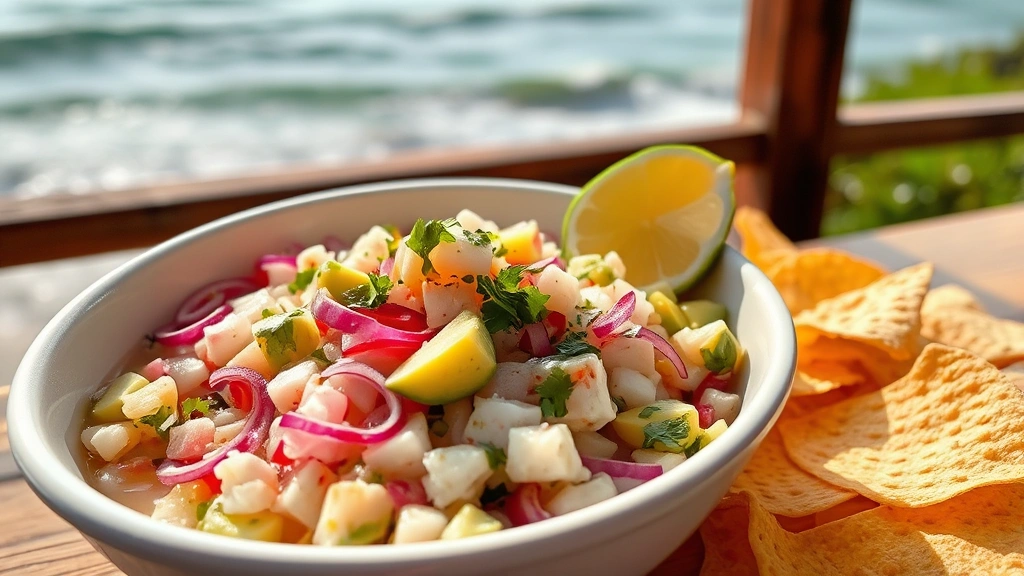
Ceviche represents Los Cabos’s most iconic dish, and quality varies dramatically between establishments. The best ceviches start with fish so fresh it was swimming hours earlier—this matters more than any technique or ingredient. The fish should be firm enough to cut cleanly, with a bright color and ocean smell that suggests purity rather than any fishiness.
The acid component determines ceviche’s character. Fresh lime juice, strained to remove pulp, creates brightness and delicate flavor. Some preparations use a combination of lime and lemon, with the lemon providing subtle complexity. The acid’s job is to denature the fish’s proteins without cooking them—proper ceviche should feel creamy and tender, never rubbery or overcooked.
Ceviché at Casa Mónica combines Japanese precision with Mexican tradition, using techniques learned from culinary professionals and food writers studying under master chefs. The fish is cut into uniform pieces, cured in precisely measured lime juice for exactly the right duration, then finished with carefully sourced accompaniments like avocado, pomegranate, and crispy tortilla chips that provide textural contrast.
The regional variation matters significantly. Coastal ceviches often incorporate more seafood variety—scallops, shrimp, and octopus mixed with fish create layers of distinct flavors and textures. The scallops contribute sweetness, shrimp offer firmness, and octopus provides chewiness. This complexity, when balanced properly, creates a more interesting eating experience than single-protein versions.
Heat levels vary from subtle to intense. Some ceviches use serrano or habanero peppers, while others incorporate dried chiles that have been toasted and rehydrated, providing deeper heat and smokiness. The best versions build heat gradually rather than assault your palate immediately, allowing you to appreciate other flavors before the burn arrives.

Farm-to-Table and Sustainable Dining
The farm-to-table movement has taken firm root in Los Cabos, with several restaurants maintaining direct relationships with local farmers and fishermen. This approach ensures seasonal menus that shift based on what’s currently at peak ripeness and quality. A spring menu might emphasize tender greens and early vegetables, while summer brings stone fruits and peppers at their most flavorful.
Cenaduria Misiones combines professional culinary standards with community-focused sourcing practices, working with small-scale producers throughout the Baja peninsula. The restaurant’s ceviche changes daily based on which boats have returned with the best catches. This variability might frustrate those seeking consistency, but it rewards adventurous eaters with dishes reflecting genuine seasonal and tidal realities.
Sustainable seafood practices have become increasingly important as overfishing threatens marine ecosystems. The best Los Cabos restaurants work with suppliers who practice responsible fishing, avoiding species at risk and using methods that minimize bycatch and environmental impact. Ask your server about sourcing—establishments worth your money will answer enthusiastically and specifically.
Vegetable preparations rival seafood in creativity and technique. Charred baby leeks with fermented black garlic and crispy chickpeas create a dish with multiple textural contrasts and flavor dimensions. Roasted cauliflower, often overlooked in casual contexts, becomes something remarkable when cooked until the edges achieve deep caramelization, creating bittersweet notes that complement the vegetable’s natural sweetness.
For those exploring quick-cooking vegetable preparations and stir-fry techniques, many restaurants employ these methods for certain dishes, particularly in Asian-influenced preparations that have become popular in contemporary Los Cabos dining.
Late-Night Bites and Nightlife Dining
Los Cabos’s nightlife culture means many restaurants accommodate late-night dining with full menus well into early morning hours. After-hours eating often shifts toward lighter fare—ceviches, tacos, and fresh seafood preparations that won’t leave you feeling overly full before bed.
The marina district becomes increasingly active as evening progresses, with restaurants and bars filling with both tourists and locals. Several establishments offer happy hour specials on both food and beverages, making early evening an excellent time to experience quality dining at more accessible price points.
For those traveling with pets who enjoy outdoor dining experiences, several beachfront establishments maintain casual atmospheres that accommodate families and animals comfortably. The relaxed vibe of these venues makes them perfect for extended meals where you can linger over multiple courses without feeling rushed.
Late-night ceviche bars offer some of the most authentic experiences in Los Cabos. These casual spots, often operating from small storefronts or market stalls, serve ceviche that’s prepared fresh throughout the evening. The clientele shifts from tourists to locals as the night progresses, and the energy becomes increasingly festive. These are places to experience genuine food culture rather than curated dining experiences.
Cocktails at many establishments feature fresh seafood elements—shrimp-infused spirits, fish sauce undertones, and seafood broths that blur the line between drink and food. These preparations demonstrate how chefs approach flavor holistically, considering how ingredients interact across multiple courses and courses blend into beverages.

FAQ
What’s the best time to visit Los Cabos for dining experiences?
November through April offers the most consistent weather and ingredient availability, with cooler temperatures making outdoor dining comfortable. Summer months bring intense heat but also seasonal fish migrations that create exciting menu variations. Avoid hurricane season (September-October) when some restaurants may operate with limited menus due to supply chain disruptions.
How much should I expect to spend at top Los Cabos restaurants?
Fine dining establishments like Flora Farms and Cabo Pulmo typically range from $80-150 USD per person for multi-course experiences without beverages. Mid-range seafood restaurants average $30-60 per person, while casual tacos and street food cost $5-15 per person. Wine pairings add $40-80 to fine dining experiences.
Are reservations necessary at popular restaurants?
Absolutely essential for fine dining establishments, particularly during peak season (December-March). Most quality restaurants require reservations 2-4 weeks in advance. Casual establishments typically operate on first-come, first-served basis, though arriving early (before 7 PM) ensures minimal wait times.
What seafood should I prioritize trying in Los Cabos?
Yellowtail, wahoo, grouper, and dorado represent some of the most exceptional local catches. Scallops from the Sea of Cortez carry distinctive sweetness, while local shrimp offer tender texture and subtle brininess. Octopus preparations showcase the region’s culinary creativity. Avoid endangered species like sea turtle and certain shark varieties.
Can I find vegetarian and vegan options at Los Cabos restaurants?
Most establishments offer creative vegetable-based dishes, though seafood remains dominant. Fine dining restaurants typically accommodate dietary restrictions with advance notice. Casual establishments may have limited vegetarian options, though rice, beans, and fresh vegetables are usually available. Markets offer excellent fresh produce for self-catering if needed.
What’s the dining etiquette I should follow in Los Cabos?
Casual beach establishments have relaxed dress codes, though fine dining typically requires closed-toe shoes and collared shirts for men. Tipping 15-20% is expected in tourist-oriented restaurants, while casual establishments appreciate 10-15%. Many restaurants accept both Mexican pesos and US dollars, though pesos often provide better value.


