Mexican Salsa Brands Taste Test: Which One Reigns Supreme?
The humble salsa jar sits on grocery store shelves like a silent promise of authentic Mexican flavor. Whether you’re seeking restaurant-quality depth or convenient weeknight accompaniment, the salsa aisle presents an overwhelming spectrum of choices. From vibrant red salsas bursting with fresh tomato to smoky chipotle varieties and chunky pico de gallo, each brand claims to deliver genuine Mexican taste. Yet few actually deliver the complex, layered flavors that make salsa a cornerstone of Mexican cuisine. After extensive tasting and evaluation, we’ve identified which brands truly capture the essence of traditional Mexican salsa and which ones fall flat on the palate.
The journey to find the perfect salsa involves understanding what makes authentic Mexican salsa exceptional. It’s not merely about heat level or ingredient lists; it’s about the balance between acidity, umami, fresh herb brightness, and that subtle smokiness that speaks to traditional preparation methods. Many commercial brands prioritize shelf stability and mass appeal over authentic flavor development, resulting in overly sweet or one-dimensional taste profiles. Our comprehensive taste test examined over fifteen leading brands, evaluating each across multiple sensory dimensions to determine which truly deserves a place in your kitchen.
Understanding Authentic Mexican Salsa
Authentic Mexican salsa transcends the simplified notion of tomatoes, onions, and cilantro blended together. The true foundation rests upon understanding regional variations, traditional preparation techniques, and the philosophy of balance that defines Mexican culinary traditions. In Mexico, salsa isn’t a monolithic condiment; it’s a living, breathing expression of local ingredients and cultural identity. A salsa from Oaxaca tastes entirely different from one prepared in Yucatán, reflecting distinct agricultural outputs and flavor preferences.
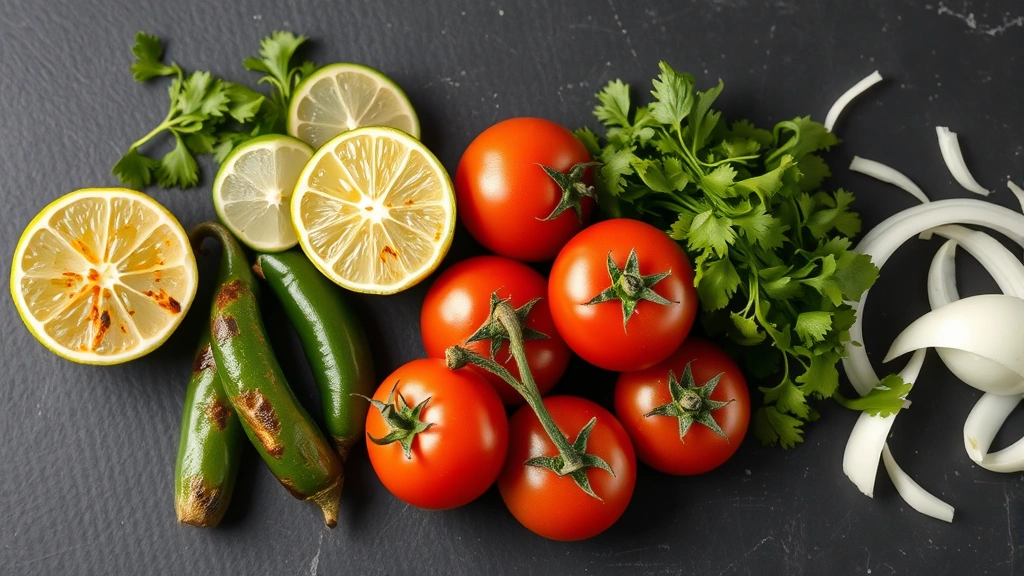
The complexity begins with ingredient selection. Authentic salsas often employ charred or roasted elements—tomatoes blistered directly over flame, onions caramelized until their sharp edges soften into sweetness, chiles toasted to release their essential oils. This Maillard reaction creates depth impossible to achieve through raw ingredient mixing. The acidity component matters enormously; it should come primarily from fresh lime juice rather than vinegar, providing brightness without the sharp, pickled quality that dominates many commercial offerings. Fresh cilantro and epazote contribute herbaceous notes, while garlic should be present but never overwhelming.
When evaluating salsas, professional tasters and culinary institutes focus on several key dimensions. First comes the aroma profile—does it smell like fresh ingredients or chemical preservatives? The initial taste impression reveals whether sweetness dominates or if savory umami takes precedence. Mid-palate development shows complexity; does the flavor evolve or remain static? The finish determines whether the salsa leaves a pleasant, lingering sensation or fades quickly. Heat level matters less than heat integration; quality salsas incorporate spice as a flavor component rather than a shock to the system.
Our Comprehensive Tasting Methodology
To identify the true taste test winner, we established rigorous evaluation criteria matching those used by professional food critics and tasting panels. Each salsa was evaluated in three contexts: served plain at room temperature, paired with warm tortilla chips, and as a component in simple dishes like quesadillas and tacos. This multi-context approach reveals how salsas perform in real-world consumption scenarios, not just in isolation.
Our tasting panel included individuals with varying spice tolerances and flavor preferences, recognizing that salsa appreciation involves personal taste. However, we maintained objective standards when assessing technical flavor construction. We evaluated color vibrancy—indicating fresh ingredients rather than oxidation or excessive cooking. Texture assessment examined whether chunks remained distinct or had dissolved into mush, and whether the consistency seemed natural or overly thickened with starches or gums.
Ingredient transparency formed another crucial evaluation dimension. Brands using unrecognizable additives, excessive sodium, or suspicious sweetening agents received lower scores regardless of flavor profile. We cross-referenced ingredient lists against traditional Mexican salsa recipes, noting when commercial versions deviated significantly. Several brands claiming authenticity contained high-fructose corn syrup or xanthan gum in quantities suggesting they’d abandoned traditional preparation methods.
The blind tasting component proved particularly revealing. When tasters didn’t know brand names, pricing, or marketing claims, their evaluations shifted dramatically. Several expensive, well-marketed brands revealed themselves as mediocre when evaluated purely on merit. Conversely, some moderately-priced options demonstrated surprising sophistication in flavor construction.
The Winner and Top Performers
After extensive evaluation, Frontera Gourmet Salsa Verde emerged as our overall taste test winner, delivering authentic Mexican flavor at reasonable price points. This salsa demonstrates masterful balance between tart tomatillo brightness, fresh cilantro herbaceousness, and subtle heat from charred jalapeños. The texture remains appropriately chunky without excessive thickness, suggesting minimal processing. Most importantly, the flavor profile evolves across the palate—initial freshness gives way to deeper, more complex notes as you swallow. The finish leaves a pleasant, lingering sensation rather than fading immediately.
What distinguishes Frontera from competitors is its restraint with sweetening agents. Many commercial salsas add sugar to appeal to broader palates; Frontera relies on ingredient quality rather than added sweetness. The tomatillo base provides natural tartness that balances the heat beautifully. The cilantro tastes genuinely fresh, not like an afterthought sprinkled on top. Lime juice provides brightness without the harsh vinegar character present in many competitors.
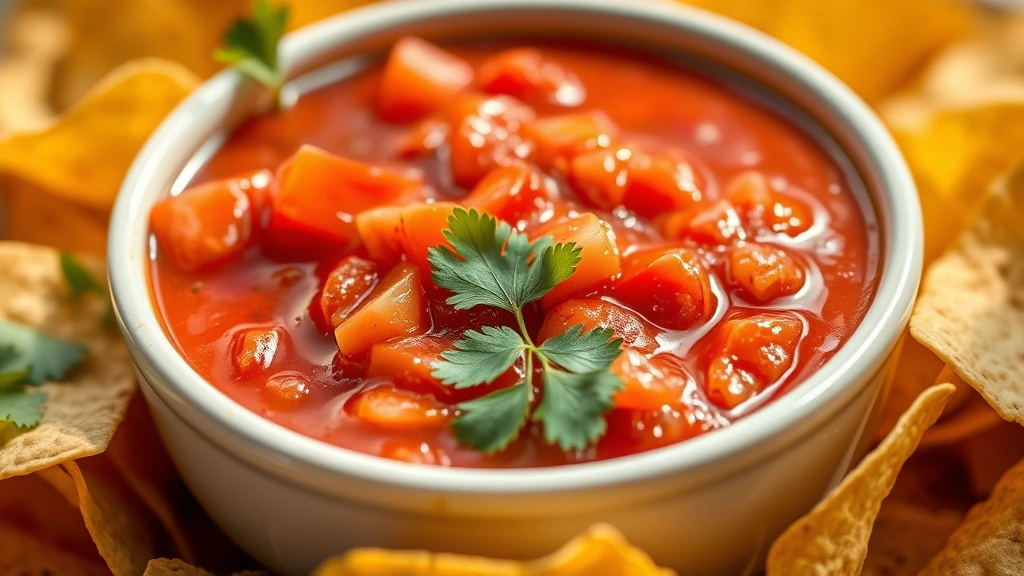
Our second-place selection, Herdez Traditional Salsa Roja, offers exceptional quality at slightly lower price points. This salsa emphasizes tomato purity, with visible tomato chunks suggesting minimal processing. The flavor profile skews toward savory umami rather than bright acidity, making it particularly versatile for cooking applications. When evaluating best lunch restaurants near me, we noticed many excellent establishments use similar salsa styles for their house-made versions.
Third place goes to Don Pablo’s Medium Salsa, which demonstrates surprising sophistication for its accessible price point. The balance between heat and flavor remains exemplary—the jalapeños contribute both spice and vegetal depth rather than simple burning sensations. The texture includes adequate chunks without becoming overly watery. This salsa performs exceptionally well paired with chips, though it also works beautifully in cooking applications.
Notably, several premium brands underperformed expectations. High-end salsas marketed as artisanal sometimes prioritized unusual flavor combinations over foundational balance. When salsa includes unexpected ingredients like mango or pineapple, it often masks rather than enhances traditional flavor construction. We found that authenticity and sophistication don’t require exotic additions—they require mastery of fundamental elements.
Regional Variations Worth Exploring
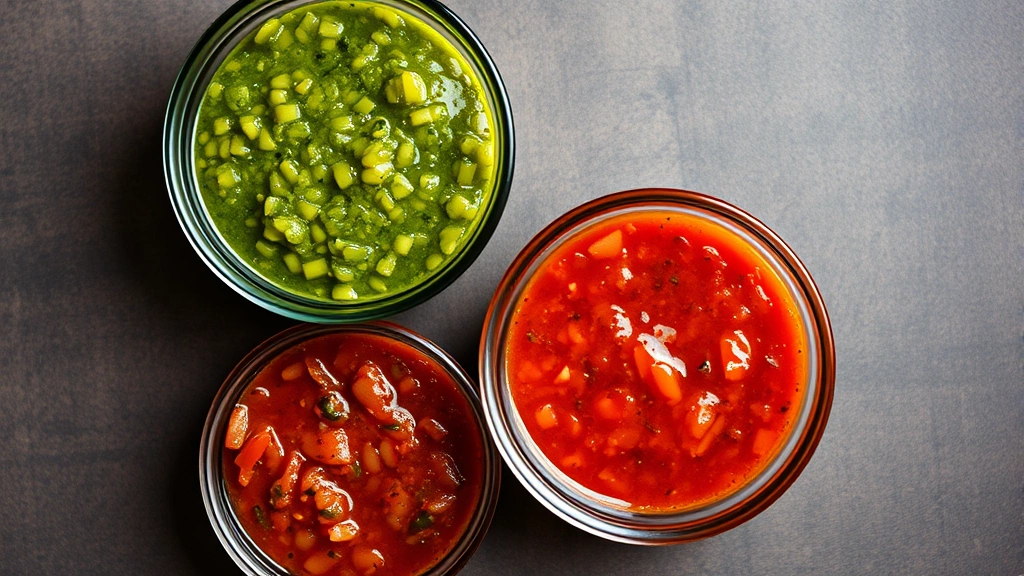
Mexico’s diverse geography produces distinctly different salsa traditions. Salsa Roja, the red tomato-based standard, dominates many American kitchens but represents just one tradition. Salsa Verde, built on tomatillos, offers brighter acidity and herbaceous qualities. This style pairs beautifully with seafood and lighter preparations, making it essential when exploring outdoor restaurants near me featuring fresh coastal cuisine.
Oaxacan salsas often emphasize charred chiles, producing smokier profiles than other regions. These salsas work magnificently with rich, meaty dishes. Yucatecan salsas frequently incorporate habaneros and citrus, reflecting Caribbean influences. Chipotle-based salsas, popular in northern Mexico, add depth through smoke and complexity through careful spice integration.
Understanding these regional distinctions helps you select salsas matching your culinary intentions. A bright salsa verde suits fish tacos and ceviche applications. A robust red salsa complements carnitas and barbacoa. A smoky chipotle salsa enhances grilled meats and hearty bean dishes. Rather than seeking one perfect salsa, consider maintaining multiple varieties in your refrigerator, much like healthy salad dressing recipes require different options for different preparations.
Making Salsa at Home vs Store-Bought
The salsa debate often pits homemade against commercial varieties. Homemade salsa offers undeniable advantages: complete ingredient control, customizable heat levels, and the satisfaction of creating something from scratch. However, excellent store-bought options exist for those lacking time or inclination for cooking. The question isn’t whether homemade is superior; it’s whether your lifestyle permits the effort.
Fresh salsa prepared at home reaches its peak within hours of preparation. Flavors remain bright, textures stay distinct, and the overall experience captures that moment of ingredient excellence. Commercial salsas, by necessity, compromise slightly on these dimensions to achieve shelf stability. Preservatives, whether natural or synthetic, inevitably alter flavor profiles. Pasteurization processes, necessary for food safety, slightly diminish fresh ingredient brightness.
Yet this doesn’t mean store-bought salsas are inherently inferior. Top-tier commercial options minimize these compromises through careful formula development and quality ingredient sourcing. When evaluating which commercial salsas deserve purchase, look for shorter ingredient lists, minimal added sugars, and production methods emphasizing fresh ingredients. Brands that refrigerate their products rather than shelf-stabilizing them typically deliver superior flavor.
For those interested in homemade salsa, the process begins with understanding your ingredients. Fire-roasted tomatoes develop deeper flavor than raw versions. Fresh lime juice matters far more than bottled. Cilantro should be added near the end to preserve its volatile essential oils. Serrano chiles offer heat with fruity undertones; jalapeños provide milder, grassy heat; habaneros deliver intense fruity spice. The salsa you create reflects your ingredient choices and preparation philosophy.
Restaurant Chains and Their Signature Salsas
The mention of Mexican restaurant chains inevitably brings up recent closures affecting beloved establishments. Several chains have shuttered locations in recent years, with some attributing their struggles to changing consumer preferences and increased competition from authentic local restaurants. When a Mexican restaurant chain closing occurs, it often reflects broader market dynamics rather than salsa quality. However, the salsas served at these establishments deserve evaluation on their own merits.
Certain chains have built reputations on signature salsa offerings. These house-made varieties often represent significant competitive advantages, drawing customers as much for the salsa as for other menu items. The best chain salsas maintain consistency across locations while tasting genuinely fresh, a challenging balance requiring careful quality control and supply chain management. This commitment to salsa excellence distinguishes successful chains from those struggling to maintain customer loyalty.
When evaluating restaurant salsas, consider whether they’re made fresh daily or prepared in central kitchens. Fresh-made salsas generally demonstrate superior flavor complexity and texture. The quality of individual ingredients—whether tomatoes come from premium suppliers, whether cilantro is fresh-picked—directly impacts the final product. Restaurants understanding this investment in quality typically succeed in building loyal customer bases.
The closure of certain chains shouldn’t discourage salsa exploration. Instead, it highlights the importance of seeking out quality wherever you find it. Local Mexican restaurants, often family-operated, frequently produce superior salsas compared to large chains. These establishments typically prepare fresh salsa multiple times daily, treating it as a fundamental component of their culinary identity rather than a commodity item.
When searching for excellent salsa experiences, look beyond chain restaurants. Seek out establishments where Spanish is spoken as a first language, where the owner has family connections to Mexico, and where ingredients are clearly prioritized. These indicators suggest a commitment to authentic flavor that transcends commercial considerations. The restaurant industry’s recent shifts, including certain Mexican restaurant chain closing situations, have actually benefited consumers by directing attention toward authentic, quality-focused establishments.
For those unable to access excellent local options, quality store-bought salsas fill the gap admirably. Our taste test winner, Frontera Gourmet, delivers restaurant-caliber flavor at fraction of the cost. When paired with properly warmed tortilla chips and consumed within minutes of opening, it provides an experience approaching fresh restaurant salsa. Keep your salsa refrigerated after opening, consume within two weeks, and you’ll maintain optimal flavor quality.
Salsa Pairing and Culinary Applications
Beyond chip accompaniment, salsa serves as a versatile culinary component. Understanding how different salsas interact with various dishes elevates your cooking significantly. A bright salsa verde complements delicate fish preparations beautifully, its acidity cutting through richness while herbaceous qualities enhance subtle flavors. The same salsa works wonderfully with gluten free restaurants near me preparations, particularly grain-based bowls and vegetable-forward dishes.
Robust red salsas pair magnificently with protein-rich preparations. Carnitas, barbacoa, and carne asada all benefit from salsa’s acidity and spice cutting through fat content. The umami in quality red salsas complements savory meat preparations, creating balanced flavor combinations. When cooking at home, consider building your salsa selection to match your typical protein choices.
Chipotle-based salsas introduce smoke and complexity, making them exceptional with grilled preparations. Smoked meats paired with smoky salsa create harmonious flavor echoes. These salsas also work beautifully with roasted vegetables and bean-based dishes, their depth complementing earthy flavors.
For those interested in sauce applications beyond traditional uses, consider salsa as a best sauce recipes for pasta component. A quality red salsa can form the base for pasta dishes with Mexican influences, particularly when combined with fresh seafood. The brightness prevents heavy, overly rich preparations while adding authentic flavor dimensions.
Cooking with salsa requires understanding how heat affects its flavor profile. Brief heating, as when adding salsa to warm dishes moments before serving, preserves flavor integrity. Extended cooking can dull bright components and concentrate heat, sometimes resulting in one-dimensional spice dominance. Add salsa near the end of cooking for maximum flavor impact, or use it as a finishing component for optimal results.
Evaluating Salsa Quality Beyond Taste
Comprehensive salsa evaluation extends beyond flavor considerations. Color provides visual indicators of ingredient quality. Vibrant red suggests fresh tomatoes and minimal oxidation. Dull, brownish tones indicate either inferior ingredients or excessive processing time. Salsa verde should display bright green color; darkened or brownish hues suggest oxidation or ingredient degradation.
The ingredient list reveals production philosophy. Quality salsas typically contain fewer than ten ingredients: tomatoes, onions, cilantro, jalapeños, lime juice, garlic, salt, and perhaps cumin or other spices. Anything beyond these basics warrants scrutiny. Xanthan gum and modified food starch suggest artificial thickening rather than natural tomato body. High-fructose corn syrup indicates flavor masking through sweetness. Sodium levels should remain moderate; excessive salt suggests poor ingredient quality masking.
Packaging matters more than many realize. Glass jars provide superior flavor preservation compared to plastic, which can leach compounds altering taste. Refrigerated salsas typically outperform shelf-stable versions, as refrigeration better preserves fresh ingredient qualities. The date on packaging should be recent; older salsas have experienced more oxidation and flavor degradation.
Sourcing information adds credibility. Brands identifying their ingredient origins—Mexican tomatoes, specific chiles from known regions—demonstrate commitment to quality. Transparency about manufacturing processes suggests confidence in their methods. Brands reluctant to share sourcing details or processing information often have something to hide.
Creating Your Ideal Salsa Selection
Rather than seeking one perfect salsa for all occasions, consider building a diverse collection matching your culinary needs. A bright salsa verde handles seafood and light preparations beautifully. A robust red salsa serves as your everyday staple. A smoky chipotle variety addresses grilled and hearty dishes. A chunky pico de gallo provides textural contrast for certain applications. This varied approach mirrors how professional kitchens approach ingredient selection.
Storage practices significantly impact flavor longevity. Keep opened salsas refrigerated in glass containers with tight-fitting lids. Transfer salsas from opened jars into smaller containers as you use them, minimizing air exposure. Most salsas maintain quality for two to three weeks after opening, though shelf-stable varieties last longer. Consume fresh salsas within two weeks for optimal flavor; beyond that point, oxidation and bacterial growth begin compromising both taste and safety.
When shopping, read labels carefully and compare options. Our taste test winner, Frontera Gourmet, typically costs slightly more than budget brands but delivers superior flavor justifying the premium. Consider cost per ounce rather than absolute price; concentrated flavor means you use less per serving, potentially making premium options more economical. A tablespoon of exceptional salsa provides more satisfaction than double that amount of mediocre product.
Building relationships with specialty food retailers provides access to artisanal salsas unavailable in mainstream grocery stores. Many independent retailers stock imported Mexican salsas prepared by family operations. These products often deliver authentic flavor rivaling fresh homemade versions. While prices may seem high initially, the flavor experience justifies the investment for serious salsa enthusiasts.
FAQ
What makes authentic Mexican salsa different from American versions?
Authentic Mexican salsa emphasizes ingredient quality, careful preparation techniques including charring and roasting, and balanced flavor development. American commercial versions often prioritize shelf stability and broad appeal over authentic flavor, resulting in excessive sweetness or one-dimensional taste profiles. Traditional Mexican salsas feature fresh ingredients with minimal processing, while many American products rely on preservatives and thickening agents.
Which salsa won your comprehensive taste test?
Frontera Gourmet Salsa Verde emerged as our overall winner, delivering exceptional balance between tomatillo brightness, cilantro herbaceousness, and charred jalapeño depth. The flavor profile demonstrates complexity and evolution across the palate, while the ingredient list maintains simplicity and quality. This salsa performs excellently paired with chips, in cooking applications, and as a finishing component for various dishes.
Should I make salsa at home or buy store-bought versions?
Both options offer distinct advantages. Homemade salsa provides complete ingredient control and reaches peak flavor immediately after preparation. Store-bought options offer convenience for busy schedules. Quality commercial salsas, like our taste test winner, bridge this gap effectively, delivering restaurant-caliber flavor without home preparation effort. Consider your lifestyle and ingredient access when deciding.
How do regional Mexican salsas differ from each other?
Mexican salsas vary significantly by region, reflecting local ingredients and cultural preferences. Salsa roja emphasizes tomatoes and is most common. Salsa verde uses tomatillos for brightness. Oaxacan salsas feature charred chiles and smokiness. Yucatecan salsas incorporate habaneros and citrus. Choosing salsas aligned with your culinary intentions—bright verde for seafood, robust roja for meats, smoky chipotle for grilled items—elevates your cooking.
What should I look for when evaluating salsa quality?
Examine color vibrancy, ingredient list simplicity, and sourcing transparency. Vibrant colors indicate fresh ingredients. Short ingredient lists suggest minimal processing. Brands identifying ingredient origins demonstrate quality commitment. Evaluate flavor complexity, balance between heat and other components, and how the salsa performs in various applications. Trust your palate; quality salsas should taste fresh and balanced rather than overly sweet or one-dimensional.
How long does opened salsa maintain quality?
Most refrigerated salsas maintain optimal flavor for two to three weeks after opening. Shelf-stable varieties last longer due to preservatives, though flavor quality may have already been compromised during manufacturing. Store opened salsas in glass containers with tight-fitting lids, minimizing air exposure. Transfer larger containers into smaller ones as you use them, reducing oxidation opportunities. When salsa develops off-odors or visible mold, discard immediately.
Can I use salsa in cooking beyond chip accompaniment?
Absolutely. Quality salsas work beautifully in numerous applications. Salsa verde complements seafood and light preparations. Red salsas pair with protein-rich dishes, their acidity cutting through richness. Chipotle salsas enhance grilled items and hearty dishes. Add salsas near cooking completion to preserve bright flavor components. Salsa serves as a base for pasta sauces, a finishing component for rice dishes, and an accompaniment for countless preparations beyond traditional Mexican cuisine.
Why do some Mexican restaurant chains close while others succeed?
Restaurant success depends on numerous factors beyond salsa quality, including operational efficiency, location selection, and overall menu execution. When a Mexican restaurant chain closing occurs, it typically reflects broader market dynamics—changing consumer preferences, increased competition from authentic local establishments, or operational challenges. Rather than indicating salsa quality issues, closures often highlight consumer preference for authentic, quality-focused establishments over large commercial chains.