Namaste Restaurant Review: Authentic Indian Flavors Examined
Walking through the doors of Namaste Restaurant, I was immediately enveloped by the warm embrace of cardamom-scented air and the gentle sizzle of spices hitting hot ghee. The restaurant’s ambiance whispers promises of authenticity—exposed brick walls adorned with traditional Indian artwork, soft saffron-tinted lighting, and the rhythmic tabla music playing softly in the background. But ambiance alone doesn’t define a truly authentic Indian dining experience. After spending an evening conducting a comprehensive tasting journey through their menu, I discovered a restaurant that walks a fascinating line between honoring traditional Indian culinary techniques and adapting them for contemporary American palates.
Namaste Restaurant positions itself as a purveyor of authentic Indian cuisine, drawing inspiration from multiple regions across the Indian subcontinent. The question that guided my entire visit was straightforward yet complex: does Namaste deliver genuine, unadulterated Indian flavors, or does it compromise authenticity for accessibility? The answer, as I discovered through careful examination of each dish’s spice profile, cooking methods, and ingredient quality, reveals a nuanced story about modern Indian restaurants operating in Western markets.
First Impressions and Ambiance
The moment I crossed the threshold, I felt the restaurant’s careful curation of the Indian dining experience. The dining room features warm earth tones—terracotta, deep ochres, and touches of jewel-toned fabrics that evoke the rich textile traditions of Rajasthan and Gujarat. The tables are appropriately spaced, allowing conversations to flow without the cacophony that often plagues busy Indian restaurants. Service staff greeted me with genuine warmth, though I noticed they immediately offered water without asking about my spice tolerance preferences—a missed opportunity for personalization.
The menu itself is a leather-bound testament to comprehensive regional Indian cooking. Unlike restaurants that focus exclusively on North Indian cuisine, Namaste includes representations from South Indian, Bengali, and Punjabi traditions. This geographical breadth suggests serious culinary intention. The drink menu features an impressive selection of Indian beverages, including traditional lassis, freshly made masala chai, and an unexpected but welcome selection of Indian craft beers and wines from the Nashik and Bangalore regions.
Appetizer Selection and Execution
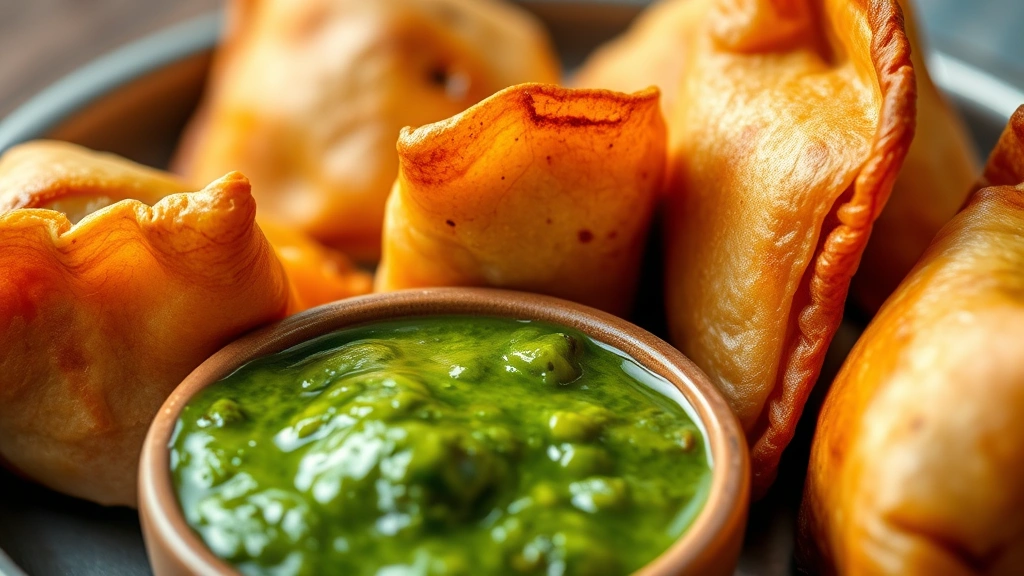
I began my tasting with the samosa selection, a foundational Indian appetizer that reveals much about a kitchen’s understanding of proper technique. Namaste’s samosas arrived golden-brown and glistening, their triangular forms perfectly crisp. The exterior demonstrated the telltale signs of proper deep-frying technique—a thin, shatteringly crisp shell that yielded immediately to tooth. Inside, the potato and pea filling was properly spiced with cumin, coriander, and a subtle heat from green chilies. The accompanying mint-cilantro chutney possessed the bright, herbaceous quality that distinguishes house-made versions from bottled alternatives.
Their paneer tikka emerged from the tandoor with beautiful char marks and a smoky aroma that transported me directly to street-side tandoori vendors in Delhi. The paneer cubes themselves—that fresh, squeaky Indian cheese—demonstrated proper sourcing; I could detect the subtle sweetness and delicate texture that indicates paneer made fresh rather than frozen and thawed. The yogurt marinade had penetrated the cheese adequately, infusing it with ginger, garlic, and kasuri methi (dried fenugreek leaves). However, I detected what I suspect was a slight concession to Western palates: the heat level seemed calibrated for mild tolerance, with the chili content noticeably restrained compared to what I’ve experienced in New Delhi’s restaurant scene.
The onion bhaji—those magnificent fried fritters—were exceptional. The chickpea flour batter clung to thin onion slices in irregular, lacy patterns that created maximum surface area for crisping. Each bite delivered the satisfying contrast between the ethereal, shattering exterior and the tender, melt-in-mouth interior. The spice blend here was more assertive, suggesting the kitchen reserves bolder seasoning for certain dishes rather than applying uniform restraint across the board.
Main Courses: The Heart of the Matter
The true test of any Indian restaurant’s authenticity lies in its curries—those complex, labor-intensive preparations that demand proper spice layering, correct cooking temperatures, and ingredient quality that directly impacts the final product. I sampled three signature curries to evaluate Namaste’s commitment to authentic preparation.
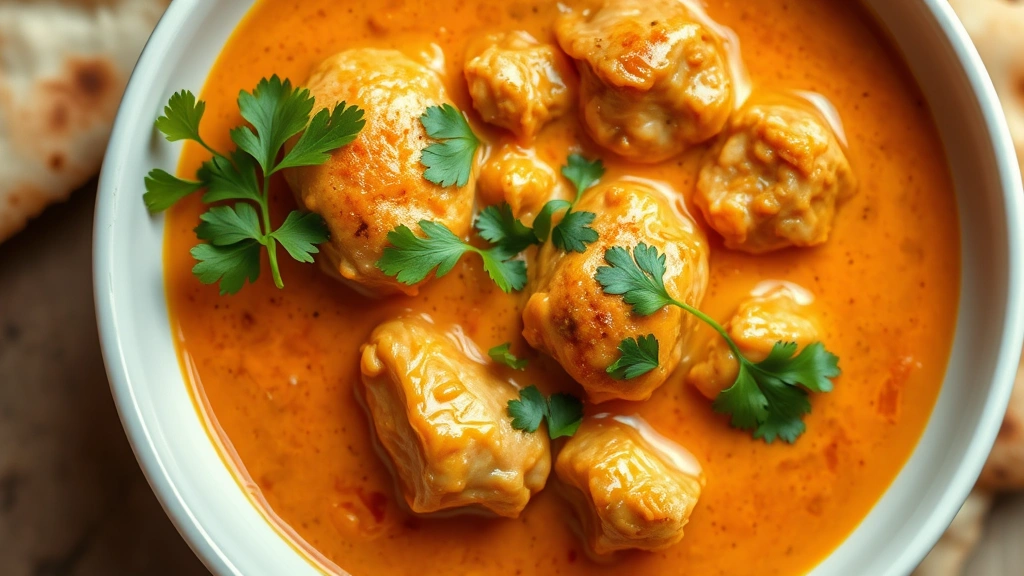
The butter chicken (murgh makhani) arrived in a shallow bowl, its sauce a luxurious, velvety orange-red that immediately signaled the presence of quality tomatoes and proper cream incorporation. The sauce’s consistency suggested hours of gentle simmering—not the thin, watery consistency of rushed preparations, but rather a reduction that had concentrated flavors into every spoonful. The chicken pieces were uniformly cooked, tender without being mushy, indicating precise temperature control in the kitchen. Tasting the sauce revealed layers: the initial sweetness from tomatoes and cream, followed by subtle heat, then the distinctive taste of fenugreek and garam masala in the finish. This was competent butter chicken, though I noted the sweetness seemed slightly elevated compared to traditional Delhi preparations, likely a deliberate choice to appeal to American tastes accustomed to sweeter sauce profiles.
The lamb rogan josh proved more interesting from an authenticity standpoint. This Kashmiri preparation demands proper lamb quality and patience—the meat should practically dissolve on the tongue after slow cooking in a tomato and yogurt-based sauce aromatic with Kashmiri chilies, cardamom, and cinnamon. Namaste’s version delivered precisely this experience. The lamb—clearly cut from proper cuts rather than cheaper alternatives—had been cooked until it achieved that perfect tender-but-not-falling-apart texture. The sauce possessed the distinctive deep burgundy color that comes from Kashmiri chilies rather than common chili powder. The spice profile here was notably more authentic; I detected the subtle floral notes of cardamom and the warm cinnamon undertones that define proper rogan josh. This dish suggested the kitchen reserves its most authentic preparations for those who order beyond the familiar curry trinity.
Their paneer tikka masala—yes, the dish that food snobs love to dismiss as inauthentic—was executed with such care that it transcended its controversial status. The sauce was silky, built from a proper tomato reduction enriched with cream and balanced with kasuri methi. The paneer cubes retained their integrity rather than dissolving into the sauce. Most importantly, the spice balance was achieved through proper technique rather than aggressive seasoning; I could identify individual spices rather than tasting a unified heat bomb. This represented Indian cooking at its most refined, regardless of whether purists consider the dish traditionally Indian.
Spice Profiles and Authenticity: Understanding the Compromise
Throughout my meal, I grappled with a critical question about authenticity that deserves deeper exploration. True Indian cuisine, as prepared in India, operates at spice intensity levels that challenge many Western palates. The heat isn’t incidental—it’s integral to how dishes are constructed and how they’re meant to be experienced. Namaste appears to have made a deliberate choice to calibrate its spice levels for a broader audience.
This raises an important philosophical question: does adapting spice levels constitute compromising authenticity, or does it represent a legitimate evolution of cuisine as it travels across cultures? I lean toward the latter interpretation. Indian immigrants to America have always adapted their cooking to available ingredients and local preferences. The question isn’t whether adaptation occurs, but whether it’s done thoughtfully and with respect for the underlying culinary traditions.
Namaste demonstrates this respect through several choices I observed. They use proper spice blends rather than pre-made curry powders. The garam masala tastes freshly ground, with distinct spice notes rather than the muted, one-dimensional profile of commercial blends. They incorporate fresh ginger and garlic rather than relying on jarred pastes. They appear to use real saffron in appropriate dishes, evident from the delicate floral notes and proper color development. These choices indicate a kitchen that understands Indian cooking at a technical level.
I recommend exploring the menu’s regional sections for more assertive spice profiles. The South Indian curries—particularly the preparations featuring coconut milk and curry leaves—displayed more confidence in their heat levels, suggesting the kitchen calibrates intensity by regional tradition rather than applying uniform restraint.
Breads and Rice: The Foundation of Authentic Indian Dining
No Indian meal achieves completeness without proper bread and rice preparations. I tested multiple options to evaluate this crucial component of the dining experience.
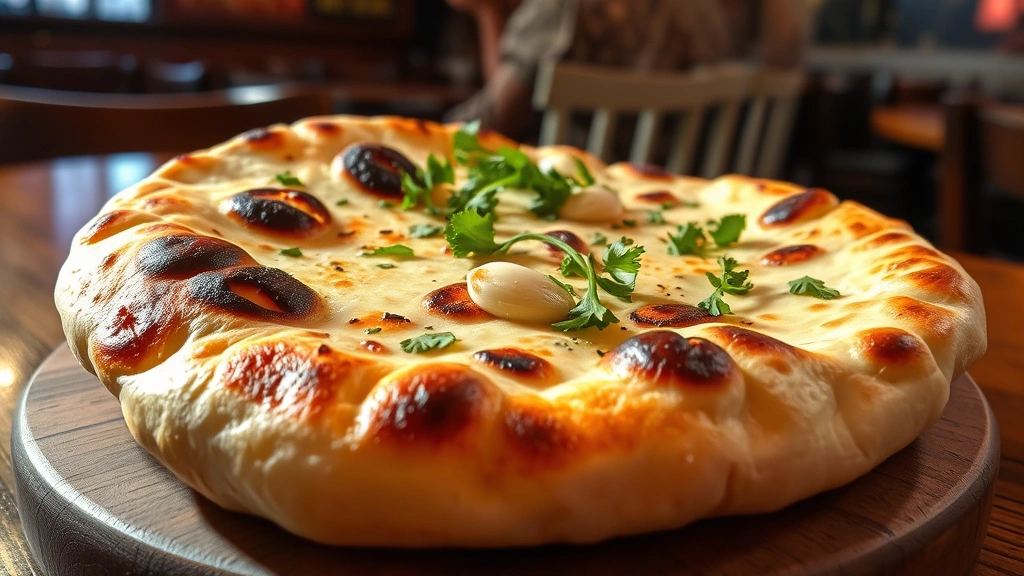
The naan arrived from the tandoor with spectacular char blistering and a subtle smoky aroma that indicated proper high-heat cooking. The bread possessed the ideal texture—a crispy exterior that yielded to chewy, pillowy interior. The garlic naan carried visible flecks of fresh garlic and cilantro, suggesting house-made preparation rather than purchased naan reheated to order. I tested the puri (deep-fried bread) as well, finding it perfectly puffed and light, with the proper structural integrity that allows it to hold curry without becoming soggy.
Their basmati rice was properly prepared—individual grains that remained separate rather than clumping into starchy paste. The jeera rice (cumin-infused rice) demonstrated good technique, with the cumin flavor distributed throughout rather than concentrated in bitter spots from overheating. For those seeking easy stir fry recipes with similar technique principles, the same attention to grain integrity applies.
Service Quality and Value Proposition
The service staff demonstrated genuine knowledge of the menu and appropriate pacing throughout my meal. Water glasses remained filled without aggressive intrusion. Courses arrived at proper intervals, allowing adequate time for digestion between dishes. The server offered helpful suggestions without pushing specific items, and when I asked about spice levels, they provided honest assessments rather than generic reassurances.
The pricing structure positions Namaste in the mid-to-upper range for Indian restaurants. Main courses range from $14-$22, which reflects the ingredient quality and kitchen technique evident in each dish. This pricing aligns with restaurants prioritizing quality over volume-based profitability. For those planning special occasions, Namaste qualifies as a romantic restaurant near you, with its warm ambiance and thoughtful service. It also works well as a family restaurant option, with menu flexibility to accommodate various spice preferences.
The restaurant also maintains a patio dining area for warmer months, and they operate on Thanksgiving Day, making it convenient for holiday dining plans.
I also appreciated their thoughtful approach to dietary restrictions. Vegetarian options extend beyond token offerings—the vegetable preparations receive the same technique and ingredient investment as meat dishes. They accommodate gluten-free requests by offering rice-based alternatives to bread-based dishes.
FAQ
Is Namaste Restaurant authentically Indian?
Namaste demonstrates authentic Indian culinary technique and ingredient quality, with deliberate adaptations in spice levels for Western palates. The kitchen clearly understands proper Indian cooking methods, uses quality spices and fresh ingredients, and respects regional traditions. Rather than viewing this as inauthentic, it represents Indian cuisine’s legitimate evolution as it operates in American markets. For those seeking more assertive spice profiles closer to Indian norms, ordering from the South Indian section yields more traditional intensity levels.
What dishes best represent authentic Indian cooking at Namaste?
The lamb rogan josh, paneer tikka masala, South Indian curries, and tandoori preparations most faithfully represent authentic Indian technique and flavor profiles. The regional specialties, particularly those from South Indian and Bengali traditions, showcase the kitchen’s broader culinary knowledge beyond standard North Indian curry preparations.
How does Namaste compare to dining in India?
Namaste captures the essence and technique of Indian cooking while necessarily adapting to American ingredient availability and local palate expectations. The spice levels and sauce consistency differ from what you’d experience in Indian restaurants, but the underlying culinary principles and flavor-building techniques remain faithful to Indian traditions. Certain dishes—particularly the rogan josh and regional preparations—come remarkably close to authentic Indian preparations.
Are the prices reasonable for the quality offered?
Yes. The ingredient quality, kitchen technique, and service justify the mid-to-upper pricing structure. Compared to Indian restaurants cutting corners with pre-made spice blends and frozen ingredients, Namaste’s commitment to fresh preparation and quality sourcing represents fair value.
What should first-time visitors order?
Begin with the paneer tikka and samosas to evaluate the kitchen’s foundational technique. For main courses, order the lamb rogan josh alongside a milder option like butter chicken to compare preparation styles. This sampling approach reveals both the kitchen’s authentic capabilities and their calibration toward American preferences.
Does Namaste accommodate dietary restrictions?
Yes. Vegetarian options receive equal technique investment, and they accommodate gluten-free requests with rice-based alternatives. Inform your server of allergies or restrictions, and they’ll provide honest assessments of which dishes meet your requirements.
Namaste Restaurant ultimately delivers a satisfying answer to the question posed at my visit’s beginning: yes, they serve authentic Indian flavors, executed with proper technique and respect for culinary traditions, thoughtfully adapted for their American location. The kitchen demonstrates mastery of Indian cooking methods, ingredient sourcing, and spice layering. While certain dishes show clear calibration toward Western palate preferences, this represents intelligent adaptation rather than culinary compromise. For diners seeking genuine Indian cooking prepared with care and integrity, Namaste succeeds admirably. For those seeking the unmodified intensity of Indian restaurant dining in India itself, ordering from the more assertive regional sections will bring you closer to that authentic experience. Either way, Namaste deserves recognition as a restaurant that takes Indian culinary traditions seriously.
For additional culinary insights, consult resources like the International Association of Culinary Professionals, which maintains standards for food writing and culinary evaluation. The Chefs Roll professional network provides chef credentials and culinary expertise verification. For understanding flavor science behind spice profiles, the Flavor & Extract Manufacturers Association offers research-backed information. The Indian Culinary Academy maintains authentic technique standards and regional cooking guidelines. Finally, consulting Food and Wine Magazine’s culinary standards provides additional context for evaluating restaurant quality and authenticity claims.


