Best Chef’s Table? Restaurant Critic’s Choice
The chef’s table represents the pinnacle of culinary theater—a front-row seat to gastronomic artistry where diners witness the orchestrated chaos of a kitchen in motion. It’s where technique meets passion, where ingredients transform into edible poetry, and where a skilled chef can showcase their most ambitious creations. But what truly defines a good chef restaurant worthy of such reverence? The answer lies far deeper than Instagram-worthy plating or celebrity chef recognition.
After years of exploring dining establishments across diverse culinary landscapes, one truth becomes undeniable: exceptional chef’s tables demand more than technical proficiency. They require a chef’s unwavering commitment to flavor development, seasonal consciousness, guest engagement, and the courage to innovate while respecting culinary traditions. The restaurants earning critic’s choice accolades share common threads—meticulous ingredient sourcing, passionate kitchen leadership, and an almost obsessive attention to every element on the plate.
What Makes a Chef’s Table Experience Exceptional
A truly exceptional chef’s table transcends the mere act of eating. It’s an immersive narrative where each course builds upon the last, creating a cohesive story told through flavor, texture, temperature, and presentation. The finest establishments understand that diners at the chef’s table aren’t simply consuming food—they’re experiencing the chef’s philosophy, their inspirations, and their technical mastery.
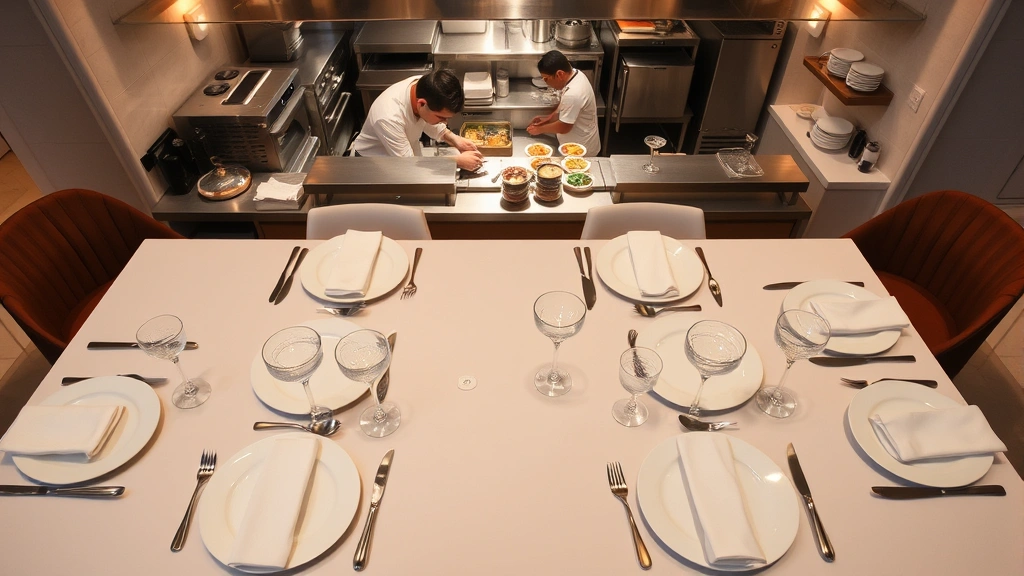
The atmosphere surrounding the chef’s table matters profoundly. Whether positioned directly within kitchen sight lines or in an intimate private space, the environment should facilitate conversation between chef and diner. The most memorable experiences involve direct interaction—a chef pausing mid-service to explain the sourcing of a rare ingredient, the inspiration behind a particular technique, or the story behind a signature dish. This human connection transforms a meal into a memorable event.
Seating arrangements at premier chef’s tables are intentional. Limited covers ensure the chef can dedicate meaningful attention to each party. The typical chef’s table accommodates between four and ten guests, allowing for personalized service without overwhelming kitchen logistics. This exclusivity isn’t merely about prestige; it’s a practical necessity for maintaining the quality and thoughtfulness that distinguishes exceptional dining.
Temperature control and timing represent critical technical considerations often overlooked by casual diners. Each course should arrive at its precise optimal temperature—whether that’s scorching hot, perfectly chilled, or at room temperature where flavors fully express themselves. The rhythm of service matters equally; courses must flow with enough time between them for palate cleansing and anticipation-building, yet quickly enough to maintain momentum and engagement.
The Role of Ingredient Quality and Sourcing
What separates a farm to table restaurant from one that merely claims sustainability is the chef’s genuine relationship with their purveyors. The finest chefs maintain direct connections with farmers, foragers, fishermen, and artisanal producers. These relationships aren’t transactional—they’re partnerships built on mutual respect and shared culinary vision.
Seasonal consciousness defines the menus of restaurants earning top critic recognition. Rather than fighting against seasons with imported ingredients, exceptional chefs celebrate what’s at peak ripeness in their region. A spring menu might feature tender young vegetables, fresh herbs, and lighter preparations. Summer brings abundance—stone fruits, tomatoes at their zenith, fresh seafood. Autumn offers earthiness—mushrooms, squash, game. Winter demands richness—preserved fruits, root vegetables, braised meats.
The sourcing philosophy extends beyond produce. Protein sourcing requires equal dedication. Whether working with seafood, poultry, or meat, the finest restaurants prioritize sustainability, humane treatment, and flavor development. A chef might work with a specific fishery that practices selective harvesting, or source beef from a small farm where cattle graze on nutrient-rich pasture. These choices directly impact the final product’s flavor profile and nutritional density.
Artisanal ingredients—aged cheeses, fermented condiments, preserved vegetables, specialty oils—receive careful curation. A chef might commission a cheesemaker to create a specific cheese, or work with a local producer to develop a proprietary condiment. These unique elements become signature components of the chef’s table experience, impossible to replicate elsewhere.
For those interested in understanding ingredient fundamentals, exploring resources like how to cook quinoa and healthy salad dressing recipes provides insight into how chefs approach ingredient preparation and flavor balancing.
Chef’s Vision and Kitchen Philosophy
Every exceptional chef’s table reflects a distinct culinary philosophy—an overarching vision that guides menu construction, technique selection, and flavor development. Some chefs embrace modernist approaches, utilizing scientific understanding to deconstruct and reconstruct traditional dishes. Others champion classical French technique with contemporary sensibility. Still others draw inspiration from their heritage, exploring ancestral recipes through a present-day lens.
The chef’s kitchen philosophy should be evident in every element of service. It appears in the precision of knife work, the consistency of execution, the balance of flavors, and the composition of plates. A chef who values restraint won’t overload dishes with competing flavors. One who celebrates abundance will layer flavors carefully, ensuring each adds meaningful dimension rather than chaos.
Leadership style profoundly impacts kitchen culture and ultimately, food quality. The finest chefs foster environments where kitchen staff understands not just the “what” and “how” of their roles, but the “why.” When line cooks comprehend the chef’s vision and feel invested in its execution, consistency and passion elevate every service.
Professional development and continuous learning characterize exceptional chefs. Many maintain Culinary Institute of America affiliations, participate in industry organizations, or regularly stage at other acclaimed restaurants. This commitment to growth prevents stagnation and ensures menus evolve meaningfully rather than remaining static.
The Sensory Journey of Multi-Course Tasting
The structure of a chef’s table tasting menu functions like a musical composition—movements building in complexity and intensity before resolving. A masterfully orchestrated tasting typically progresses through distinct phases, each designed to engage different aspects of the palate.
The opening courses establish the evening’s tone. These lighter preparations—perhaps a single oyster with mignonette, a delicate amuse-bouche, or a refined soup—awaken the palate and introduce the chef’s sensory language. The flavors should be clean, bright, and welcoming, setting expectations for the sophistication to follow.
Mid-course selections build complexity. Here, the chef explores contrasts—temperature variations, textural juxtapositions, bold flavor pairings. A course might feature raw fish alongside cooked preparations, or pair umami-rich elements with bright acidity. These courses test the diner’s palate and showcase technical range.
The progression toward the main course introduces heartier, more substantial preparations. Fish courses might precede meat courses, allowing the palate to graduate from delicate to robust. Richness increases through careful fat integration—olive oil, butter, bone marrow, cream—creating satisfying, luxurious sensations.
Palate cleansers serve crucial functions. A sorbet between courses resets taste receptors. A simple salad provides acidity and lightness. Bread courses ground the experience, offering textural contrast and allowing diners to savor sauce and essence more fully.
The finale transitions from savory to sweet. Cheese courses bridge this transition, offering umami-rich complexity before desserts introduce new flavor dimensions. The final sweet course should feel inevitable yet surprising—a perfect conclusion that leaves lasting impression without overwhelming.
Establishing Connections Through Culinary Storytelling
The most memorable chef’s table experiences involve storytelling—narratives woven through menu descriptions, chef interactions, and plating choices. Each course should communicate something beyond mere sustenance. Perhaps a dish references the chef’s childhood, celebrates a particular ingredient’s origin story, or demonstrates a specific technique’s evolution.
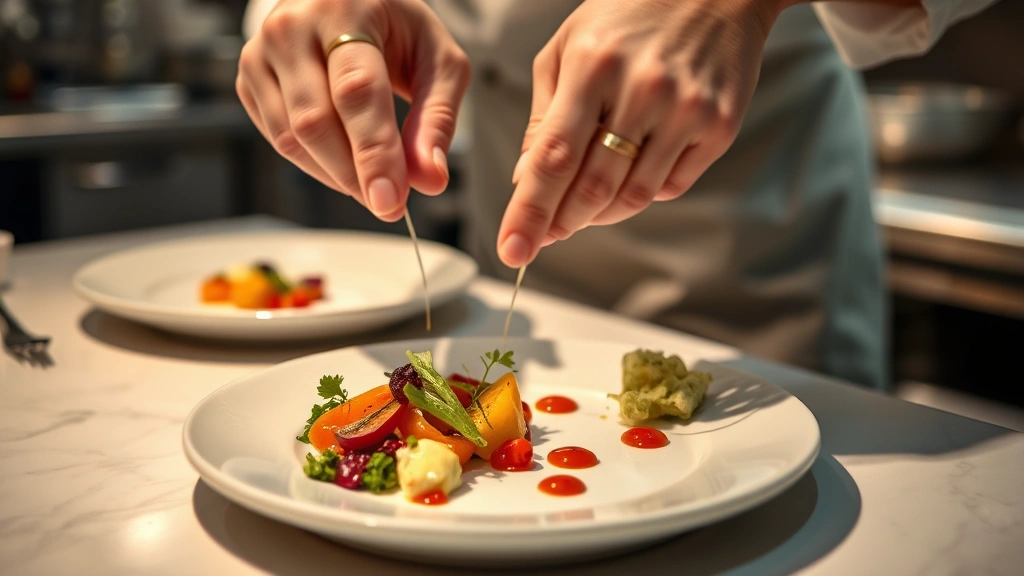
Plating functions as visual storytelling. The arrangement of elements on the plate guides the diner’s eating experience—suggesting which flavors to encounter first, how components should interact, where temperature contrasts exist. A chef might arrange a dish to reference a landscape, or compose it to require a specific eating sequence that maximizes flavor development.
Wine or beverage pairings enhance culinary storytelling. Rather than simply matching weights and flavors, thoughtful pairings create unexpected harmonies that amplify both wine and food. A sommelier at a top chef’s table understands how acidity in a wine can brighten rich dishes, how tannins interact with umami, or how unusual pairings might reveal hidden flavor dimensions.
Many exceptional restaurants, including those recognized as warm and cozy restaurants, succeed because they balance sophistication with genuine hospitality. The chef’s table experience should never feel pretentious or intimidating—rather, it should feel like an invitation into the chef’s culinary world, a shared celebration of food and flavor.
Distinguishing Excellence from Pretension
Not every expensive, exclusive dining experience represents genuine excellence. The restaurant critic’s true challenge lies in distinguishing restaurants built on authentic culinary vision from those trading on hype and exclusivity alone. Several indicators reveal the difference.
Consistency matters profoundly. An excellent chef’s table delivers exceptional experiences across multiple visits. Menus evolve seasonally, but foundational techniques and flavor philosophy remain evident. Conversely, restaurants relying on novelty and spectacle often struggle with consistency, as attention focuses on impressing rather than perfecting.
Ingredient respect reveals a chef’s character. Does the menu celebrate ingredients in their purity, or does every element require elaborate transformation? Both approaches have merit, but the finest chefs know when to let an ingredient shine and when to showcase technique. A perfect tomato at peak ripeness might require nothing more than excellent salt and oil. A complex protein might warrant elaborate preparation.
Staff knowledge demonstrates institutional commitment to excellence. When servers, sommeliers, and kitchen staff can speak intelligently about ingredients, techniques, and flavor development, it indicates the chef has invested in education and culture-building. Conversely, staff who merely recite memorized descriptions signal a more superficial operation.
Price alignment with value represents another indicator. While exceptional dining justifiably costs more than casual establishments, the finest restaurants offer value proportional to their pricing. They don’t charge premium prices simply because seating is limited or the chef is famous; rather, the experience—ingredients, technique, service, and overall execution—genuinely justifies the investment.
Consider exploring other dining categories to contextualize excellence. Family restaurants near me often demonstrate fundamental cooking principles that inform fine dining. Vegetarian restaurants showcase how chefs create complexity without animal proteins, a valuable lesson for any kitchen. These varied experiences build a comprehensive understanding of culinary excellence across contexts.
The International Association of Culinary Professionals maintains standards and recognizes excellence across the industry. Industry recognition through organizations like the Golden Foodie Awards or features in publications like Saveur Magazine indicate broader recognition of a chef’s contributions to culinary culture.
FAQ
What’s the typical price range for an exceptional chef’s table experience?
Premium chef’s table experiences generally range from $150 to $500+ per person, depending on location, chef reputation, and included beverages. Some Michelin-starred establishments command significantly higher prices. However, price alone doesn’t guarantee quality—many restaurants under $150 per person deliver exceptional value and culinary excellence.
How far in advance should reservations be made?
The finest chef’s tables often require booking several months ahead, particularly for acclaimed chefs or limited seating. Some restaurants maintain waiting lists or release reservations quarterly. Always verify cancellation policies, as chef’s table experiences typically have strict terms.
Should I inform the restaurant of dietary restrictions beforehand?
Absolutely. Provide detailed information about allergies, religious dietary restrictions, or strong ingredient aversions when booking. Exceptional kitchens can accommodate most restrictions while maintaining the tasting menu’s integrity, but they need advance notice to plan thoughtfully.
What’s the difference between a chef’s table and a tasting menu?
A chef’s table refers to the seating location and typically involves direct kitchen visibility and potential chef interaction. A tasting menu is the progression of multiple small courses showcasing the chef’s range. Chef’s tables often feature tasting menus, but tasting menus exist in non-chef’s table seating as well.
How should I prepare for a chef’s table dining experience?
Arrive with an open mind and empty stomach—skip heavy meals beforehand. Dress appropriately per restaurant guidelines. Silence your phone. Engage with the chef and staff when they offer interaction, but respect their focus during service. Avoid wearing strong fragrances that might interfere with aroma appreciation.
What makes a good chef restaurant stand out from competitors?
A good chef restaurant demonstrates unwavering commitment to ingredient quality, consistent technique execution, genuine innovation rooted in culinary understanding, and authentic hospitality. The chef’s personal involvement in daily operations, menu development, and quality control separates outstanding establishments from those coasting on reputation.