Cozy Restaurants to Try: Chef’s Top Picks for Warm and Inviting Dining
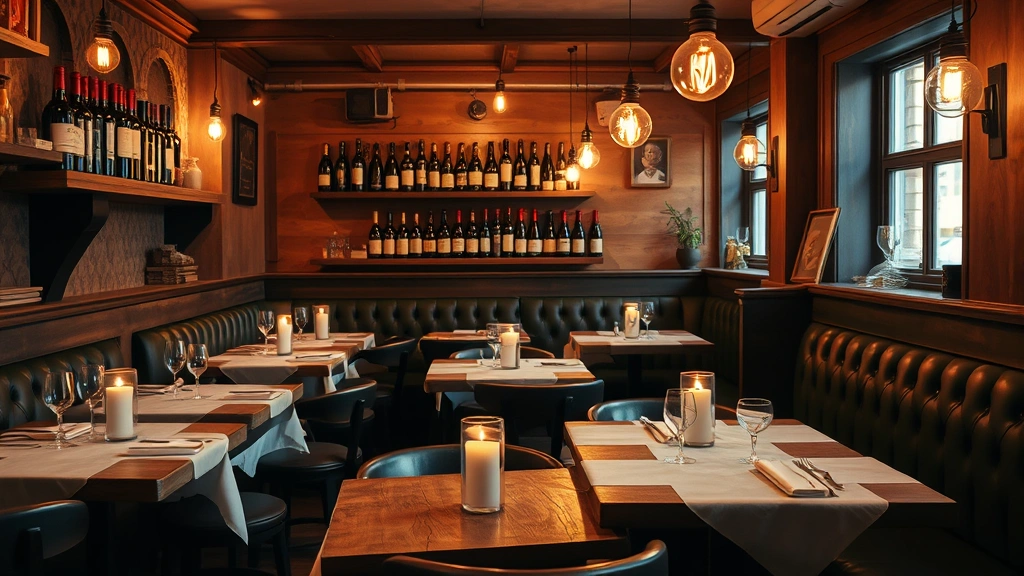
There’s something profoundly magical about stepping into a restaurant that wraps around you like a warm embrace. The soft amber glow of vintage Edison bulbs, the gentle murmur of intimate conversations, the aroma of slow-cooked comfort food mingling with fresh herbs—these sensory elements transform a simple meal into an unforgettable experience. As a chef with decades of experience navigating culinary landscapes across the globe, I’ve developed a refined appreciation for establishments that prioritize warmth, authenticity, and genuine hospitality alongside exceptional cuisine.
The best cozy restaurants aren’t necessarily the most elaborate or expensive establishments; rather, they’re spaces where thoughtful design meets passionate cooking, where every element—from the temperature of your soup to the softness of the ambient lighting—has been carefully considered. In this comprehensive guide, I’ll walk you through my most cherished discoveries, revealing the characteristics that define truly cozy dining experiences and introducing you to the types of restaurants that consistently deliver comfort alongside culinary excellence.
What Makes a Restaurant Truly Cozy
Coziness in a restaurant stems from a harmonious convergence of multiple sensory and emotional factors. The architectural bones matter—exposed brick walls that tell stories of decades past, wooden beams that frame intimate spaces, and thoughtful lighting that casts flattering shadows across diners’ faces. But beyond the physical environment, true coziness emerges from the philosophy of the establishment itself.
The temperature—both literal and metaphorical—plays a crucial role. A genuinely cozy restaurant maintains comfortable warmth, whether through a crackling fireplace, heated stone walls, or simply the collective body heat and energy of diners who feel welcomed. The kitchen’s output should reflect this same warmth: dishes that steam gently on the plate, broths that coat your palate with velvety comfort, and flavors that build progressively rather than assault the senses.
Sound design deserves particular attention. The best cozy restaurants manage acoustics carefully, preventing excessive noise while maintaining enough ambient energy to feel alive. You should hear the gentle clink of glasses, the soft murmur of conversations, and perhaps the distant sounds of the kitchen’s purposeful activity—not the cacophonous roar that makes intimate conversation impossible.
Service philosophy distinguishes cozy establishments from merely pleasant ones. Staff members should anticipate needs without hovering, remember preferences without being asked, and treat each guest as though they’re welcoming an old friend into their home. This level of attentiveness creates the psychological foundation upon which coziness is built.
Intimate Bistros and Their Timeless Appeal
French bistros represent the gold standard of cozy dining, and for good reason. These establishments have perfected the art of creating intimate spaces where strangers become confidants and meals become memories. The bistro aesthetic—worn wooden tables, mismatched vintage chairs, walls adorned with old photographs and wine bottles—creates an atmosphere of authenticity that cannot be manufactured.
What distinguishes exceptional bistros from their mediocre counterparts is the consistency of their culinary philosophy. The menus typically feature classic preparations executed with precision: coq au vin that has simmered for hours until the chicken becomes impossibly tender and the wine sauce develops profound depth, beef bourguignon where each element—the pearl onions, the mushrooms, the beef itself—maintains distinct identity while contributing to a unified whole, and duck confit where the skin crackles with promise before revealing meat so succulent it seems to dissolve on your tongue.
These bistros understand that comfort food transcends cultural boundaries. Whether you’re enjoying a perfectly seared scallop with brown butter and lemon, a silken pâté spread across toasted brioche, or a simple green salad dressed with Dijon vinaigrette, you’re experiencing food designed to satisfy both hunger and soul. The wine lists in quality bistros typically emphasize French regions but often include thoughtful selections from other areas, curated to complement rather than intimidate.
If you’re exploring different dining styles, you might also appreciate kiddie-friendly restaurants near me that maintain this bistro sensibility while accommodating families, or investigate pet-friendly restaurants near me that extend their welcoming philosophy to four-legged companions.
Farm-to-Table Havens
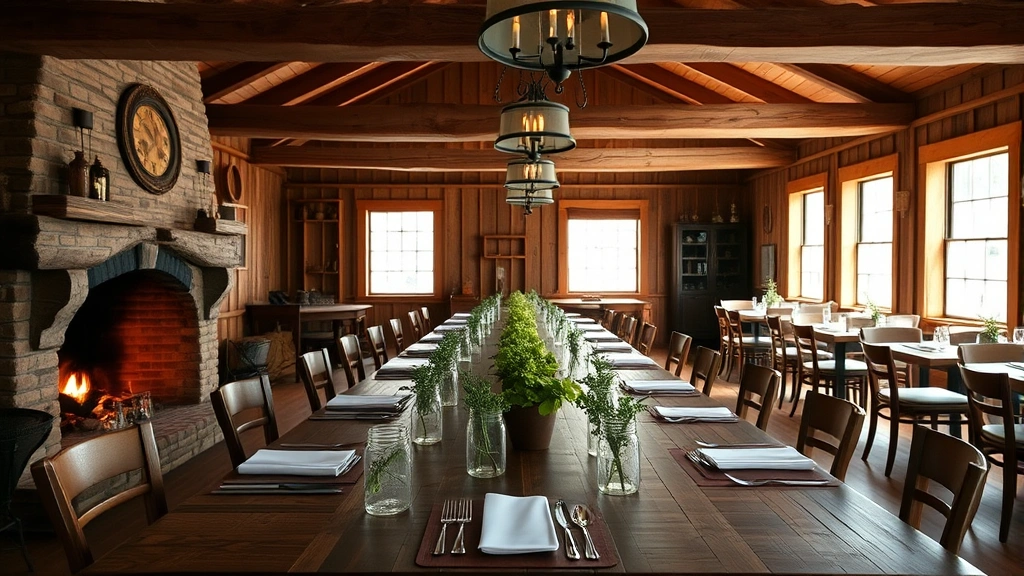
The farm-to-table movement, when executed authentically rather than as mere marketing, creates some of today’s coziest dining environments. These restaurants typically occupy converted farmhouses, renovated cottages, or modest storefronts in agricultural communities, where the connection between soil, seed, and plate remains tangible and present.
What makes farm-to-table establishments uniquely cozy is their seasonal honesty. Rather than forcing consistency through imported ingredients and artificial growing methods, these kitchens celebrate what’s currently thriving. Spring brings asparagus so fresh it still bears traces of morning dew, tender lamb that tastes of the wild herbs the animals grazed upon, and delicate lettuces that provide textural contrast to creamy, tangy cheeses. Summer explodes with stone fruits that taste like concentrated sunshine, heirloom tomatoes in varieties most diners have never encountered, and fresh herbs so potent they perfume the entire plate.
The cooking style in these establishments emphasizes ingredient quality over technique complexity. A perfectly ripe peach might be served simply with burrata and aged balsamic. Carrots—often overlooked in fine dining—receive roasting treatment that caramelizes their natural sugars and intensifies their earthy sweetness. Root vegetables are transformed through patient braising into dishes of surprising sophistication.
These restaurants often feature communal dining options, where strangers sit at long wooden tables and discover unexpected connections over shared meals. This format inherently amplifies coziness, as the collective energy of the dining room becomes part of each individual’s experience.
Family-Style Dining Experiences
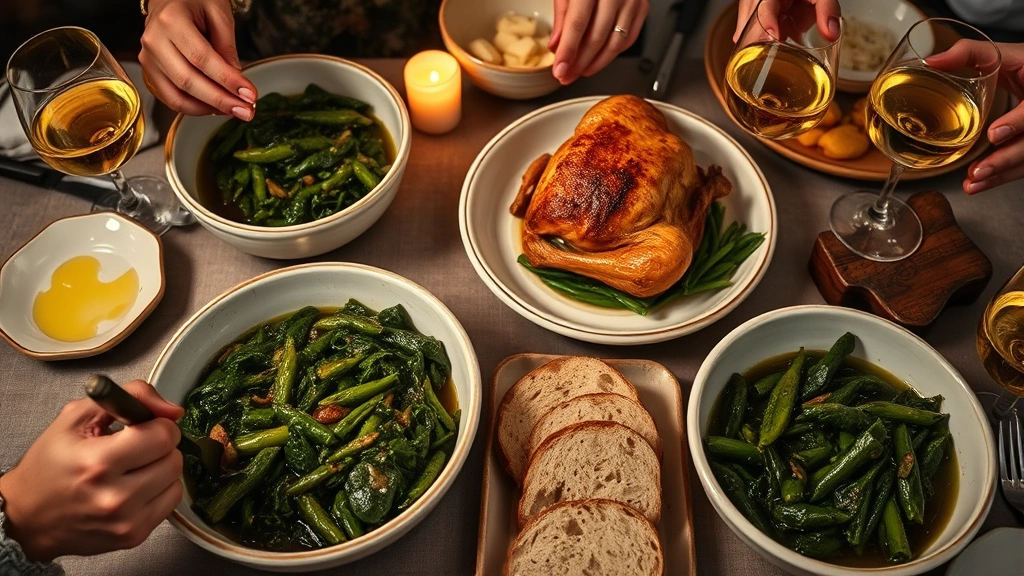
Family-style service—where dishes arrive at the table meant for sharing—creates an entirely different flavor of coziness. This dining format encourages conversation, collaboration, and the kind of unhurried pace that allows flavors to develop fully on the palate. The best family-style restaurants understand that this service method requires dishes designed for communal enjoyment.
Think of a restaurant where platters of roasted chicken arrive at the table still sizzling, where the skin crackles under the gentle pressure of shared utensils, and where the juices pooling on the plate invite bread to be torn into pieces for soaking. Imagine bowls of braised greens, their bitterness balanced by garlic and olive oil, passed hand to hand around the table. Envision platters of fresh pasta dressed in simple preparations—perhaps nothing more than excellent butter, local cheese, and fresh black pepper—where the quality of each ingredient shines without competition.
These establishments typically feature open kitchens where diners can observe the choreography of cooking—the precise timing required to plate dishes simultaneously, the care taken in arranging components, the evident passion driving each preparation. This transparency builds trust and appreciation; you understand why your food tastes exceptional because you’ve witnessed the intentionality behind its creation.
If you’re seeking family-friendly options with this communal spirit, exploring kiddie-friendly restaurants near me can reveal establishments that welcome children while maintaining sophisticated culinary standards.
Hidden Gems and Neighborhood Favorites
Some of the coziest restaurants operate almost invisibly, known primarily through word-of-mouth recommendations and the loyal patronage of neighborhood residents. These establishments rarely invest in marketing; their reputation spreads organically through the genuine enthusiasm of satisfied diners.
These hidden gems often feature limited seating and restricted hours, operating only when the chef and staff can maintain their exacting standards. A restaurant with twelve tables, open only Thursday through Sunday, creates inherent exclusivity and intimacy. Each reservation becomes precious; each meal receives full attention and care.
The menus in these establishments often change daily or weekly, reflecting what’s available from preferred suppliers and what the chef feels inspired to create. This unpredictability might unsettle some diners, but for those seeking authentic culinary adventure, it represents the highest form of engagement. You’re not simply consuming a pre-planned meal; you’re participating in the chef’s creative process, experiencing their current artistic vision.
Neighborhood restaurants often feature multi-generational clientele—grandparents who’ve been dining there for decades, their children now bringing their own children to experience the same warmth and consistency. This continuity of patronage creates an atmosphere of belonging that cannot be manufactured. You feel welcomed not just as a customer, but as part of an extended community.
For late-night seekers of coziness, restaurants open late near me can provide intimate settings for evening dining when the day’s bustle has faded.
Creating Your Own Cozy Dining Ritual
While discovering cozy restaurants remains essential, developing personal dining rituals amplifies the experience. Consider designating one or two establishments as your “neighborhood spots”—places where you visit regularly enough to become familiar to staff, where servers know your preferences before you articulate them, and where the kitchen begins preparing something special the moment you’re seated.
The sensory components of these rituals matter tremendously. Perhaps you always begin with the same aperitif—a crisp white wine, a refreshing aperol spritz, or a carefully crafted cocktail. Maybe you develop preferences for particular tables, times of day, or seasonal preparations. You might establish traditions around dessert and coffee, lingering long after your plate is cleared, engaged in the kind of unhurried conversation that modern life rarely permits.
Temperature plays a surprising role in ritual coziness. Seeking warm, comforting foods during cooler months—beef stews that simmer for hours, creamy soups that coat your palate with richness, bread puddings where the custard soaks through every crevice—creates seasonal alignment. When you’re cold outside and warm inside, the contrast amplifies the sensation of comfort.
For those interested in recreating cozy flavors at home, exploring resources like the best chocolate chip cookie recipe or easy gluten-free dessert recipes allows you to extend the cozy experience beyond restaurant walls. The act of baking or slow-cooking at home, filling your space with the aromas of comfort foods, creates its own form of coziness.
Visiting the Flavor Adventurer Blog regularly keeps you informed about emerging cozy dining destinations and culinary trends that emphasize comfort alongside excellence.
FAQ
What’s the difference between cozy and casual dining?
Cozy dining emphasizes emotional warmth, thoughtful design, and intentional pacing, while casual dining prioritizes efficiency and accessibility. A cozy restaurant might serve simple food in an intimate setting with attentive service, whereas casual dining often features quick service and higher volume. Coziness requires psychological comfort; casualness simply means low formality.
Are cozy restaurants necessarily expensive?
Not at all. While some cozy establishments command premium prices due to ingredient quality and service levels, many neighborhood favorites offer exceptional value. Coziness stems from atmosphere, service philosophy, and culinary passion rather than price point. Some of the coziest meals I’ve experienced occurred in modest establishments with modest prices.
How do I find cozy restaurants in my area?
Seek recommendations from locals rather than relying solely on review aggregators. Visit restaurant websites to assess their philosophy and approach. Look for limited seating, restricted hours, and menus that change seasonally—these indicators often signal genuine commitment to coziness. Consider exploring kiddie-friendly restaurants near me or pet-friendly restaurants near me in your area, as restaurants welcoming families and animals often prioritize comfort across the board.
What should I order to best experience a cozy restaurant?
Order seasonally and defer to server recommendations. Ask about the chef’s current favorites or preparations requiring particular skill. Embrace unfamiliar ingredients and techniques—the kitchen’s passion often shines brightest in unexpected preparations. Consider family-style ordering when available, as sharing enhances the communal comfort that defines coziness.
Can chain restaurants achieve coziness?
Rarely. Coziness requires authenticity, and most chain operations sacrifice individual character for consistency. However, some restaurant groups with limited locations and strong local roots maintain genuine coziness across their establishments. Look for chains with fewer than five locations, owner-operated management, and menus that reflect local ingredients and preferences.
How does lighting contribute to restaurant coziness?
Lighting dramatically influences perception of warmth and comfort. Warm-toned lighting (2700K color temperature or lower) flatters skin tones and creates psychological warmth. Dimmers allow restaurants to adjust lighting based on time of day and crowd energy. Layered lighting—combining overhead fixtures with candles and accent lighting—creates visual depth and intimacy. Harsh fluorescent or overly bright lighting destroys coziness regardless of other factors.


