Top Mexico City Restaurants: Local Foodie Reviews & Hidden Culinary Gems
Mexico City stands as one of the world’s most vibrant culinary capitals, where centuries-old indigenous traditions collide with contemporary gastronomic innovation. The city’s restaurant scene pulses with energy across neighborhoods like Roma, Condesa, and Centro Histórico, each establishment telling stories through meticulously crafted dishes that honor ancestral recipes while embracing modern techniques. From intimate mezcal bars serving hand-rolled tortillas to Michelin-starred temples of haute cuisine, Mexico City’s dining landscape offers an intoxicating journey through flavors that range from delicate and refined to boldly complex and utterly transformative.
As a devoted food explorer who has spent countless evenings navigating this gastronomic paradise, I’ve discovered that the true magic of Mexico City’s restaurants lies not merely in the food itself, but in the philosophy behind each plate. Here, chefs engage in profound conversations with their ingredients—understanding the terroir of heirloom corn varieties, respecting the labor of artisanal producers, and channeling ancestral wisdom into every preparation. This comprehensive guide distills my personal experiences and local insights to reveal the establishments that genuinely deserve your palate’s attention.
Fine Dining Excellence & Michelin Recognition
Mexico City’s fine dining establishments have rightfully earned their place among the world’s most prestigious restaurants. Pujol, consistently ranked among Latin America’s best, represents the pinnacle of this culinary ascension. Chef Enrique Olvera’s vision transforms humble Mexican ingredients into architectural marvels of flavor—a single course might feature charred tortilla ash, aged miso made from huitlacoche, and the delicate essence of smoked corn silk. The experience unfolds as a profound meditation on Mexican identity, where each element carries historical weight and contemporary brilliance in equal measure.
The sensory experience at establishments like Pujol transcends typical dining. Your palate encounters unexpected textural contrasts—the crispness of charred corn balanced against silky purees, the umami intensity of fermented ingredients juxtaposed with bright, acidic notes that awaken the mouth. Enrique Olvera’s philosophy emphasizes restraint and precision; every component on the plate serves a purpose, every flavor note contributes to a larger narrative. The restaurant’s tasting menu spans fifteen courses, each one building upon previous sensations to create a cumulative experience that resonates long after your final bite.
Beyond Pujol, restaurants like Quintonil and Bálamo represent the new guard of Mexican haute cuisine. These establishments share a common thread: unwavering commitment to sourcing from small-scale producers, deep respect for indigenous cooking methods, and willingness to challenge diners’ preconceived notions about Mexican food. At these venues, you’ll discover that traditional ingredients like amaranth, epazote, and various chili varieties possess complexity that rival any ingredient found in European fine dining. The wine programs at these restaurants rival international standards, with sommeliers demonstrating profound knowledge of Mexican viticulture and natural wine movements.
Traditional Mexican Cuisine Elevated
While fine dining captures attention, the true soul of Mexico City’s culinary identity resides in restaurants devoted to traditional Mexican cuisine executed with exceptional skill and ingredient integrity. These establishments reject the notion that traditional food cannot achieve sophistication—instead, they prove that mastery of classical technique combined with pristine ingredients creates transcendent dining experiences.
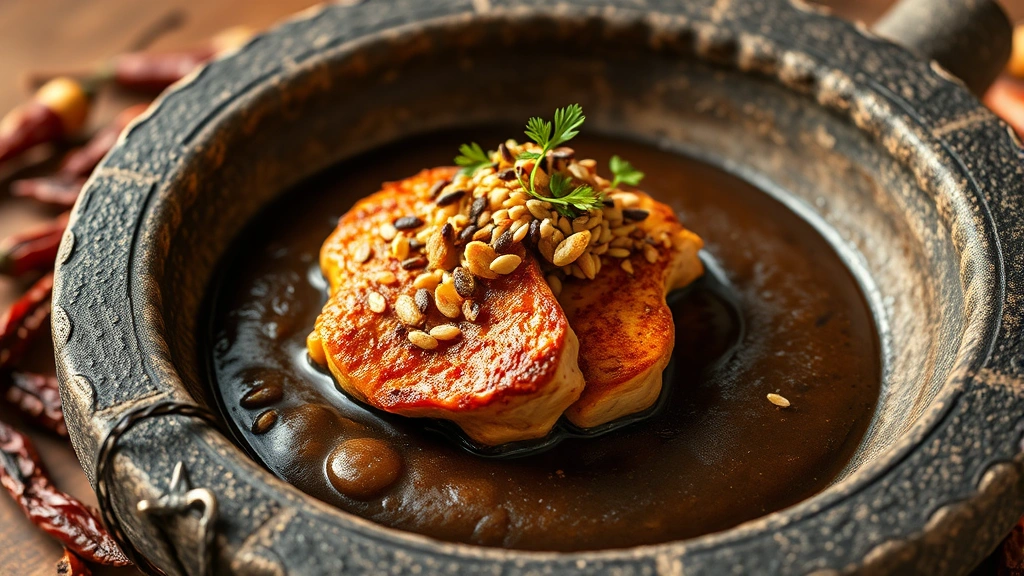
Corazón de Maguey specializes in pre-Hispanic cuisine, offering dishes that archaeologists and historians believe resembled those consumed centuries ago. Imagine consuming mole negro prepared using twenty-three ingredients, some ground by hand on volcanic stone metates, with a depth of flavor that builds across your palate like a symphony gradually revealing its full orchestration. The chile components evolve from initial heat into complex fruity and chocolate notes, while spice elements weave through the composition without overwhelming the primary flavors of the protein they accompany.
Restaurants focused on regional Mexican cuisine provide equally compelling experiences. Many establishments feature chefs from Oaxaca, Yucatán, or other culinary hotbeds, bringing authentic recipes and techniques that rarely appear outside their regions of origin. At these venues, you’ll taste mole rojo with the bright, slightly fruity quality that comes from properly charred dried chiles, discover the subtle floral notes of achiote when used with restraint, and experience how lime juice and fresh herbs can elevate simple preparations into memorable dishes. The cooking here demonstrates that tradition and excellence are not opposing forces—they represent complementary aspects of culinary mastery.
These traditional establishments often feature intimate dining atmospheres that enhance the sensory experience. Simple wooden tables, soft lighting, and minimal decoration allow your focus to remain entirely on the food and the flavors unfolding across your palate. This restraint in ambiance reflects the philosophy of the cuisine itself—allowing ingredients and technique to command attention rather than relying on theatrical presentation or elaborate décor.
IMAGE_2
Contemporary Fusion & Innovation
Mexico City’s contemporary restaurant scene embraces experimentation without abandoning cultural roots. These establishments represent a generation of chefs trained in both classical European technique and Mexican culinary tradition, equipped to synthesize these influences into genuinely innovative cuisine.
Restaurants like Contramar have pioneered a distinctly Mexican approach to contemporary cooking that emphasizes technique while celebrating local ingredients and preparations. The kitchen’s approach to seafood showcases mastery of temperature control and timing—fish arrives at your table with exterior char providing textural contrast to delicate, barely translucent flesh. Accompanying elements—perhaps charred spring onions, fermented black beans with subtle funk, and a squeeze of fresh lime—create compositions where each component enhances rather than competes with others.
These contemporary establishments often feature seasonal menus that shift to reflect ingredient availability and inspiration. This approach demands constant creativity from kitchen staff while ensuring that diners who visit multiple times experience genuine novelty rather than repetition. The cooking style emphasizes clarity of flavor—you can identify individual components while appreciating how they combine to create something greater than their individual parts.
Contemporary fusion restaurants also explore the intersection between Mexican and Asian cuisines, reflecting Mexico City’s increasingly cosmopolitan population. These kitchens might employ Japanese fermentation techniques on Mexican ingredients, create ceviches using techniques borrowed from Peruvian traditions, or apply Chinese wok techniques to traditional Mexican preparations. The best of these experiments succeed because they’re driven by genuine culinary curiosity rather than mere novelty-seeking—the chef understands why a particular technique enhances a specific ingredient or preparation.
Street Food Refined to Perfection
Mexico City’s street food culture represents perhaps the most authentic expression of the city’s culinary identity. These foods—tacos, tamales, tlacoyos, elotes—emerged from practical necessity and evolved through generations of refinement. Several restaurants have elevated street food traditions to fine dining contexts while maintaining their essential character and accessibility.
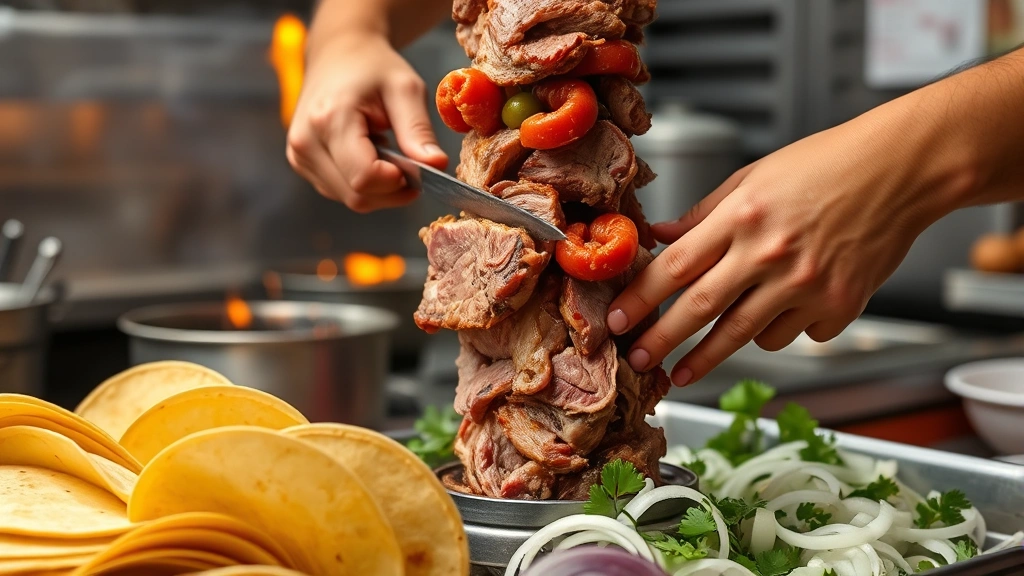
Taquerías throughout the city serve exceptional examples of this cuisine. The best taquería experiences begin with observation—watch how skilled taqueros work, noting the precise angle of their knife as they slice meat from the rotating spit, the timing of their movements as they warm tortillas over open flame, the confidence with which they construct each taco. Quality taquerías source from exceptional suppliers: beef aged with care, chorizo prepared with proper spice balance and fat content, onions and cilantro that arrive fresh daily. The tortillas themselves deserve attention—properly made from nixtamalized corn, they should possess subtle sweetness and toasted corn aroma when warmed over flame.
Tamale establishments offer similarly compelling sensory experiences. A properly made tamal features masa that’s light and slightly fluffy, achieved through proper technique and ingredient selection. The filling—whether it’s rajas con queso, mole negro, or chile rojo with chicken—should taste distinct and flavorful, never overwhelmed by the surrounding masa. The corn husk wrapping should be supple and aromatic, contributing subtle corn flavor to the overall experience. These simple preparations demand mastery of fundamental techniques and access to excellent ingredients.
Several restaurants have successfully transplanted this street food excellence into more formal settings. These establishments maintain the essential character of the food—the bright, fresh flavors; the textural contrasts; the accessibility—while providing refined service and thoughtful plating. The best examples prove that street food and fine dining represent not opposing forces but different expressions of the same culinary values: respect for ingredients, mastery of technique, and understanding of flavor fundamentals.
IMAGE_3
Mezcal & Cocktail Culture
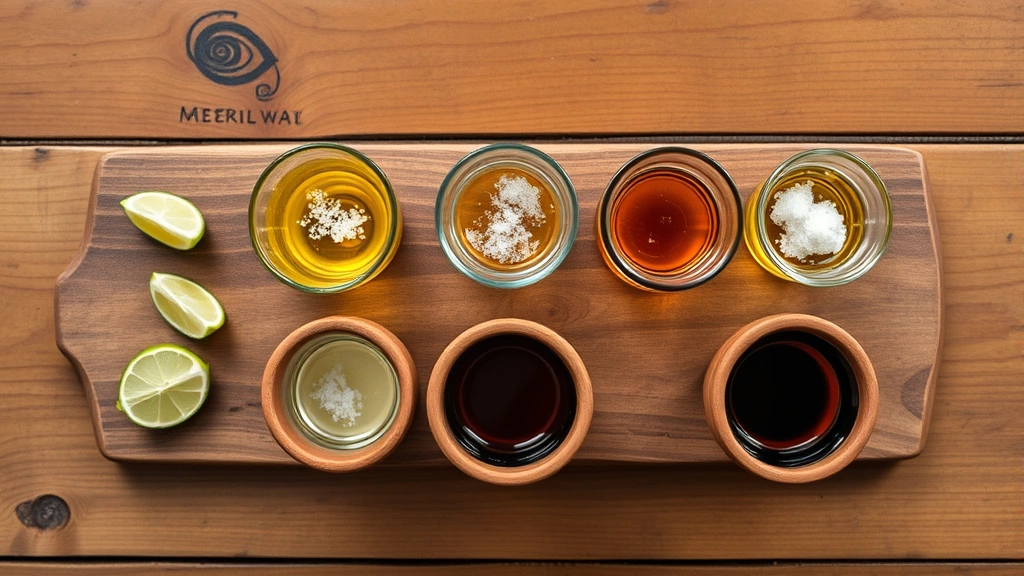
Mexico City’s beverage programs deserve equal attention to the food. Mezcal bars have proliferated throughout the city, offering education and exploration of this complex spirit. Unlike tequila’s more uniform production standards, mezcal encompasses tremendous variety—different agave species, diverse production methods, regional variations that create distinct flavor profiles. A proper mezcal tasting involves slowing down, observing the spirit’s appearance and viscosity, inhaling its complex aromatics, and allowing it to coat your palate before swallowing.
Expert mezcal bars employ knowledgeable staff who understand the spirit’s nuances and can guide you through selections. You might encounter mezcal with prominent smoky character from extended agave roasting, others displaying floral or fruity notes from specific agave varieties, still others showcasing the influence of particular production regions. The sensory experience differs dramatically between expressions—some possess mouth-puckering intensity while others display surprising delicacy and finesse.
Cocktail culture in Mexico City has evolved significantly, with bartenders incorporating traditional ingredients like chile, chocolate, and indigenous herbs into classical cocktail frameworks. These drinks represent genuine innovation rather than gimmickry—a properly made chocolate-based cocktail might feature bitter cacao, warming spices, and balanced spirit components that create complexity rather than confusion. The best bartenders understand that traditional Mexican ingredients possess sophisticated flavor profiles worthy of respectful incorporation into cocktail programs.
Neighborhood-by-Neighborhood Guide
Roma & Condesa: These adjacent neighborhoods represent Mexico City’s culinary epicenter. Roma Norte buzzes with contemporary restaurants, mezcal bars, and casual eateries that attract both locals and visitors. The neighborhood’s tree-lined streets and renovated colonial buildings provide charming backdrops for dining. Condesa features similar energy with additional emphasis on casual, accessible cuisine. Both neighborhoods offer excellent options for exploring diverse restaurant styles within walking distance.
Centro Histórico: The historic center offers restaurants ranging from casual market eateries to upscale establishments. This neighborhood provides access to traditional preparations served in family-run establishments that have operated for decades. The energy feels distinctly different from Roma and Condesa—more authentically local, less oriented toward tourist appeal, despite the neighborhood’s obvious historical importance.
San Ángel & Coyoacán: These southern neighborhoods feature excellent restaurants often overlooked by visitors focused on central areas. San Ángel offers upscale dining in colonial surroundings, while Coyoacán maintains a more bohemian, artsy character. Both neighborhoods provide authentic experiences with less tourist presence than central locations.
Polanco: Mexico City’s wealthiest neighborhood features high-end restaurants, international cuisine, and upscale dining experiences. While perhaps less distinctly Mexican than other areas, Polanco offers excellent execution across diverse cuisines and features world-class service standards.
Dining Etiquette & Reservation Tips
Mexico City’s restaurant culture embraces both formality and casualness depending on the establishment. Fine dining restaurants expect reservations well in advance—popular venues like Pujol book months ahead. For these establishments, dress codes typically involve smart casual attire at minimum, with some venues requesting formal wear for evening service.
Casual establishments and taquerías operate on a walk-in basis, with no reservation necessary or possible. These venues appreciate efficiency—order quickly, consume your meal, and vacate your table to allow others access. This isn’t rudeness but rather respect for high demand and limited seating.
Tipping customs in Mexico City typically involve leaving 15-20% at full-service restaurants, slightly less at casual venues. Many establishments now include service charges automatically, so verify your bill before calculating additional tips. Tipping at taquerías and street food vendors is less formal—rounding up or leaving small change is appreciated but not mandatory.
Meal timing differs from North American customs—lunch typically occurs between 1-3 PM and represents the day’s main meal, while dinner happens later, often after 8 PM. Many restaurants offer prix fixe lunch menus at lower prices than dinner service. Timing your visits to align with local customs often provides better value and more authentic experiences.
When visiting traditional establishments, arriving with genuine curiosity and respect for the cuisine enhances your experience. Staff members appreciate diners who ask questions about preparations, ingredient sourcing, and regional variations. This engagement transforms dining from mere consumption into genuine cultural exchange.
FAQ
What’s the best time to visit Mexico City restaurants?
Lunch service (1-3 PM) offers better value and fewer crowds than dinner. However, dinner service showcases restaurants’ full capabilities and provides more elaborate menus. The dry season (November-April) brings pleasant weather and larger tourist crowds, while the rainy season (May-October) features fewer visitors and lower prices at many establishments.
How should I approach trying Mexico City’s street food?
Observe which vendors attract local customers—this indicates quality and food safety. Watch the preparation process to ensure proper cooking temperatures and sanitation. Start with well-established vendors operating in high-traffic areas where ingredient turnover is rapid. Your digestive system may need adjustment to unfamiliar bacteria, so avoid consuming excessive quantities of unfamiliar foods on your first day.
Are reservations necessary at casual restaurants?
Most taquerías, tamale shops, and casual eateries operate on walk-in basis only. However, popular casual restaurants in Roma and Condesa increasingly require reservations, particularly for dinner service. When in doubt, call ahead to confirm seating availability.
What’s the difference between mole and salsa?
Mole typically involves cooked sauces with numerous ingredients (often 15-30+), featuring complex flavor development through slow cooking and spice integration. Salsas are generally fresher, brighter preparations with fewer ingredients and quicker preparation. Moles tend toward complexity and richness, while salsas emphasize freshness and immediate flavor impact.
How do I navigate menus written entirely in Spanish?
Most restaurants in tourist areas provide English menus or have English-speaking staff. For authentic neighborhood establishments, learning basic food vocabulary enhances your experience. Ask servers for recommendations rather than struggling through translation—their insights often lead to exceptional dishes you’d otherwise overlook. Many menus feature seasonal ingredients, so asking what’s particularly good today provides valuable guidance.
What makes Mexico City’s culinary scene distinct from other Mexican regions?
Mexico City’s position as the national capital attracts chefs and ingredients from throughout the country, creating unprecedented ingredient diversity. The city’s cosmopolitan population supports experimental cuisine alongside traditional preparations. Historical significance means the city preserves ancestral recipes while embracing contemporary innovation—traditions and modernity coexist rather than compete.
Should I visit family-friendly restaurants or fine dining establishments?
Both offer distinct value. Fine dining showcases culinary innovation and technique, providing memorable experiences and educational opportunities. Casual family restaurants offer authenticity, accessibility, and genuine insight into how Mexico City residents actually eat. The ideal approach incorporates both—fine dining for special occasions, casual venues for everyday exploration.
What external resources help with Mexico City restaurant research?
The Michelin Guide Mexico City provides recognition of fine dining establishments. Los Angeles Times Food section frequently covers Mexico City’s culinary developments. World’s 50 Best Restaurants includes Mexico City establishments in global rankings. Gastronomía México provides Spanish-language coverage of the local food scene. Chef’s Factory offers culinary education and industry insights relevant to understanding Mexico City’s professional kitchen culture.