New China Delights Restaurant Taste Review: A Culinary Journey Through Authentic Flavors
Walking through the doors of New China Delights, I was immediately transported by the aromatic embrace of sizzling woks, fragrant jasmine tea, and the unmistakable perfume of star anise and Sichuan peppercorns dancing through the air. This establishment has emerged as a compelling destination for those seeking genuine Chinese cuisine that honors traditional techniques while embracing contemporary dining expectations. After spending an evening exploring their menu with the palate of a dedicated food enthusiast, I discovered a restaurant that balances nostalgia with innovation in ways that deserve careful examination.
The dining experience at New China Delights presents an intriguing paradox: it manages to feel both welcoming and sophisticated, casual yet intentional in its culinary approach. From the moment our server guided us to a table with impeccable attention to detail, it became clear that this establishment takes the complete sensory experience seriously. The question isn’t whether New China Delights delivers satisfying food—it does—but rather whether it achieves the depth and complexity that separates memorable dining from merely competent execution.
First Impressions and Ambiance
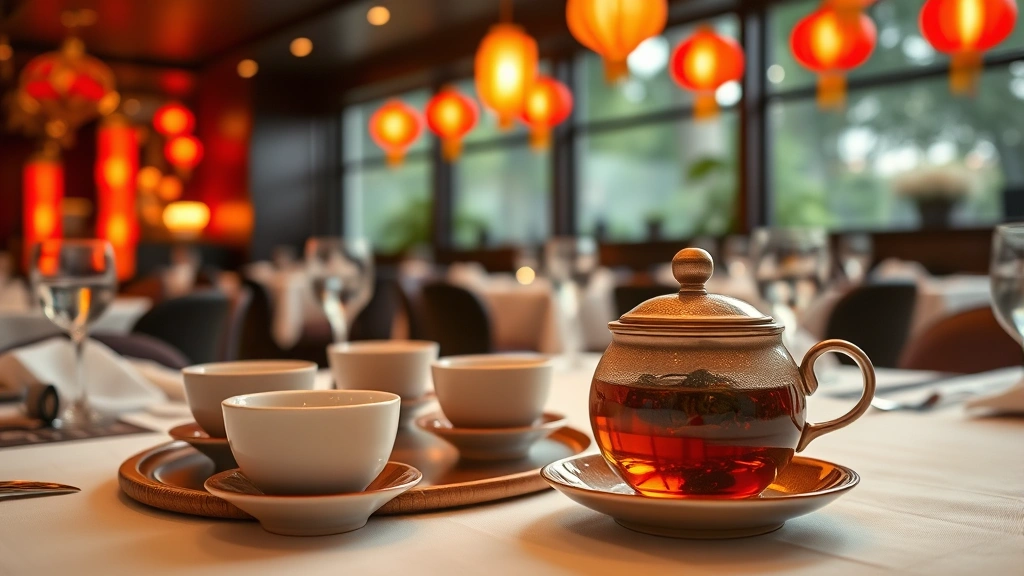
The restaurant’s aesthetic strikes a careful balance between traditional Chinese design elements and modern minimalism. Red lanterns cast a warm, inviting glow across tables dressed with crisp white linens, while contemporary artwork adorns walls painted in soothing neutral tones. This thoughtful design choice creates an environment where you feel respected as a diner without being overwhelmed by kitsch or dated decoration.
What impressed me most was the sensory restraint—the background music maintains a volume that allows conversation, the lighting avoids the harsh brightness that plagues many casual dining establishments, and the service staff moves with practiced efficiency without hovering intrusively. If you’re seeking restaurants with outdoor seating, New China Delights does offer a small patio area with string lights that creates an intimate evening atmosphere.
The table settings included small porcelain spoons for soup, proper chopsticks with subtle weight and balance, and water glasses that remained filled throughout the evening. These details matter because they signal respect for the dining tradition and the food being served. The menu itself, printed on quality cardstock with clear descriptions, avoided the overwhelming length that plagues many Chinese restaurants, suggesting careful curation rather than kitchen indecision.
Appetizer Selection and Flavor Profiles
We began with the Sichuan peppercorn edamame, a deceptively simple dish that revealed the kitchen’s attention to spice layering. The numbing sensation from Sichuan peppercorns arrived gradually, building complexity rather than overwhelming the palate immediately. The soybeans themselves maintained their tender-firm texture, neither mushy nor undercooked—a detail that speaks to precise steaming and timing.
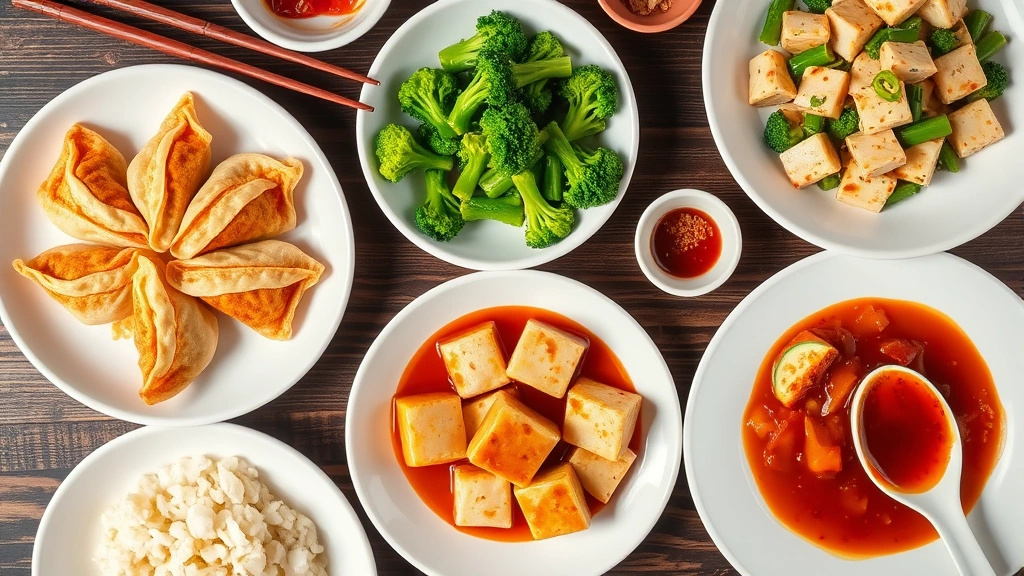
The pan-fried pot stickers demonstrated technical competence across multiple dimensions. The wrapper achieved that elusive textural balance: crispy on the pan-seared bottom with a slight chew in the pleated edges, while the wrapper facing up remained tender and slightly chewy. The pork and chive filling possessed genuine depth, with evidence of fresh ginger and garlic rather than the flattened, one-dimensional pork flavor sometimes encountered in lesser establishments. The accompanying dipping sauce—a combination of black vinegar, soy, and sesame oil—provided brightness without masking the dumpling’s inherent flavors.
The vegetable spring rolls arrived golden and crackling, with a filling that included wood ear mushrooms, cabbage, and bamboo shoots cut to consistent size. This attention to uniform vegetable cuts might seem minor, but it ensures even cooking and a pleasant eating experience where no single ingredient dominates textural experience. The sweet and sour sauce served alongside possessed genuine complexity—not the cloying red syrup common in Americanized Chinese restaurants, but rather a balanced combination of rice vinegar, tomato, and subtle sweetness.
For those interested in vegan dining options, New China Delights offers several plant-based appetizers including mushroom dumplings and vegetable spring rolls prepared with vegetable stock rather than chicken-based broths.
Main Courses: The Heart of the Experience
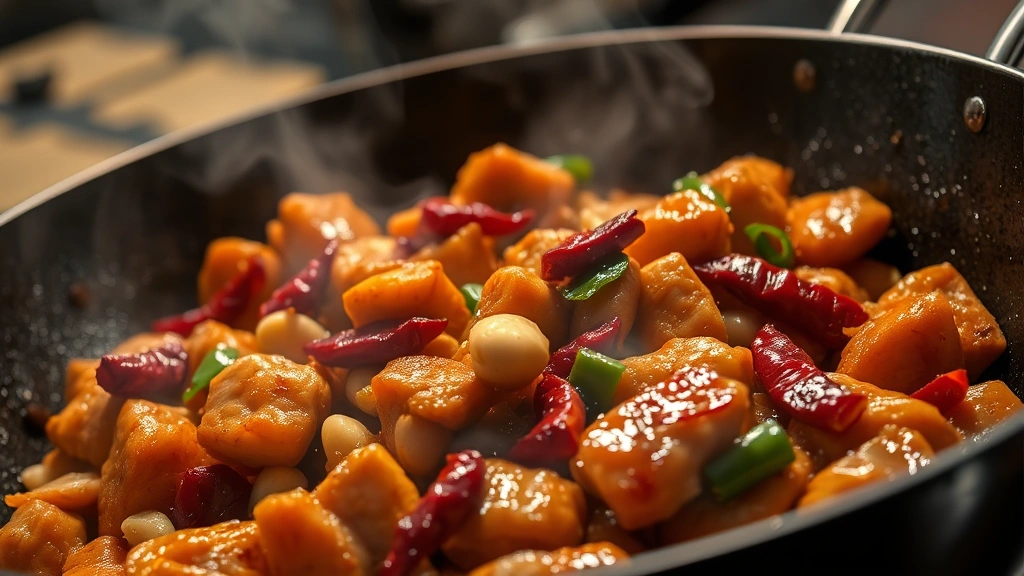
The Kung Pao Chicken represented the restaurant’s interpretation of a dish that has suffered countless mediocre renditions. Here, the chicken pieces were cut to generous size, still maintaining moisture despite being cooked through completely. The peanuts provided textural contrast without overwhelming the dish, and the balance between heat from dried chilies and the cooling effect of Sichuan peppercorns created a sensation that evolved as it lingered on the palate.
What distinguished this preparation was the absence of cornstarch-laden sauce that often leaves a gluey coating on the tongue. Instead, the sauce had been reduced to the point where it clung to each ingredient with glossy intensity, allowing individual flavors—soy, vinegar, ginger, garlic—to emerge distinctly. The vegetables (bell peppers and scallions) retained snap, suggesting they were added toward the end of cooking rather than subjected to the wok’s heat for extended periods.
The Mapo Tofu demanded careful eating. Silken tofu cubes sat suspended in a chile oil infused with fermented bean paste, creating a dish that was simultaneously creamy, spicy, and umami-forward. The heat built gradually rather than arriving as a shock, allowing appreciation of the tofu’s delicate texture and the complex spice profile. The ground pork distributed throughout provided savory punctuation and protein substance. If you’re looking for family-friendly Chinese dining, note that Mapo Tofu can be ordered with reduced spice levels without compromising flavor integrity.
The Beef and Broccoli showcased how a simple dish becomes memorable through execution. The beef, sliced against the grain, remained tender despite the high-heat wok cooking required for proper texture development. The broccoli florets achieved that ideal state—tender-crisp rather than either raw or collapsed—indicating precise timing and technique. The sauce, enriched with oyster sauce and soy, coated each element without excess pooling at the plate’s bottom.
Our exploration of easy stir-fry recipes has taught us to recognize when restaurants achieve proper wok temperature and technique. New China Delights demonstrates this mastery consistently—the vegetables possess that characteristic slight char and the meat develops proper browning without becoming tough.
Sauce Complexity and Cooking Technique
Throughout the evening, what emerged as the restaurant’s signature strength was its understanding of sauce architecture. Chinese cooking fundamentally relies on the marriage of protein, vegetables, and sauce—when that balance falters, the entire dish suffers. New China Delights demonstrates sophisticated knowledge of how soy, vinegar, sesame oil, chile oil, and oyster sauce interact.
The kitchen avoids the trap of using sauce as a mask for mediocre ingredients. Instead, sauce functions as an enhancer and bridge, allowing each component to maintain its identity while contributing to a cohesive whole. The ratio of sauce to solid ingredients remained consistent across dishes—enough to coat and flavor, not so much that diners need to push excess liquid aside.
This attention to balance extends to heat levels. The restaurant offers several chile-forward dishes, yet none felt like the kitchen simply dumped capsaicin into the wok. The heat arrives from dried chilies, fresh chilies, chile oil, and Sichuan peppercorns—each contributing distinct characteristics. This layering of heat sources creates complexity that single-ingredient spice never achieves.
The cooking technique itself reveals training and consistency. Vegetables maintain proper color and texture, proteins arrive at correct doneness, and timing suggests either excellent kitchen communication or a head chef with exacting standards. The wok’s heat, properly deployed, creates the slight char and caramelization that distinguishes quality Chinese cooking from home preparation.
Beverage Pairings and Tea Selection
The tea selection deserves particular attention. Rather than offering generic bags of indistinguishable tea, New China Delights provides loose-leaf options including jasmine green tea, oolong, and pu-erh. The server demonstrated knowledge about each variety, explaining that oolong’s roasting level affects flavor intensity and that pu-erh’s earthy character complements richer dishes.
We selected a medium-roasted oolong that arrived properly steeped in a ceramic pot designed for multiple infusions. The first pour revealed floral notes and subtle stone-fruit character that would pair beautifully with lighter dishes. The second infusion, slightly darker, developed more mineral character and body. This approach to tea service transforms the beverage from an afterthought into a genuine complement to the meal.
For those seeking easy Asian dinner recipes, understanding how proper tea selection enhances the meal is valuable knowledge. The restaurant’s beverage program suggests they view tea as integral to the dining experience rather than merely functional.
The wine list, though modest, showed thoughtful curation. A Riesling option provided sweetness and acidity to balance spiced dishes, while a pinot noir offered enough body to complement the umami-forward preparations without overwhelming delicate flavors. The sommelier-level knowledge wasn’t necessary given the straightforward pairings, but the presence of knowledgeable staff indicated genuine care about the complete experience.
Sauce Complexity and Cooking Technique
Throughout the evening, what emerged as the restaurant’s signature strength was its understanding of sauce architecture. Chinese cooking fundamentally relies on the marriage of protein, vegetables, and sauce—when that balance falters, the entire dish suffers. New China Delights demonstrates sophisticated knowledge of how soy, vinegar, sesame oil, chile oil, and oyster sauce interact.
The kitchen avoids the trap of using sauce as a mask for mediocre ingredients. Instead, sauce functions as an enhancer and bridge, allowing each component to maintain its identity while contributing to a cohesive whole. The ratio of sauce to solid ingredients remained consistent across dishes—enough to coat and flavor, not so much that diners need to push excess liquid aside.
This attention to balance extends to heat levels. The restaurant offers several chile-forward dishes, yet none felt like the kitchen simply dumped capsaicin into the wok. The heat arrives from dried chilies, fresh chilies, chile oil, and Sichuan peppercorns—each contributing distinct characteristics. This layering of heat sources creates complexity that single-ingredient spice never achieves.
The cooking technique itself reveals training and consistency. Vegetables maintain proper color and texture, proteins arrive at correct doneness, and timing suggests either excellent kitchen communication or a head chef with exacting standards. The wok’s heat, properly deployed, creates the slight char and caramelization that distinguishes quality Chinese cooking from home preparation.
Value Assessment and Overall Verdict
Pricing at New China Delights positions it in the upper-casual category. Appetizers range from $8-14, main courses from $14-22, with specialty items reaching $24. For the quality of ingredients and evident technical skill, these prices represent reasonable value without feeling like a bargain-basement operation. The portion sizes prove generous without crossing into excessive territory.
The restaurant succeeds at its apparent mission: providing authentic Chinese cuisine prepared with respect for traditional techniques while remaining accessible to contemporary diners. It avoids both the trap of pandering to lowest-common-denominator American tastes and the pretension of some upscale Asian establishments that prioritize presentation over flavor.
If you’re seeking kid-friendly Chinese restaurants, New China Delights offers milder preparations and accommodating staff willing to adjust spice levels. The relaxed atmosphere welcomes families without making non-family diners feel like they’re dining in a playground.
The service throughout the evening was attentive without hovering—water glasses remained filled, courses arrived at appropriate intervals, and the staff demonstrated genuine knowledge about menu items and preparation methods. This level of service consistency suggests strong management and team training.
For serious appreciation of Chinese culinary traditions, I recommend consulting resources like the Institute of Culinary Education, which provides detailed information about authentic regional Chinese cooking techniques and flavor principles. Understanding the foundations of Sichuan, Cantonese, and other regional cuisines enriches your ability to evaluate restaurants like New China Delights.
The restaurant’s commitment to flavor integrity, technical execution, and thoughtful service elevates it above the typical strip-mall Chinese establishment. While it may not achieve the transcendent heights of world-class Michelin-starred Asian restaurants, New China Delights delivers genuinely satisfying food prepared with care and skill. For diners seeking reliable, flavorful Chinese cuisine in a pleasant setting with knowledgeable service, this establishment merits serious consideration.
The standout aspect remains the kitchen’s understanding of balance—balance between heat and flavor, between sauce and substance, between tradition and contemporary expectations. This philosophical approach to cooking translates into dishes that satisfy on multiple levels: the immediate pleasure of delicious food, the intellectual appreciation of technical skill, and the deeper satisfaction of cuisine prepared with respect for its origins.
In the landscape of Chinese restaurants ranging from delivery-focused fast casual to theatrical high-end establishments, New China Delights occupies an increasingly rare middle ground: serious about food quality and technique, yet unpretentious about its presentation and pricing. This combination makes it a destination worth visiting, whether you’re a casual diner seeking satisfying food or a culinary enthusiast evaluating execution and technique.
FAQ
Does New China Delights offer reservations?
Yes, the restaurant accepts both phone and online reservations. During peak dinner hours (Friday-Saturday 6-8pm), reservations are recommended to avoid wait times. Lunch service typically accommodates walk-ins comfortably.
What are the spiciest dishes on the menu?
The Mapo Tofu, Chongqing Chicken, and Sichuan-style dishes offer the highest heat levels. The kitchen adjusts spice intensity upon request, though reducing heat on these signature preparations may compromise their intended flavor profile.
Are there gluten-free options available?
Several dishes can be prepared gluten-free by substituting tamari for regular soy sauce. Inform your server about dietary restrictions, and the kitchen will accommodate modifications where possible. Not all sauces and marinades can be guaranteed gluten-free due to cross-contamination risks.
What is the average dining duration?
A typical meal lasts 60-90 minutes, depending on party size and number of courses. The restaurant doesn’t rush diners, but tables are generally available for the entire duration without pressure to leave.
Does New China Delights offer takeout and delivery?
Yes, takeout service is available for all menu items. The restaurant partners with major delivery platforms, though ordering directly may offer discounts. Quality translates reasonably well to takeout for most dishes, though items like steamed dumplings are best enjoyed immediately after cooking.
What makes the sauce at New China Delights distinctive?
The kitchen employs traditional sauce-building techniques, layering ingredients like black vinegar, soy sauce, sesame oil, and fresh aromatics rather than relying on pre-made commercial sauces. This approach creates depth and complexity while allowing individual flavors to remain distinguishable.
Are there any signature dishes I shouldn’t miss?
The Kung Pao Chicken, Mapo Tofu, and pan-fried pot stickers represent the kitchen’s technical strengths. The Sichuan peppercorn edamame showcases their understanding of spice layering, while the oolong tea service demonstrates their commitment to the complete dining experience.