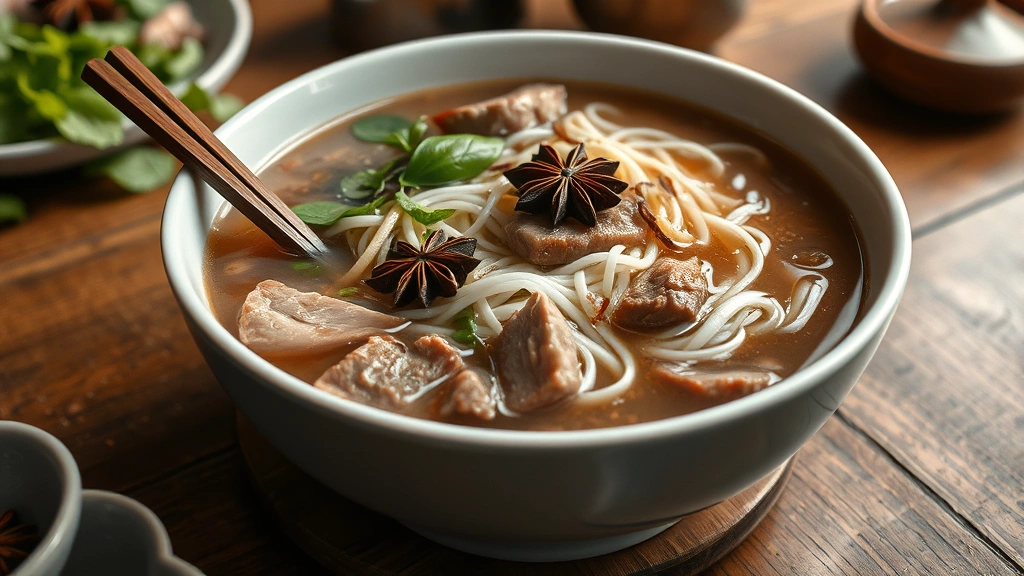
Best Pho in Town? Vietnamese Restaurant Review
The aromatic steam rising from a steaming bowl of pho is more than just a visual spectacle—it’s an invitation into centuries of Vietnamese culinary tradition. Walking into an authentic nhà hàng Vietnamese restaurant, you’re immediately transported by the delicate perfume of star anise, cinnamon, and charred ginger dancing through the air. This comprehensive review explores what makes a Vietnamese pho establishment truly exceptional, examining the nuances that separate mediocre broths from transcendent bowls that linger in your memory long after the last slurp.
Pho represents the soul of Vietnamese street food culture, yet many restaurants outside Vietnam struggle to capture its authentic essence. The difference between a forgettable bowl and a transformative one often comes down to invisible details: the depth of broth developed through proper bone selection and simmering duration, the quality of fresh herbs sourced daily, and the chef’s understanding of balance between fundamental flavor pillars. This review dissects these critical elements while celebrating the restaurants that truly master this beloved Vietnamese specialty.
The Anatomy of Authentic Pho
Understanding pho requires appreciation for its architectural simplicity and philosophical complexity. This Vietnamese noodle soup consists of merely five fundamental components: broth, rice noodles, protein, fresh herbs, and accompaniments. Yet within this minimalist framework lies infinite opportunity for expression and excellence. The broth—the unquestionable star—requires dedication that separates dedicated pho houses from casual cafés.
Traditional pho broth begins with carefully selected bones. Northern Vietnamese pho typically features beef knuckle bones, leg bones with marrow, and occasionally brisket for richness. The bones aren’t simply dumped into water; they’re first blanched to remove impurities, creating a crystal-clear broth rather than cloudy liquid. This preliminary step demonstrates whether a restaurant respects traditional methodology or cuts corners for efficiency.
The spice profile of authentic pho broth includes star anise, cinnamon stick, coriander seeds, fennel, clove, and black cardamom. These aromatics aren’t merely sprinkled in; they’re typically toasted to release essential oils before simmering. The toasting process transforms these spices from dormant flavoring agents into vibrant contributors that permeate the broth with warming, slightly sweet, and deeply complex notes. A restaurant’s commitment to this step often indicates their broader dedication to authenticity.
When you visit a fun restaurants specializing in Vietnamese cuisine, observe whether the broth tastes developed and nuanced or thin and one-dimensional. Authentic pho broth should coat your palate with savory umami, reveal subtle sweet notes from the aromatics, and finish with a gentle warmth that builds as you consume more bowls.
Broth Excellence: The Foundation of Everything
The broth represents approximately seventy percent of a pho bowl’s quality quotient. This liquid foundation must be simultaneously delicate and profound, clear yet deeply flavored. Most authentic Vietnamese restaurants simmer their broth for minimum twelve hours, with many extending to eighteen or twenty-four hours. This extended cooking time allows gelatin from bones to dissolve, creating natural body and richness without cream or flour.
Temperature control during simmering proves critical. High heat creates a vigorous boil that clouds the broth with bone particles and impurities. Proper technique requires maintaining a gentle simmer—barely perceptible movement—allowing flavors to develop without turbulence. This patient approach reflects the Vietnamese philosophy that rushing food preparation produces inferior results.
Regional variations in broth composition deserve exploration. Northern Vietnamese pho broth, particularly from Hanoi, emphasizes clarity and subtle flavors, relying heavily on the bone broth’s natural richness. Southern Vietnamese pho often incorporates slightly more spice and occasionally adds a whisper of sweetness through rock sugar. When evaluating a nhà hàng restaurant’s pho, consider whether their broth reflects a specific regional tradition or represents an ambiguous fusion approach.
The quality of ingredients used in broth preparation cannot be overstated. Restaurants sourcing bones from grass-fed beef, using whole spices rather than pre-ground powders, and incorporating fresh ginger and onion (charred over flame to develop deeper flavors) demonstrate commitment to excellence. Conversely, establishments using commercial broth bases or powdered spice blends immediately reveal their prioritization of convenience over authenticity.
Umami development in pho broth comes from several sources: amino acids released during bone cooking, caramelization of beef proteins, and the natural glutamates present in aromatics. The finest pho broths achieve a savory depth that makes your mouth water and compels you toward another spoonful before you’ve finished your previous one. This addictive quality isn’t accidental—it’s the result of masterful technique and ingredient selection.
Noodle Quality and Texture
Rice noodles for pho occupy a peculiar middle ground in texture preferences. They must be tender enough to absorb broth readily, yet possess sufficient structural integrity to maintain individual strands rather than dissolving into mushy paste. The ideal pho noodle achieves a delicate bite—what Vietnamese cooks call “al dente” for rice noodles—with a slight resistance when you bite through, followed by yielding softness.
Authentic Vietnamese restaurants often source fresh rice noodles daily, recognizing that noodle quality deteriorates over time. Fresh noodles possess a silky texture and subtle sweetness that dried alternatives cannot replicate. When you slurp fresh pho noodles, they should feel luxurious against your tongue, carrying broth effortlessly toward your mouth while maintaining their shape.
The thickness of noodles varies by regional tradition and personal preference. Northern Vietnamese pho typically features slightly thinner noodles than Southern variants. Some establishments offer noodle choices, allowing diners to customize their experience. Premium restaurants often prepare noodles to order, ensuring optimal texture at the moment of consumption rather than serving pre-cooked noodles that have absorbed excess broth and lost their delicate structure.
Noodle preparation technique matters significantly. Proper pho service involves placing noodles in a bowl, ladling piping hot broth over them, then immediately serving. This sequence ensures noodles cook to perfect doneness in the residual heat of the broth. Some lesser establishments pre-cook noodles in advance, resulting in over-softened, less appealing textures that undermine the entire bowl.
Herbs, Vegetables, and Fresh Accompaniments
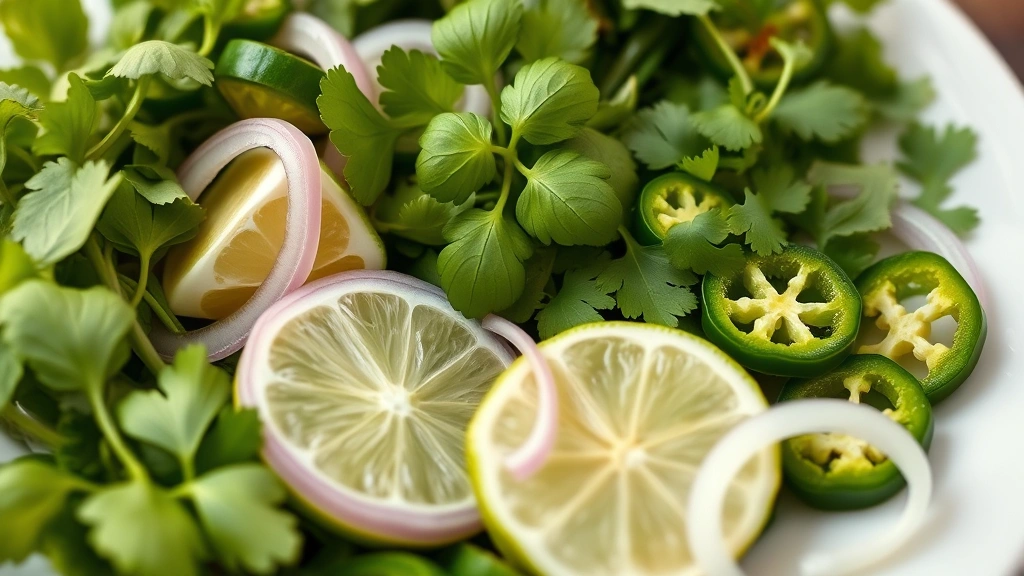
The fresh herb plate accompanying pho represents Vietnamese cuisine’s philosophical commitment to brightness, balance, and diner agency. These accompaniments—Thai basil, cilantro, sawtooth coriander, fresh lime, jalapeño, and onion—allow each person to customize their bowl according to personal preference and palate sensitivity.
Thai basil contributes anise-like aromatics with peppery undertones that complement the broth’s warming spices beautifully. The herb’s volatile oils release their full potential when torn rather than chopped, releasing fragrance that mingles with steam rising from your bowl. Cilantro provides bright, citrusy notes that cut through the broth’s richness, preventing palate fatigue during consumption. Sawtooth coriander—also called culantro—offers intensified cilantro-like flavor with slightly bitter notes that add complexity.
Fresh lime juice transforms pho from delicious to transcendent. The citric acid brightens the broth, awakens dormant flavor notes, and provides refreshing contrast to the warm, rich soup. Authentic Vietnamese restaurants always serve lime wedges, understanding that this simple addition represents essential pho architecture rather than optional garnish. Squeeze lime directly into your broth, allowing the juice to distribute throughout the bowl before tasting.
Bean sprouts and onion—both raw and cooked—contribute textural variety and aromatic brightness. Raw onion slices provide sharp bite that evolves into mellow sweetness as they absorb broth heat. Bean sprouts add delicate crunch that contrasts beautifully with tender noodles and soft proteins. When restaurants serve these accompaniments fresh, crisp, and abundant, you immediately recognize their commitment to quality.
Jalapeño slices offer customizable heat, allowing spice-sensitive diners to enjoy mild broths while enabling those who crave fire to achieve desired intensity. The chili’s bright flavor complements pho’s aromatic profile without overwhelming delicate broth nuances. Premium establishments often offer multiple chile varieties, recognizing that different heat sources produce different flavor impacts.
Restaurant Atmosphere and Service
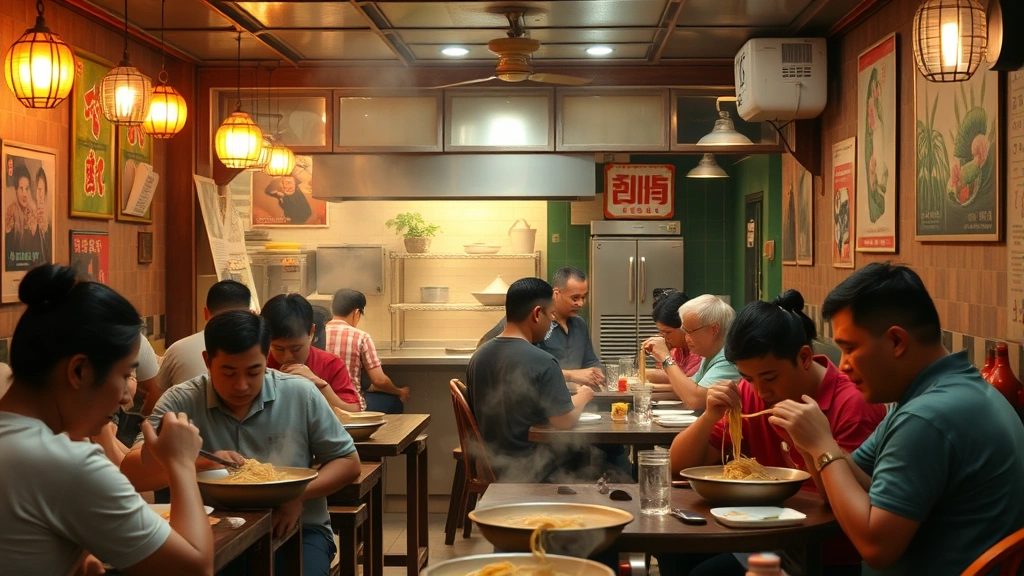
The environment surrounding your pho experience significantly influences your enjoyment and perception of quality. The finest pho often emerges from humble, bustling establishments where authenticity trumps aesthetic polish. These warm and cozy restaurants often feature simple décor, crowded communal tables, and staff who move with purposeful efficiency developed through decades of service.
Authentic Vietnamese pho houses typically feature an open kitchen where diners observe noodle preparation, broth ladling, and herb arrangement. This transparency builds confidence in ingredient quality and preparation standards. The sizzle of aromatics toasting, the aromatic clouds rising from broth pots, and the rhythmic movement of skilled cooks create an immersive sensory experience that enhances the meal.
Service quality in traditional pho establishments differs from Western fine dining expectations. Staff prioritize efficiency and broth temperature maintenance over elaborate ceremony. Your server understands that piping hot broth is non-negotiable, that refills should arrive promptly, and that your dining experience should feel comfortable rather than rushed despite the restaurant’s obvious efficiency.
The acoustic environment of a pho restaurant contributes significantly to enjoyment. The gentle clinking of spoons, murmur of conversation, and occasional sizzle of cooking create a vibrant backdrop that feels authentic and energizing. Overly quiet dining rooms often signal prioritization of ambiance over substance, potentially indicating compromised focus on culinary excellence.
Pricing and Value Assessment
Exceptional pho need not command premium pricing, yet restaurants cannot produce authentic, high-quality pho at bargain prices. The economics of bone-based broth—purchasing quality bones, maintaining extended simmering times, sourcing fresh herbs and noodles—create genuine costs that responsible restaurants must pass to diners.
A bowl of authentic pho in most markets should cost between twelve and eighteen dollars. Prices significantly below this range often indicate corner-cutting through broth bases, lower-quality ingredients, or reduced simmering times. Conversely, pho priced above twenty-five dollars without compelling justification may reflect inflated ambiance costs rather than superior culinary execution.
Value assessment requires considering the entire bowl: broth quality, noodle freshness, herb abundance, protein quality, and portion size. A restaurant serving generous portions of premium beef, abundant fresh herbs, and deeply flavored broth at fifteen dollars delivers superior value to an establishment charging eighteen dollars for modest portions and mediocre broth.
Many excellent pho houses offer lunch specials that provide remarkable value without compromising quality. These establishments recognize that building a loyal customer base through fair pricing creates sustainable business models. When you discover a restaurant offering exceptional pho at reasonable prices, you’ve found something worth protecting through patronage and recommendation.
Top Contenders for Best Pho
Several Vietnamese restaurants have earned recognition for pho excellence through unwavering commitment to traditional techniques and ingredient quality. These establishments often feature family ownership, multi-generational Vietnamese recipes, and staff who understand pho preparation as both craft and cultural responsibility.
The finest pho establishments typically share common characteristics: they source beef bones directly from specialty suppliers, simmer broth in large stockpots for extended periods, prepare fresh noodles in-house or source them from dedicated noodle makers, and maintain abundant fresh herb stations. These restaurants often have simple names reflecting their specialization—Pho King, Pho 54, Pho Vietnam—indicating focus on product rather than branding.
When seeking best restaurants London or your local area specializing in Vietnamese cuisine, research establishments with strong community reputation among Vietnamese diaspora populations. These restaurants prioritize authenticity for customers with genuine cultural connections to the cuisine, maintaining standards that would satisfy diners in Hanoi or Ho Chi Minh City.
Online reviews merit skeptical evaluation. Seek reviews mentioning specific broth characteristics, noodle texture, herb quality, and personal comparisons to Vietnamese pho experiences. Vague praise or focus on ambiance rather than culinary execution suggests reviewers lack pho expertise. Conversely, detailed descriptions of broth depth, spice balance, and ingredient quality indicate reviewers with genuine palate development.
Consider visiting potential pho restaurants during lunch hours when turnover ensures maximum broth freshness and kitchen focus remains undivided. Lunch service at quality establishments often represents their finest execution, with maximum broth clarity and noodle freshness before evening service begins.
Dietary Considerations
Vietnamese restaurants increasingly accommodate diverse dietary requirements while maintaining culinary integrity. Vegetarian pho has evolved from afterthought to respected specialty, with progressive restaurants developing vegetable-based broths achieving complexity rivaling beef versions.
Quality vegetarian pho relies on mushrooms (shiitake, oyster, and dried varieties), kombu seaweed, dried shiitake stems, and aromatic vegetables to develop umami-rich broths. When prepared with dedication, vegetarian pho achieves savory depth through these plant-based sources, offering satisfaction without compromising Buddhist or personal dietary principles. For vegetarian diners seeking vegan restaurants near me, Vietnamese establishments often provide excellent options beyond standard offerings.
Gluten-free diners should verify that pho restaurants use tamari or gluten-free soy sauce in their broth and accompaniments. Many Vietnamese establishments maintain naturally gluten-free menus while accommodating cross-contamination concerns with dedicated preparation areas. Restaurants taking gluten-free restaurant near me seriously demonstrate broader commitment to ingredient awareness and diner safety.
Bone broth enthusiasts often appreciate pho’s natural collagen and gelatin content, finding the soup aligns with paleo dinner recipes and nutrient-dense eating philosophies. The extended simmering process creates bioavailable minerals and amino acids that contribute to pho’s reputation as both comfort food and health-promoting cuisine.
Allergy protocols deserve careful attention. Peanut and shellfish allergies require explicit communication with restaurants, as some broths incorporate fish sauce and some preparations include peanut-based garnishes. Responsible Vietnamese restaurants maintain detailed ingredient lists and preparation protocols ensuring diner safety without compromising culinary excellence.
FAQ
What distinguishes Northern from Southern Vietnamese pho?
Northern pho emphasizes broth clarity and subtle flavors, relying on bone broth’s natural richness without additional sweetening. Southern pho often incorporates additional spices, slightly more herbaceous elements, and occasional rock sugar for subtle sweetness. Northern broths typically appear crystal clear, while Southern versions may show slightly more color. Both approaches merit respect as legitimate regional traditions.
How long should authentic pho broth simmer?
Traditional pho broth requires minimum twelve hours of gentle simmering, with many respected restaurants extending to eighteen or twenty-four hours. This extended cooking develops full flavor complexity, creates natural body from dissolved gelatin, and produces the characteristic broth richness that distinguishes authentic pho from commercial approximations.
Should pho noodles be pre-cooked or cooked to order?
Optimal pho service involves placing raw or barely-cooked noodles in a bowl and ladling piping hot broth over them, allowing residual heat to cook noodles to perfect doneness. Pre-cooked noodles often become over-soft and absorb excessive broth, diminishing textural contrast and overall bowl quality. Premium restaurants always prepare noodles to order or maintain them in barely-cooked states until service.
What’s the proper way to eat pho?
Begin by sampling broth alone to appreciate its depth and complexity. Add fresh herbs, lime juice, and jalapeño according to personal preference. Use chopsticks to gather noodles, supporting them with your spoon, then slurp loudly and enthusiastically—this is not considered impolite in Vietnamese dining culture. The slurping action cools hot noodles while introducing air that enhances flavor perception.
Why does some pho taste thin or watery?
Thin pho typically results from insufficient simmering time, use of commercial broth bases, inadequate bone selection, or improper technique during broth preparation. Authentic pho broth should coat your palate with noticeable body and savory richness. If broth tastes thin, the restaurant likely prioritizes speed over quality.
Can pho be made with chicken or seafood?
While beef pho represents the most traditional and widely respected preparation, Vietnamese cuisine includes chicken pho (phở gà) and shrimp pho (phở tôm). Chicken pho requires lighter broth development, while seafood versions demand careful technique to avoid fishy or overly pungent results. Traditional restaurants excel with beef pho; specialty houses may offer exceptional chicken or seafood variations.
How do I identify authentic Vietnamese pho restaurants?
Seek establishments with Vietnamese ownership, simple décor emphasizing functionality over ambiance, open kitchens revealing broth preparation, abundant fresh herb accompaniments, and clientele including Vietnamese community members. Research online reviews mentioning specific broth characteristics and ingredient quality rather than ambiance or service style.


